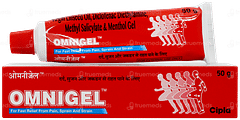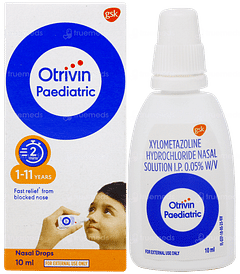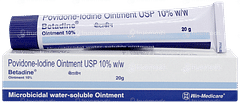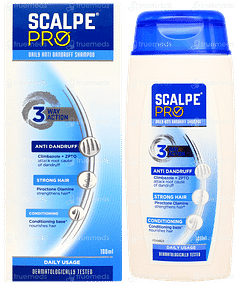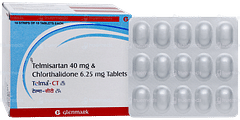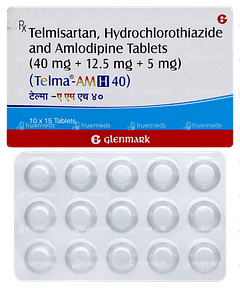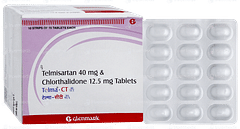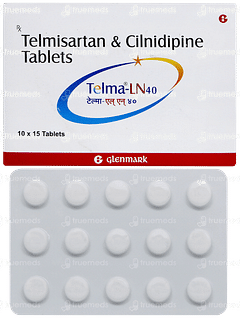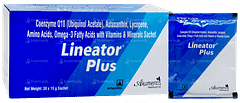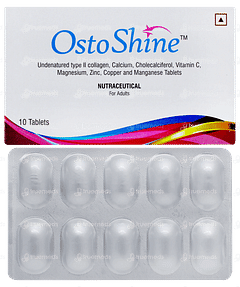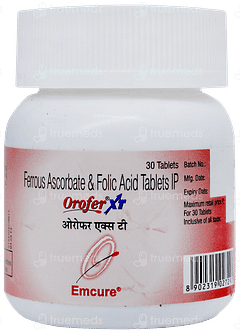
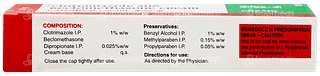
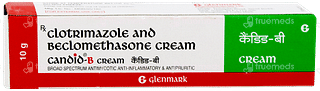
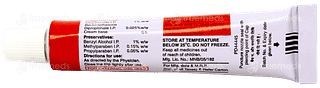
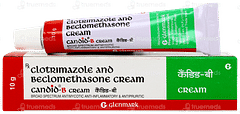
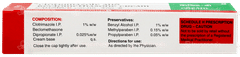
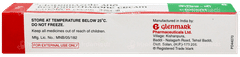
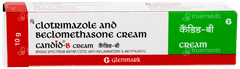
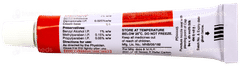

 Composition
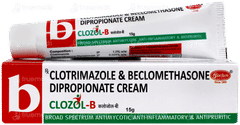
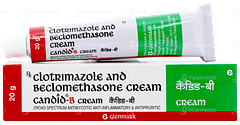
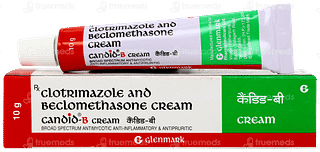
Candid-B Cream is used to treat fungal skin infections that come with itching, redness and inflammation, including infections affecting the skin or genitals. It combines clotrimazole, an antifungal, with beclometasone, a corticosteroid.
Clotrimazole stops fungal growth by damaging the cell membrane of the fungus, while beclometasone reduces the inflammation, redness and itching that often accompany the infection, giving faster symptom relief alongside the antifungal action.
Apply a thin layer to the affected area, as prescribed as your doctor advises, and use only for the recommended duration, since this cream contains a corticosteroid that can thin the skin with prolonged use.
Avoid using on the face or in skin folds for extended periods unless specifically directed. Tell your doctor if the infection does not improve within the expected time, or if the skin becomes more irritated, so the treatment can be reviewed.