

- Medicines
- Personal Care
- Skin Cream
- Sunscreen
- Face Wash
- Skin and Body Soap
- Acne Care
- Body Lotions
- Moisturising Lotion
- Moisturising Cream
- Mosquito Repellent
- Moisturising Gel
- Body Wash
- Hair Oils
- Hair Shampoo
- Hair Conditioners
- Hair Supplements
- Hair Colour
- Hair Serum
- Hair Mask
- Hair Solutions
- Baby Diapers and Wipes
- Baby Lotion and Moisturising Cream
- Baby Bath Essentials
- Baby Skin Care
- Baby and Infant Food
- Baby Healthcare
- Women Multivitamins
- Ovulation Test Kit and Women Intimate Care
- Sanitary Pads
- Nutritional Drinks
- Condoms
- Lubricants
- Massage Gels
- Personal Body Massagers
- Men Performance Booster
- Sexual Health Supplements
- Massage Oils
- Ayurveda
- Tooth Paste
- Mouth Ulcer Gel
- Mouthwash
- Toothache and Gum Pain
- Tooth Brush
- Gargle Solution
- Orthopaedic Supports
- Adult Diapers
- Footwear
- Mobility and Support Accessories
- Urinary Support and Care
- Health Conditions
- Bone and Joint Care
- Digestive Care
- Eye Care
- Pain Relief
- Smoking Cessation
- Liver Care
- Stomach Care
- Cold and Cough
- Heart Care
- Kidney Care
- Piles, Fissures & Fistula
- Respiratory Care
- Mental Wellness
- Derma Care
- Pre and Probiotics
- Acidity
- Gas
- Constipation
- Loose Motion/Diarrhoea
- Digestive Fibres
- Digestive Enzymes
- Eye Lubricant Drops
- Lens Solution
- Safety Eye Wear
- Eye Cream
- Eye Vitamins and Supplements
- Eye Drops
- Eye Ointment and Gel
- Nicotine Patch
- Nicotine Gum
- Nicotine Lozenges
- Cough Syrups
- Chest Rubs and Balms
- Nasal Spray
- Lozenges
- Inhalant Capsules
- Cold and Cough Tablets
- Vitamins & Supplements
- Diabetes Care
- Healthcare Devices
- Homeopathic Medicine
- Health Guide
Dry Skin During Winter: An Overview
Last updated on :25 Feb, 2026
Read time :10 min
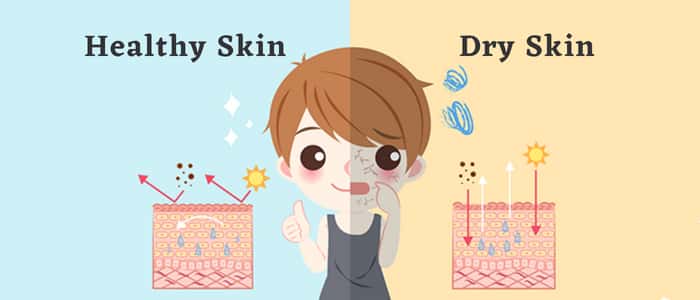
Those who spend a lot of time outside in the winter often notice concerns about getting dry skin. Commonly known as winter dryness, this condition makes your skin look rough, flaky, or scaly. In many cases, it can also lead to uncomfortable tightness, redness, or itchy patches that make the skin feel sensitive [1]. Your skin loses its natural moisture when it is exposed to harsh winter elements like freezing temperatures, dry indoor heat, and biting winds, which strip away the protective surface layer [2]. This condition is commonly known as winter dry skin or winter xerosis.
From a dermatological perspective, effective management of dry skin focuses on repairing the epidermal water barrier. Treatment strategies focus on rehydrating the skin and preventing further transepidermal water loss. This can be performed by applying moisturising substances directly onto the skin in a topical fashion. To minimise stripping the skin of its natural oils, it is generally recommended to use lukewarm water for bathing, avoid excessive bathing duration, and use gentle, non-soap cleansers instead of harsh soaps or detergents [3]. Addressing controllable environmental factors, such as adding humidity to indoor air, is also beneficial.
Essential Tips for Healthy Winter Skin
1. Opt for Lukewarm Water
Hot showers may be tempting during winter, but avoiding them is better. Steamy water can wash away the protective oils your skin needs to stay soft, often leaving you feeling dry and itchy. Using cooler water is just as effective for staying clean and is much more gentle on your skin’s surface [5].
2. Choose the Right Moisturizer for Optimal Hydration
Winter air is naturally very dry, which quickly pulls moisture out of your face and body. Swapping your light lotion for a thicker cream or ointment helps create a sturdy protective seal that keeps hydration trapped where it belongs [4]. For best results, these moisturisers should be applied immediately after bathing while the skin is still damp to trap surface moisture [1]. Do remember to consistently care for vulnerable areas like the hands, feet, and lips. Look for products containing ingredients that act like moisture magnets or help rebuild your skin’s natural outer shield, helping it stay plump and smooth even in freezing weather [6].
3. Maintain Internal and External Hydration
Due to dry air, the skin tends to lose moisture quickly. It’s essential to maintain systemic hydration. Staying hydrated from the inside out helps your body maintain healthy skin. Try to keep an eye on your alcohol intake, as it can cause your body to lose fluids more quickly, leaving your skin looking dull and dry [7]. Additionally, installing a humidifier in main living areas can restore moisture to the air, which has been shown to alleviate skin dryness and rash [8].
4. Adjust Exfoliation Based on Skin Needs
Exfoliation is the process of removing dead skin cells. Scrubbing your skin too often during the colder months can wear down its natural defenses, making it feel much more sensitive and prone to cracking or peeling [9].
- For Dry or Sensitive Skin: Gentle, infrequent exfoliation (e.g., once every 10–14 days) may be considered, but only if the skin is not currently inflamed or irritated.
- For Combination or Oily Skin: A gentle weekly scrub can help keep your skin bright and help your moisturisers sink in better, but you should take a break if your skin starts to feel raw or looks unusually red.
5. Utilizing Natural Oils for Barrier Support
Certain natural oils can function as effective emollients and occlusives, aiding the skin barrier.
- Virgin Coconut Oil (VCO): Virgin coconut oil can act as an effective emollient by forming a protective layer that helps reduce moisture loss [10]. It works by creating a light, protective layer on the surface that helps keep your natural moisture from escaping during the day.
- Almond Oil: Historically used to soothe dry skin, almond oil is rich in fatty acids and can help to alleviate itching and discomfort, making it a common complementary topical aid for dry skin conditions [11].
6. Consistent Night-Time Skincare
Your skin does its best work while you sleep, making nighttime the perfect time to use your richest creams. Thicker ointments and heavy moisturisers are ideal for evening use because they have plenty of time to sink in and deeply hydrate your skin while you rest. These heavier products take longer to absorb and provide sustained moisturization, making them ideal for a protective overnight treatment [1].
7. Essential Sun Protection (Even in Winter)
The notion that sunscreen is unnecessary in winter is a common misconception. Sun damage is a year-round concern, even when it’s freezing outside. While the rays that cause immediate burns are weaker in winter, the deeper-reaching rays that cause long-term skin ageing and damage are just as strong as they are in the summer [12].
Health experts agree that constant sun exposure without protection can lead to early wrinkles, dark spots, and more serious long-term skin health issues if left unmanaged [12]. Before going outside, apply a broad-spectrum sunscreen with a Sun Protection Factor (SPF) of 30 or higher to all exposed areas, following your morning moisturiser application.
8. The Role of Nutrition and Lifestyle
A comprehensive winter skincare routine should be followed in conjunction with a nutritious and seasonal diet. Consuming foods rich in antioxidants and essential fatty acids, such as omega-3s, helps to protect the skin from oxidative stress and maintain the integrity of cell membranes [13].
- Nutrient-Dense Foods: Seasonal fruits and vegetables are excellent sources of antioxidants and vitamins. Berries (strawberries, blueberries, raspberries) and dark leafy greens are particularly rich sources that support skin health.
- Exercise and Skin Health: Getting your heart rate up through regular exercise boosts your circulation, which sends a fresh supply of oxygen and nutrients to your skin cells, helping your complexion look brighter and stay more hydrated [14].
Important: If dry skin becomes severely itchy, cracked, bleeding, or does not improve with moisturizers, consult a dermatologist to rule out eczema or other skin conditions.
Conclusion
Maintaining healthy, hydrated skin during winter requires both external care and internal balance. When the weather turns cold and dry, your skin needs an extra layer of defence to stay comfortable. A steady routine that focuses on mild washing, thick and creamy moisturisers, and daily sun protection is the best way to keep your skin from feeling tight or becoming flaky. Drinking plenty of water and eating healthy, seasonal foods helps strengthen your skin’s natural shield from the inside. You can also supplement your routine with natural oils like coconut or almond to give your skin an extra boost of softness when it needs it most. By following these simple steps for care and protection, you can maintain a healthy, vibrant complexion and keep your skin feeling smooth and soft all winter long.
Frequently Asked Questions (FAQs)
Why does skin become dry in winter?
Dry skin in winter is caused by low ambient humidity, cold air, and the use of indoor heating, all of which increase transepidermal water loss (TEWL), stripping moisture from the skin’s protective barrier.
Can hot showers worsen dry skin in winter?
Yes, hot water can remove essential natural oils from your skin, leading to increased dryness, irritation, and potential damage to the skin barrier.
Are natural oils good for winter skincare?
Yes, natural oils like virgin coconut oil and almond oil can function as effective occlusives and emollients, helping to lock in moisture and soothe dry, itchy skin during cold weather, especially when applied after bathing.
Is sunscreen needed in winter?
Yes, sunscreen is needed year-round. UV-A rays, which cause photoaging, penetrate clouds and windows even in winter, necessitating the daily application of a broad-spectrum SPF 30 or higher.
How often should I moisturize in winter?
Moisturize at least twice daily (ideally immediately after bathing to seal in water and again before bed) to help prevent dryness and maintain skin hydration.
References
[1] Gade, A., Matin, T., & Rubenstein, R. (2023). Xeroderma. In StatPearls. StatPearls Publishing. https://www.ncbi.nlm.nih.gov/books/NBK565884/
[2] Lodén, M. (2003). Role of topical emollients and moisturizers in the treatment of dry skin barrier disorders. American Journal of Clinical Dermatology, 4(11), 771–788. https://doi.org/10.2165/00128071-200304110-00005
[3] Ananthapadmanabhan, K. P., Moore, D. J., Subramanyan, K., Misra, M., & Meyer, F. (2004). Cleansing without compromise: the impact of cleansers on the skin barrier and the technology of mild cleansing. Dermatologic Therapy, 17(s1), 16–25. https://doi.org/10.1111/j.1396-0296.2004.04s1002.x
[4] Herrero-Fernandez, M., Montero-Vilchez, T., Diaz-Calvillo, P., Romera-Vilchez, M., Buendia-Eisman, A., & Arias-Santiago, S. (2022). Impact of water exposure and temperature changes on skin barrier function. Journal of Clinical Medicine, 11(2), 298. https://doi.org/10.3390/jcm11020298
[5] Centers for Disease Control and Prevention. (2024, April 17). Handwashing facts. Clean Hands. https://www.cdc.gov/clean-hands/data-research/facts-stats/index.html
[6] Purnamawati, S., Indrastuti, N., Danarti, R., & Saefudin, T. (2017). The role of moisturizers in addressing various kinds of dermatitis: a review. Clinical Medicine & Research, 15(3–4), 75–87. https://doi.org/10.3121/cmr.2017.1363
[7] Rodrigues, L., Palma, L., Marques, L. T., & Varela, J. B. (2015). Dietary water affects human skin hydration and biomechanics. Clinical Cosmetic and Investigational Dermatology, 8, 413. https://doi.org/10.2147/ccid.s86822
[8] Tran, H. (2017). Cosmetic Dermatology. www.academia.edu. https://www.academia.edu/33091592/Cosmetic_Dermatology
[9] Behalpade, S., Gajbhiye, S., & Department Of Cosmetic Technology. (2022). SKIN CARE WITH EXFOLIATION PROCESS [Journal-article]. International Journal of Current Science, 12(2), 372–374. https://rjpn.org/ijcspub/papers/IJCSP22B1150.pdf
[10] Evangelista, M. T. P., Abad-Casintahan, F., & Lopez-Villafuerte, L. (2013). The effect of topical virgin coconut oil on SCORAD index, transepidermal water loss, and skin capacitance in mild to moderate pediatric atopic dermatitis: a randomized, double-blind, clinical trial. International Journal of Dermatology, 53(1), 100–108. https://doi.org/10.1111/ijd.12339
[11] Ahmad, Z. (2009). The uses and properties of almond oil. Complementary Therapies in Clinical Practice, 16(1), 10–12. https://doi.org/10.1016/j.ctcp.2009.06.015
[12] How to Protect Your Skin from UV Rays | Sun Safety. (n.d.). American Cancer Society. https://www.cancer.org/cancer/risk-prevention/sun-and-uv/uv-protection.html
[13] Katta, R., & Desai, S. P. (2014, July 1). Diet and Dermatology: The role of Dietary Intervention in skin disease. https://pmc.ncbi.nlm.nih.gov/articles/PMC4106357/
[14] Oizumi, R., Sugimoto, Y., & Aibara, H. (2024). The Potential of Exercise on Lifestyle and Skin Function: Narrative review. JMIR Dermatology, 7, e51962. https://doi.org/10.2196/51962













Disclaimer
Our healthcare experts have carefully reviewed and compiled the information presented here to ensure accuracy and trustworthiness. It is important to note that this information serves as a general overview of the topic and is for informational purposes only. It is not intended to diagnose, prevent, or cure any health problem. This page does not establish a doctor-patient relationship, nor does it replace the advice or consultation of a registered medical practitioner. We recommend seeking guidance from your registered medical practitioner for any questions or concerns regarding your medical condition.
Recent Articles






Company
About UsHealth ArticleHealth StoriesHealth LibraryDiseases & Health ConditionsAyurvedaUnderstanding Generic MedicinesAll MedicinesAll BrandsNeed HelpFAQSecuritySavings CalculatorSubscribe
Registered Office Address
Grievance Officer
Download Truemeds


Contact Us
Our customer representative team is available 7 days a week from 9 am - 9 pm.
v4.23.4

2026 - Truemeds | All rights reserved. Our content is for informational purposes only. See additional information.

Our Payment Partners