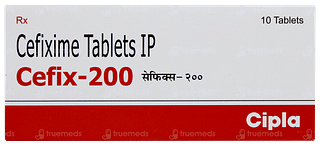
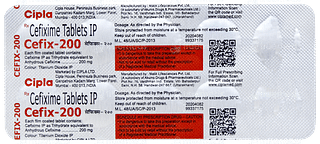
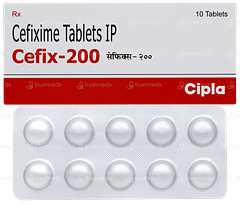
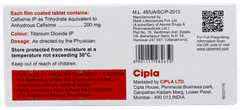
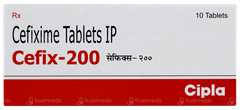
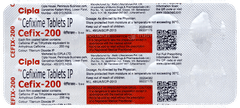

 Composition
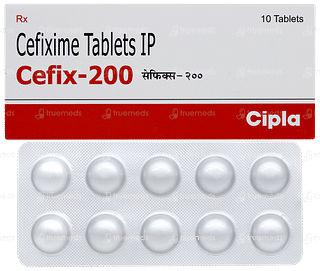
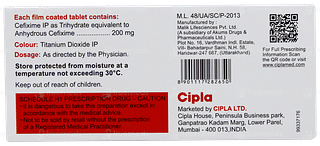
Cefix 200 Tablet contains cefixime 200 mg (a third-generation cephalosporin antibiotic). It is used to treat selected bacterial infections affecting the urinary tract, throat and respiratory system. Cefixime inhibits bacterial cell wall synthesis, causing susceptible bacteria to die. Take this medicine as prescribed by your doctor, with or without food. Common side effects include diarrhoea, nausea, abdominal pain and indigestion. Tell your doctor about allergies to cephalosporins or penicillins, kidney disease or previous antibiotic-associated diarrhoea. Complete the prescribed course unless your doctor advises otherwise. Seek immediate medical attention for severe allergic reactions or persistent watery diarrhoea. This antibiotic does not treat viral infections such as colds or influenza.
Cefix 200 Tablet is prescribed for infections caused by bacteria susceptible to cefixime. These include uncomplicated urinary tract infections, bacterial tonsillitis, pharyngitis and certain exacerbations of chronic bronchitis. It may also be used for uncomplicated gonorrhoea when appropriate under current treatment guidelines. Cefixime is sometimes prescribed for typhoid fever based on local susceptibility patterns. However, resistance can limit its effectiveness. The choice of antibiotic depends on the infection and clinical assessment.
Take Cefix 200 Tablet exactly as prescribed by your doctor. Swallow the tablet with water, with or without food. Taking it with food may help reduce stomach discomfort. Follow the prescribed treatment duration even if symptoms improve earlier. Do not change the dose or stop treatment without medical advice. If you miss a dose, take it when remembered unless the next dose is approaching. Never double doses. Contact your doctor if symptoms persist or worsen.
Common side effects of Cefix 200 Tablet include diarrhoea, nausea, abdominal pain, indigestion, vomiting, headache, dizziness and flatulence. These effects are generally mild but may require medical advice if persistent. Antibiotic-associated diarrhoea can occasionally become severe. Seek prompt medical attention for persistent watery or bloody stools, especially with abdominal cramps or fever. Stop treatment and seek emergency help for facial swelling, breathing difficulties or severe skin reactions. Report unusual bruising or bleeding.
Before taking Cefix 200 Tablet, tell your doctor about previous allergies to cefixime, cephalosporins or penicillins. Mention kidney disease, gastrointestinal conditions and previous antibiotic-associated colitis. Kidney impairment may require dose adjustment. Report anticoagulants such as warfarin and other medicines you take. Discuss pregnancy and breastfeeding before treatment. Cefixime may affect certain laboratory tests, including some urine glucose tests. Avoid using leftover antibiotics or sharing this medicine. Seek reassessment if the infection does not improve.