

- Medicines
- Personal Care
- Skin Cream
- Sunscreen
- Face Wash
- Skin and Body Soap
- Acne Care
- Body Lotions
- Moisturising Lotion
- Moisturising Cream
- Mosquito Repellent
- Moisturising Gel
- Body Wash
- Hair Oils
- Hair Shampoo
- Hair Conditioners
- Hair Supplements
- Hair Colour
- Hair Serum
- Hair Mask
- Hair Solutions
- Baby Diapers and Wipes
- Baby Lotion and Moisturising Cream
- Baby Bath Essentials
- Baby Skin Care
- Baby and Infant Food
- Baby Healthcare
- Women Multivitamins
- Ovulation Test Kit and Women Intimate Care
- Sanitary Pads
- Nutritional Drinks
- Condoms
- Lubricants
- Massage Gels
- Personal Body Massagers
- Men Performance Booster
- Sexual Health Supplements
- Massage Oils
- Ayurveda
- Tooth Paste
- Mouth Ulcer Gel
- Mouthwash
- Toothache and Gum Pain
- Tooth Brush
- Gargle Solution
- Orthopaedic Supports
- Adult Diapers
- Footwear
- Mobility and Support Accessories
- Urinary Support and Care
- Health Conditions
- Bone and Joint Care
- Digestive Care
- Eye Care
- Pain Relief
- Smoking Cessation
- Liver Care
- Stomach Care
- Cold and Cough
- Heart Care
- Kidney Care
- Piles, Fissures & Fistula
- Respiratory Care
- Mental Wellness
- Derma Care
- Pre and Probiotics
- Acidity
- Gas
- Constipation
- Loose Motion/Diarrhoea
- Digestive Fibres
- Digestive Enzymes
- Eye Lubricant Drops
- Lens Solution
- Safety Eye Wear
- Eye Cream
- Eye Vitamins and Supplements
- Eye Drops
- Eye Ointment and Gel
- Nicotine Patch
- Nicotine Gum
- Nicotine Lozenges
- Cough Syrups
- Chest Rubs and Balms
- Nasal Spray
- Lozenges
- Inhalant Capsules
- Cold and Cough Tablets
- Vitamins & Supplements
- Diabetes Care
- Healthcare Devices
- Homeopathic Medicine
- Health Guide
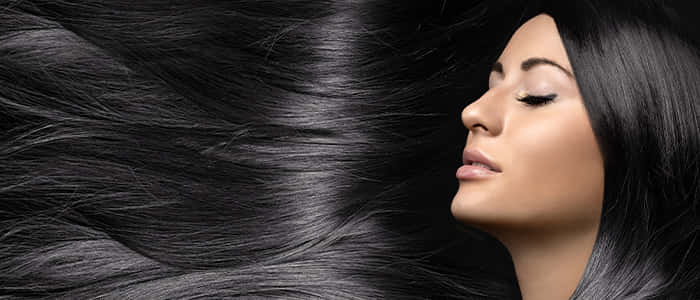
Best Tips For Long & Healthy Hair
Last updated on :24 Feb, 2026
Read time :6 min
Hair fall has become a common concern affecting people of all ages. However, adopting consistent, gentle habits can help protect your hair from further damage while improving the visible shine and texture of your strands. While it’s crucial to understand that genetics, underlying medical conditions, and nutritional deficiencies play significant roles in hair growth, a dedicated care routine can support a healthy scalp environment, which is fundamental for maintaining hair quality and length over time [1].
Whether you’re aiming to grow your hair longer or improve its overall quality, this guide covers the most effective long hair care tips and answers your top questions about hair growth.
The Role of Proper Hair Care
Caring for your hair properly gives it resilience and shine while reducing the risk of breakage and split ends. A healthy scalp supports optimal hair growth and helps reduce breakage. and helps you maintain smooth, silky strands. With the right habits, your hair can stay long, soft, and vibrant without feeling weak or dull.
Effective Strategies for Hair Growth and Strength
Daily and Weekly Hair Care Practices
Here are the basic tips for maintaining long and healthy hair:
1. Trim Regularly to Prevent Split Ends
Trimming your hair every 10 to 12 weeks helps manage split ends, which cause breakage. While trims don’t change the rate of growth at the root, they prevent damage from travelling up the shaft, helping you maintain your length [2]. Regular trims help keep hair healthier and longer over time.
2. Avoid Hot Showers
Hot water can strip the scalp of its natural protective oil, sebum. Using lukewarm water helps maintain hydration, while a cool rinse can help smooth the hair cuticle for a shinier appearance.
3. Don’t Rub Hair with a Towel
Roughly drying with a standard towel creates friction that can weaken and break hair strands. Instead, gently pat it dry with a microfiber towel or an old cotton t-shirt to absorb water without damaging the strands.
4. Limit Blow-Drying and Heat Styling
High heat from styling tools can degrade the hair’s keratin structure over time. Whenever possible, air-dry your hair or apply a heat protectant to shield the strands from thermal stress.
5. Don’t Tie Hair Too Tightly at Night
Tightly tying your hair while sleeping can place excessive tension on the roots, which may lead to breakage or thinning over time. Instead, opt for a loose braid or leave your hair down to prevent unnecessary pulling.
6. Massage Your Scalp Regularly
Regular scalp massages may improve local circulation and support scalp health, which supports a healthy environment for your hair follicles [3]. Do this 2–3 times a week using warm carrier oil like coconut or sesame oil.
7. Choose Sulphate-Free Shampoos
While effective for deep cleaning, sulfates can be harsh on certain hair types. Opting for sulfate-free alternatives can help retain natural oils and manage dryness.
8. Eat a Nutritious Diet for Hair Growth
A healthy diet is essential for maintaining healthy hair. Because hair follicles are metabolically active and require adequate nutrition [4]. Include foods rich in:
- Protein (eggs, legumes, nuts)
- Biotin (e.g., walnuts, sweet potatoes, bananas)
- Iron (spinach, pumpkin seeds)
- Zinc and Vitamin E (sunflower seeds, almonds)
9. Oil Your Hair Regularly
Coconut, castor, and jojoba oils are excellent for conditioning and can help smooth the appearance of split ends. Traditional treatments using these oils may help maintain hair resilience.
10. Try Rice Water Rinses
Containing inositol and amino acids, rice water is often used as a traditional rinse to improve the visible shine and surface elasticity of the hair [5]. Use it once a week as a final rinse. While popular, excessive use can cause protein buildup, potentially leading to dryness in some hair types.
11. Use Neem and Amla Hair Masks
Neem is traditionally used for its clarifying properties to maintain a clean scalp, while Amla’s high vitamin C content helps condition the hair and support its natural lustre [6]. You can apply these as masks or use oils infused with these herbs.
12. Apply Egg Hair Masks
Eggs are rich in proteins and fatty acids that can help coat damaged areas of the hair cuticle, temporarily improving the smoothness and texture of your strands. Use once a week to improve smoothness and shine. Ensure a thorough rinse with lukewarm or cool water to prevent the egg from ‘cooking’ in the hair.
13. Be Consistent and Patient
Growing long hair is a gradual process that requires time and dedication. Remember that the average hair growth rate is approximately 0.5 inches per month; results from a new routine may take several months to become visible [1].
Conclusion
While genetics play a major role, a disciplined routine and a nutrient-dense diet are the best ways to maximise your hair’s natural potential for growth and shine. With patience and a consistent care routine, you can significantly improve the manageability and healthy appearance of your hair. However, if you experience sudden or excessive hair loss, it is advisable to consult a dermatologist or healthcare practitioner to rule out underlying health issues or nutritional deficiencies.
Disclaimer
This article is for informational purposes only and is not a substitute for professional medical advice, diagnosis, or treatment. Please consult a qualified healthcare provider or a dermatologist before beginning any new wellness practice or if you have an existing medical condition, are on medication, or are experiencing significant hair loss. Truemeds does not endorse or recommend any specific products or treatments mentioned.
References
[1] American Academy of Dermatology Association. (2024, August 12). Tips for healthy hair. Www.aad.org. https://www.aad.org/public/everyday-care/hair-scalp-care/hair/healthy-hair-tips
[2] Nayak, B. S., Ann, C. Y., Azhar, A. B., Ling, E. C. S., Yen, W. H., & Aithal, P. A. (2017). A Study on Scalp Hair Health and Hair Care Practices among Malaysian Medical Students. International Journal of Trichology, 9(2), 58–62. https://doi.org/10.4103/ijt.ijt_76_16
[3] Koyama, T., Kobayashi, K., Hama, T., Murakami, K., & Ogawa, R. (2016, January 25). Standardized scalp massage results in increased hair thickness by inducing stretching forces to dermal papilla cells in the subcutaneous tissue. https://pmc.ncbi.nlm.nih.gov/articles/PMC4740347/
[4] Gomes, N., Silva, N., & Teixeira, B. (2025). Assessing the relationship between dietary factors and hair health: A systematic review. Nutrition and Health, 2601060251367206. https://doi.org/10.1177/02601060251367206
[5] Inamasu, S., Ikuyama, R., Fujisaki, Y., & Sugimoto, K.-I. (2010). Abstracts: The effect of rinse water obtained from the washing of rice (YU‐SU‐RU) as a hair treatment: Symposium abstracts. International Journal of Cosmetic Science, 32(5), 392–393. https://doi.org/10.1111/j.1468-2494.2010.00605_3.x
[6] Yamakami, Y., Morino, K., Takauji, Y., Kasukabe, R., Miki, K., Hossain, M. N., Ayusawa, D., & Fujii, M. (2019). Extract of Emblica officinalis enhances the growth of human keratinocytes in culture. Journal of Integrative Medicine, 17(2), 141–146. https://doi.org/10.1016/j.joim.2019.01.004













Disclaimer
Our healthcare experts have carefully reviewed and compiled the information presented here to ensure accuracy and trustworthiness. It is important to note that this information serves as a general overview of the topic and is for informational purposes only. It is not intended to diagnose, prevent, or cure any health problem. This page does not establish a doctor-patient relationship, nor does it replace the advice or consultation of a registered medical practitioner. We recommend seeking guidance from your registered medical practitioner for any questions or concerns regarding your medical condition.
Recent Articles





Company
About UsHealth ArticleHealth StoriesHealth LibraryDiseases & Health ConditionsAyurvedaUnderstanding Generic MedicinesAll MedicinesAll BrandsNeed HelpFAQSecuritySavings CalculatorSubscribe
Registered Office Address
Grievance Officer
Download Truemeds


Contact Us
Our customer representative team is available 7 days a week from 9 am - 9 pm.
v4.21.3

2026 - Truemeds | All rights reserved. Our content is for informational purposes only. See additional information.

Our Payment Partners




