- Medicines
- Personal Care
- Skin Cream
- Sunscreen
- Face Wash
- Skin and Body Soap
- Acne Care
- Body Lotions
- Moisturising Lotion
- Moisturising Cream
- Mosquito Repellent
- Moisturising Gel
- Body Wash
- Hair Oils
- Hair Shampoo
- Hair Conditioners
- Hair Supplements
- Hair Colour
- Hair Serum
- Hair Mask
- Hair Solutions
- Baby Diapers and Wipes
- Baby Lotion and Moisturising Cream
- Baby Bath Essentials
- Baby Skin Care
- Baby and Infant Food
- Baby Healthcare
- Women Multivitamins
- Ovulation Test Kit and Women Intimate Care
- Sanitary Pads
- Nutritional Drinks
- Condoms
- Lubricants
- Massage Gels
- Personal Body Massagers
- Men Performance Booster
- Sexual Health Supplements
- Massage Oils
- Ayurveda
- Tooth Paste
- Mouth Ulcer Gel
- Mouthwash
- Toothache and Gum Pain
- Tooth Brush
- Gargle Solution
- Orthopaedic Supports
- Adult Diapers
- Footwear
- Mobility and Support Accessories
- Urinary Support and Care
- Health Conditions
- Bone and Joint Care
- Digestive Care
- Eye Care
- Pain Relief
- Smoking Cessation
- Liver Care
- Stomach Care
- Cold and Cough
- Heart Care
- Kidney Care
- Piles, Fissures & Fistula
- Respiratory Care
- Mental Wellness
- Derma Care
- Pre and Probiotics
- Acidity
- Gas
- Constipation
- Loose Motion/Diarrhoea
- Digestive Fibres
- Digestive Enzymes
- Eye Lubricant Drops
- Lens Solution
- Safety Eye Wear
- Eye Cream
- Eye Vitamins and Supplements
- Eye Drops
- Eye Ointment and Gel
- Nicotine Patch
- Nicotine Gum
- Nicotine Lozenges
- Cough Syrups
- Chest Rubs and Balms
- Nasal Spray
- Lozenges
- Inhalant Capsules
- Cold and Cough Tablets
- Vitamins & Supplements
- Diabetes Care
- Healthcare Devices
- Homeopathic Medicine
- Health Guide
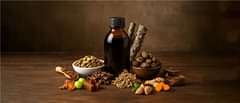
Safed Musli
Safed Musli (Chlorophytum borivilianum) is a tuberous Ayurvedic herb, traditionally classed as a Vajikarana, or aphrodisiac, and Rasayana, or rejuvenative, tonic. It is traditionally used to support general strength, stamina and immunity, and is available as a powder, capsule or standardised extract. Safed Musli is not a treatment for any disease. Anyone with a long-term health condition, and anyone who is pregnant, breastfeeding or taking prescription medicines, should speak to a doctor before use.
 50
Last updated on : 26 Oct, 2026
Read time : 17 mins

What is Safed Musli?
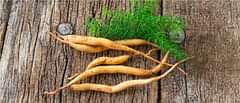
Safed Musli gets its name from the Hindi words safed, meaning white, and musli, referring to its pale, fleshy tuberous roots. It is native to the forests of Madhya Pradesh, Gujarat, Maharashtra and Rajasthan, where it grows in warm, humid conditions (Khanam et al., 2013). In classical Ayurvedic texts such as the Bhavaprakasha Nighantu, Safed Musli is described as a Vajikarana, or aphrodisiac, and Rasayana, or rejuvenative, dravya, traditionally used to support strength, vitality and overall wellbeing.
In Ayurvedic pharmacology, Safed Musli is classified as Madhura (sweet) and Tikta (bitter) in rasa, or taste; Guru and Snigdha (heavy and unctuous) in guna, or qualities; Sheeta (cooling) in virya, or potency; and Madhura (sweet) in vipaka, or post-digestive effect. It is traditionally understood to help balance the Vata and Pitta doshas.
Key Facts
| Feature | Details |
| Botanical name | Chlorophytum borivilianum |
| Family | Asparagaceae (previously classified under Liliaceae) |
| Part used | Tuberous roots |
| Ayurvedic category | Vajikarana (aphrodisiac) and Rasayana (rejuvenative) dravya |
| Ayurvedic properties | Rasa: sweet, bitter. Virya: cooling. Vipaka: sweet. Dosha action: traditionally considered to balance Vata and Pitta |
| Key active compounds | Steroidal saponins (including chlorophytoside I), hecogenin, stigmasterol and polysaccharides (Khanam et al., 2013 |
| Traditional uses | Used as a general tonic for strength, stamina and immunity, and in traditional Vajikarana formulations for male reproductive vitality |
| Common forms | Powder, capsules or tablets, standardised extract |
| General dosage | Typically 3-5 g of powder or 300-500 mg of extract daily; see 'Recommended Dosage' below for guidance by age group
|
| Best taken | Traditionally taken with warm milk or water, in the morning, or as advised by an Ayurvedic practitioner |
| Key safety note | Safety has not been established in pregnancy or breastfeeding; people with diabetes or any long-term condition should get medical advice before use |
Alternative Names of Safed Musli
Safed Musli goes by several names depending on the region and language:
- Botanical name: Chlorophytum borivilianum
- English: White musli
- Hindi: Safed Musli, Safed Moosli, Khiruwa
- Gujarati: Dholi Musli, Ujali Musli, Dholu Musli
- Marathi: Safed Musli, Safet Musli, Kulai, Kuli
- Tamil: Tannir Bittang, Taniravi Thang, Tannirvittan-kizhangu, Vipurutti, Tiravanticham
- Telugu: Tella Nela Tadi, Sallogadda, Kuchhela
- Kannada: Swetha Musli, Bili Mushali, Dravanti
- Malayalam: Shedheveli, Shedeveli, Veluttanilappana
- Sanskrit: Shweta Musali, Mahashatavari, Talamuli, Talapatri
- Punjabi: Syahoo Musli
- Urdu/Unani: Musli Safed, Shaqaaqul-e-Hindi, Biskandri
- Chhattisgarhi: Khairuwa
Chemical Constituents of Safed Musli
Safed Musli's traditional and pharmacological actions are linked to a specific group of compounds concentrated in its tuberous roots. Phytochemical studies have identified the following main constituents:
- Steroidal saponins: Including furostanol and spirostanol-type saponins such as chlorophytoside I, which are among the characteristic compounds identified in Safed Musli (Khanam et al., 2013).
- Hecogenin and other steroidal sapogenins: Plant-derived steroidal compounds that contribute to the phytochemical profile of the tuberous roots.
- Stigmasterol: A naturally occurring plant sterol found in Safed Musli that forms part of its lipid-related phytochemical profile.
- Polysaccharides and mucilage: Complex carbohydrates that contribute to the structure and composition of the tuberous roots.
- Flavonoids and phenolic compounds: Plant compounds with antioxidant activity that have been identified in Safed Musli extracts.
Medicinal Properties of Safed Musli
Ayurvedic tradition and early scientific research point to a consistent set of actions associated with Safed Musli. Its recognised medicinal properties include the following.
- Aphrodisiac (Vajikarana): Traditionally used to support male sexual vitality and stamina.
- Adaptogenic: Traditionally believed to help the body adapt to stress and maintain steady energy.
- Anti-inflammatory: Preclinical studies suggest it may have anti-inflammatory activity, although its effects in humans are not well established.
- Immunomodulatory: Preclinical research suggests it may influence immune function, but evidence in humans is limited.
- Antioxidant: Safed Musli extracts have shown antioxidant activity in laboratory studies, but the clinical significance of these findings is uncertain (Khanam et al., 2013).
- Antimicrobial: Laboratory studies suggest activity against certain bacteria and fungi, but these effects have not been established in human trials (Khanam et al., 2013).
Most of this evidence comes from laboratory and animal research; human clinical evidence is limited, so these properties are best understood as traditionally recognised uses and preliminary research findings rather than proven benefits in people.
Key Health Benefits of Safed Musli
Safed Musli may support strength, stamina, general vitality and male reproductive health, although evidence from human studies remains limited. Its compounds have also been studied for antioxidant, stress-related, joint and blood sugar effects, mainly in laboratory and animal research. These potential benefits are not established treatments for conditions such as infertility, arthritis or diabetes.

Supports Strength and Stamina
Safed Musli is traditionally valued as a strength-building tonic. Its roots contain minerals such as calcium, potassium and magnesium, along with steroidal saponins. Regular, moderate use is traditionally believed to support energy and muscular strength, though this is not confirmed in controlled human trials.
Supports Joint Comfort
Safed Musli's anti-inflammatory activity has been observed in preclinical studies, but its effect on joint stiffness or discomfort in humans has not been established. Its calcium and magnesium content contributes to normal bone health. It is not a treatment for arthritis or any other joint disease, and anyone with diagnosed joint pain should continue any treatment their doctor has prescribed.
May Help the Body Manage Stress
Because Safed Musli is traditionally regarded as adaptogenic, it is believed to help the body cope with everyday physical and mental stress and support steady energy through the day. Early laboratory and animal research has investigated its potential effects on stress-related processes, but human evidence remains limited.
May Support Male Reproductive Vitality
In traditional Vajikarana practice, Safed Musli is used to support male reproductive vitality and stamina. Some preclinical research has also investigated its potential effects on sperm and reproductive function, although these findings cannot be considered established benefits in humans (Khanam et al., 2013). It is not a treatment for erectile dysfunction, infertility or any other diagnosed reproductive condition, which need proper medical assessment and care.medical assessment and care.
May Support Women's General Wellbeing
Safed Musli is traditionally included in general tonics for women to support everyday energy and overall vitality. Evidence for these uses in women is limited, and it is not a treatment for leucorrhoea, uterine infection or any other gynaecological condition. Women with such symptoms should be assessed by a doctor rather than self-treating with this herb.
Provides Antioxidant Support
Safed Musli extracts contain compounds that have shown antioxidant activity in laboratory studies (Khanam et al., 2013). However, whether these effects provide meaningful health benefits in humans has not been established, as dedicated clinical studies on this specific effect are limited.
Supports Blood Sugar Management
Traditional use and preclinical research suggest Safed Musli may influence blood glucose regulation and insulin-related processes. It is also traditionally believed to support pancreatic health. However, evidence in humans is limited, and Safed Musli should not be used as a treatment for diabetes. People with diabetes should consult a doctor before use and monitor their blood glucose as advised, particularly if taking glucose-lowering medicines.
Common Uses of Safed Musli
Safed Musli is commonly used in Ayurvedic wellness routines as a vitality and stamina tonic. It may also be included in traditional Vajikarana formulations, post-illness recovery regimens and Rasayana practices for general health maintenance. These uses are based mainly on traditional Ayurvedic practice and are not established treatments for specific medical conditions.
As a Daily Vitality Tonic
Traditionally taken in small amounts, often mixed with warm milk, as part of a daily wellness routine to support general stamina and energy.
In Traditional Vajikarana Formulations
Combined with other herbs, such as Ashwagandha or Gokshura, in traditional multi-herb formulations intended to support male vitality.
During Post-Illness Recovery
Traditionally included in convalescence regimens to support recovery and help rebuild strength after illness, under the guidance of a qualified practitioner.
In Rasayana (Rejuvenation) Therapy
Used as part of traditional Rasayana regimens intended to support general health maintenance and healthy ageing.
Precautions While Taking Safed Musli
Safed Musli is generally well tolerated when used in the recommended amount, but some people may need to take extra care. Please consider the following before starting it.
Avoid During Pregnancy and Breastfeeding
Safed Musli has not been studied enough to confirm its safety during pregnancy or breastfeeding. It should be avoided unless a doctor has specifically advised its use.
Medical Supervision Needed for Diabetes
Safed Musli may lower blood sugar levels. Anyone with diabetes, or anyone taking medicines to manage blood sugar, should use it only under medical supervision and monitor their glucose levels as advised, as combining it with diabetes medicines may increase the risk of hypoglycaemia.
Keep to the Recommended Amount
Safed Musli is considered a heavy, slow-to-digest herb in Ayurveda. Taking more than the recommended amount may cause digestive discomfort, and its calorie content may contribute to weight gain when consumed in excess. It should be taken at the dose suggested by a healthcare provider.
Speak to a Doctor if You Have Another Health Condition
Anyone with an existing medical condition, or who is taking prescription medicines, should check with a doctor or qualified Ayurvedic practitioner before adding Safed Musli to their routine.
How to Use Safed Musli
Safed Musli is available in a few different forms, and each one is used slightly differently. The steps below cover powder, capsules and herbal tea.
Using Safed Musli Powder
- Wash the fresh roots of Safed Musli thoroughly.
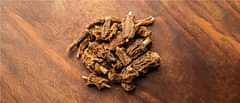
- Dry the roots completely in a shaded, well-ventilated area.
- Grind the dried roots into a fine powder and store it in an airtight container to keep out moisture.
- Stir the recommended amount into warm milk, a beverage or a smoothie.
Taking Safed Musli Capsules
- Safed Musli capsules are widely available from pharmacies and Ayurvedic stores.
- Take the recommended number of capsules, once or twice a day, with water, as directed on the product label or by a healthcare provider.
- Check with a healthcare provider first if you are taking any other medicines.
Brewing Safed Musli Herbal Tea
- Take one to two fresh roots, or two to three spoons of Safed Musli powder.
- Simmer in two to three cups of water for around 15 minutes.
- Add honey or lemon to taste, if you like.
- Drink once in the morning and once in the evening, or as advised by a qualified practitioner.
Herbs Traditionally Used With Safed Musli
Safed Musli is often combined with other herbs in traditional Ayurvedic formulations. The herbs below are traditionally used alongside Safed Musli to support strength and vitality.
| Herb | Traditional Role Alongside Safed Musli |
| Ashwagandha (Withania somnifera) | Ashwagandha is combined with Safed Musli in traditional Rasayana formulations aimed at supporting overall strength, stamina and the body's ability to cope with stress. |
| Gokshura (Tribulus terrestris) | Gokshura is traditionally paired with Safed Musli in Vajikarana formulations intended to support male reproductive vitality and urinary tract comfort. |
| Kaunch Beej (Mucuna pruriens) | Kaunch Beej is used alongside Safed Musli in traditional male-vitality formulations and traditionally valued for supporting reproductive health and mood. |
| Shatavari (Asparagus racemosus) | Shatavari is combined with Safed Musli in traditional Rasayana formulations for both men and women, traditionally used to support overall vitality and general wellbeing. |
Recommended Dosage of Safed Musli
There is no single dose that suits everyone, and the appropriate amount depends on age, general health and the form being used. The following is general guidance only.
Children
Safed Musli is not recommended for children. Its safety and appropriate dosage in this age group have not been established, so it should not be given without specific advice from a paediatrician or qualified Ayurvedic practitioner.
Teenagers
Self-use is not recommended for teenagers. As with children, there is no established safe dosage for this age group, particularly given the herb's traditional use in supporting reproductive health. It should only be used on the advice of a qualified practitioner.
Adults
The typically suggested amount is 3 to 5 grams of powder per day, or 300 to 500 mg of standardised extract per day, or one to two capsules once or twice a day, depending on the product label. It is best to start at the lower end of this range.
Elderly
Older adults should generally start at the lower end of the adult dosage range and increase gradually only if well tolerated. As older adults are more likely to take other regular medicines, a doctor should be consulted first, particularly for anyone with diabetes or heart or kidney conditions.
Disclaimer: The dosages above are general information only and are not a prescription. Always consult a doctor or qualified Ayurvedic practitioner to confirm the appropriate dose for your age, health status and any medicines you are already taking.
Side Effects of Safed Musli
Safed Musli is generally well tolerated at the recommended dose, but some people may experience side effects, particularly when it is taken in excess.
Digestive Discomfort
Bloating, stomach pain, nausea or diarrhoea may occur, particularly when Safed Musli is taken in excess. Its heavy and slow-to-digest nature in Ayurveda may contribute to digestive discomfort.
Low Blood Sugar (Hypoglycaemia)
Safed Musli may lower blood sugar levels. Taking it in excess, especially alongside diabetes medicines, may increase the risk of blood sugar dropping too low. Warning signs include dizziness, sweating and unusual fatigue, and severe hypoglycaemia requires prompt medical attention.
Skin Reactions
Some people may develop rashes, itching or an allergic skin reaction. Anyone who notices these symptoms should stop using Safed Musli and speak to a doctor.
Unwanted Weight Gain
Prolonged use above the recommended amount may contribute to weight gain in some people. This is a possible concern with excessive intake and should not be considered a medically recognised cause of obesity.
Interaction of Safed Musli With Other Drugs
No formal human drug-interaction studies have been carried out on Safed Musli. The cautions below are based on its known traditional and pharmacological actions, and anyone taking prescription medicines should check with a doctor or pharmacist before combining them with Safed Musli.
Diabetes Medicine
Safed Musli may add to the blood-sugar-lowering effects of insulin or other diabetes medicines, potentially increasing the risk of hypoglycaemia (Gayathri & Saroja, 2013). Blood sugar should be monitored closely if they are used together.
Sedatives and Anti-Anxiety Medicine
As Safed Musli is traditionally used for its calming and adaptogenic effects, combining it with sedatives or anti-anxiety medicines may theoretically increase drowsiness. This potential interaction has not been formally studied, so caution is advised.
Hormonal or Fertility Medicine
Safed Musli is traditionally used to support reproductive vitality, but its interaction with hormonal therapy or fertility medicines has not been adequately studied. Anyone receiving such treatment should consult a doctor before using Safed Musli.
Storage of Safed Musli
Correct storage helps Safed Musli remain safe and suitable for use for as long as possible:
- Keep it in a cool, dry place, away from direct sunlight and moisture.
- Store powder in an airtight container to prevent it from absorbing moisture or odours.
- Keep capsules and extracts in their original packaging until use, and check the expiry date before taking them.
- Keep out of reach of children.
- Discard the product if you notice an unusual smell, colour change or signs of mould.
Key Takeaways
- Safed Musli is a traditional Ayurvedic Vajikarana and Rasayana herb, traditionally used to support strength, stamina, stress management and general wellbeing.
- Early laboratory and animal research has investigated its potential antioxidant and adaptogenic activity, but human clinical evidence remains limited.
- Safed Musli is not a treatment for erectile dysfunction, diabetes, arthritis or any other diagnosed condition.
- Taking more than the recommended amount may cause digestive discomfort and other unwanted effects, and may affect blood sugar levels.
- Safed Musli should be avoided during pregnancy and breastfeeding unless specifically advised by a doctor.
- People with diabetes or other long-term health conditions should use Safed Musli only after consulting a doctor or qualified Ayurvedic practitioner.
FAQs
What is Safed Musli used for?
Which is better, Ashwagandha or Safed Musli?
Is Safed Musli good for the liver?
How much Safed Musli should I take a day?
Does Safed Musli contain a steroid?
Can I make Safed Musli powder at home?
Can Safed Musli be taken with milk?
Can Safed Musli be used as a tonic?
Does Safed Musli support the immune system?
Does Safed Musli help with signs of ageing?
Can Safed Musli be taken every day, or only occasionally?
Does Safed Musli interact with any medicines?
What are the possible side effects of Safed Musli?
Can Safed Musli be taken during pregnancy or breastfeeding?
References
- Khanam, Z., Singh, O., Singh, R., & Bhat, I. U. H. (2013). Safed musli (Chlorophytum borivilianum): A review of its botany, ethnopharmacology and phytochemistry. Journal of Ethnopharmacology, 150(2), 421–441. https://doi.org/10.1016/j.jep.2013.08.064
- Gayathri, P., & Saroja, S. (2013). Antidiabetic and antioxidant potential of Chlorophytum borivillianum (Safed musli) in type 2 diabetics. Ancient Science of Life, 32(Suppl. 2), S83. https://doi.org/10.4103/0257-7941.123910
Explore other categories
Latest health articles


Top Health Essentials
Top-selling ayurvedic products











Disclaimer
Top-Selling Medicines:
...View more
Top-OTC medicines:
...View more
Top-selling healthcare devices:
...View more
Company
About UsHealth ArticleHealth StoriesHealth LibraryDiseases & Health ConditionsAyurvedaUnderstanding Generic MedicinesAll MedicinesAll BrandsNeed HelpFAQSecuritySavings CalculatorAdvertise with UsSubscribe
Registered Office Address
Grievance Officer
Download Truemeds


Contact Us
Our customer representative team is available 7 days a week from 9 am - 9 pm.
v4.28.23

2026 - Truemeds | All rights reserved. Our content is for informational purposes only. See additional information.
Our Payment Partners