- Medicines
- Personal Care
- Skin Cream
- Sunscreen
- Face Wash
- Skin and Body Soap
- Acne Care
- Body Lotions
- Moisturising Lotion
- Moisturising Cream
- Mosquito Repellent
- Moisturising Gel
- Body Wash
- Hair Oils
- Hair Shampoo
- Hair Conditioners
- Hair Supplements
- Hair Colour
- Hair Serum
- Hair Mask
- Hair Solutions
- Baby Diapers and Wipes
- Baby Lotion and Moisturising Cream
- Baby Bath Essentials
- Baby Skin Care
- Baby and Infant Food
- Baby Healthcare
- Women Multivitamins
- Ovulation Test Kit and Women Intimate Care
- Sanitary Pads
- Nutritional Drinks
- Condoms
- Lubricants
- Massage Gels
- Personal Body Massagers
- Men Performance Booster
- Sexual Health Supplements
- Massage Oils
- Ayurveda
- Tooth Paste
- Mouth Ulcer Gel
- Mouthwash
- Toothache and Gum Pain
- Tooth Brush
- Gargle Solution
- Orthopaedic Supports
- Adult Diapers
- Footwear
- Mobility and Support Accessories
- Urinary Support and Care
- Health Conditions
- Bone and Joint Care
- Digestive Care
- Eye Care
- Pain Relief
- Smoking Cessation
- Liver Care
- Stomach Care
- Cold and Cough
- Heart Care
- Kidney Care
- Piles, Fissures & Fistula
- Respiratory Care
- Mental Wellness
- Derma Care
- Pre and Probiotics
- Acidity
- Gas
- Constipation
- Loose Motion/Diarrhoea
- Digestive Fibres
- Digestive Enzymes
- Eye Lubricant Drops
- Lens Solution
- Safety Eye Wear
- Eye Cream
- Eye Vitamins and Supplements
- Eye Drops
- Eye Ointment and Gel
- Nicotine Patch
- Nicotine Gum
- Nicotine Lozenges
- Cough Syrups
- Chest Rubs and Balms
- Nasal Spray
- Lozenges
- Inhalant Capsules
- Cold and Cough Tablets
- Vitamins & Supplements
- Diabetes Care
- Healthcare Devices
- Homeopathic Medicine
- Health Guide
Pushyanug Churna
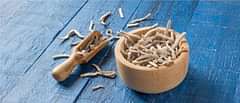
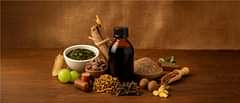
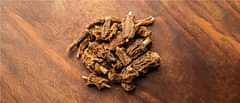
Pushyanug Churna is a classical Ayurvedic powder, traditionally prepared from a blend of herbs and Gairika (red ochre). It is traditionally used to support women’s reproductive and menstrual wellness, and is also used to help ease mild digestive discomfort such as loose stools. Pushyanug Churna is usually taken with water, honey or rice water, and is not intended to treat any diagnosed medical condition on its own.
 50
Last updated on : 26 Oct, 2026
Read time : 12 mins

What is Pushyanug Churna?
Pushyanug Churna takes its name from the Pushya nakshatra, a lunar period in Hindu astrology that classical Ayurvedic tradition associates with preparing this formulation. It is a fine powder (churna) made by combining a number of herbs with Gairika, a mineral ingredient, making it a herbo-mineral preparation. It is described in classical Ayurvedic texts as a formulation for women’s reproductive health, and is also traditionally used for digestive and bleeding-related concerns.
In Ayurveda, Pushyanug Churna is traditionally considered to pacify Pitta and Kapha dosha, and its ingredients are traditionally described as having stambhana (astringent, haemostatic) and grahi (stool-binding) properties.
Key Facts
| Feature | Details |
| Formulation name | Pushyanug Churna |
| Formulation type | Churna (herbo-mineral powder) |
| Composition | A blend of herbs including Patha, Lodhra, Musta, Dhataki and Arjuna, with Gairika (red ochre) |
| Also known as | Pushyanuga Churna
|
| Dosha action | Traditionally considered to pacify Pitta and Kapha dosha
|
| Traditional uses | Supporting women’s reproductive and menstrual wellness, and general digestive comfort |
| Common forms | Powder (churna) |
| General dosage | 3 to 6 g, twice daily, or as directed by an Ayurvedic physician
|
| Best taken | With lukewarm water, honey or rice water, or as directed by an Ayurvedic physician
|
| Key safety note | Not recommended in pregnancy without medical supervision; people with kidney disease, heart problems or diabetes should use only under medical guidance
|
Alternative Names of Pushyanug Churna
Pushyanug Churna is a transliterated classical name, so the main variants are spelling differences rather than separate names:
- Hindi: Pushyanug Churna
- Marathi: Pushyanug Churna
- Tamil: Pushyanug Churnam
- Telugu: Pushyanug Churnam
- Malayalam: Pushyanug Churnam
- Kannada: Pushyanug Churna
- English: Pushyanug Herbal Powder / Pushyanuga Powder
Composition of Pushyanug Churna
Pushyanug Churna is traditionally prepared from the following ingredients:
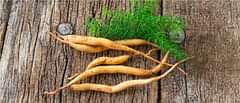
- Patha (Cissampelos pareira)
- Jambu-bija majja (Eugenia jambolana, jamun seed)
- Amra-bija majja (Mangifera indica, mango seed)
- Pasanabheda (Aerva lanata)
- Rasanjana (Berberis aristata)
- Mocharasa (Salmalia malabarica)
- Samanga, also known as Lajjalu (Mimosa pudica)
- Padma kesara, also known as Kamala (Nelumbo nucifera)
- Kumkuma (Crocus sativus, saffron)
- Ativisa (Aconitum heterophyllum)
- Musta (Cyperus rotundus)
- Bilva (Aegle marmelos)
- Lodhra (Symplocos racemosa)
- Gairika (red ochre)
- Katphala (Myrica nagi)
- Maricha (Piper nigrum, black pepper)
- Shunti (Zingiber officinale, ginger)
- Raisins (Vitis vinifera)
- Rakta Chandana (Pterocarpus santalinus)
- Katvanga (Oroxylum indicum)
- Kutaja (Holarrhena antidysenterica)
- Shweta Sariva (Hemidesmus indicus)
- Dhataki (Woodfordia fruticosa)
- Yashti, also known as licorice (Glycyrrhiza glabra)
- Arjuna (Terminalia arjuna)
Chemical Constituents of Pushyanug Churna
The properties associated with Pushyanug Churna are linked to compounds found across its herbal ingredients, including:
- Tannins, contributing to the astringent properties of ingredients such as Lodhra and Dhataki
- Alkaloids, present in ingredients such as Ativisa
- Flavonoids, which are associated with antioxidant activity
Medicinal Properties of Pushyanug Churna
Based on traditional use and the properties of its ingredients, Pushyanug Churna is associated with the following actions:
- Astringent (stambhana): traditionally used to help reduce excessive intestinal secretions and firm loose stools (Shikerkar & Upadhye, 2024)
- Haemostatic: traditionally believed to support the body's ability to control minor bleeding (Shikerkar & Upadhye, 2024)
- Anti-inflammatory: traditionally associated with easing mild inflammation (Rahman et al., 2023)
- Antioxidant: may help protect against oxidative stress in the body's cells (Rahman et al., 2023)
- Digestive (Deepana and Grahi): traditionally believed to support digestion and help maintain firmer stool consistency (Rahman et al., 2023)
These properties are drawn mainly from traditional Ayurvedic use rather than large-scale clinical trials. Pushyanug Churna should not be used to replace prescribed medical treatment, particularly for heavy, prolonged or unexplained bleeding, which needs proper medical assessment.
Key Health Benefits of Pushyanug Churna
Pushyanug Churna is a classical Ayurvedic formulation traditionally used to support women's reproductive and digestive health. It is formulated from a blend of herbs, with traditional uses related to menstrual health, bleeding and bowel comfort. The following are its main traditional uses and potential benefits:

1. Helps Manage Heavy Menstrual Flow (Menorrhagia)
Pushyanug Churna is traditionally prescribed in Ayurveda for women experiencing excessive menstrual bleeding. Herbs such as Lodhra and Dhataki are described in Ayurvedic texts as having haemostatic (stambhana) properties, which may support the body's traditional approach to managing excessive bleeding (Shikerkar & Upadhye, 2024). However, heavy menstrual bleeding can have several underlying causes and requires medical assessment rather than self-treatment.
2. Maintains the Health of the Uterus
Another traditional use of Pushyanug Churna is supporting women's reproductive health. Ingredients such as Patha and Lodhra are traditionally associated with stambhana and astringent actions (Shikerkar & Upadhye, 2024). However, there is insufficient clinical evidence to establish Pushyanug Churna as a treatment for uterine fibroids, uterine prolapse or other structural reproductive conditions.
3. Relieves Digestive Problems
Pushyanug Churna is traditionally used to support digestive health. Ingredients such as Musta and Kutaja are traditionally associated with supporting digestion and helping maintain firmer stools (Jamadagni et al., 2017). However, it should not be used as a substitute for medical treatment of persistent diarrhoea, dysentery or other diagnosed gastrointestinal conditions.
4. Controls Bleeding Disorders
The herbs in Pushyanug Churna are traditionally associated with haemostatic actions and are used in Ayurveda for certain bleeding-related concerns, particularly excessive menstrual bleeding (Shikerkar & Upadhye, 2024). It should not be used to self-treat nosebleeds, bleeding gums, blood in the urine or stools, or unexplained bleeding, as these symptoms require medical assessment.
5. Rejuvenates Post-Natal Recovery
Some ingredients in Pushyanug Churna, including Dhataki, have been studied for anti-inflammatory activity (Rahman et al., 2023). However, postpartum bleeding can require urgent medical attention, and this formulation should only be used during recovery under the guidance of an appropriate healthcare professional.
6. Anti-Inflammatory Activity
Some ingredients in Pushyanug Churna, including Lodhra and Dhataki, have been studied for anti-inflammatory activity. However, these findings do not establish the formulation as a treatment for inflammatory conditions such as endometriosis, fibroids, colitis or irritable bowel syndrome.
7. High Antioxidant Formula
Several ingredients in Pushyanug Churna contain compounds associated with antioxidant activity (Rahman et al., 2023). These may help reduce oxidative stress in laboratory studies, but there is insufficient evidence to show that the finished formulation prevents cancer, cardiovascular disease or other chronic conditions.
8. Hormonal Balance Maintenance
Pushyanug Churna is traditionally used to support menstrual and reproductive health in women. However, there is insufficient robust human evidence to establish that it can regulate hormones, treat PCOS or improve fertility. Persistent menstrual irregularities or other reproductive concerns should be assessed by a healthcare professional.
9. Improves Immune System
Some ingredients in Pushyanug Churna are traditionally associated with supporting general health and immune function. However, evidence that the finished formulation can prevent infections or improve immunity in humans is limited.
10. Supports Digestive Elimination
Pushyanug Churna is traditionally used to support digestion and bowel function. Its Grahi and astringent properties are traditionally associated with helping maintain firmer stools and reducing excessive intestinal secretions (Shikerkar & Upadhye, 2024; Rahman et al., 2023). Claims that it detoxifies the body or removes toxins from specific organs are not supported by robust clinical evidence.
Common Uses of Pushyanug Churna
Pushyanug Churna is traditionally used in the following situations, reflecting when it is taken rather than how it works in the body, which is covered under Key Health Benefits above:
As Part of a Menstrual Wellness Routine
Some women take Pushyanug Churna as part of a general menstrual wellness routine, alongside a doctor’s guidance, rather than as a treatment for a diagnosed menstrual disorder.
Alongside Medical Care for Reproductive Health
It is sometimes used as traditional support alongside, not instead of, a doctor’s care for reproductive health concerns such as uterine fibroids.
For Traditional Support of Vaginal Discharge
It is traditionally used to support general comfort where vaginal discharge is not linked to an infection; discharge caused by an infection needs proper medical diagnosis and treatment, not self-medication.
Useful For Mild, Occasional Loose Stools
It is traditionally used for mild, occasional loose stools. Persistent diarrhoea or dysentery needs medical assessment, particularly in children or if it lasts more than a day or two.
Alongside Medical Advice for Piles
It is traditionally used to support comfort with mild piles. Persistent, painful or bleeding piles need medical assessment and should not be self-managed with this formulation alone.
Under Guidance During the Postpartum Period
It is traditionally used after childbirth, under medical or Ayurvedic practitioner guidance, to support recovery. Heavy or prolonged postpartum bleeding needs immediate medical attention.
For General Astringent Support
It is traditionally used for its astringent properties, but unexplained or persistent bleeding should always be medically assessed rather than self-treated with this formulation.
As Part of a Digestive Wellness Routine
It is used more generally to support digestion as part of a balanced diet and routine.
Following Delivery or Gynaecological Procedures
It is traditionally used, under medical or Ayurvedic practitioner supervision, to support recovery after delivery or a gynaecological procedure, alongside, not instead of, any medical care advised.
Precautions While Taking Pushyanug Churna
Pushyanug Churna may be well tolerated when taken as directed, but the following precautions are worth knowing:
- Pregnancy: Do not take Pushyanug Churna during pregnancy without a doctor’s advice.
- Breastfeeding: Consult a doctor before use while breastfeeding.
- Kidney disease, heart problems or diabetes: Use only under a doctor’s supervision.
- Alcohol: Do not take Pushyanug Churna with alcohol.
- Unexplained or heavy bleeding: If you notice unusually heavy, prolonged or unexplained bleeding from any part of the body, see a doctor promptly rather than relying on this formulation.
- Dosage: Follow the recommended dosage closely, as taking more than advised may increase the risk of side effects.
Recommended Dosage of Pushyanug Churna
Dosage should always be confirmed with a doctor or Ayurvedic practitioner. The following is general guidance only:
Children
Pushyanug Churna is not generally recommended for children unless specifically advised and supervised by a doctor.
Teenagers
Use only under the guidance of a doctor or Ayurvedic practitioner, as this formulation is generally intended for adult use.
Adults
3 to 6 g, twice daily, with lukewarm water, honey or rice water.
Elderly
The same adult dose may be used, though a doctor should be consulted first, especially for anyone with kidney, heart or blood sugar concerns.
Side Effects of Pushyanug Churna
Pushyanug Churna may be well tolerated at the recommended dosage, but excessive or prolonged use may cause the following:
Constipation
Because of its astringent properties, Pushyanug Churna can cause constipation if taken in excess.
Nausea or Stomach Pain
Mild gastrointestinal discomfort may occur in some people.
Allergic Reactions
Rarely, a person may be allergic to one or more of the ingredients in this formulation. Stop use and see a doctor if you notice a rash, itching or difficulty breathing.
Note: Always consult an Ayurvedic practitioner or doctor before using Pushyanug Churna to help reduce the risk of side effects.
Interaction of Pushyanug Churna With Other Drugs
Pushyanug Churna may interact with certain medicines. The main ones to be aware of are:
Blood-Thinning Medicines
Because some ingredients may have effects relevant to bleeding or clotting, combining Pushyanug Churna with blood-thinning medicines such as warfarin or aspirin should only be done under medical supervision (NCCIH, 2024).
Hormonal Medicines
Anyone taking hormonal medicines, including contraceptives, should check with a doctor before use, as interactions with hormonal medicines have not been well established (NCCIH, 2024).
Antidiabetic Medicines
People with diabetes should check with a doctor before use, as noted in the Precautions section (NCCIH, 2024).
Storage of Pushyanug Churna
Store Pushyanug Churna in a cool, dry place, away from direct sunlight and moisture, in a tightly sealed, airtight container. Keep it out of reach of children. Check the expiry date on the pack and do not use it after this date.
Key Takeaways
- Pushyanug Churna is a classical Ayurvedic powder traditionally used to support women’s menstrual and reproductive wellness.
- It is also traditionally used to support digestive comfort, including mild, occasional loose stools.
- Its astringent and haemostatic properties are traditionally associated with supporting the management of minor bleeding, not with treating serious or unexplained bleeding.
- The usual adult dose is 3 to 6 g, twice daily, though children, teenagers and anyone with a chronic health condition should check with a doctor first.
- Pushyanug Churna is not a treatment for diagnosed conditions such as uterine fibroids, PCOS or postpartum haemorrhage, and a doctor should always be consulted for these.
FAQs
Can Pushyanug Churna help with uterine fibroids?
Can Pushyanug Churna help with PCOS?
Can Pushyanug Churna help with loose stools?
Are there dietary guidelines to follow while taking Pushyanug Churna?
Is it safe to use Pushyanug Churna without consulting a doctor?
Can Pushyanug Churna be used for irregular periods?
Can Pushyanug Churna be used for vaginal discharge?
Can Pushyanug Churna be used for endometriosis?
Can Pushyanug Churna be used for a long time?
References
- Rahman, M. M., Soma, M. A., Sultana, N., Hossain, M. J., Sufian, M. A., Rahman, M. O., & Rashid, M. A. (2023). Exploring therapeutic potential of Woodfordia fruticosa (L.) Kurz leaf and bark focusing on antioxidant, antithrombotic, antimicrobial, anti-inflammatory, analgesic, and antidiarrheal properties. Health Science Reports, 6(10), e1654. https://doi.org/10.1002/hsr2.1654
- Shikerkar, P., & Upadhye, G. (2024). Critical review of efficacy of Pushyanug Churna in Raktapradara. Journal of Ayurveda and Integrated Medical Sciences, 9(6), 127–130. https://doi.org/10.21760/jaims.9.6.18
- Jamadagni, P. S., Pawar, S. D., Jamadagni, S. B., Chougule, S., Gaidhani, S. N., & Murthy, S. N. (2017). Review of Holarrhena antidysenterica (L.) Wall. ex A. DC.: Pharmacognostic, pharmacological, and toxicological perspective. Pharmacognosy Reviews, 11(22), 141–144. https://doi.org/10.4103/phrev.phrev_31_16

Explore other categories
Latest health articles





Top Health Essentials




Top-selling ayurvedic products













Disclaimer
Top-Selling Medicines:
...View more
Top-OTC medicines:
...View more
Top-selling healthcare devices:
...View more
Company
About UsHealth ArticleHealth StoriesHealth LibraryDiseases & Health ConditionsAyurvedaUnderstanding Generic MedicinesAll MedicinesAll BrandsNeed HelpFAQSecuritySavings CalculatorAdvertise with UsSubscribe
Registered Office Address
Grievance Officer
Download Truemeds


Contact Us
Our customer representative team is available 7 days a week from 9 am - 9 pm.
v4.28.23

2026 - Truemeds | All rights reserved. Our content is for informational purposes only. See additional information.

Our Payment Partners