

- Medicines
- Personal Care
- Skin Cream
- Sunscreen
- Face Wash
- Skin and Body Soap
- Acne Care
- Body Lotions
- Moisturising Lotion
- Moisturising Cream
- Mosquito Repellent
- Moisturising Gel
- Body Wash
- Hair Oils
- Hair Shampoo
- Hair Conditioners
- Hair Supplements
- Hair Colour
- Hair Serum
- Hair Mask
- Hair Solutions
- Baby Diapers and Wipes
- Baby Lotion and Moisturising Cream
- Baby Bath Essentials
- Baby Skin Care
- Baby and Infant Food
- Baby Healthcare
- Women Multivitamins
- Ovulation Test Kit and Women Intimate Care
- Sanitary Pads
- Nutritional Drinks
- Condoms
- Lubricants
- Massage Gels
- Personal Body Massagers
- Men Performance Booster
- Sexual Health Supplements
- Massage Oils
- Ayurveda
- Tooth Paste
- Mouth Ulcer Gel
- Mouthwash
- Toothache and Gum Pain
- Tooth Brush
- Gargle Solution
- Orthopaedic Supports
- Adult Diapers
- Footwear
- Mobility and Support Accessories
- Urinary Support and Care
- Health Conditions
- Bone and Joint Care
- Digestive Care
- Eye Care
- Pain Relief
- Smoking Cessation
- Liver Care
- Stomach Care
- Cold and Cough
- Heart Care
- Kidney Care
- Piles, Fissures & Fistula
- Respiratory Care
- Mental Wellness
- Derma Care
- Pre and Probiotics
- Acidity
- Gas
- Constipation
- Loose Motion/Diarrhoea
- Digestive Fibres
- Digestive Enzymes
- Eye Lubricant Drops
- Lens Solution
- Safety Eye Wear
- Eye Cream
- Eye Vitamins and Supplements
- Eye Drops
- Eye Ointment and Gel
- Nicotine Patch
- Nicotine Gum
- Nicotine Lozenges
- Cough Syrups
- Chest Rubs and Balms
- Nasal Spray
- Lozenges
- Inhalant Capsules
- Cold and Cough Tablets
- Vitamins & Supplements
- Diabetes Care
- Healthcare Devices
- Homeopathic Medicine
- Health Guide
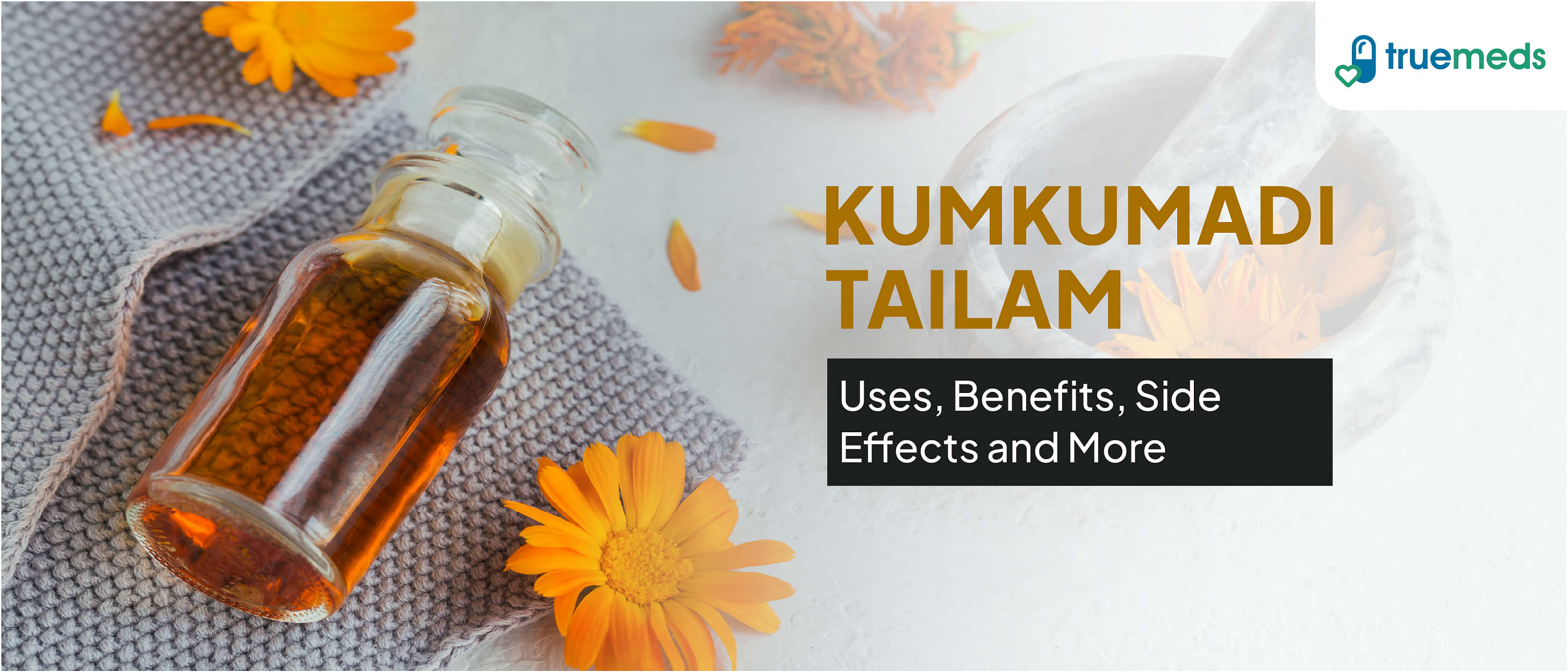
Kumkumadi Tailam: Uses, Benefits, Side Effects and More
Last updated on : 01 Dec, 2025
Read time : 11 min
Kumkumadi Tailam, a time-honoured Ayurvedic formulation, has been cherished in traditional Indian medicine for its reputed skin benefits. This herbal oil, often referred to as saffron oil, is traditionally used to support Varnya (complexion and radiance) and maintain the natural balance of skin health [1]. Crafted from a blend of herbs including Kesar (Saffron, Crocus sativus), Rakta Chandana (Red Sandalwood, Pterocarpus santalinus), and Manjistha (Rubia cordifolia), Kumkumadi Tailam remains a popular addition to holistic skincare routines, valued for its blend of cosmetic and traditional wellness properties. It is essential to understand that while this oil is deeply rooted in traditional practice, its therapeutic efficacy, especially for chronic conditions, should always be discussed with a certified Ayurvedic physician or dermatologist.
Ingredients of Kumkumadi Tailam
Kumkumadi Tailam is composed of a rich blend of natural ingredients traditionally used in Ayurveda. Each component is carefully selected for its reputed skin-supporting properties:
- Saffron Pollen (Crocus sativus): Traditionally valued for its potential to brighten skin tone and support its significant antioxidant activity [2].
- Red Sandalwood (Pterocarpus santalinus): Used in Ayurveda to help improve skin complexion and reduce the appearance of blemishes.
- Manjistha (Rubia cordifolia): Believed to act as a natural skin clarifier and conditioner, often associated with promoting blood purification in Ayurveda.
- Lotus Stamen (Nelumbo nucifera): Known for its traditional use in hydrating and soothing the skin.
- Turmeric (Curcuma longa): Revered for its anti-inflammatory and antibacterial properties in conventional medicine.
- Sesame Oil (Sesamum indicum): A nutrient-rich base oil often used in Ayurvedic formulations to nourish and moisturise the skin, serving as the Tailam Adhara (oil base).
- Goat Milk: Traditionally used to enhance skin softness and hydration, acting as the Drava Dravya (liquid medium) in classical preparation.
- Rose Water: Known in Ayurveda for maintaining skin balance and freshness.
Additional Herbs: Liquorice, Bael, Indian Banyan, Kantakari, Java Fig, Brihati, Lac, Pattanga, Agnimantha, Gambhari, and Prishnaparni. These herbs are traditionally believed to support skin wellness and balance, contributing to the overall harmony of the formulation and balancing the Vata and Pitta doshas.
Together, these ingredients form a synergistic blend that has been traditionally used to support skin health, hydration, and tone.
Properties and Traditional Uses of Kumkumadi Tailam
Kumkumadi Tailam is traditionally celebrated in Ayurveda for its Tridoshic balancing action, particularly on Vata and Pitta doshas, which are believed to influence skin health and appearance. While modern scientific studies on the entire formulation’s effectiveness are limited, its ingredients are known in traditional practices to offer the following potential benefits [1]:
- Supports Skin Radiance (Varnya): Key ingredients like saffron (Kumkuma) and manjistha are traditionally used to improve skin texture, brighten the complexion, and reduce the appearance of Vyanga (pigmentation/blemishes).
- Antioxidant Support: Ingredients like saffron contain compounds such as crocin and crocetin, which are traditionally used to support skin clarity and may help the skin combat environmental stressors like mild sun exposure and pollution [2].
- Soothing & Calming Qualities: The oil has been used in Ayurveda to help calm minor, dry, or irritated skin and support the skin’s natural recovery process due to the presence of cooling herbs like Sandalwood.
- Deeply Moisturising: Sesame oil, goat milk, and rose water contribute to the oil’s deeply nourishing and softening qualities, helping to prevent skin dryness and maintain the skin’s natural barrier.
- Traditional Support for Anti-Aging: Ayurvedic practitioners often recommend Kumkumadi Tailam to maintain skin elasticity and reduce the appearance of fine lines, though scientific evidence for a direct anti-aging effect is still emerging.
Key Traditional Applications
This section has been merged and revised to avoid repetition with “Properties” and “Benefits”.
Kumkumadi Tailam is a traditional Ayurvedic oil that has been used for a variety of wellness applications:
Addressing Uneven Skin Tone (Vyanga):
Key Ayurvedic herbs like saffron and manjistha are traditionally used to address uneven skin tone and pigmentation. Consistent, long-term use may help visibly improve skin clarity; however, it is not a substitute for dermatological care.
Facial Oil for Skin Hydration:
The oil’s rich base is ideal for daily massage (Abhyanga), which is believed to improve local blood circulation and enhance the absorption of the herbal compounds.
Support for Minor Skin Recovery:
Ingredients such as sandalwood and liquorice are used in Ayurveda for their calming and soothing qualities. These may support the skin’s natural recovery process when applied to minor irritations or blemishes, but they must not be used on open or severe wounds/infections.
Traditional Nasya Therapy (Nasal Application):
In Ayurvedic tradition, Nasya refers to the application of herbal oils into the nasal passages to support overall well-being. While some traditional texts mention the use of similar Tailam for Nasya, it is absolutely crucial to consult a certified Ayurvedic practitioner before using any oil nasally, especially Kumkumadi Tailam, for therapeutic or internal purposes.
Caution Against Sun Protection:
While saffron contains antioxidant compounds, Kumkumadi Tailam is NOT a sunscreen. Users must always apply a standard broad-spectrum SPF 30+ for effective UV protection.
How To Make Kumkumadi Tailam
Traditional Ayurvedic methods inspire this simplified version, but it does not follow the complete classical preparation, which involves the intricate Murchana (purification), Kashaya (decoction), and Kalka (paste) processes. For therapeutic use, it is best to consult a certified Ayurvedic practitioner or use formulations from trusted manufacturers.
- Ingredients:
-
- A few strands of saffron
- 1–2 tablespoons of raw milk
- 1 tablespoon each of sandalwood powder, manjistha powder, and liquorice powder
- 100 ml of cold-pressed sesame oil
- Steps:
- Soak the Saffron: Soak saffron strands in milk for a few hours to allow their colour and properties to infuse into the milk.
- Prepare the Herbal Paste: Mix sandalwood, manjistha, and liquorice powders with a little water to form a smooth paste.
- Heat the Oil: Gently heat sesame oil in a heavy-bottomed pan on a low flame.
- Cook the Mixture: Add the herbal paste to the oil and stir continuously. Slowly pour in the saffron-infused milk. Gently simmer the mixture until all the moisture has evaporated (signified by the absence of sputtering) and only the oil remains.
- Strain and Store: Allow the oil to cool, then strain using a fine cloth or filter. Store in a clean, dry glass bottle away from sunlight.
Please note that this is a simplified, home-style version meant for personal use and not intended for medicinal or therapeutic purposes. The classical preparation involves decoctions, herbal infusions, and specific heating protocols that require specialised Ayurvedic training to ensure safety and potency.
How to Apply Kumkumadi Tailam?
To get the best out of Kumkumadi Tailam, follow these steps as part of your evening skincare routine:
- Step-by-Step Application:
- Cleanse: Start by washing your face with a gentle, non-drying cleanser to remove dirt and makeup. Pat dry with a soft towel.
- Apply the Oil: Take 2–3 drops (a small, pea-sized amount) of Kumkumadi Tailam in your palm. Using your fingertips, gently massage it onto your face and neck in upward, circular motions. Focus on areas with pigmentation, dryness, or uneven tone.
- Leave On: Allow the oil to stay on the skin for at least 30 minutes to an hour or, if tolerated, overnight to allow the herbal ingredients to absorb. Individual experiences vary significantly; it is recommended to monitor your skin’s response.
- Rinse (Optional): For individuals with Oily (Kapha) or combination skin, gently rinsing the oil with lukewarm water or a mild cleanser after a few hours is often recommended by practitioners to prevent pore clogging.
- Usage Frequency:
- Start with once daily, preferably at night.
- If your skin tolerates it well, you may gradually increase to twice daily.
- For sensitive or acne-prone skin, always consult a dermatologist or Ayurvedic practitioner before daily use.
- Points to Remember:
- Always do a patch test before first use (e.g., on the inner forearm) to check for sensitivity.
- Avoid direct application on active acne, open wounds, or broken skin.
- Store the oil in a cool, dry place, away from sunlight, to preserve potency.
Side Effects and Precautions of Kumkumadi Tailam
While Kumkumadi Tailam is generally considered safe for most skin types when used as directed, it’s important to be aware of possible side effects, especially if you have sensitive or acne-prone skin.
1. Increased Oiliness or Breakouts (Acne Exacerbation)
Overuse or use on oily/acne-prone skin (Kapha-predominant skin) may lead to clogged pores, which can contribute to breakouts or a greasy skin texture.
Safety Tip: If you have pre-existing acne (Yuvana Pidika), consult a dermatologist or Ayurvedic physician before use, as oil-based products can sometimes aggravate the condition. Start with small amounts (2–3 drops) and consider rinsing it off after an hour.
2. Allergic Reactions or Sensitivity
People with sensitive skin or herbal allergies may experience reactions such as rashes, redness, itching, or small pimples.
Safety Tip: Always perform a patch test on a small, discreet area before applying to the entire face. Discontinue use immediately if any irritation occurs.
3. Eye Irritation
Avoid contact with the eyes. If the oil gets into your eyes, it may cause a burning or stinging sensation.
If contact occurs, rinse thoroughly with clean water and seek medical advice if irritation persists.
4. Consultation for Specific Conditions
Consult during Pregnancy and Breastfeeding: Although made from natural ingredients, it is advisable for pregnant or breastfeeding women to consult a healthcare provider or Ayurvedic practitioner before using Kumkumadi Tailam, especially for regular or long-term use.
Interaction with Medications: There is limited scientific data on interactions with pharmaceutical medications. If you are using prescription topical treatments (e.g., retinoids, steroid creams, or antibiotics), consult your prescribing doctor or dermatologist before using Kumkumadi Tailam to avoid adverse interactions.
5. Disclaimer for Internal Use
Kumkumadi Tailam is primarily a topical application. Do not use the oil internally, for Nasya, or on broken/inflamed skin unless specifically advised and guided by a certified Ayurvedic practitioner with experience in these therapeutic applications.
Summary
Kumkumadi Tailam is a traditional Ayurvedic oil known for supporting overall skin health. Made with ingredients like saffron, sandalwood, and manjistha, it is traditionally used to improve skin texture, reduce the appearance of pigmentation, and promote a natural glow. While it is a revered formulation in Ayurveda for Varnya (complexion), its effect is individual and gradual. It’s best used with guidance, especially if you have sensitive skin or existing skin conditions.
Expert Quote:
“Kumkumadi Tailam is one of Ayurveda’s most revered facial oils, traditionally used to support skin clarity and balance. Its blend of herbs, including saffron, manjistha, and sandalwood, has been valued for centuries, not as a quick fix, but as a natural approach to maintaining healthy, radiant skin over time.”
-Dr. Boban Raju
Frequently Asked Questions (FAQ)
Can I apply Kumkumadi Tailam daily?
Yes, it can be applied daily, preferably at night. However, individuals with oily or Kapha-dominant skin should start with less frequent use (e.g., 2-3 times per week) to avoid breakouts.
Does Kumkumadi oil really work?
Traditional Ayurvedic texts and clinical experience support its effectiveness for enhancing Varnya (complexion) and reducing the appearance of blemishes [1]. It possesses known antioxidant and calming properties from its ingredients, but individual results vary greatly.
What is Kumkumadi Tailam used for?
It is primarily used in skincare to enhance skin texture, moisturise dry skin, and reduce the visible appearance of marks and uneven pigmentation for a natural glow.
Who should not use Kumkumadi Tailam?
Individuals with severe acne, active skin infections, or broken skin should avoid its use. Those with very sensitive or oily skin should use it sparingly and always perform a patch test first.
Can Kumkumadi oil lighten skin?
The traditional use of ingredients like saffron (Kumkuma) is to brighten the complexion and reduce the appearance of dark spots/pigmentation (Vyanga) [2]. It supports a more even skin tone rather than acting as a skin-whitening agent.
How to use Kumkumadi Tailam for the best results?
Apply 2-3 drops on a cleansed face and neck, massage gently in upward strokes, and leave it on for at least an hour or overnight if your skin tolerates it. Consistency is key for observing benefits.
Why is Kumkumadi Tailam expensive?
Its cost is primarily due to the inclusion of high-value, natural ingredients like Kashmiri Saffron (Kesar) and Red Sandalwood (Rakta Chandana), which are costly to source and require an intricate, time-consuming classical Ayurvedic preparation process.
Can I apply Kumkumadi oil on my lips?
Yes, it can be applied to the lips to moisturise and support the appearance of a soft, even lip tone, as long as there is no pre-existing sensitivity.
References
[1] Pimparkar, P. P., & Shirpurkar, R. M. (2025). An Ayurvedic approach on Kumkumadi Taila and its role in enhancing Varnya. Journal of Ayurveda and Integrated Medical Sciences, 10(4), 255–258. https://doi.org/10.21760/jaims.10.4.38
[2] Damayanti, G. S., & Riyanto, P. (2023). Literature review: The role of saffron (Crocus sativus L) in cosmetic dermatology. Jurnal Kedokteran Diponegoro (Diponegoro Medical Journal), 12(6), 40711. https://doi.org/10.14710/dmj.v12i6.40711













Disclaimer
Our healthcare experts have carefully reviewed and compiled the information presented here to ensure accuracy and trustworthiness. It is important to note that this information serves as a general overview of the topic and is for informational purposes only. It is not intended to diagnose, prevent, or cure any health problem. This page does not establish a doctor-patient relationship, nor does it replace the advice or consultation of a registered medical practitioner. We recommend seeking guidance from your registered medical practitioner for any questions or concerns regarding your medical condition.
Popular Articles


Recommended Articles



Recent Articles









Company
About UsHealth ArticleHealth StoriesDiseases & Health ConditionsAyurvedaAll MedicinesAll BrandsNeed HelpFAQSecuritySubscribe
Registered Office Address
Grievance Officer
Download Truemeds


Contact Us
Our customer representative team is available 7 days a week from 9 am - 9 pm.
v4.8.0

2025 - Truemeds | All rights reserved. Our content is for informational purposes only. See additional information.

Our Payment Partners