

- Medicines
- Personal Care
- Skin Cream
- Sunscreen
- Face Wash
- Skin and Body Soap
- Acne Care
- Body Lotions
- Moisturising Lotion
- Moisturising Cream
- Mosquito Repellent
- Moisturising Gel
- Body Wash
- Hair Oils
- Hair Shampoo
- Hair Conditioners
- Hair Supplements
- Hair Colour
- Hair Serum
- Hair Mask
- Hair Solutions
- Baby Diapers and Wipes
- Baby Lotion and Moisturising Cream
- Baby Bath Essentials
- Baby Skin Care
- Baby and Infant Food
- Baby Healthcare
- Women Multivitamins
- Ovulation Test Kit and Women Intimate Care
- Sanitary Pads
- Nutritional Drinks
- Condoms
- Lubricants
- Massage Gels
- Personal Body Massagers
- Men Performance Booster
- Sexual Health Supplements
- Massage Oils
- Ayurveda
- Tooth Paste
- Mouth Ulcer Gel
- Mouthwash
- Toothache and Gum Pain
- Tooth Brush
- Gargle Solution
- Orthopaedic Supports
- Adult Diapers
- Footwear
- Mobility and Support Accessories
- Urinary Support and Care
- Health Conditions
- Bone and Joint Care
- Digestive Care
- Eye Care
- Pain Relief
- Smoking Cessation
- Liver Care
- Stomach Care
- Cold and Cough
- Heart Care
- Kidney Care
- Piles, Fissures & Fistula
- Respiratory Care
- Mental Wellness
- Derma Care
- Pre and Probiotics
- Acidity
- Gas
- Constipation
- Loose Motion/Diarrhoea
- Digestive Fibres
- Digestive Enzymes
- Eye Lubricant Drops
- Lens Solution
- Safety Eye Wear
- Eye Cream
- Eye Vitamins and Supplements
- Eye Drops
- Eye Ointment and Gel
- Nicotine Patch
- Nicotine Gum
- Nicotine Lozenges
- Cough Syrups
- Chest Rubs and Balms
- Nasal Spray
- Lozenges
- Inhalant Capsules
- Cold and Cough Tablets
- Vitamins & Supplements
- Diabetes Care
- Healthcare Devices
- Homeopathic Medicine
- Health Guide
Ashokarishta
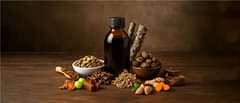
Ashokarishta is a classical Ayurvedic fermented liquid preparation made from a decoction of Ashoka bark with jaggery and supporting herbs. Fermentation naturally produces alcohol, which contributes to extraction and preservation. The alcohol content varies between products and should be checked on the label. In Ayurveda, it is traditionally used in the management of certain menstrual complaints, although strong clinical evidence is lacking. It should be used under the guidance of a qualified Ayurvedic practitioner rather than started without professional advice.
 50
50Last updated on : 18 Aug, 2026
Read time : 24 mins
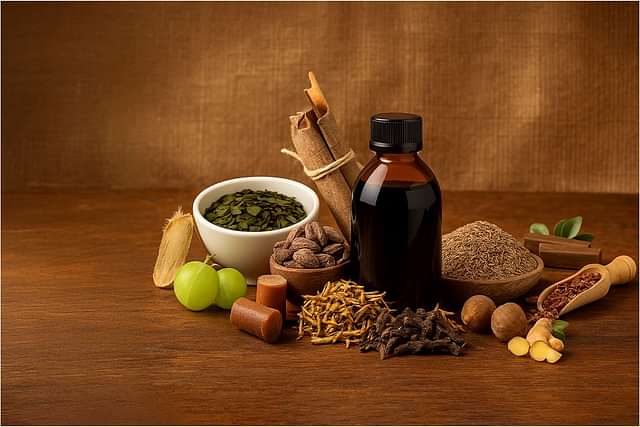
What is Ashokarishta?
The name Ashokarishta joins two words. Ashoka is the tree whose bark forms the base of the preparation, and arishta is the Ayurvedic term for a medicine made by fermenting a herbal decoction. Ashoka itself means "without sorrow" in Sanskrit. The formulation is recorded in the classical compendium Bhaishajya Ratnavali, in the chapter on diseases of women, where the bark decoction is combined with jaggery, Dhataki flowers as the fermenting agent, and a group of supporting herbs added as prakshepa dravyas.
Fermentation distinguishes an arishta from a decoction or syrup. Dhataki flowers are traditionally used to facilitate the fermentation of the sweetened decoction, during which alcohol is naturally produced. The alcohol contributes to extraction and preservation, while product stability also depends on manufacturing, packaging, and storage. Ashokarishta is therefore a fermented liquid preparation rather than a syrup.
In Ayurvedic practice, Ashokarishta is traditionally associated with menstrual health and is also used for certain digestive complaints.
Key Facts
| Feature | Details |
| Formulation name | Ashokarishta |
| Formulation type | Arishta, a fermented liquid preparation made from a herbal decoction. It contains naturally produced alcohol and jaggery. |
| Classical reference | Bhaishajya Ratnavali, chapter on diseases of women (Strirogadhikara) |
| Composition | Decoction of Ashoka bark, jaggery, Dhataki flowers as the fermenting agent, and the supporting herbs Musta, Shunthi, Shweta Jiraka, Krishna Jiraka, Daruharidra, Utpala, Haritaki, Bibhitaki, Amalaki, Amrasthi, Vasa and Chandana |
| Classical proportion | Classical quantities are scaled during manufacture. The exact proportions should match the authoritative formulation standard used by the manufacturer.
|
| Also known as | Ashokarishtam, Ashokarisht, Asokarishtam. These are spelling variants of one Sanskrit name, not separate names.
|
| Key active compounds | Tannins and catechins from Ashoka bark, chiefly gallic acid, catechin and epicatechin, together with flavonoids and glycosides from the supporting herbs, plus ethanol produced during fermentation and residual sugars from jaggery |
| Dosha action | Traditionally associated with balancing Vata and Pitta in the context of menstrual and digestive complaints. |
| Traditional uses | Traditionally used in the management of certain menstrual complaints and for digestive support; strong clinical evidence is lacking.
|
| Common forms | The classical arishta dosage form is a fermented liquid preparation. |
| General dosage | Dosage varies by product, age and clinical indication. Follow the product label or the dose prescribed by a qualified Ayurvedic practitioner.
|
| Best taken | Take and dilute it according to the product label or practitioner's instructions. |
| Key safety note | Contains naturally produced alcohol, and residual sugar may remain after fermentation. Check the product label. Avoid use during pregnancy. Children, people who need to avoid alcohol, and people with liver disease or diabetes should seek professional advice before use. Heavy, irregular or unusual bleeding requires medical assessment. |
Alternative Names of Ashokarishta
Ashokarishta is a Sanskrit formulation name that is transliterated rather than translated, so the variations used across India are mainly spelling and transliteration variants of the same name rather than separate regional names.
● Ashokarishta, the spelling used in most Indian pharmacopoeial and manufacturing contexts
● Ashokarishtam, the form commonly used in Kerala and Tamil Nadu, where the final “-am” is retained
● Ashokarisht, a shortened Hindi spelling
● Asokarishtam or Asokaristam, variants that omit the “h” from Ashoka
● Ashoka Arishta, written as two words
The name itself joins Ashoka, the tree that supplies the bark, with arishta, the Ayurvedic term for a fermented preparation.
Composition of Ashokarishta
The classical formula uses one principal herb, a sweetening base, a fermenting agent and a group of supporting herbs known as prakshepa dravyas. All of them are listed below.
| Ingredient | Botanical source | Role in the formulation |
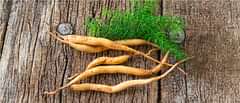
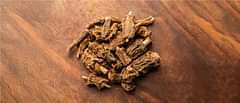
| Ashoka bark | Saraca asoca | The principal ingredient, used as a decoction. Its tannins and catechins contribute to the astringent character of the preparation. |
| Jala | Water | The decoction medium. Classically 49.152 L is reduced to 12.288 L. |
| Guda | Jaggery | The sugar base that the fermentation acts on. It is the source of the sugars used during fermentation and contributes to the residual sugar content. |
| Dhataki | Woodfordia fruticosa, flower | Traditionally used to facilitate fermentation of the sweetened decoction, during which alcohol is naturally produced. |
| Musta | Cyperus rotundus, rhizome | A supporting herb traditionally used to support appetite and digestion. |
| Shunthi | Zingiber officinale, dried ginger | A supporting herb, traditionally used to support digestion. |
| Shweta jiraka | Cuminum cyminum, cumin | A supporting herb, traditionally used to support digestion and relieve flatulence. |
| Krishna jiraka | Nigella sativa or Carum carvi | A supporting herb, traditionally used to support digestion and relieve flatulence. |
| Daruharidra | Berberis aristata, stem | A supporting herb and a source of berberine. |
| Utpala | Nymphaea stellata, flower | A supporting herb, traditionally described as cooling. |
| Haritaki | Terminalia chebula, fruit | One of the three fruits of Triphala |
| Bibhitaki | Terminalia bellirica, fruit | One of the three fruits of Triphala |
| Amalaki | Emblica officinalis, fruit | One of the three fruits used in Triphala; its contribution to the finished formulation depends on its quantity and the manufacturing process. |
| Amrasthi | Mangifera indica, mango seed kernel | A supporting herb, traditionally valued for its astringent properties. |
| Vasa | Adhatoda vasica, leaf | A supporting herb, traditionally used in preparations for bleeding-related complaints. |
| Chandana | Santalum album, white sandalwood | A supporting herb, traditionally described as cooling. |
Key Ingredients Used in Making Ashokarishta
Ashokarishta syrup is made up of several ingredients:
- Ashoka Bark (Saraca asoca): The main ingredient, historically known for its uterine health benefits.
- Dhataki (Woodfordia fruticosa): Aids the natural fermentation process and enhances the tonic’s medicinal properties.
- Mustaka (Cyperus rotundus): Traditionally used to support digestion and help balance hormones.
- Haritaki (Terminalia chebula): Known for its detoxifying and rejuvenating properties.
- Jaggery: Used as a natural sweetener and the fermenting agent; this is the source of the high sugar content.
Medicinal Properties of Ashokarishta
Astringent (Kashaya): The tannins in Ashoka bark contribute to its astringent properties.
● Rakta-stambhana: traditionally associated with managing excessive bleeding in Ayurvedic practice; a clinically established hemostatic effect has not been demonstrated.
● Garbhashaya Balya: traditionally described in Ayurveda as supportive of uterine health. This should not be interpreted as a clinically proven effect on uterine structure or function.
● Antispasmodic activity has been investigated for some ingredients in preclinical studies, but an effect on menstrual cramps has not been confirmed in clinical trials of Ashokarishta.
● Anti-inflammatory activity has been reported mainly in laboratory and animal studies; its clinical relevance to the finished formulation is uncertain.
● Antioxidant activity has been reported in laboratory studies of Ashoka and fermented formulations, but this does not establish a clinical antioxidant benefit.
● Digestive stimulant (Deepana and Pachana): traditionally associated with supporting appetite and digestion, with this action attributed mainly to Musta, Shunthi, and the two cumins.
● Possible hormone-related activity has been reported in preclinical studies of different Saraca asoca extracts, with findings varying by plant part and experimental model. Its clinical relevance to Ashokarishta is unknown.
These properties come mainly from classical Ayurvedic descriptions and laboratory studies. Good-quality human trials of Ashokarishta on its own are lacking, so these properties should not be interpreted as established clinical effects in women.
Chemical Constituents of Ashokarishta
The compounds below have been reported in Ashoka bark, the supporting herbs and, in some cases, the finished preparation.
● Ethanol, naturally produced during fermentation. It acts as an extraction medium and contributes to preservation.
● Gallic acid, catechin, and epicatechin have been reported in Ashoka bark and used as analytical markers. Their concentrations in finished Ashokarishta products may vary.
● Condensed tannins from Ashoka bark, which contribute to the astringent character of the preparation.
● Flavonoids and flavonoid glycosides.
● Sugars remaining from the jaggery after fermentation, chiefly sucrose, glucose, and fructose.
● Organic acids formed during fermentation.
● Potential ingredient-derived compounds include berberine from Daruharidra.
● Potential ingredient-derived compounds include gingerols and shogaols from Shunthi.
● Potential ingredient-derived compounds include chebulinic and chebulagic acids from Haritaki.
● Potential ingredient-derived compounds include vasicine from Vasa.
The phenolic markers gallic acid, catechin, and epicatechin have been used in published analytical studies to help distinguish genuine Ashoka bark from common adulterants (Hegde et al., 2017).
Key Health Benefits of Ashokarishta
Ashokarishta is traditionally used for menstrual and reproductive health, with additional traditional uses related to digestion. Evidence for these effects in humans remains limited. Here are the essential health benefits of Ashokarishta:
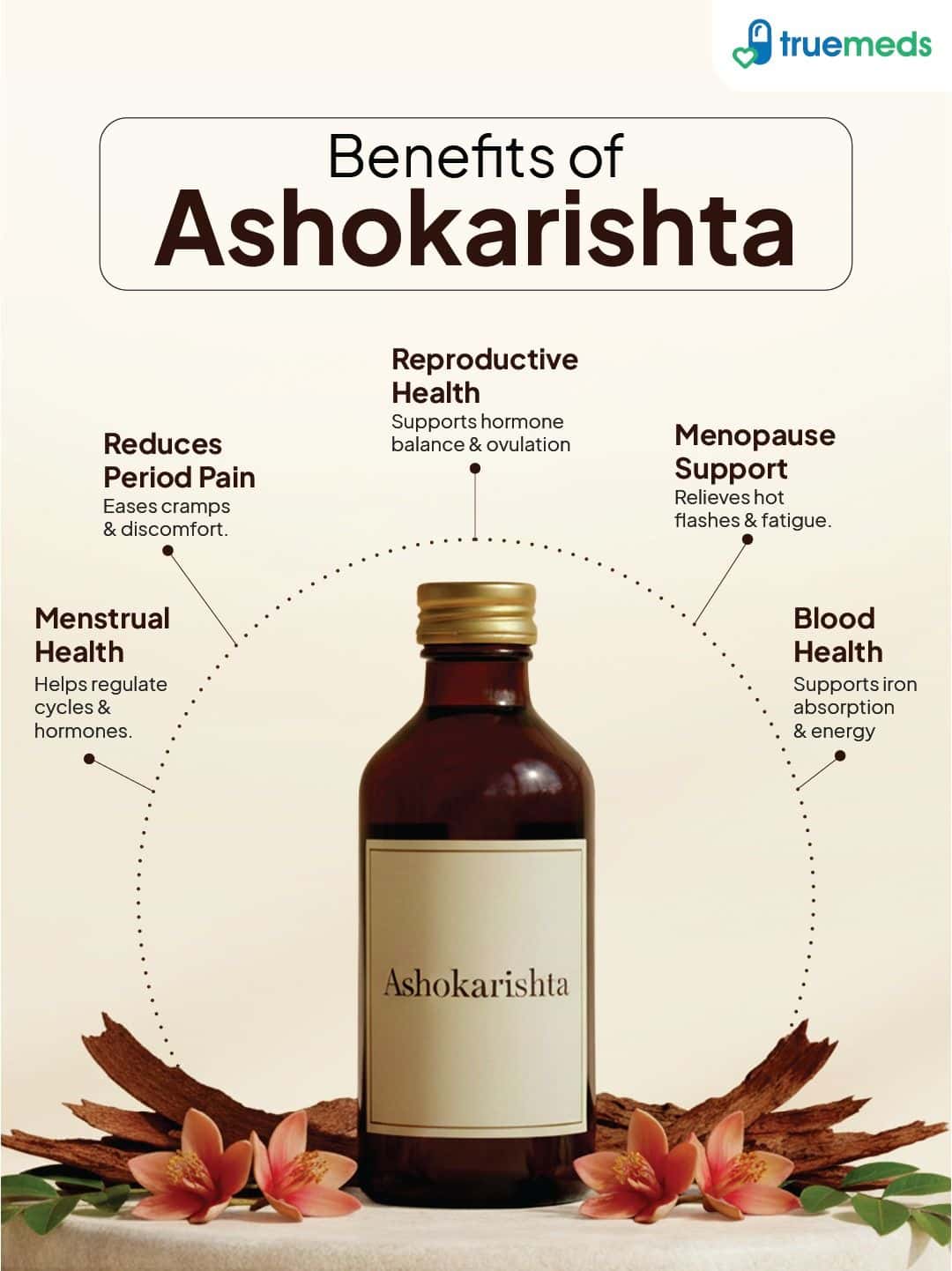
Traditional Use in Heavy Menstrual Flow
Ashoka bark contains tannins and catechins. Ayurveda traditionally associates the formulation with Rakta-stambhana, but a direct astringent effect on the human uterine lining has not been established. Heavy menstrual bleeding requires medical assessment to identify the underlying cause.
Traditionally Used to Ease Period Cramps
Ashokarishta is traditionally used for painful periods, and several supporting herbs are associated with digestive or antispasmodic actions in traditional practice. However, clinical evidence that the finished formulation relieves menstrual cramps is insufficient.
Studied Alongside Other Medicines in Menopausal Symptoms
One clinical study reported a reduction in menopausal symptoms, but it gave Ashokarishta together with Ashwagandha Churna and Praval Pishti (Modi et al., 2012). Because three medicines were given at once, the effect cannot be attributed to Ashokarishta alone, and the trial was small. Larger clinical trials evaluating Ashokarishta alone are lacking.
Digestive Support From the Supporting Herbs
Musta, Shunthi, and the cumin ingredients are traditionally associated with digestion. Taking the formulation after food may improve gastrointestinal tolerability, but this does not establish treatment efficacy for digestive disorders.
Antioxidant Activity Shown in Laboratory Testing
Laboratory testing has found antioxidant activity in fermented Ayurvedic preparations, including Ashokarishta, attributed to the phenolic compounds extracted during fermentation (Annadurai & Soundarapandian, 2018). This is a laboratory finding. It does not establish that the preparation produces an antioxidant benefit in a person taking it.
Note: Ashokarishta is a medicine, not a wellness drink, and it contains alcohol. It should be taken on the advice of a qualified Ayurvedic practitioner. Heavy, irregular or unusual bleeding needs a medical diagnosis before any tonic is started, because the cause has to be identified first.
Common Uses of Ashokarishta
Ashokarishta is traditionally used for menstrual and reproductive health, with some additional uses related to digestion and recovery.
In Traditional Management of Menstrual Complaints
Ashokarishta is traditionally used for heavy, irregular or painful periods. However, these symptoms can have several causes, including fibroids, polyps, thyroid disorders and bleeding disorders. The underlying cause should be assessed before using Ashokarishta for menstrual symptoms.
During the Menopausal Transition
Ashokarishta has been evaluated as part of a combination regimen for menopausal symptoms. Because the study used Ashwagandha Churna and Praval Pishti at the same time, it does not establish that Ashokarishta alone relieves hot flushes, mood changes or tiredness.
As a Uterine Tonic During Recovery
Postpartum use should be considered only after individual assessment by the treating healthcare professional, particularly where bleeding, anaemia, breastfeeding, or concurrent medicines are relevant. Ashokarishta should not be used during pregnancy.
Alongside Digestive Complaints During Menstruation
Musta, Shunthi and the cumin ingredients are traditionally used to support digestion. Ashokarishta may therefore be prescribed when bloating, poor appetite or digestive discomfort occur alongside menstrual complaints. This is a traditional use and does not establish Ashokarishta as a treatment for digestive disorders.
Precautions While Taking Ashokarishta
Ashokarishta contains alcohol and a large amount of sugar, and those two facts drive most of the precautions below.
When to Seek Medical Advice First
Consult a doctor before using Ashokarishta if you have very heavy or prolonged periods, bleeding between periods, bleeding after sex, or any vaginal bleeding after menopause. Heavy bleeding accompanied by breathlessness, dizziness or unusual tiredness also needs medical assessment. These symptoms can have several causes, including fibroids, polyps, thyroid disorders, bleeding disorders and changes in the lining of the womb, which may require specific treatment.
During Pregnancy
Avoid Ashokarishta during pregnancy because it contains naturally produced alcohol and its safety in pregnancy has not been established. If you are pregnant or think you may be pregnant, consult your doctor before using it.
While Breastfeeding
Safety during breastfeeding has not been established. Seek advice from the treating healthcare professional before use because the preparation contains alcohol.
If You Avoid Alcohol
Ashokarishta contains naturally produced alcohol. This may make it unsuitable for people who avoid alcohol for personal, religious or medical reasons, including those recovering from alcohol dependence. Ask your practitioner about a suitable non-fermented alternative.
If You Have Liver Disease
Consult your doctor before taking Ashokarishta if you have liver disease, abnormal liver function tests or a history of liver problems. The formulation contains alcohol, which is processed by the liver.
If You Have Diabetes
Jaggery is a major ingredient in Ashokarishta, so regular doses can contribute to blood glucose levels. If you have diabetes or prediabetes, consult the doctor managing your condition before starting it and monitor your blood glucose as advised.
In Children and Teenagers
Ashokarishta contains alcohol, so it should not be given to children or teenagers as a home remedy. If an Ayurvedic practitioner considers it appropriate for a young person, the dose should be individually assessed and supervised rather than calculated by reducing the adult dose.
Before Driving or Operating Machinery
The alcohol content may affect some people, particularly when combined with medicines that cause drowsiness. Avoid driving or operating machinery if you feel dizzy, drowsy or otherwise impaired after taking Ashokarishta.
Choosing a Product
Ashoka bark can be subject to adulteration or substitution with other plant material. Published analytical research has identified the need for authentication of Ashoka bark and highlighted variation in the ethanol content of commercial Ashokarishta products (Hegde et al., 2017); (Kumar et al., 2018). Choose a sealed product from a licensed Ayurvedic manufacturer and check the label for the ingredient list, batch number and alcohol content. Avoid loose or unlabelled products.
Note: These precautions are general guidance and do not replace advice from a registered medical practitioner or qualified Ayurvedic practitioner. Consult a healthcare professional before using Ashokarishta if you are pregnant, breastfeeding, taking regular medication or have a long-term health condition.
How to Use Ashokarishta
Ashokarishta is supplied as a liquid only, and how it is measured, diluted, and timed makes a real difference to how well it is tolerated.
Measuring the Dose
Use the cap supplied with the bottle or a marked medicine measure rather than a kitchen spoon. Follow the product-specific dose or the amount prescribed by a qualified Ayurvedic practitioner. Shake gently before measuring only if instructed on the label.
Diluting Before You Drink It
Dilute the prescribed or labeled dose according to the directions supplied with the product. Take the diluted preparation soon after mixing rather than storing it for later use.
Timing Doses Around Food
Take Ashokarishta at the time stated on the product label or prescribed by your practitioner. If it causes stomach discomfort when taken on an empty stomach, seek advice about taking it after food. If you miss a dose, take the next dose at the usual time and do not double it.
Knowing How Long to Continue
Ask your practitioner how long you should take Ashokarishta and when your treatment should be reviewed. Do not continue it indefinitely without medical or Ayurvedic review, particularly because it contains naturally produced alcohol.
Note: These are general instructions. The dose and the length of the course should be set by a qualified Ayurvedic practitioner, and any change in your bleeding pattern should be reported to a doctor.
Medicines Traditionally Used With Ashokarishta
Ashokarishta is traditionally combined with other medicines based on the individual's symptoms and Ayurvedic assessment. The medicines below are among those traditionally used alongside it.
| Medicine | Why it is traditionally combined with Ashokarishta |
| Shatavari (Asparagus racemosus) | Shatavari is a traditionally nourishing herb for the female reproductive system. It may be used where the Ayurvedic assessment suggests depletion and tiredness rather than excess bleeding, complementing Ashokarishta's astringent properties. |
| Lodhra (Symplocos racemosa) | Another astringent bark traditionally used in gynaecological practice. It may be combined where the traditional aim is to manage discharge and heavy menstrual flow, working in a similar direction to Ashoka. |
| Pushyanuga Churna | Pushyanuga Churna is a classical Ayurvedic formulation traditionally used for gynaecological complaints. It may be prescribed with Ashokarishta where both discharge and heavy menstrual bleeding are present. |
| Dashamularishta | Another arishta traditionally used after childbirth. Practitioners may use either preparation or combine them during recovery, although the combined alcohol content should be considered. |
| Lohasava | An iron-containing fermented preparation traditionally used where low haemoglobin is associated with heavy menstrual bleeding. A practitioner should determine whether it is appropriate, and prescribed conventional iron treatment should not be stopped without medical advice. |
| Kumaryasava | A fermented aloe-based preparation traditionally used for menstrual complaints with sluggish digestion. As it is another fermented medicine, total alcohol intake should be considered. |
Note: These combinations come from traditional practice. Do not put together your own regimen. A qualified Ayurvedic practitioner should decide which medicines suit you, and you should be told about everything else you are taking.
Recommended Dosage of Ashokarishta
The appropriate dose depends on the product, age, health status and reason for use. Because Ashokarishta contains naturally produced alcohol, follow the product label or the dose prescribed by a qualified Ayurvedic practitioner.
| Group | Usual dosage | Points to keep in mind |
| Children under 12 | Not without a prescription | If an Ayurvedic practitioner considers it appropriate, the dose should be individually calculated and diluted. Never reduce the adult dose yourself. |
| Teenagers, 13 to 18 years | Practitioner-set dose only | Heavy, painful or irregular periods in teenagers should be assessed by a doctor to identify the underlying cause before treatment is started. |
| Adults, 19 to 64 years | 15 to 30 ml twice daily, diluted with an equal quantity of water and taken after food | Start at the lower end of the recommended range and follow the product label or practitioner's advice. |
| Older adults, 65 and over | Usually start at the lower end of the adult range | Regular medicines, liver function and other health conditions should be reviewed before use. |
| Pregnancy | Do not use | Ashokarishta contains naturally produced alcohol and should not be used during pregnancy. |
| Breastfeeding | Only on medical advice | Alcohol can pass into breast milk, and there is limited safety information for this formulation during breastfeeding. |
| Diabetes, liver disease, or alcohol avoidance | Individual assessment required | The jaggery and alcohol content may make Ashokarishta unsuitable. Consult your doctor or practitioner before use and ask whether a non-fermented alternative is appropriate. |
Note: This dosage information is for general reference only and does not replace advice from a registered medical practitioner or qualified Ayurvedic practitioner. Follow the dosage on the specific product label or the dose prescribed for you, particularly if you are pregnant, breastfeeding, taking regular medicines or have a long-term health condition.
Side Effects of Ashokarishta
Ashokarishta may cause adverse effects related to its herbal ingredients, residual sugar or naturally produced alcohol. The type and frequency of adverse effects are not well established and may vary between products.
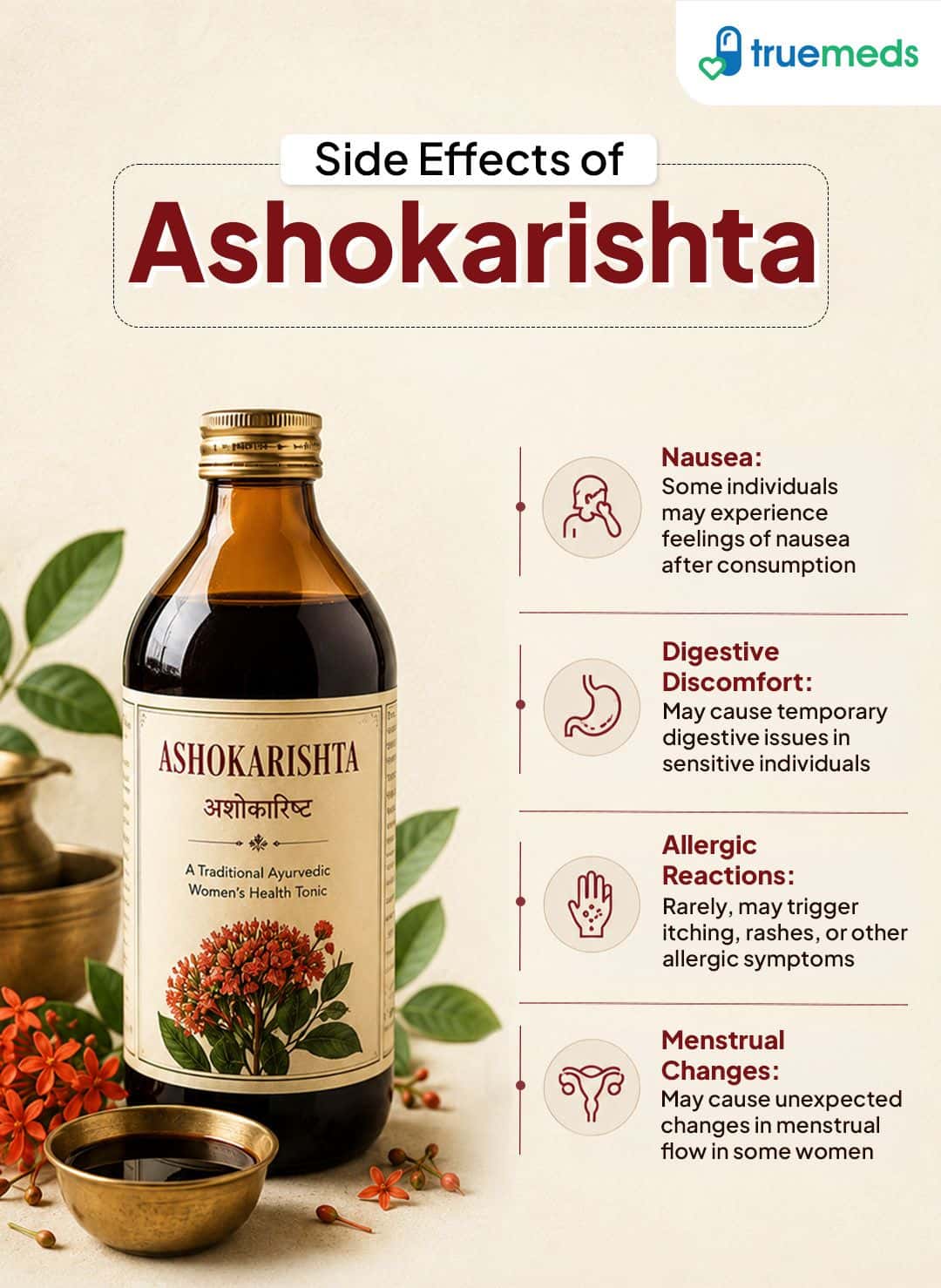
Nausea and Stomach Upset
Some people may experience nausea or stomach discomfort. Follow the administration directions on the label and stop use and seek advice if symptoms are persistent or severe.
Effects Related to the Alcohol Content
Alcohol-related effects such as light-headedness or drowsiness may occur in sensitive individuals or when the preparation is combined with alcohol or sedating medicines. The effect depends on the product's alcohol content and dose. Do not drive or operate machinery if you feel affected.
Possible Effect on Blood Glucose
Residual sugar may be present after fermentation. Its effect on glucose management depends on the product's sugar content and dose. People with diabetes or prediabetes should consult their doctor before use and monitor blood glucose as advised.
Changes in Menstrual Bleeding
Changes in menstrual bleeding should not automatically be assumed to be an expected effect of Ashokarishta. Heavier bleeding, prolonged bleeding or bleeding between periods needs medical assessment rather than an increase or decrease in the dose.
Constipation or Loose Stools
Digestive adverse effects may include nausea or abdominal discomfort. Add constipation or loose stools only if supported by product-specific safety information. Stop the preparation and seek advice for persistent or severe symptoms.
Allergic Reactions
Allergic reactions are possible with any multi-ingredient herbal preparation. Symptoms may include itching, rash or swelling of the face, lips or tongue. Stop taking it and seek medical advice if these symptoms occur. Seek urgent medical attention if you develop difficulty breathing or severe swelling.
Problems Caused by an Adulterated Product
Ashoka bark may be substituted or adulterated with other plant material. A poorly manufactured or incorrectly labelled product may therefore cause unexpected effects or contain ingredients that are not listed on the label. Choose a sealed product from a licensed Ayurvedic manufacturer and check the ingredient list and batch details.
Note: Stop taking Ashokarishta and seek urgent medical attention if you develop difficulty breathing, severe swelling of the face, lips or tongue, very heavy bleeding or any vaginal bleeding after menopause. Tell the healthcare professional that you have been taking Ashokarishta and take the product packaging with you if possible.
Interaction of Ashokarishta With Other Drugs
Ashokarishta contains naturally produced alcohol, residual sugar and multiple herbal ingredients. Some interaction concerns relate to these constituents, while clinical interaction studies of the finished formulation are limited.
Disulfiram and Medicines With Alcohol-Avoidance Instructions
Disulfiram can cause a serious reaction when alcohol is consumed. Because Ashokarishta contains alcohol, people taking disulfiram or medicines carrying an alcohol-avoidance warning should follow the medicine-specific instructions and ask their prescriber when it is safe to use or restart Ashokarishta.
Iron Supplements
Ashoka bark contains tannins, which can reduce the absorption of non-haem iron when consumed together. If you are taking iron supplements for iron deficiency or anaemia, consult your doctor or pharmacist about how to space the doses and whether Ashokarishta is appropriate for you.
Medicines That Cause Drowsiness
Ask a pharmacist before combining Ashokarishta with medicines that cause drowsiness, as its alcohol content may increase sedative effects in some people. Do not drive or operate machinery if you feel drowsy or light-headed.
Diabetes Medicines
People taking diabetes medicines should check the product's sugar content and monitor blood glucose according to their clinician's advice.
Hormone Therapy and Hormonal Contraceptives
Ashoka contains plant compounds with possible oestrogen-related activity in laboratory research. It is not known whether the amount present in Ashokarishta affects hormone replacement therapy, hormonal contraceptives, or other hormone-sensitive medicines. Consult your doctor or specialist before using Ashokarishta if you take these medicines or have a hormone-sensitive condition.
Medicines That Require Careful Monitoring
Ashokarishta contains alcohol and multiple herbal ingredients, and interactions with some medicines may not be well studied. If you take medicines that require close monitoring, such as warfarin or certain anti-epileptic medicines, tell your doctor or pharmacist before starting Ashokarishta.
Note: This is not a complete list of possible interactions. Tell your doctor and pharmacist about all prescription medicines, over-the-counter medicines, supplements, and Ayurvedic preparations you take before starting Ashokarishta.
Storage of Ashokarishta
A fermented preparation may remain stable for an extended period when manufactured and stored correctly. Follow the product label to maintain its quality.
● Keep the preparation in its original, tightly closed container and protect it from direct sunlight and heat according to the label.
● Do not transfer the preparation to another container unless specifically advised by the manufacturer.
● Store according to the manufacturer's instructions. Refrigeration is not usually required unless stated on the label.
● Some products may contain sediment. Follow the label instructions and contact the manufacturer if the appearance changes unexpectedly.
● Never drink from the bottle and never return an unused measured dose to it.
● Follow the manufacturer's storage, expiry, and after-opening instructions on the pack.
● Discard the product if the container is damaged, mould is visible, or the manufacturer identifies another change as a sign of spoilage.
● Keep it out of the sight and reach of children. It contains alcohol, and its sweet taste may make it appealing to children.
Key Takeaways
Ashokarishta is a classical Ayurvedic arishta, a fermented liquid medicine made from Ashoka bark, jaggery and several supporting herbs.
● Fermentation produces alcohol, and the amount varies by formulation and manufacturer. Check the declared alcohol content on the label.
● Its traditional use is for menstrual complaints, as a uterine tonic and for digestive support.
● The evidence base is limited. The one clinical study commonly cited gave it together with two other medicines, so it cannot show what Ashokarishta does on its own.
● It should not be taken during pregnancy, and it should not be taken while breastfeeding without medical advice.
● People who need to avoid alcohol, have liver disease, take disulfiram or use a medicine carrying an alcohol-avoidance warning should obtain medical advice before use.
● The jaggery base contributes sugar to each dose, which is relevant for people with diabetes.
● Its tannins may reduce the absorption of iron tablets, so the two should be separated by at least two hours.
● Heavy, irregular, or unusual bleeding, and any bleeding after menopause, require medical assessment before starting Ashokarishta.
● Choose a sealed, correctly labeled product from a licensed manufacturer and check the botanical ingredient, batch number, and expiry date.
FAQs
Does Ashokarishta contain alcohol?
How should Ashokarishta be taken?
Can it be taken on an empty stomach?
Can Ashokarishta be taken during pregnancy?
Can a breastfeeding mother take it?
Is it suitable for someone with diabetes?
Can it be taken during a period?
Does it affect iron tablets?
How long should it be taken for?
When should I see a doctor instead?
References
- Annadurai, V., & Soundarapandian, S. (2018). Antioxidant activity of fermented traditional medicines of Indian Ayurveda: Ashokarishta, Aswagandharishta and Dasamoolarishta. Biosciences, Biotechnology Research Asia, 15(3), 699–709. https://doi.org/10.13005/bbra/2678
- Hegde, S., Hegde, H. V., Jalalpure, S. S., Peram, M. R., Pai, S. R., & Roy, S. (2017). Resolving identification issues of Saraca asoca from its adulterant and commercial samples using phytochemical markers. Pharmacognosy Magazine, 13(Suppl. 2), S266–S272. https://doi.org/10.4103/pm.pm_417_16
- Maithani, M., Grover, H., Raturi, R., Gupta, V., & Bansal, P. (2019). Ethanol content in traditionally fermented Ayurvedic formulations: Compromised Good Manufacturing Practice regulations - compromised health. The American Journal of Drug and Alcohol Abuse, 45(2), 208–216. https://pubmed.ncbi.nlm.nih.gov/30427752/
- Modi, M. B., Donga, S. B., & Dei, L. (2012). Clinical evaluation of Ashokarishta, Ashwagandha Churna and Praval Pishti in the management of menopausal syndrome. AYU, 33(4), 511–516. https://doi.org/10.4103/0974-8520.110529
Explore other categories
Latest health articles




Top Health Essentials


Top-selling ayurvedic products












Disclaimer
Top-Selling Medicines:
...View more
Top-OTC medicines:
...View more
Top-selling healthcare devices:
...View more
Company
About UsHealth ArticleHealth StoriesHealth LibraryDiseases & Health ConditionsAyurvedaUnderstanding Generic MedicinesAll MedicinesAll BrandsNeed HelpFAQSecuritySavings CalculatorAdvertise with UsSubscribe
Registered Office Address
Grievance Officer
Download Truemeds


Contact Us
Our customer representative team is available 7 days a week from 9 am - 9 pm.
v4.28.13

2026 - Truemeds | All rights reserved. Our content is for informational purposes only. See additional information.

Our Payment Partners




