- Medicines
- Personal Care
- Skin Cream
- Sunscreen
- Face Wash
- Skin and Body Soap
- Acne Care
- Body Lotions
- Moisturising Lotion
- Moisturising Cream
- Mosquito Repellent
- Moisturising Gel
- Body Wash
- Hair Oils
- Hair Shampoo
- Hair Conditioners
- Hair Supplements
- Hair Colour
- Hair Serum
- Hair Mask
- Hair Solutions
- Baby Diapers and Wipes
- Baby Lotion and Moisturising Cream
- Baby Bath Essentials
- Baby Skin Care
- Baby and Infant Food
- Baby Healthcare
- Women Multivitamins
- Ovulation Test Kit and Women Intimate Care
- Sanitary Pads
- Nutritional Drinks
- Condoms
- Lubricants
- Massage Gels
- Personal Body Massagers
- Men Performance Booster
- Sexual Health Supplements
- Massage Oils
- Ayurveda
- Tooth Paste
- Mouth Ulcer Gel
- Mouthwash
- Toothache and Gum Pain
- Tooth Brush
- Gargle Solution
- Orthopaedic Supports
- Adult Diapers
- Footwear
- Mobility and Support Accessories
- Urinary Support and Care
- Health Conditions
- Bone and Joint Care
- Digestive Care
- Eye Care
- Pain Relief
- Smoking Cessation
- Liver Care
- Stomach Care
- Cold and Cough
- Heart Care
- Kidney Care
- Piles, Fissures & Fistula
- Respiratory Care
- Mental Wellness
- Derma Care
- Pre and Probiotics
- Acidity
- Gas
- Constipation
- Loose Motion/Diarrhoea
- Digestive Fibres
- Digestive Enzymes
- Eye Lubricant Drops
- Lens Solution
- Safety Eye Wear
- Eye Cream
- Eye Vitamins and Supplements
- Eye Drops
- Eye Ointment and Gel
- Nicotine Patch
- Nicotine Gum
- Nicotine Lozenges
- Cough Syrups
- Chest Rubs and Balms
- Nasal Spray
- Lozenges
- Inhalant Capsules
- Cold and Cough Tablets
- Vitamins & Supplements
- Diabetes Care
- Healthcare Devices
- Homeopathic Medicine
- Health Guide
Daruharidra
Daruharidra, also known as Indian Barberry or Daru Haldi (Berberis aristata), is a traditional Ayurvedic herb obtained from the roots and bark of a Himalayan shrub. It is rich in the alkaloid berberine and is traditionally used to support digestion, liver function, skin health and metabolic health. In Ayurveda, it is valued for its traditionally described antimicrobial, anti-inflammatory and antioxidant properties.
 50
Last updated on : 21 Sep, 2026
Read time : 15 mins

What is Daruharidra?
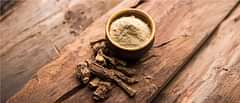
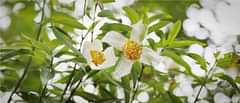
The name Daruharidra comes from two Sanskrit words, daru (wood) and haridra (turmeric-yellow), a reference to the bright yellow colour of the plant's inner wood and bark, which resembles turmeric. This is also why the herb is commonly called Daru Haldi, or "tree turmeric", in Hindi. Daruharidra is a spiny shrub of the Berberidaceae family, native to the temperate Himalayan belt of India and parts of Nepal. Its roots and stem bark, rich in the alkaloid berberine, are harvested and processed into powders, tablets and capsules (Srivastava & Rawat, 2013).
In classical Ayurvedic texts, Daruharidra is grouped among herbs traditionally used for skin and eye conditions and to support healthy digestion. It carries a bitter and astringent taste (tikta-kashaya rasa), light and dry qualities (laghu-rooksha guna), a heating potency (ushna virya) and a pungent post-digestive effect (katu vipaka). Despite its heating potency, it is traditionally considered to pacify aggravated Kapha and Pitta dosha, with a comparatively neutral action on Vata (Choudhary et al., 2021).
Key Facts
| Feature | Details |
| Botanical name | Berberis aristata DC. |
| Family | Berberidaceae |
| Part used | Roots and stem bark |
| Ayurvedic category | Traditionally grouped among herbs used for skin, eye and digestive support |
| Ayurvedic properties | Rasa: bitter, astringent. Virya: heating. Vipaka: pungent. Dosha action: traditionally pacifies Kapha and Pitta. |
| Key active compounds | Berberine and related isoquinoline alkaloids |
| Traditional uses | Digestion, liver function, skin health, and traditionally described support for blood sugar and cholesterol balance |
| Common forms | Powder, tablets, capsules |
| General dosage | Typically 1 to 2 g of powder daily, or as directed by a qualified practitioner. Dosage may vary by preparation. |
| Best taken | Traditionally taken with warm water or honey, after food |
| Key safety note | Avoid use during pregnancy and breastfeeding unless advised by a healthcare professional. Consult a doctor before use if you have diabetes, heart disease, or take other medicines, as berberine may interact with certain medicines. |
Alternative Names of Daruharidra
Daruharidra is known by several names across botany, regional Indian languages and everyday use. The main ones are:
- Botanical name: Berberis aristata DC.
- English names: Indian Barberry, Tree Turmeric
- Hindi names: Daru Haldi, Chitra, Kashmal, Jhar-i-haldi
- Tamil: Mara Manjal, Mancalkoti
- Telugu: Manu Pasupu, Manupasupu
- Kannada: Maradasina, Maradarishina
- Malayalam: Maramannal
- Marathi: Daruhalad
- Gujarati: Daru Haldar
- Bengali: Daruharidra
- Punjabi: Daru Haldi
Chemical Constituents of Daruharidra
The chemical constituents of Daruharidra are mainly attributed to the following naturally occurring compounds (Srivastava & Rawat, 2013):
- Berberine: the principal isoquinoline alkaloid, found mainly in the root and stem bark
- Berbamine and oxyberberine: related isoquinoline alkaloids present in smaller amounts
- Tannins: naturally occurring astringent compounds
- Saponins: plant compounds that have been studied for various biological activities
Medicinal Properties of Daruharidra
Based on its chemical make-up, Daruharidra is traditionally credited with the following actions on the body:
- Antimicrobial: May help inhibit certain microorganisms.
- Anti-inflammatory: May help reduce inflammatory activity.
- Antioxidant: May help counter oxidative stress.
- Antidiarrhoeal: Traditionally used to support relief from diarrhoea.
- Hepatoprotective (liver-supportive): Traditionally used to support liver function.
- Hypoglycaemic (blood sugar-lowering): Berberine may help lower blood glucose.
- Hypolipidaemic (lipid-lowering): Berberine may help support healthy blood lipid levels.
These actions are associated mainly with berberine, the major alkaloid in the root and bark of Daruharidra. Laboratory and clinical research on berberine suggests it may help reduce inflammatory activity, support the body's natural antioxidant defences, and inhibit the growth of certain bacteria (Shi et al., 2025). Traditional Ayurvedic use similarly associates Daruharidra with supporting digestion, skin health and liver function (Choudhary et al., 2021). Most of the available clinical evidence relates to berberine as an isolated compound rather than to Berberis aristata as a whole herb, and further human research on the whole herb is still needed.
Key Health Benefits of Daruharidra
Daruharidra, or Daru Haldi, is a valued Ayurvedic herb known for its medicinal properties, mainly due to the active compound berberine. Traditionally used for digestive and skin issues, it continues to hold relevance in both Ayurvedic and modern medicine.
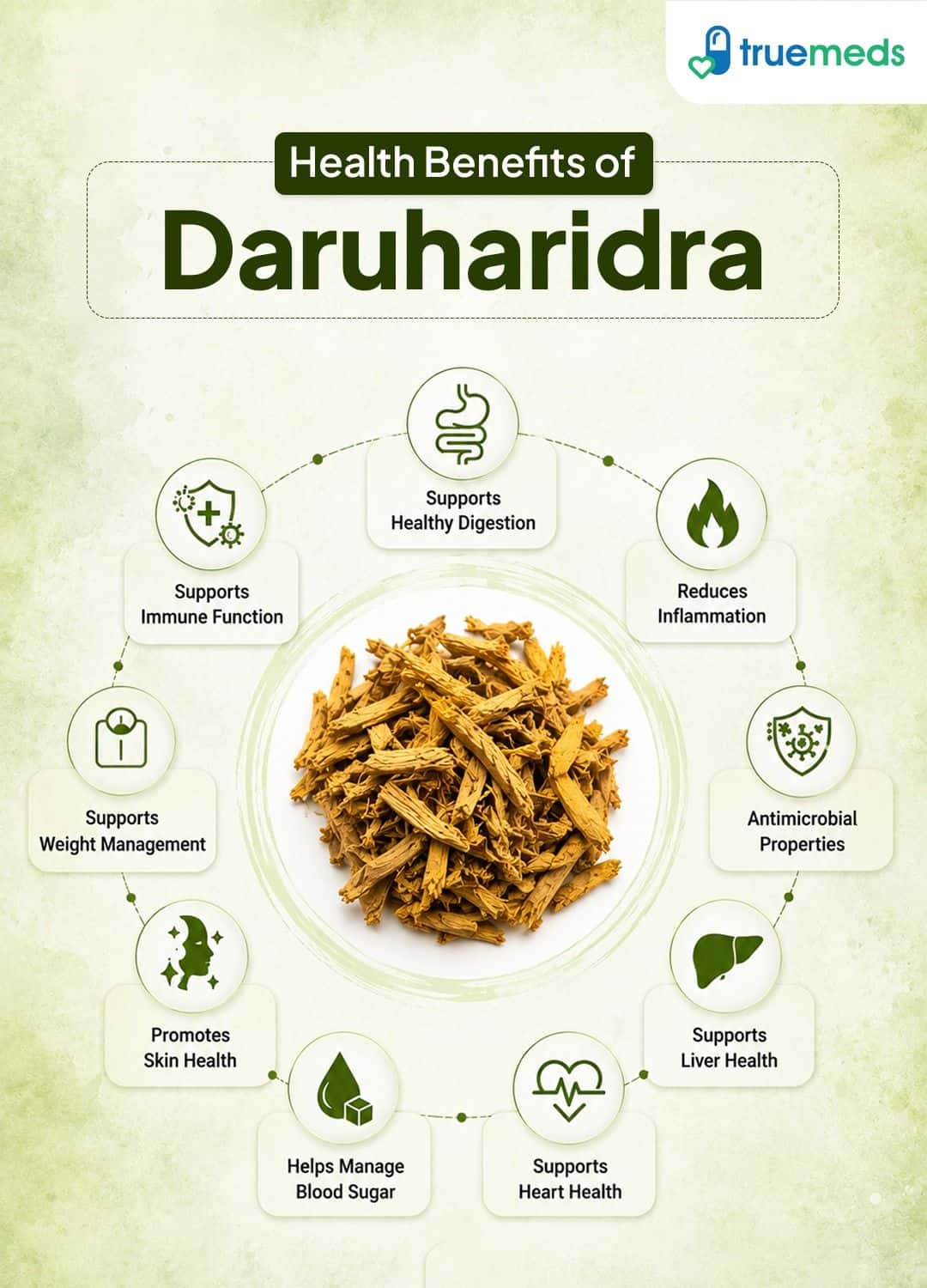
1. Healthy Digestion
Daruharidra is traditionally valued in Ayurveda for managing agnimandya (weak digestion), dysentery, jaundice, and certain liver disorders. It is known to support healthy digestion due to its natural antibiotic and anti-inflammatory properties, which may help relieve gastrointestinal issues such as diarrhoea, indigestion, bloating, and constipation. The key alkaloid, berberine, helps maintain balanced gut flora by supporting beneficial bacteria and inhibiting harmful microbes, making it useful in conditions like IBS and enteric infections. Additionally, Daruharidra is believed to stimulate bile secretion, aiding in better fat digestion and nutrient absorption. Regular use in powder or tablet form is traditionally recommended to promote digestive function and reduce gastric discomfort.
2. Anti-inflammatory and Analgesic Properties
Daruharidra is very potent due to its natural anti-inflammatory action, which can be used within the body for anti-inflammatory responses. Ayurveda uses it to manage arthritis, rheumatism, and all other joint pains. The influence exercised by Daru Haldi brings down pro-inflammatory cytokines responsible for the onset of inflammation and pain. Therefore, it is reputed as a natural medicinal agent for chronic inflammatory conditions like rheumatoid arthritis.
Moreover, this herb contains analgesic principles that serve to antidote all types of pains, inflammation-related or not. This type of effect - anti-inflammatory, as well as pain relieving, gives more strength to Daruharidra as an excellent alternative to conventional painkillers for people seeking natural relief without the side effects of pharmaceutical drugs.
3. Antimicrobial and Antibacterial Effects
Another potential advantage of Daruharidra is that it can combat infection by bacteria, viruses, and fungi. This herb has been used traditionally as a natural antibiotic because of the presence of berberine, which has been proven to possess intense antimicrobial activity. Daru Haldi effectively combats various infections caused by bacteria, mainly gastrointestinal and skin infections.
Daruharidra has been used in Ayurvedic practice to manage wounds, cuts, and other skin infections. It accelerates the healing by inhibiting bacterial growth and prevents the chance of infections. Some antimicrobial activity within it also further makes it useful in respiratory illnesses like colds, coughs, and bronchitis.
4. Helps Liver Detoxification and Health
Daruharidra (Daru Haldi) is traditionally used in Ayurveda to support liver health and natural detoxification. It is valued for its liver-protective properties, helping reduce oxidative stress, promote healthy bile secretion, and support efficient fat digestion and waste elimination. Traditionally referenced in the management of conditions such as jaundice and fatty liver, it may assist in improving overall liver function and metabolic balance when used under professional guidance.
5. Controls Diabetes and Balances Blood Sugar Levels
One of the most studied benefits of Daruharidra is its potential to help regulate blood sugar levels. Research on berberine suggests it may improve insulin sensitivity and support glucose metabolism, making it a useful complementary herb for people with type 2 diabetes under medical supervision.
Daruharidra tablets or Daruharidra powder can be used as an adjunct to other conventional diabetes drugs. Still, it is crucial to take it after consultation with a health professional before any interaction with prescribed medications. With its stabilisation capacity for blood sugar levels, Daruharidra is also beneficial for those suffering from prediabetic or risk syndrome developing diabetic conditions.
6. Skin Health Improvement
Daruharidra is renowned for its antibacterial, anti-inflammatory, and antioxidant properties, making it effective in managing various skin disorders. In Ayurveda, it has been used to treat conditions like acne, eczema, psoriasis, and boils. Its antibacterial action helps reduce acne-causing bacteria, while its anti-inflammatory properties soothe redness and irritation. Regular use of Daruharidra may improve complexion and protect the skin from oxidative stress.
Regular intake of Daruharidra powder or topical application can help smoothen the complexion, prevent future breakouts, and reduce redness. Its antioxidant activity protects the skin against oxidative stress and environmental damage, giving a healthy look and natural glow. For all these reasons, Daru Haldi has become one of the favourite ingredients in Ayurvedic skincare formulations.
7. Assists in Weight Loss and Metabolic Health
Among the numerous advantages of Daruharidra, the most prominent ones include weight loss and metabolic improvement. The herb increases the metabolism rate in the body, controls the fat-storing process, and increases energy expenditure from calories. Improving the digestive system and efficiency of the liver helps break down the nutrients comprehensively with minimal fat storage.
Regularly consuming Daruharidra tablets or powders will also help keep weight in check. This would go well with a healthy diet and exercise regularly. It may reduce solid cravings for junk food. Thus, dieting becomes easy.
8. Immune System Improvement
Daruharidra is one of the oldest Ayurvedic herbs to strengthen the immune system and protect the body from infections. Its antimicrobial and anti-inflammatory properties, among other applications, make it helpful in enhancing the cellular aspect of immune functions and supporting natural resistance. The white blood cells increase with berberine- a principle found in Daru Haldi, aiding the fight against infections.
By enhancing the immune response, Daruharidra enables the body to recover quickly from illness and gives protection against future infections. The supplementation is indispensable during the cold and flu season when one's immune system requires extra support.
9. Cardiovascular Health
Another major plus of Daru Haldi is its impact on cardiac health. It has been discovered that berberine, the main component of Berberis aristata, can reduce cholesterol levels, particularly the LDL or bad cholesterol and triglycerides. This makes Daruharidra an effective natural medicine for maintaining healthy cholesterol levels and lowering heart disease risk.
The health benefits of reducing lipid levels and antioxidant-induced reduction in oxidative stress may protect the heart and the blood vessels from damage. Thus, regular consumption of Daruharidra tablets or supplements benefits cardiovascular health and reduces the risk of heart-related issues.
Precautions While Taking Daruharidra
Daruharidra is generally considered suitable when used appropriately, but the following precautions should be followed:
- Pregnancy and breastfeeding: Not recommended, as berberine may affect how a baby's body handles bilirubin and is best avoided unless a doctor has specifically advised otherwise (MotherToBaby/OTIS, 2025).
- Diabetes or heart conditions: Anyone taking medication for diabetes or heart disease should consult their doctor first, as Daruharidra or its berberine content may add to the effect of these medicines.
- Alcohol: Taking Daruharidra together with alcohol may increase the risk of side effects, although evidence for this interaction is limited.
- Allergic reactions: Stop use and seek medical advice if skin rashes, itching or gastrointestinal discomfort occur after taking Daruharidra.
- Not a substitute for medical treatment: Daruharidra should not be used to self-treat any diagnosed medical condition, and it does not replace prescribed medication.
Note: This information is for general awareness only and is not a substitute for professional medical advice. Speak to your doctor before starting Daruharidra, particularly if you are pregnant, breastfeeding, or taking other medication.
How to Use Daruharidra
Daruharidra is available in a few forms, and how it is taken varies slightly by form:
Using Daruharidra Powder
Mix the amount recommended by your Ayurvedic practitioner into warm water or honey, and take it as directed. The appropriate dose may vary depending on the preparation and intended use.
Taking Daruharidra Tablets
Swallow the recommended number of tablets with plain water, at the time and frequency stated on the product label or advised by your practitioner.
Taking Daruharidra Capsules
Take the recommended number of capsules with water, following the dosing schedule printed on the pack or recommended by your healthcare provider.
Herbs Traditionally Used With Daruharidra
In classical Ayurvedic formulations, Daruharidra is traditionally combined with other herbs to support specific goals. Some commonly paired herbs include:
| Herb | How It Is Traditionally Combined With Daruharidra |
| Haridra (Curcuma longa) | Both herbs share a bitter, heating profile and are traditionally combined in Ayurvedic skin-care formulations, where their traditional uses include supporting skin health. |
| Guduchi (Tinospora cordifolia) | Guduchi traditional use for immune and liver support is often paired with Daruharidra's own liver-supportive role, particularly in formulations aimed at general well-being. |
| Manjistha (Rubia cordifolia) | Manjistha is traditionally combined with Daruharidra in skin-care formulations and preparations traditionally described as supporting blood purification, where both herbs are believed to support clear, healthy-looking skin. |
| Bhumyamalaki (Phyllanthus niruri) | This herb is traditionally paired with Daruharidra in formulations intended to support liver health, particularly where traditional practice references jaundice-related use. |
Recommended Dosage of Daruharidra
Dosage should always be confirmed with a qualified practitioner, as the right amount depends on age, health status and the form used. As a general guide:
- Children: Not generally recommended unless specifically prescribed and supervised by a paediatrician or Ayurvedic practitioner.
- Teenagers: Use should only be under the guidance of a qualified healthcare practitioner, who can advise an appropriate, age-appropriate dose.
- Adults: Typically 1 to 2 grams of powder, or 1 to 2 tablets or capsules, once or twice daily, or as directed by a practitioner.
- Elderly: Older adults, especially those with other health conditions or on multiple medications, should consult their doctor or qualified practitioner before use, as the appropriate dose may depend on their medicines and health status.
Note: This information is provided for general awareness only and should not be used as a substitute for professional medical advice. The right dosage can vary from person to person. Do not self-medicate; speak to a qualified doctor or Ayurvedic practitioner before starting Daruharidra.
Side Effects of Daruharidra
Daruharidra may cause side effects in some people, particularly when taken in higher amounts:
Gastrointestinal Discomfort
Some people may experience mild stomach upset, nausea or loose motions, particularly when starting Daruharidra or taking higher doses than recommended.
Skin Reactions
Skin rashes or itching may occur in people who are sensitive to the herb.
Low Blood Sugar When Combined With Diabetes Medication
Taken alongside prescribed diabetes medication, Daruharidra may increase the blood sugar-lowering effect of treatment, so blood sugar should be monitored closely under medical guidance (Dumitru et al., 2026).
When to Seek Medical Help
Stop taking Daruharidra and consult a doctor promptly if you notice a severe skin reaction, persistent vomiting, unusual bruising or bleeding, or signs of very low blood sugar such as shakiness, sweating or confusion.
Interaction of Daruharidra With Other Drugs
Berberine, Daruharidra's main active compound, may interact with certain medicines (Dumitru et al., 2026). The following should always be discussed with a doctor before use:
Diabetes Medication
Daruharidra may increase the blood sugar-lowering effect of insulin or oral anti-diabetic medication, which may increase the risk of hypoglycaemia (low blood sugar) if the two are combined without medical supervision.
Cholesterol-Lowering Medication
Combining Daruharidra with statins or other lipid-lowering medication may affect their effects or increase the risk of adverse effects, so this combination should only be used under a doctor's guidance (Ju et al., 2018).
Blood-Thinning Medication
Berberine may affect how the body processes certain blood-thinning medicines, such as warfarin, which could alter their effects and bleeding risk. Anyone on blood thinners should consult their doctor before taking Daruharidra.
Immunosuppressant Medication
Daruharidra may raise blood levels of certain immunosuppressant drugs, such as ciclosporin and tacrolimus, by affecting the liver enzymes that normally break them down. This combination should be used only under the supervision of the prescribing doctor.
Note: This is not a complete list of possible interactions. Always tell your doctor or pharmacist about all medicines, supplements and herbal products you are taking before starting Daruharidra.
Storage of Daruharidra
Proper storage helps Daruharidra retain its quality for longer:
- Store in a cool, dry place away from direct sunlight.
- Keep the container tightly closed to protect the powder or tablets from moisture.
- Store out of reach of children.
- Check the label for the expiry date and avoid use beyond it.
Key Takeaways
- Daruharidra (Berberis aristata) is a traditional Ayurvedic herb valued for its traditionally described antimicrobial, anti-inflammatory and antioxidant properties.
- Its key compound, berberine, has been studied for its potential effects on digestion, liver health, skin health, blood sugar and cholesterol levels.
- Most clinical evidence relates to berberine as an isolated compound, and it should complement, not replace, medical treatment.
- It is not recommended in pregnancy or while breastfeeding, and anyone with diabetes, heart disease or taking other medication should consult a doctor before use.
FAQs
Is Daruharidra powder easily available?
Can I take Daruharidra with cholesterol-lowering medication?
Can Daruharidra help with blood sugar management?
Can Daruharidra support weight management?
Does Daruharidra help manage cholesterol levels?
Can Daruharidra help with digestive discomfort, including IBD?
Is Daruharidra useful for skin health?
Can Daruharidra help with abdominal discomfort?
Is Daruharidra beneficial for urinary health?
References
- Choudhary, S., Kaurav, H., Madhusudan, S., & Chaudhary, G. (2021). Daruharidra (Berberis aristata): Review based upon its Ayurvedic properties. International Journal for Research in Applied Sciences and Biotechnology, 8(2), 98–106. https://doi.org/10.31033/ijrasb.8.2.12
- Srivastava, S., & Rawat, A. K. S. (2013). Quality evaluation of Ayurvedic crude drug Daruharidra, its allied species, and commercial samples from herbal drug markets of India. Evidence-Based Complementary and Alternative Medicine, 2013, Article 472973. https://doi.org/10.1155/2013/472973
- Ju, J., Li, J., Lin, Q., & Xu, H. (2018). Efficacy and safety of berberine for dyslipidaemias: A systematic review and meta-analysis of randomized clinical trials. Phytomedicine, 50, 25–34. https://doi.org/10.1016/j.phymed.2018.09.212
- Shi, L., Wang, W., Jing, C., Hu, J., & Liao, X. (2025). Berberine and health outcomes: An overview of systematic reviews. BMC Complementary Medicine and Therapies, 25, Article 147. https://doi.org/10.1186/s12906-025-04872-4
- Dumitru, C. N., Marcu, T., Dumitru, A. O., Tudor, S. S., Ferțu, I. D., Elisei, A.-M., & Goroftei, L. (2026). Berberine-drug interactions: Mechanisms, clinical relevance and risk stratification: A narrative review. Pharmaceuticals, 19(8), Article 1313. https://doi.org/10.3390/ph19081313
- Organization of Teratology Information Specialists (MotherToBaby). (2025, May 1). Berberine [Fact sheet]. National Center for Biotechnology Information. https://www.ncbi.nlm.nih.gov/books/NBK600384/

Explore other categories
Latest health articles




Top Health Essentials

Top-selling ayurvedic products












Disclaimer
Top-Selling Medicines:
...View more
Top-OTC medicines:
...View more
Top-selling healthcare devices:
...View more
Company
About UsHealth ArticleHealth StoriesHealth LibraryDiseases & Health ConditionsAyurvedaUnderstanding Generic MedicinesAll MedicinesAll BrandsNeed HelpFAQSecuritySavings CalculatorAdvertise with UsSubscribe
Registered Office Address
Grievance Officer
Download Truemeds


Contact Us
Our customer representative team is available 7 days a week from 9 am - 9 pm.
v4.28.19

2026 - Truemeds | All rights reserved. Our content is for informational purposes only. See additional information.

Our Payment Partners