

- Medicines
- Personal Care
- Skin Cream
- Sunscreen
- Face Wash
- Skin and Body Soap
- Acne Care
- Body Lotions
- Moisturising Lotion
- Moisturising Cream
- Mosquito Repellent
- Moisturising Gel
- Body Wash
- Hair Oils
- Hair Shampoo
- Hair Conditioners
- Hair Supplements
- Hair Colour
- Hair Serum
- Hair Mask
- Hair Solutions
- Baby Diapers and Wipes
- Baby Lotion and Moisturising Cream
- Baby Bath Essentials
- Baby Skin Care
- Baby and Infant Food
- Baby Healthcare
- Women Multivitamins
- Ovulation Test Kit and Women Intimate Care
- Sanitary Pads
- Nutritional Drinks
- Condoms
- Lubricants
- Massage Gels
- Personal Body Massagers
- Men Performance Booster
- Sexual Health Supplements
- Massage Oils
- Ayurveda
- Tooth Paste
- Mouth Ulcer Gel
- Mouthwash
- Toothache and Gum Pain
- Tooth Brush
- Gargle Solution
- Orthopaedic Supports
- Adult Diapers
- Footwear
- Mobility and Support Accessories
- Urinary Support and Care
- Health Conditions
- Bone and Joint Care
- Digestive Care
- Eye Care
- Pain Relief
- Smoking Cessation
- Liver Care
- Stomach Care
- Cold and Cough
- Heart Care
- Kidney Care
- Piles, Fissures & Fistula
- Respiratory Care
- Mental Wellness
- Derma Care
- Pre and Probiotics
- Acidity
- Gas
- Constipation
- Loose Motion/Diarrhoea
- Digestive Fibres
- Digestive Enzymes
- Eye Lubricant Drops
- Lens Solution
- Safety Eye Wear
- Eye Cream
- Eye Vitamins and Supplements
- Eye Drops
- Eye Ointment and Gel
- Nicotine Patch
- Nicotine Gum
- Nicotine Lozenges
- Cough Syrups
- Chest Rubs and Balms
- Nasal Spray
- Lozenges
- Inhalant Capsules
- Cold and Cough Tablets
- Vitamins & Supplements
- Diabetes Care
- Healthcare Devices
- Homeopathic Medicine
- Health Guide
Nagkesar
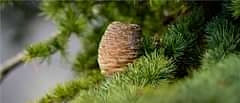
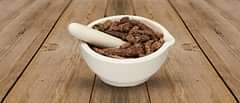
Nagkesar (Mesua ferrea) is a tropical tree whose dried flowers, bark and seeds are used in Ayurvedic medicine. It belongs to the Calophyllaceae family and is traditionally described as having an astringent taste and warming potency. Nagkesar is traditionally used to support skin health, joint comfort and digestive wellness, and has been studied for mild anti-inflammatory and antimicrobial actions. It is generally taken as a powder, oil or tablet, under the guidance of a qualified practitioner.
 50
50Last updated on : 15 Sep, 2026
Read time : 11 mins
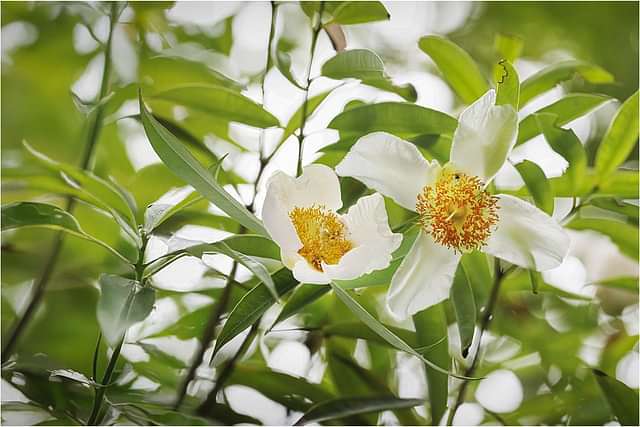
What is Nagkesar?
The name Nagkesar is traditionally linked to the flower's stamens, which resemble a serpent's hood (naga) topped with saffron-like filaments (kesara), giving rise to the common name Cobra's Saffron. The tree is native to South and Southeast Asia and grows in the warm, moist forests of Nepal, Myanmar, Thailand and Malaysia, and in India across Kerala, Tamil Nadu, Assam and Karnataka. Its flowers, bark, seeds and roots have long been used in traditional Indian and Southeast Asian systems of medicine.
Within Ayurveda, Nagkesar is traditionally described as having Kashaya (astringent), Katu (pungent) and Tikta (bitter) Rasa, with Ushna Virya, a heating potency.
Both this taste and potency profile are described in the pharmacognostic review of the plant (Patangia et al., 2023). It is traditionally held to pacify Pitta and Kapha doshas, which is the classical basis for its use in traditional Ayurvedic practice for conditions involving excess heat, bleeding tendencies and inflammation. Ayurvedic practitioners have traditionally combined Nagkesar with other astringent, warming herbs to support digestion, skin health and musculoskeletal comfort.
Key Facts
| Feature | Details |
| Botanical name | Mesua ferrea L.
|
| Family | Calophyllaceae (classically placed in Clusiaceae/Guttiferae) |
| Part used | Flowers (stamens), bark, seeds and roots |
| Ayurvedic properties | Rasa: Kashaya (astringent), Katu (pungent), Tikta (bitter).
|
| Key active compounds | Mesuone, mesuagin, mesuanic acid, beta-sitosterol, xanthones and phenolic coumarins
|
| Traditional uses | Skin health, joint comfort, digestive wellness, minor wound care
|
| Common forms | Powder (churna), infused oil, tablets or capsules |
| General dosage | Powder: 1 to 3 g, once or twice daily, or as directed by a qualified practitioner
|
| Best taken | With honey or warm water, after food, on practitioner advice |
| Key safety note | Avoid in pregnancy and breastfeeding unless advised by a doctor; consult a doctor first if taking blood-thinning medicines |
Alternative Names of Nagkesar
Nagkesar is known by its botanical name and by names in English and several Indian regional languages.
- Botanical name: Mesua ferrea L.
- English: Cobra's Saffron, Ceylon Ironwood
- Sanskrit: Nagakesara, Nagapushpa, Kesara, Hema
- Hindi: Nagkesar, Pila Nagkesar
- Urdu: Narmushk
- Assamese: Naboor
- Telugu: Nagachampakamu
- Kannada: Nagakesari
Chemical Constituents of Nagkesar
Laboratory analysis has identified several active compounds in Nagkesar that may contribute to some of its reported biological activities.
- Mesuone
- Mesuagin
- Mesuanic acid
- Beta-sitosterol
- Xanthones and phenolic coumarins
Medicinal Properties of Nagkesar
Laboratory studies have investigated several of the actions traditionally attributed to Nagkesar in Ayurveda.
- Anti-inflammatory
- Antimicrobial (antibacterial and antifungal)
- Astringent
- Analgesic
- Antioxidant
- Antispasmodic
- Carminative
(Patangia et al., 2023; Thakur et al., 2021)
Most of this evidence comes from laboratory and animal research rather than large human clinical trials, so Nagkesar is best seen as a traditional supportive remedy rather than a proven treatment for a specific disease. Anyone considering it for a persistent or serious health concern should consult a qualified Ayurvedic practitioner or doctor first.
Key Health Benefits of Nagkesar
Nagkesar is traditionally used to support skin health, digestion, minor wound care and occasional cough or joint discomfort. Its astringent and antioxidant properties have also been investigated in laboratory research, but human clinical evidence remains limited. It should not replace medical treatment for persistent symptoms, bleeding or diagnosed health conditions.
May Support Skin Health
Nagkesar's antimicrobial and antioxidant compounds are among the reasons it is traditionally used in Ayurveda for skin health (Patangia et al., 2023). It is associated with soothing minor skin irritation and supporting a clearer complexion. It is not a substitute for treatment of a diagnosed skin condition, which should be assessed by a doctor or dermatologist.
May Ease Occasional Joint Discomfort
Nagkesar's traditional anti-inflammatory action may help ease mild, occasional joint discomfort, and laboratory research has investigated this potential activity (Thakur et al., 2021). It is not a substitute for prescribed arthritis treatment, and persistent or worsening joint pain should always be assessed by a doctor.
May Support Digestive Comfort
In Ayurveda, Nagkesar's Ushna Virya, or heating potency, is traditionally believed to support digestion and ease occasional bloating. This is based on traditional Ayurvedic reasoning rather than clinical trial evidence, so it should be treated as general wellness support rather than a treatment for a digestive disorder.
Traditionally Used to Support Minor Wound Care
Nagkesar's astringent and antimicrobial properties are traditionally believed to support the care of minor cuts when applied as a paste (Patangia et al., 2023). This applies to minor, superficial wounds only. Deep, infected or non-healing wounds need prompt medical attention rather than home treatment.
Traditionally Valued for its Astringent Quality
Nagkesar's astringent (Kashaya) quality is traditionally associated with a tightening effect on tissues and support for minor, occasional spotting. It is not intended to manage heavy bleeding, piles or a menstrual disorder, all of which need proper medical diagnosis and treatment rather than a herbal remedy.
Traditionally Used for Occasional Cough Comfort
Nagkesar is traditionally used in Ayurvedic home remedies to ease an occasional cough and a mild, congested feeling in the chest. It should not be used to manage asthma, bronchitis or any diagnosed respiratory condition, which need proper medical diagnosis and prescribed treatment.
Antioxidant Support
Laboratory research has found that Nagkesar extracts show antioxidant activity, which may help protect cells from oxidative stress (Patangia et al., 2023). This evidence comes from laboratory and animal studies, and more human research is needed before firmer health claims can be made.
Common Uses of Nagkesar
Nagkesar is commonly used as a powder, infused oil, skincare ingredient or decoction in traditional Ayurvedic practice. Its form and method of use vary according to the intended purpose, with internal use best guided by a qualified Ayurvedic practitioner.
Used as a Churna (Powder) in Classical Formulations
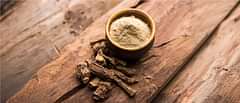
Nagkesar powder is traditionally combined with other astringent herbs in Ayurvedic formulations, generally taken with honey or warm water after meals, on the advice of a qualified Ayurvedic practitioner.
Applied as an Infused Oil
Nagkesar-infused oil is traditionally massaged onto the skin or an affected joint as part of an external Ayurvedic care routine, rather than taken by mouth.
Included in Ayurvedic Skincare Preparations
Nagkesar appears as an ingredient in some traditional Ayurvedic skincare preparations, chosen for its astringent and cleansing properties within a wider formulation.
Prepared as a Decoction for Home Remedies
A decoction (Kwatha) of Nagkesar is sometimes prepared in traditional home remedies for mild, occasional seasonal discomfort, taken in small amounts under guidance rather than as a self-directed treatment.
Precautions While Taking Nagkesar
Nagkesar is generally well tolerated when used in the recommended amount, but the following precautions apply.
- Pregnant and breastfeeding women should consult a doctor before using Nagkesar, as its heating (Ushna) quality is traditionally considered unsuitable in pregnancy.
- Anyone with a bleeding disorder or taking blood-thinning medicines should consult a doctor before use, since Nagkesar is traditionally described as having a haemostatic, or bleeding-reducing, action.
- Anyone with a known sensitivity to plant-based astringents should start with a low amount and monitor for any reaction.
- Nagkesar should not be used as a substitute for prescribed treatment of a diagnosed medical condition.
- Always confirm the right form and dose with a qualified Ayurvedic practitioner or doctor before starting use.
How to Use Nagkesar
Nagkesar is available in a few different forms, and how it is used depends on the form chosen.
Using Nagkesar Powder (Churna)
Nagkesar churna is generally mixed with honey or warm water and taken after food, in the amount advised by a qualified Ayurvedic practitioner.
Applying Nagkesar Oil
Nagkesar-infused oil is applied externally to the skin or an affected joint and gently massaged in. It is not taken by mouth.
Taking Nagkesar Tablets or Capsules
Tablets or capsules containing Nagkesar should be taken exactly as directed on the product label or by the prescribing practitioner, usually with water after a meal.
Recommended Dosage of Nagkesar
Dosage needs vary by age, and the amounts below are general guidance only, not a substitute for a practitioner's personal assessment.
| Age group | Guidance |
| Children | Not recommended without direct supervision from a paediatrician or qualified Ayurvedic practitioner. |
| Teenagers | Should only be used under the guidance of a qualified practitioner; not for self-medication. |
| Adults | Powder: 1 to 3 g, once or twice daily, or as directed by the practitioner or product label. |
| Elderly | The lower end of the adult amount is generally advised, with medical supervision, particularly if other medicines are being taken. |
Side Effects of Nagkesar
Nagkesar is generally well tolerated when used in recommended amounts, but excessive intake may cause digestive discomfort, and some people may experience skin irritation or an allergic reaction. Its use during pregnancy should be avoided unless specifically advised by a qualified healthcare professional.
Digestive Discomfort
Taking more than the recommended amount may cause mild digestive discomfort in some people.
Not Suitable in Pregnancy
Nagkesar's heating potency is traditionally considered unsuitable during pregnancy and is generally advised against without medical advice.
Possible Skin Reaction
As with any herbal product, a small number of people may experience skin irritation or an allergic reaction. Anyone who notices a rash, swelling or breathing difficulty after use should stop using it and seek medical attention.
Interaction of Nagkesar With Other Drugs
Nagkesar may interact with certain medicines, so the following should be checked before combining it with other treatment.
Blood-Thinning Medicines
Because Nagkesar is traditionally described as having a haemostatic action (Thakur et al., 2021), it may theoretically affect the action of blood-thinning or anti-platelet medicines. Anyone taking such medicines should consult a doctor before use.
Other Ayurvedic or Herbal Products
Taking Nagkesar alongside other heating (Ushna Virya) herbs may increase the risk of digestive discomfort. A qualified practitioner should be consulted before combining several herbal products.
Storage of Nagkesar
Store Nagkesar powder and preparations in a cool, dry place away from direct sunlight and moisture, in a tightly sealed container, and keep out of reach of children.
Key Takeaways
- Nagkesar is a traditional Ayurvedic herb valued for its astringent, anti-inflammatory and antimicrobial activities.
- It is traditionally used to support skin health, joint comfort, digestion and minor wound care.
- Most of the supporting evidence comes from laboratory and animal studies rather than large human clinical trials.
- Nagkesar is not a treatment for asthma, diabetes, heavy menstrual bleeding or any other diagnosed medical condition.
- Pregnant women, breastfeeding women and anyone on blood-thinning medicines should consult a doctor before use.
- Always confirm the right form and dose with a qualified Ayurvedic practitioner.
FAQs
How can Nagkesar be applied for skin care?
How does Nagkesar support digestive health?
What are the common uses of Nagkesar powder?
Can Nagkesar help with heavy menstrual bleeding?
Does Nagkesar cause constipation?
Does Nagkesar support liver health?
Is Nagkesar safe during pregnancy or breastfeeding?
Can Nagkesar help with headaches and joint discomfort?
Can Nagkesar help with cough and cold symptoms?
References
- Patangia, U., Wal, A., Gupta, D., Singh, I., & Wal, P. (2023). A review of the phytochemical constituents and pharmacological activities of Nagkesar (Mesua ferrea Linn.). Traditional Medicine Research, 8(3), 14. https://doi.org/10.53388/tmr20220620001
- Thakur, S., Kaurav, H., & Chaudhary, G. (2021). Mesua ferrea Linn. (Nagkesar): A potent antimicrobial plant species. International Journal of Current Pharmaceutical Research, 13(4), 6–13. https://doi.org/10.22159/ijcpr.2021v13i4.42734
Explore other categories
Latest health articles





Top Health Essentials
Top-selling ayurvedic products












Disclaimer
Top-Selling Medicines:
...View more
Top-OTC medicines:
...View more
Top-selling healthcare devices:
...View more
Company
About UsHealth ArticleHealth StoriesHealth LibraryDiseases & Health ConditionsAyurvedaUnderstanding Generic MedicinesAll MedicinesAll BrandsNeed HelpFAQSecuritySavings CalculatorAdvertise with UsSubscribe
Registered Office Address
Grievance Officer
Download Truemeds


Contact Us
Our customer representative team is available 7 days a week from 9 am - 9 pm.
v4.28.16

2026 - Truemeds | All rights reserved. Our content is for informational purposes only. See additional information.

Our Payment Partners




