

- Medicines
- Personal Care
- Skin Cream
- Sunscreen
- Face Wash
- Skin and Body Soap
- Acne Care
- Body Lotions
- Moisturising Lotion
- Moisturising Cream
- Mosquito Repellent
- Moisturising Gel
- Body Wash
- Hair Oils
- Hair Shampoo
- Hair Conditioners
- Hair Supplements
- Hair Colour
- Hair Serum
- Hair Mask
- Hair Solutions
- Baby Diapers and Wipes
- Baby Lotion and Moisturising Cream
- Baby Bath Essentials
- Baby Skin Care
- Baby and Infant Food
- Baby Healthcare
- Women Multivitamins
- Ovulation Test Kit and Women Intimate Care
- Sanitary Pads
- Nutritional Drinks
- Condoms
- Lubricants
- Massage Gels
- Personal Body Massagers
- Men Performance Booster
- Sexual Health Supplements
- Massage Oils
- Ayurveda
- Tooth Paste
- Mouth Ulcer Gel
- Mouthwash
- Toothache and Gum Pain
- Tooth Brush
- Gargle Solution
- Orthopaedic Supports
- Adult Diapers
- Footwear
- Mobility and Support Accessories
- Urinary Support and Care
- Health Conditions
- Bone and Joint Care
- Digestive Care
- Eye Care
- Pain Relief
- Smoking Cessation
- Liver Care
- Stomach Care
- Cold and Cough
- Heart Care
- Kidney Care
- Piles, Fissures & Fistula
- Respiratory Care
- Mental Wellness
- Derma Care
- Pre and Probiotics
- Acidity
- Gas
- Constipation
- Loose Motion/Diarrhoea
- Digestive Fibres
- Digestive Enzymes
- Eye Lubricant Drops
- Lens Solution
- Safety Eye Wear
- Eye Cream
- Eye Vitamins and Supplements
- Eye Drops
- Eye Ointment and Gel
- Nicotine Patch
- Nicotine Gum
- Nicotine Lozenges
- Cough Syrups
- Chest Rubs and Balms
- Nasal Spray
- Lozenges
- Inhalant Capsules
- Cold and Cough Tablets
- Vitamins & Supplements
- Diabetes Care
- Healthcare Devices
- Homeopathic Medicine
- Health Guide
Rheumatoid Arthritis
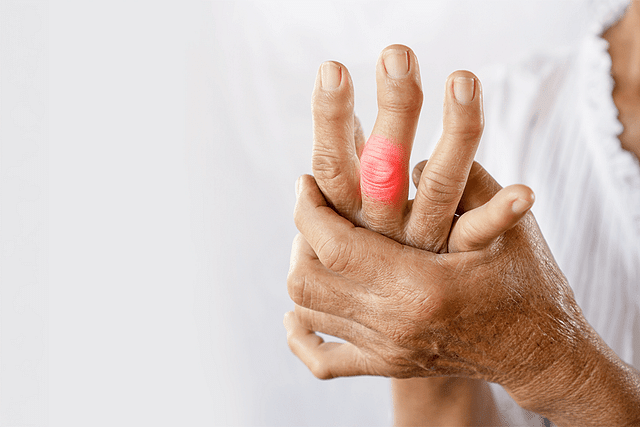
Rheumatoid arthritis (RA) is a chronic autoimmune disorder that primarily affects the joints, causing inflammation, pain, and potential joint damage. It occurs when the body's immune system mistakenly attacks the synovial membrane lining the joints. Rheumatoid arthritis can lead to significant disability and reduced quality of life if left untreated.
 50
50Last updated on : 06 Jul, 2026
Read time : 13 mins
Overview of Disease
Rheumatoid arthritis is a debilitating condition that affects millions of people worldwide. It is a chronic autoimmune disease that causes the body's immune system to attack the synovium, the lining of the joints, leading to inflammation, pain, and swelling. If left untreated, RA can cause permanent joint damage and deformity, significantly impacting a person's quality of life. This article explores the various aspects of rheumatoid arthritis, including its types, stages, and overall impact on daily life.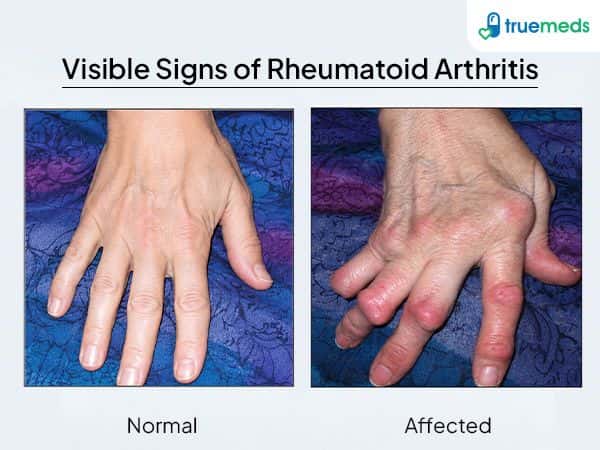
What is Rheumatoid Arthritis?
Rheumatoid arthritis (RA) is a systemic autoimmune disease characterised by inflammatory arthritis and extra-articular involvement. Unlike osteoarthritis, which is caused by wear and tear on the joints, rheumatoid arthritis is an autoimmune disorder where the body's immune system mistakenly attacks healthy joint tissue. This leads to chronic inflammation, causing pain, stiffness, and swelling in the affected joints.
While the exact cause of rheumatoid arthritis remains unknown, it is believed that a combination of genetic and environmental factors may trigger the development of this condition. Recognising the early signs of rheumatoid arthritis is essential for prompt diagnosis and treatment.
Key Factors about Rheumatoid Arthritis
| Category | Details |
| Also Referred as | Inflammatory arthritis, autoimmune arthritis |
| Commonly Occurs In | People aged 30 to 60 years, more common in women than men |
| Affected Organ | Joints, skin, eyes, lungs, heart, kidneys, salivary glands, nerve tissue, blood vessels |
| Type | Chronic autoimmune inflammatory disorder |
| Common Signs | Joint pain, stiffness, swelling, fatigue, fever, loss of appetite, and joint deformity |
| Consulting Specialist | Rheumatologist |
| Treatement Procedures | Medicines, physical therapy, occupational therapy, lifestyle modification, and surgery |
| Managed By | NSAIDs (ibuprofen), DMARDs (methotrexate, leflunomide, and hydroxychloroquine), corticosteroids (e.g., prednisone), biological DMARDs (rituximab, tocilizumab, and anakinra), targeted synthetic DMARDs (baricitinib, tofacitinib, and upacitinib) |
| Mimiciking Condition | Osteoarthritis, other types of arthritis, various inflammatory conditions |
Types of Rheumatoid Arthritis
There are two main types of rheumatoid arthritis, differentiated by the presence or absence of specific antibodies in the blood Arthritis Foundation (2022):
- Seropositive RA: This type is characterised by the presence of specific antibodies in the blood, called rheumatoid factor (RF) and anti-citrullinated protein antibodies (anti-CCP). The immune system produces these antibodies, which can attack the joints, leading to inflammation and damage. Seropositive RA tends to be more severe and has a poorer prognosis than seronegative RA.
- Seronegative RA: This type is characterised by the absence of RF and anti-CCP antibodies in the blood. Despite the lack of these antibodies, seronegative RA still causes inflammation and damage to the joints. Seronegative RA may be more difficult to diagnose, as the absence of antibodies can make it harder to distinguish from other types of arthritis.
Early Signs of Rheumatoid Arthritis
- Tenderness or pain in small joints, such as those in your fingers or toes
- Pain in larger joints, like your knee or shoulder
- Fatigue or feeling extremely tired and lacking energy
- Slight fever or a slightly raised temperature
- Unexplained weight loss, possibly due to inflammation
- Joint stiffness, particularly in the morning or after periods of inactivity
- Swelling and redness in the affected joints
Symptoms of Rheumatoid Arthritis
Rheumatoid arthritis symptoms can vary among individuals and may come and go. The most common symptoms include:
- Joint pain and stiffness: Rheumatoid arthritis typically affects smaller joints, such as those in the hands and feet. Symptoms often worsen in the morning or after periods of inactivity.
- Swelling and inflammation: Affected joints may appear swollen, red, and warm to the touch due to inflammation, which can limit mobility and function.
- Fatigue: Many individuals experience a pervasive feeling of tiredness that impacts daily activities, often linked to the body’s inflammatory response.
- Fever: Low-grade fever may occur during flare-ups, indicating the body’s immune response.
- Loss of appetite: Reduced desire to eat can lead to weight loss and is often associated with inflammation and overall fatigue.
- Joint deformities: Over time, persistent inflammation can lead to joint damage and deformities, particularly in the hands and feet.
- Systemic symptoms: Rheumatoid arthritis can also affect other organ systems, leading to symptoms such as dry eyes or mouth, anaemia, and lung issues, reflecting the systemic nature of the autoimmune response.
Stages of Rheumatoid Arthritis
Rheumatoid arthritis typically progresses through four stages (Chauhan et al., 2023):
- Stage 1 (early RA): The earliest stage of rheumatoid arthritis, known as synovitis, involves inflammation of the synovial membrane, resulting in joint swelling and pain. Early diagnosis and intervention at this stage can significantly improve outcomes and prevent further joint damage.
- Stage 2 (moderate RA): As the disease progresses, the inflamed synovial membrane thickens and forms pannus, a fibrous tissue that invades and erodes the cartilage and bone within the joint. Without adequate treatment, joint damage can become irreversible at this stage.
- Stage 3 (severe RA): In stage 3, the erosion of cartilage and bone leads to joint deformities and loss of joint function. Patients may experience increased pain, stiffness, and difficulty performing daily activities.
- Stage 4 (end-stage RA): The final stage of rheumatoid arthritis is characterised by severe joint destruction, loss of mobility, and significant disability. At this stage, joint replacement surgery may be necessary to restore function and alleviate pain.
Causes of Rheumatoid Arthritis
While the triggers for this autoimmune reaction are unclear, it is thought that a combination of genetic and environmental factors may be responsible, which include:
- Genetic factors: Certain genes, such as the HLA (human leukocyte antigen) genes, can increase susceptibility to rheumatoid arthritis, although having these genes does not necessarily mean that you will develop the condition.
- Environmental factors: Some environmental exposures, like cigarette smoking, air pollution, and certain infections, may trigger rheumatoid arthritis in genetically susceptible people.
- Hormones: Hormonal changes, like those during pregnancy, may play a role in the development of rheumatoid arthritis, which is more common in women.
Risk Factors
Several factors can increase the likelihood of developing rheumatoid arthritis, including:
- People aged 30 to 60 years
- Gender (women are more likely than men)
- Family history
- Smoking
- Obesity
- Exposure to certain toxins, such as silica dust
- Chronic gum inflammation (periodontitis)
Complications
Rheumatoid arthritis can lead to several complications if not managed effectively. Some of the key complications associated with rheumatoid arthritis include:
- Joint damage: Rheumatoid arthritis can cause joint inflammation, leading to damage to the cartilage, bone, and ligaments. This may lead to joint deformity, loss of function, and chronic pain.
- Osteoporosis: Chronic inflammation and certain medications used to treat rheumatoid arthritis, such as corticosteroids, can increase the risk of osteoporosis, which is characterised by weakened bones and a higher risk of fractures.
- Heart disease: People with rheumatoid arthritis have a higher risk of developing heart disease, including conditions like coronary artery disease, heart failure, and stroke, partly due to the chronic inflammation associated with rheumatoid arthritis.
- Lung disease: Rheumatoid arthritis can affect the lungs, leading to conditions such as interstitial lung disease (ILD) and rheumatoid nodules, which can impair lung function and overall health.
- Eye problems: Rheumatoid arthritis can cause various eye problems, including dry eyes, scleritis (inflammation of the white part of the eye), and uveitis (inflammation of the uvea, the middle layer of the eye).
- Increased risk of infections: People with rheumatoid arthritis have a higher risk of infections, partly due to immune system dysfunction and the use of immunosuppressive medications.
Diagnosis & Tests
Diagnosing rheumatoid arthritis involves a combination of clinical evaluation, laboratory tests, and sometimes imaging studies. The diagnostic process typically includes:
- Clinical evaluation: The diagnosis starts with a thorough medical history and physical examination. The doctor will assess the patient's symptoms, such as joint pain, stiffness, and swelling, and look for signs of inflammation, joint deformity, and reduced range of motion.
- Blood tests: Key diagnostic markers for rheumatoid arthritis include rheumatoid factor (RF) and anti-cyclic citrullinated peptide (anti-CCP) antibodies, with the latter being more specific to the condition. Additionally, inflammatory markers such as erythrocyte sedimentation rate (ESR) and C-reactive protein (CRP) are often elevated in individuals with rheumatoid arthritis.
- Imaging tests: Tests such as X-rays, ultrasound, and magnetic resonance imaging (MRI) can help assess joint damage and inflammation and monitor disease progression.
- Synovial fluid analysis: In some cases, fluid from the affected joint may be extracted and analysed for signs of inflammation and to rule out other conditions, such as gout or infection.
Treatment & Management
The main objective of treating rheumatoid arthritis is to control inflammation, achieve remission, prevent joint and cartilage damage, relieve pain, and maintain daily functional ability. Early initiation and sustained treatment are essential for long-term joint preservation. Here are the suggested treatments for RA.
1. Non-Biological DMARDs
These medications are prescribed for early and long-term RA management.
- Methotrexate: Slows joint damage by suppressing overactive immune responses.
- Sulfasalazine: Reduces joint swelling and morning stiffness by modulating inflammation.
- Leflunomide: Inhibits immune cell growth by blocking pyrimidine synthesis.
- Cyclosporine: Lowers inflammation by preventing T-cell activation.
- Azathioprine: Controls immune activity by interfering with DNA synthesis in immune cells.
- Chloroquine: Decreases autoimmune activity in mild cases by modulating immune pathways.
Non-Biological DMARDs help to:
- Reduce inflammation and suppress abnormal immune activity
- Slow or stop disease progression and joint erosion
- Relieve joint pain, stiffness, and fatigue
- Improve physical function and prevent disability
- Delay the need for biological agents in many patients
2. Corticosteroids
Corticosteroids are used for rapid symptom relief during disease flares or while waiting for DMARDs to take effect.
- Prednisolone: Controls inflammation and pain during flare-ups through corticosteroid action.
Corticosteroids help to:
- Reduce acute joint pain, swelling, and redness quickly
- Suppress systemic inflammatory response
- Improve mobility during active flares
- Serve as a bridging therapy until DMARDs become effective
- Minimise joint destruction during flare periods
3. Biological DMARDs: TNF-Alpha Inhibitors
These medications are used when non-biologic DMARDs fail to control RA symptoms adequately.
- Infliximab: Blocks TNF-alpha to reduce inflammation and prevent joint damage.
- Adalimumab: Targets TNF-alpha to control immune-driven inflammation.
- Etanercept: Neutralises TNF activity by acting as a decoy receptor.
Biological DMARDs help to:
- Rapidly control inflammation and prevent joint damage
- Improve physical functioning and daily activity
- Lower disease activity and promote remission
- Reduce fatigue and systemic symptoms
- Delay radiographic progression of disease
4. Biological DMARDs: Interleukin Inhibitors
- Anakinra: Inhibits IL-1 receptor signalling to reduce joint inflammation.
Interleukin Inhibitors help to:
- Reduce disease activity in patients resistant to TNF inhibitors
- Control chronic inflammation and pain
- Decrease the frequency and severity of flares
- Preserve long-term joint function
- Complementary therapy in combination-resistant RA cases
5. JAK Inhibitors
These are newer oral agents for moderate to severe RA with inadequate response to other treatments.
- Tofacitinib: Blocks JAK enzymes to interrupt inflammatory cytokine pathways.
JAK Inhibitors help to:
- Block immune pathways involved in RA progression
- Reduce joint swelling, pain, and stiffness
- Offer an oral alternative to injectables
- Improve quality of life and physical function
- Reduce dependency on corticosteroids and biologics
6. Surgical Interventions
For advanced or irreversible joint damage, the following surgeries are suggested:
- Arthroscopy: This technique removes damaged tissue and inflamed synovium via minimally invasive surgery.
- Joint replacement (arthroplasty): It replaces severely damaged joints (e.g., the hip or knee) to restore function and relieve pain.
7. Nutritional Support & Lifestyle
Adjunct measures to support RA management:
- Dietary adjustments: A diet rich in fruits, vegetables, legumes, fish, and unsaturated fats helps reduce inflammation.
- Supplements: Calcium and vitamin D help counteract the effects of corticosteroids; folic acid supports methotrexate therapy.
8. Self‑Care Tips
- Regular low-impact exercise: Exercise such as walking and swimming can help maintain joint mobility.
- Joint protection techniques: Use adaptive tools and learn ergonomic ways to minimise strain.
- Stress management: Techniques such as yoga and meditation can help manage flare-ups.
Living with Disease
Living with rheumatoid arthritis can be challenging, but several strategies can help patients manage their symptoms and maintain a good quality of life. These include:
- Engage in regular, low-impact exercises like swimming, walking, or cycling to maintain joint flexibility and muscle strength.
- Maintaining a healthy weight through a balanced diet and regular exercise is important, as excess weight can put additional stress on joints.
- Gadgets and tools such as jar openers, ergonomic kitchen utensils, and walking aids can make daily tasks easier and reduce joint strain.
- Stress can worsen rheumatoid arthritis symptoms, so finding ways to manage stress, such as through relaxation techniques, meditation, or counselling, is essential.
- Fatigue is a common symptom of rheumatoid arthritis, so getting adequate rest and sleep is crucial for managing the disease.
- Joining a support group or talking to friends and family about the challenges of living with rheumatoid arthritis can provide emotional support and practical advice.
When to See a Doctor?
If you experience symptoms suggestive of rheumatoid arthritis, such as joint pain, stiffness, swelling, and fatigue, it is important to consult a doctor, preferably a rheumatologist, for an accurate diagnosis and appropriate treatment. Additionally, if you have been diagnosed with rheumatoid arthritis, you should see your doctor regularly for monitoring and adjusting your treatment plan as needed. Contact your doctor promptly if you experience a flare-up of symptoms, new or worsening joint pain, or any other concerning symptoms.
Key Takeaways
- Rheumatoid arthritis (RA) is a chronic autoimmune disorder that primarily affects the joints, causing pain, swelling, and stiffness.
- Early symptoms of rheumatoid arthritis include joint pain, swelling, and stiffness, especially in the hands, wrists, and feet.
- Diagnosis involves a combination of physical examination, blood tests, and imaging studies.
- Treatment for rheumatoid arthritis is multifaceted and includes medications, physical and occupational therapy, exercise, and, in some cases, surgery.
- Living with rheumatoid arthritis involves being proactive, managing stress, maintaining a healthy weight, protecting joints, and staying connected with support systems.
- Early diagnosis and treatment are essential for preventing joint damage and improving long-term outcomes.
FAQs
Can you live a long life with rheumatoid arthritis?
What is the main cause of rheumatoid arthritis?
What is the best thing to do for rheumatoid arthritis?
What does rheumatoid arthritis affect in the body?
How can I treat rheumatoid arthritis myself?
Can I live a normal life with rheumatoid arthritis?
What are usually the first signs of rheumatoid arthritis?
Does rheumatoid arthritis hurt all the time?
What is the first thing to do when you have rheumatoid arthritis?
How can rheumatoid arthritis start?
References
- Chauhan, K., Jandu, J. S., Brent, L. H., & Al-Dhahir, M. A. (2023). Rheumatoid arthritis. StatPearls. https://www.ncbi.nlm.nih.gov/books/NBK441999/
- Centers for Disease Control and Prevention. (2024). Rheumatoid arthritis (RA). https://www.cdc.gov/arthritis/rheumatoid-arthritis/index.html
- National Institute of Arthritis and Musculoskeletal and Skin Diseases. (2022). Rheumatoid arthritis. https://www.niams.nih.gov/health-topics/rheumatoid-arthritis
- Arthritis Foundation. (2024). What type of rheumatoid arthritis do you have? https://www.arthritis.org/diseases/more-about/what-type-of-ra-do-you-have
- MedlinePlus. (n.d.). Rheumatoid arthritis. https://medlineplus.gov/rheumatoidarthritis.html
Browse Other Conditions
Latest health articles

Top Health Essentials




















Disclaimer
Top-Selling Medicines:
...View more
Top-OTC medicines:
...View more
Company
About UsHealth ArticleHealth StoriesHealth LibraryDiseases & Health ConditionsAyurvedaUnderstanding Generic MedicinesAll MedicinesAll BrandsNeed HelpFAQSecuritySavings CalculatorAdvertise with UsSubscribe
Registered Office Address
Grievance Officer
Download Truemeds


Contact Us
Our customer representative team is available 7 days a week from 9 am - 9 pm.
v4.28.13

2026 - Truemeds | All rights reserved. Our content is for informational purposes only. See additional information.

Our Payment Partners