

- Medicines
- Personal Care
- Skin Cream
- Sunscreen
- Face Wash
- Skin and Body Soap
- Acne Care
- Body Lotions
- Moisturising Lotion
- Moisturising Cream
- Mosquito Repellent
- Moisturising Gel
- Body Wash
- Hair Oils
- Hair Shampoo
- Hair Conditioners
- Hair Supplements
- Hair Colour
- Hair Serum
- Hair Mask
- Hair Solutions
- Baby Diapers and Wipes
- Baby Lotion and Moisturising Cream
- Baby Bath Essentials
- Baby Skin Care
- Baby and Infant Food
- Baby Healthcare
- Women Multivitamins
- Ovulation Test Kit and Women Intimate Care
- Sanitary Pads
- Nutritional Drinks
- Condoms
- Lubricants
- Massage Gels
- Personal Body Massagers
- Men Performance Booster
- Sexual Health Supplements
- Massage Oils
- Ayurveda
- Tooth Paste
- Mouth Ulcer Gel
- Mouthwash
- Toothache and Gum Pain
- Tooth Brush
- Gargle Solution
- Orthopaedic Supports
- Adult Diapers
- Footwear
- Mobility and Support Accessories
- Urinary Support and Care
- Health Conditions
- Bone and Joint Care
- Digestive Care
- Eye Care
- Pain Relief
- Smoking Cessation
- Liver Care
- Stomach Care
- Cold and Cough
- Heart Care
- Kidney Care
- Piles, Fissures & Fistula
- Respiratory Care
- Mental Wellness
- Derma Care
- Pre and Probiotics
- Acidity
- Gas
- Constipation
- Loose Motion/Diarrhoea
- Digestive Fibres
- Digestive Enzymes
- Eye Lubricant Drops
- Lens Solution
- Safety Eye Wear
- Eye Cream
- Eye Vitamins and Supplements
- Eye Drops
- Eye Ointment and Gel
- Nicotine Patch
- Nicotine Gum
- Nicotine Lozenges
- Cough Syrups
- Chest Rubs and Balms
- Nasal Spray
- Lozenges
- Inhalant Capsules
- Cold and Cough Tablets
- Vitamins & Supplements
- Diabetes Care
- Healthcare Devices
- Homeopathic Medicine
- Health Guide
Bronchitis
Bronchitis is a common respiratory condition characterised by inflammation of the bronchial tubes, causing cough and mucus production (Bronchitis | NHLBI, NIH, 2022). It can be acute, lasting a few weeks, or chronic, persisting for several months. Bronchitis affects the respiratory system and overall health, potentially leading to complications if left untreated.
 50
50Last updated on : 04 May, 2026
Read time : 13 mins

Overview of Disease
Bronchitis is a common respiratory condition that affects millions of people worldwide. To manage bronchitis effectively, it is essential to understand its causes, symptoms, and types. This article provides an overview of bronchitis, its types, and its effects on the body.
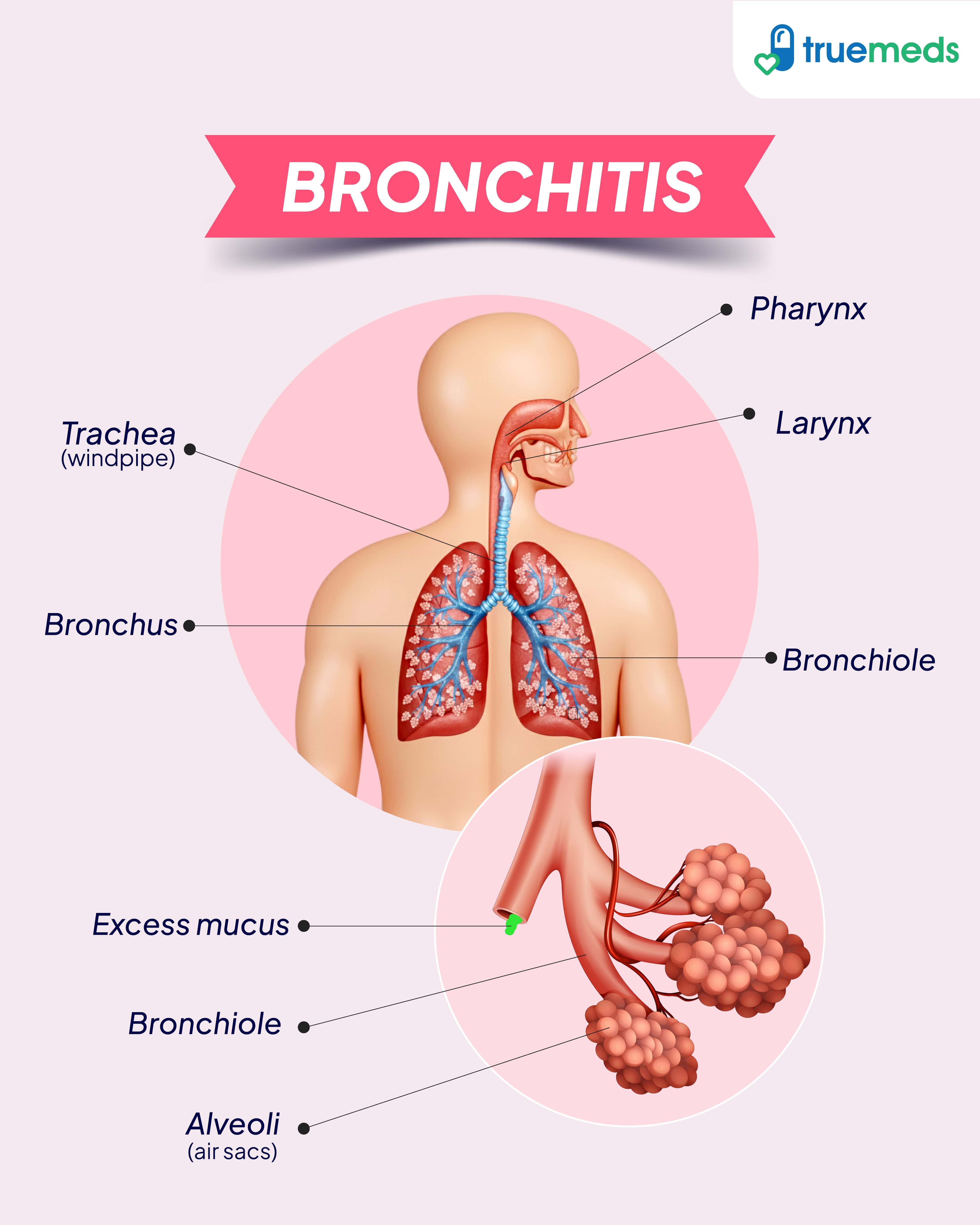
What is Bronchitis?
Bronchitis is a respiratory condition that occurs when the bronchial tubes, which carry air to and from the lungs, become inflamed and swollen. This inflammation causes excess mucus production, leading to a nagging cough and breathing difficulties. Bronchitis can be acute or chronic, often caused by viral or bacterial infections, as well as exposure to irritants like cigarette smoke, dust, and pollution.
Key Factors about Bronchitis
| Category | Details |
| Also Referred to as |
|
| Commonly Occurs In |
|
| Affected Organ |
|
| Type |
|
| Common Signs |
|
| Consulting Specialist |
|
| Treatment Procedures |
|
| Managed By |
|
| Mimicking Condition |
|
Types of Bronchitis
There are two main types of bronchitis: acute and chronic.
1. Acute Bronchitis
- Also known as a chest cold
- Symptoms last a few weeks
- Usually caused by viral infections
- Can be treated with rest, hydration, and over-the-counter medications
2. Chronic Bronchitis
- Long-term inflammation of the bronchial tubes
- Symptoms persist or recur for at least three months
- Often caused by cigarette smoking, air pollution, and other environmental factors
- Can lead to chronic obstructive pulmonary disease
How Does Bronchitis Affect My Body?
Bronchitis can affect the body in several ways.
1. Respiratory Symptoms
- Coughing up mucus or sputum
- Wheezing and shortness of breath
- Chest discomfort and congestion
2. Systemic Symptoms
- Fatigue and weakness
- Headache and body aches
- Fever and chills
3. Complications
- Pneumonia and other respiratory infections
- Chronic obstructive pulmonary disease
Symptoms of Bronchitis
The most common bronchitis symptoms include:
Acute Bronchitis (Short-term, Often Due to Infections)
- Cough: Starts suddenly, may last a few weeks, and often brings up mucus.
- Chest congestion: A Feeling of tightness or clogging in the chest.
- Shortness of breath: Mild difficulty breathing, especially after coughing.
- Wheezing: A whistling sound while exhaling.
- Low fever: Slight temperature increase, usually mild.
- Sore throat: Irritation or discomfort, often due to postnasal drip.
- Runny, stuffy nose: Nasal congestion, common with viral infections.
- Headache & Body aches: Mild headache and muscle discomfort, similar to a cold.
- Fatigue: Feeling tired, but usually improves as the infection clears.
Chronic Bronchitis (Long-term, Often Due to Smoking or Irritants) (Widysanto et al., 2025)
- Persistent cough: Lasts at least three months per year for two consecutive years.
- Excess mucus production: Thick, often yellow or green phlegm.
- Severe shortness of breath: Gradually worsens over time, even at rest.
- Wheezing: More pronounced and frequent.
- Frequent infections: Higher risk of lung infections and complications.
- Fatigue: More persistent and long-lasting.
- Chest tightness: Constant discomfort or pressure in the chest.
Chronic bronchitis requires long-term management, while acute bronchitis often resolves on its own with rest and proper care.
- “Rattle” sensation in chest: A vibrating or crackling feeling in the chest, often caused by mucus moving in the airways.
- General ill feeling, or malaise: A persistent sense of discomfort, fatigue, or feeling unwell without a clear cause.
- Poor sleep: Difficulty falling or staying asleep due to coughing, congestion, or breathing issues.
- Chills (uncommon): A sudden feeling of cold or shivering, sometimes occurring with fever, but not a common bronchitis symptom.
- Frequent respiratory infections that worsen symptoms: Repeated lung infections that aggravate coughing, mucus buildup, and breathing problems.
Chronic bronchitis is characterised by a productive cough that persists for at least three months and recurs over two consecutive years. People with chronic bronchitis may experience episodes where their cough or other symptoms become more severe. Additionally, an acute infection can occur alongside chronic bronchitis.
Causes of Bronchitis
While bronchitis is commonly associated with viral infections, such as colds and flu, other factors, including bacterial infections, smoking, and environmental irritants, can also contribute to its onset. In some cases, conditions such as gastric reflux or occupational hazards may increase the risk of developing bronchitis. Understanding these causes is essential for preventing and managing this respiratory condition effectively. Below, we examine the most common causes and risk factors associated with bronchitis.
There are several reasons why bronchitis may develop. The most common causes include:
- Viral infections: The most common cause of acute bronchitis is often the same viruses that cause colds and flu.
- Bacterial infections: A less common cause, especially in cases where pneumonia develops.
- Irritants: Exposure to lung irritants such as smoke, dust, fumes, and air pollution.
- Smoking: A significant risk factor for chronic bronchitis and a contributor to the development of chronic obstructive pulmonary disease.
- Secondhand smoke: Exposure to smoke from others' cigarettes or tobacco products.
Some other causes of bronchitis include:
- Gastric reflux: Repeated severe heartburn can irritate the throat and increase the risk.
- Occupational hazards: Exposure to certain substances at work, such as grains, textiles, or chemical fumes.
Risk Factors
Several factors can increase the likelihood of developing acute or chronic bronchitis. Being aware of these bronchitis risk factors is important for prevention and early detection.
- The most significant risk factor is smoking. Cigarette smoke irritates the bronchial tubes, leading to inflammation and increased mucus production - the hallmark signs of chronic bronchitis. Secondhand smoke exposure is also a risk.
Other bronchitis causes and risk factors include:
- Weakened immune system: Conditions that impair immunity make individuals more susceptible to viral and bacterial infections that can trigger acute bronchitis.
- Environmental irritants: Frequent exposure to air pollution, dust, fumes and vapours can inflame airways and raise chronic bronchitis risk.
- Age: Young children and the elderly are more prone to acute bronchitis due to underdeveloped or weakened immune defences.
- Other medical conditions: Having asthma, allergies, chronic obstructive pulmonary disease, or cystic fibrosis increases the risk, as the airways are already sensitive or compromised.
Prevention of Bronchitis
Preventing bronchitis involves a combination of lifestyle changes, avoiding irritants, and adhering to preventive measures to reduce the risk of infection.
1. Avoid Lung Irritants
- Stay away from cigarette smoke, as it is a significant risk factor for both acute and chronic bronchitis.
- Avoid exposure to secondhand smoke, chemicals, dust, and air pollution to prevent irritation of the bronchial tubes.
2. Vaccinations
- Get an annual flu shot to protect against influenza, which can lead to acute bronchitis.
- Discuss pneumococcal vaccination with your doctor based on age, chronic conditions, smoking status, and national immunisation guidance.
3. Hygiene Practices
- Wash your hands frequently with soap and water for at least 20 seconds, or use an alcohol-based hand sanitiser to prevent the spread of viral infections that can cause bronchitis.
- Avoid touching your eyes, nose, and mouth to prevent the introduction of harmful bacteria or viruses into your respiratory system.
4. Protective Measures
- Wear a mask when using lung irritants such as paint, paint remover, or varnish, and when around people who are sick to reduce the risk of exposure to bronchitis-causing agents.
- Keep your distance from others when you are sick to prevent the spread of infection and protect those around you from developing bronchitis symptoms.
Diagnosis & Tests
If you are experiencing signs of chronic bronchitis or severe and persistent acute bronchitis symptoms, consulting a doctor for a proper diagnosis is essential. Diagnosing bronchitis typically involves:
- Medical history: Your doctor will ask about your symptoms, smoking history, and exposure to lung irritants.
- Physical exam: Listening to your lungs with a stethoscope to check for abnormal breathing sounds.
- Chest x-ray: Imaging to visualise the lungs and rule out pneumonia or other conditions.
- Sputum tests: Analysing a sample of mucus to check for signs of bacterial infection.
- Pulmonary function tests: Measuring how well your lungs are working using spirometry.
- Blood tests: Blood tests may assess infection or inflammation; oxygen levels are usually checked by pulse oximetry or arterial blood gas when needed.
In some cases, additional tests, such as a CT scan or bronchoscopy, may be necessary. Once diagnosed, your doctor can recommend the most appropriate bronchitis medication or chronic bronchitis treatment based on the underlying cause and severity of your condition.
Treatment & Management
Medications for Bronchitis Treatment
1. Pain Relievers
Ibuprofen and Acetaminophen help reduce fever and alleviate body aches associated with bronchitis.
2. Bronchodilators
Inhaled medications like Albuterol, Salbutamol, Metaproterenol, Theophylline, and Ipratropium relax and open the airways, making breathing easier. These are particularly useful for individuals experiencing wheezing.
3. Corticosteroids
To reduce airway inflammation, corticosteroids such as Beclomethasone, Fluticasone, and Budesonide may be prescribed, either as inhalers or oral medications.
4. Mucolytics and Expectorants
Guaifenesin helps loosen thick mucus, making it easier to cough up and relieve chest congestion.
5. Antibiotics
Although bronchitis is usually viral, antibiotics like Amoxicillin, Doxycycline, Azithromycin, Erythromycin, and Clarithromycin may be prescribed if a bacterial infection is suspected or for high-risk patients.
6. Antitussives (Cough Suppressants)
Dextromethorphan, Chlorpheniramine, and Diphenhydramine help reduce the urge to cough, particularly in cases of dry, non-productive coughs. However, they should be avoided if mucus is present.
7. COPD and Asthma Treatment
Patients with chronic obstructive pulmonary disease (COPD) or asthma may require a combination of bronchodilators, corticosteroids, and oxygen therapy to manage symptoms and improve breathing.
8. Treatment Selection
Medications for bronchitis are chosen based on the cause, symptom severity, and individual patient factors. It is essential to follow medical advice and seek consultation if symptoms persist or worsen.
Living with Disease
Managing bronchitis involves symptom relief, lifestyle adjustments, and potentially managing underlying conditions to ensure a smooth recovery and prevent complications.
1. Symptom management
- Rest and get plenty of fluids to help your body recover from the infection and thin out mucus in the bronchial tubes.
- Use humidifiers or steam to loosen chest congestion and make breathing easier, especially when experiencing a chest cold or other bronchitis symptoms.
- Take over-the-counter pain relievers such as ibuprofen or acetaminophen to manage pain and fever associated with bronchitis.
2. Home remedies
- Use throat lozenges or cough drops to relieve a sore throat, but avoid giving lozenges to children under 4 years old owing to choking hazards.
- Consider using vapour rubs for cough relief, but consult with a paediatrician before using it on children under two to ensure safety.
3. Chronic bronchitis management
- For those living with chronic bronchitis, managing symptoms and preventing flare-ups involves avoiding irritants and following a treatment plan established by your doctor, which may include bronchitis medication or other interventions.
Living with bronchitis requires patience and diligence in managing symptoms and making necessary lifestyle changes to support recovery and prevent future episodes.
When to See a Doctor?
While many cases of acute bronchitis resolve on their own, there are instances when seeking medical attention is necessary to prevent complications and ensure proper treatment.
1. Persistent or worsening symptoms
If your bronchitis symptoms, such as cough, chest pain, or shortness of breath, persist for more than three weeks or worsen over time, consult your doctor for further evaluation.
Seek medical attention if you experience a high fever (above 100.4°F or 38°C) that does not improve with over-the-counter medication.
2. Chronic bronchitis concerns
If you have been diagnosed with chronic bronchitis and experience an acute exacerbation or worsening of your symptoms, contact your doctor for guidance on adjusting your treatment plan.
Discuss any concerns about the effectiveness of your current chronic bronchitis treatment with your doctor to ensure optimal management of your condition.
3. High-risk individuals
If you are over 65, have a weakened immune system, or have underlying health conditions such as asthma or chronic obstructive pulmonary disease, seek medical attention promptly if you develop bronchitis symptoms to prevent serious complications.
Infants and young children with bronchitis symptoms should be evaluated by a paediatrician to rule out more severe conditions such as pneumonia or croup.
Remember, if you are unsure whether your symptoms warrant medical attention, it is always best to consult with a doctor for personalised advice and treatment options.
Key Takeaways
- Bronchitis is an inflammation of the bronchial tubes, which can be caused by viral or bacterial infections, as well as exposure to irritants such as cigarette smoke or air pollution.
- Common bronchitis symptoms include a persistent cough, chest congestion, shortness of breath, wheezing, and fatigue, which may resemble those of a chest cold.
- Acute bronchitis typically lasts for a few weeks and resolves on its own, while chronic bronchitis is a long-term condition that requires ongoing management and treatment.
- Preventing bronchitis involves avoiding lung irritants, getting vaccinated against influenza and pneumonia, practising good hygiene, and taking protective measures when exposed to potential bronchitis-causing agents.
- Managing bronchitis symptoms involves getting plenty of rest, staying hydrated, using a humidifier or steam, and taking over-the-counter pain relievers or cough suppressants as needed.
- Individuals with chronic bronchitis should work closely with their doctors to develop an individualised treatment plan, which may include bronchodilator medication, lifestyle modifications, and other interventions to manage symptoms and prevent exacerbations.
- Seek medical attention if bronchitis symptoms persist for more than three weeks, worsen over time, or are accompanied by a high fever, especially if you are in a high-risk group or have underlying health conditions.
- By understanding the causes, symptoms, and management strategies for bronchitis, you can take steps to prevent its occurrence and effectively treat it when it does occur, promoting overall respiratory health and well-being.
FAQs
What are the five main indicators of bronchitis?
The five primary symptoms of bronchitis include persistent coughing with mucus, chest congestion, low-grade fever, fatigue, and wheezing or whistling sounds while breathing (American Lung Association, n.d.).
How much time does bronchitis typically last?
What are some ways to recuperate from bronchitis?
Which medications are most effective for treating bronchitis?
How is bronchitis diagnosed?
What are some tips for sleeping with bronchitis?
Which foods can help alleviate bronchitis symptoms?
References
- MedlinePlus. (2021, February 26). Acute bronchitis. https://medlineplus.gov/acutebronchitis.html
- MedlinePlus. (2020, August 18). Chronic bronchitis. https://medlineplus.gov/chronicbronchitis.html
- Rezkalla, J., & Patel, P. (2019). Acute bronchitis. In: StatPearls. StatPearls Publishing. https://www.ncbi.nlm.nih.gov/books/NBK448067/
- Shalabi, M., Gazzaz, A., Alkhazal, A., Sanad, K., Albahrani, M., Alghamdi, A., Almuslim, S., Alsaad, A., Alotaibi, J., Alogla, S., & Hassan, M. (2022). Management of acute bronchitis in adults: Recent trends and practices. Journal of Healthcare Sciences, 02(06), 94–99. https://doi.org/10.52533/johs.2022.2602
- Bronchitis | NHLBI, NIH. (2022, December 2). NHLBI, NIH. https://www.nhlbi.nih.gov/health/bronchitis
- Widysanto, A., Goldin, J., & Mathew, G. (2025, February 6). Chronic bronchitis. StatPearls - NCBI Bookshelf. https://www.ncbi.nlm.nih.gov/books/NBK482437/
- American Lung Association. (n.d.). Acute bronchitis symptoms, causes & risk factors. https://www.lung.org/lung-health-diseases/lung-disease-lookup/bronchitis/symptoms-diagnosis-treatment
Check Related Salts
Browse Other Conditions
Latest health articles

Top Health Essentials





























Disclaimer
Top-Selling Medicines:
...View more
Top-OTC medicines:
...View more
Company
About UsHealth ArticleHealth StoriesHealth LibraryDiseases & Health ConditionsAyurvedaUnderstanding Generic MedicinesAll MedicinesAll BrandsNeed HelpFAQSecuritySavings CalculatorAdvertise with UsSubscribe
Registered Office Address
Grievance Officer
Download Truemeds


Contact Us
Our customer representative team is available 7 days a week from 9 am - 9 pm.
v4.28.13

2026 - Truemeds | All rights reserved. Our content is for informational purposes only. See additional information.

Our Payment Partners