

- Medicines
- Personal Care
- Skin Cream
- Sunscreen
- Face Wash
- Skin and Body Soap
- Acne Care
- Body Lotions
- Moisturising Lotion
- Moisturising Cream
- Mosquito Repellent
- Moisturising Gel
- Body Wash
- Hair Oils
- Hair Shampoo
- Hair Conditioners
- Hair Supplements
- Hair Colour
- Hair Serum
- Hair Mask
- Hair Solutions
- Baby Diapers and Wipes
- Baby Lotion and Moisturising Cream
- Baby Bath Essentials
- Baby Skin Care
- Baby and Infant Food
- Baby Healthcare
- Women Multivitamins
- Ovulation Test Kit and Women Intimate Care
- Sanitary Pads
- Nutritional Drinks
- Condoms
- Lubricants
- Massage Gels
- Personal Body Massagers
- Men Performance Booster
- Sexual Health Supplements
- Massage Oils
- Ayurveda
- Tooth Paste
- Mouth Ulcer Gel
- Mouthwash
- Toothache and Gum Pain
- Tooth Brush
- Gargle Solution
- Orthopaedic Supports
- Adult Diapers
- Footwear
- Mobility and Support Accessories
- Urinary Support and Care
- Health Conditions
- Bone and Joint Care
- Digestive Care
- Eye Care
- Pain Relief
- Smoking Cessation
- Liver Care
- Stomach Care
- Cold and Cough
- Heart Care
- Kidney Care
- Piles, Fissures & Fistula
- Respiratory Care
- Mental Wellness
- Derma Care
- Pre and Probiotics
- Acidity
- Gas
- Constipation
- Loose Motion/Diarrhoea
- Digestive Fibres
- Digestive Enzymes
- Eye Lubricant Drops
- Lens Solution
- Safety Eye Wear
- Eye Cream
- Eye Vitamins and Supplements
- Eye Drops
- Eye Ointment and Gel
- Nicotine Patch
- Nicotine Gum
- Nicotine Lozenges
- Cough Syrups
- Chest Rubs and Balms
- Nasal Spray
- Lozenges
- Inhalant Capsules
- Cold and Cough Tablets
- Vitamins & Supplements
- Diabetes Care
- Healthcare Devices
- Homeopathic Medicine
- Health Guide
Constipation
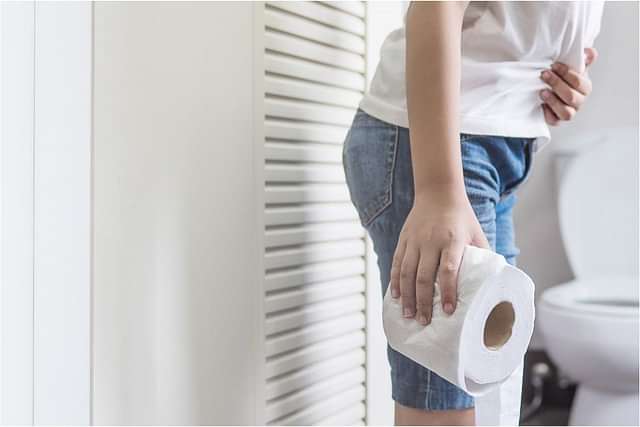
Constipation is a common digestive condition where a person experiences infrequent or uncomfortable bowel movements. It often involves passing infrequent bowel movements, hard or lumpy stools, straining, or a sensation of incomplete evacuation, though normal bowel habits can vary between three times a day and three times a week. Typically, constipation is managed through dietary and lifestyle changes or over-the-counter remedies. Chronic constipation may indicate an underlying health issue that requires further attention. Maintaining a balanced diet, staying hydrated, and regular physical activity are key preventive measures.
 50
50Last updated on : 04 May, 2026
Read time : 13 mins
Overview of Disease
When constipation occurs, stools often become dry, hard, and difficult to pass, leading to discomfort during bowel movements. You might also feel as though your bowels aren’t completely emptied. The longer the stool remains in the digestive tract, the harder and more challenging it becomes to pass, making timely bowel movements essential for digestive health. Seek medical review if you have severe pain, rectal bleeding, unexplained weight loss, vomiting, new-onset constipation, or persistent symptoms despite self-care.
What is Constipation?
Constipation is typically defined as having fewer than three bowel movements a week, although normal bowel habits can vary widely from person to person. Some may have multiple bowel movements daily, while others may go only a few times a week. What matters most is staying consistent with your unique pattern. Dietary and lifestyle changes or over-the-counter remedies may provide some relief. However, if constipation persists, make sure to address it as it may indicate an underlying health issue.
Key Factors about Constipation
| Category | Details |
| Also Referred to as | Primary or functional constipation, secondary constipation, chronic idiopathic constipation |
| Commonly Occurs In | All ages, older adults, women |
| Affected Organ | Colon, rectum, pelvic floor muscles |
| Type | Primary, secondary, acute, chronic |
| Common Signs | Infrequent stools, hard stools, straining, incomplete evacuation, manual removal of stool |
| Consulting Specialist | Gastroenterologist, colorectal surgeon |
| Treatment Procedures | Lifestyle modifications, laxatives, pharmacological interventions, and addressing underlying causes |
| Managed By | Bulking agents (psyllium husk & bran), lubricants (mineral oil), stool softeners (docusate sodium), osmotic laxatives (lactulose, lactitol or polyethylene glycol), stimulant laxatives (sodium picosulfate & bisacodyl), enemas |
| Mimicking Condition | Irritable Bowel Syndrome (IBS-C), other gastrointestinal disorders |
Types of Constipation
Constipation can be broadly classified into two main categories; each type has its own set of characteristics and underlying causes. These include (Diaz et al., 2023):
- Primary Constipation: Primary constipation, or functional constipation, arises from the digestive system's function rather than an underlying medical condition or medication side effects. Primary constipation can be further divided into several subtypes:
- Normal transit constipation: This is the most common type of constipation, where individuals have a normal colon function but still experience symptoms such as difficulty passing stools, hard stools, bloating, and abdominal pain.
- Slow transit constipation: Characterised by slow movement of food through the intestines, this constipation leads to infrequent bowel movements, diminished urgency, and straining during defecation.
- Outlet constipation: Also referred to as pelvic floor dysfunction constipation, this type occurs due to issues with the muscles around the anus and rectum, making it difficult to pass stools even when they reach the rectum.
- Idiopathic constipation: This type is diagnosed when no underlying cause can be identified for the constipation symptoms despite a thorough medical evaluation.
- Secondary Constipation: Secondary constipation occurs due to an underlying medical condition, medication use, or lifestyle factors. Some common causes include dehydration, metabolism issues (such as diabetes or hypothyroidism), side effects of medications (like opioids, iron supplements, or certain antidepressants), neurological conditions (such as Parkinson's disease or multiple sclerosis), muscle disorders (like scleroderma or myotonic dystrophy), and other conditions (such as colon cancer or pelvic prolapse).
Early Signs of Disease
The early signs of constipation include:
- Changes in bowel movement frequency
- Difficulty passing stools
- Ignoring the urge to have a bowel movement
- Recent changes in diet or physical activity
- A feeling of incomplete emptying after a bowel movement
Symptoms of Constipation
Constipation is often accompanied by various uncomfortable symptoms that can disrupt daily life. Below are some common signs to watch for (Symptoms & Causes of Constipation (2025):
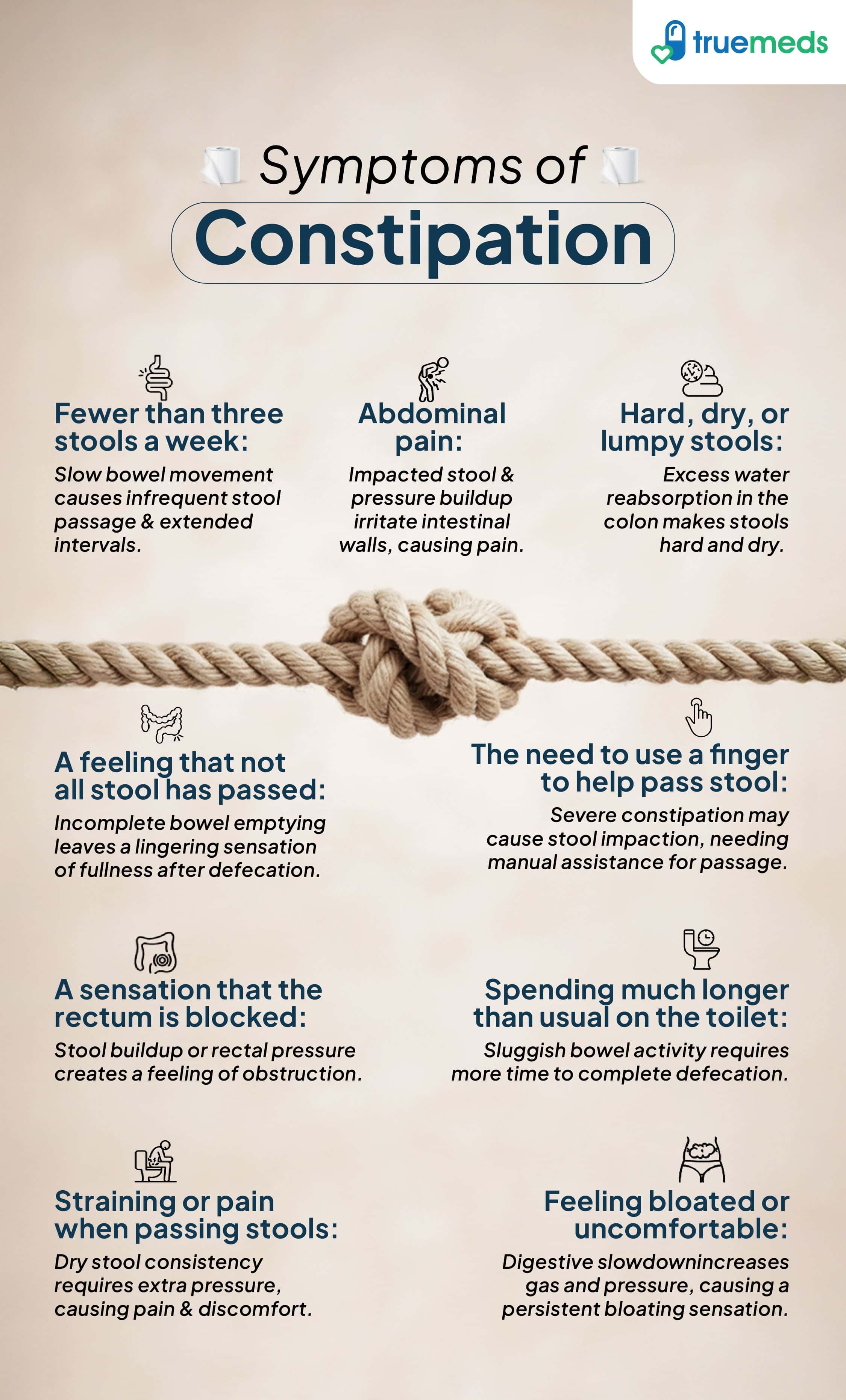
- Fewer than three stools a week
- Hard, dry, or lumpy stools
- Straining or pain when passing stools
- A feeling that not all stool has passed
- A sensation that the rectum is blocked
- The need to use a finger to help pass stool
- Difficult and painful bowel movements
- Needing to open the bowels less often than usual
- Hard, dry stools that may be painful to pass
- Spending much longer than usual on the toilet
- The sensation that the bowel hasn’t fully emptied
- Bloated abdomen
- Abdominal cramps
- Feeling bloated or uncomfortable
- Feeling sluggish
- Abdominal pain
Causes of Constipation
Constipation can stem from a variety of causes, ranging from lifestyle factors to underlying medical conditions. It occurs when stool moves too slowly through the colon, causing it to become hard, dry, and difficult to pass. Below are some common causes:
Lifestyle Factors
- Not drinking enough fluids.
- Low dietary fibre intake.
- Lack of regular exercise.
- Ignoring the urge to pass stool.
- Stress or changes in routine, such as travel or sleep patterns.
Medications
- Opioid pain relievers like oxycodone or hydromorphone.
- Nonsteroidal anti-inflammatory drugs (NSAIDs) like ibuprofen or naproxen.
- Antidepressants, such as fluoxetine or amitriptyline.
- Antacids containing calcium or aluminium.
- Iron supplements.
- Allergy medications like antihistamines.
- Some blood pressure medicines, particularly calcium channel blockers.
Medical Conditions
- Irritable bowel syndrome (IBS).
- Diabetes or hypothyroidism.
- Neurological disorders like Parkinson's disease, multiple sclerosis, or stroke.
- Structural issues, such as colorectal cancer or intestinal obstructions.
- Pregnancy or conditions affecting the pelvic floor muscles.
These factors, alone or in combination, can contribute to constipation, making it essential to identify the underlying cause for effective treatment.
Risk Factors
Several risk factors can increase the likelihood of experiencing constipation, including:
- Pregnancy
- Ageing
- Lack of physical activity
- Low-fibre diet
- Dehydration
- Certain medications (such as antacids containing aluminium, anticholinergics, antispasmodics, anticonvulsants, calcium channel blockers, diuretics, and iron supplements)
- Underlying medical conditions (digestive disorders, hormonal imbalances, and neurological conditions)
Complications
Constipation can lead to several complications if left untreated, affecting both physical health and quality of life. The complications of constipation include:
- Haemorrhoids: Straining during bowel movements can result in haemorrhoids, which are swollen blood vessels in the rectal area. This can lead to pain, itching, and bleeding.
- Anal fissures: Hard stools can cause small tears in the lining of the anus, known as anal fissures. These can be painful and may result in bleeding during bowel movements.
- Faecal impaction: Severe constipation can lead to faecal impaction, where stool becomes hard and lodged in the rectum. This condition can require medical intervention for removal and may cause discomfort and pain.
- Bowel obstruction: Chronic constipation may increase the risk of bowel obstruction, where the intestines become blocked. This serious condition can lead to severe pain, vomiting, and may require surgical treatment.
- Rectal prolapse: In some cases, prolonged straining can cause rectal prolapse, where part of the rectum protrudes from the anus. This can require surgical repair.
Prevention of Constipation
Preventing constipation involves making lifestyle adjustments that promote healthy bowel movements. Maintaining good dietary habits, staying hydrated, and incorporating regular physical activity can significantly reduce the chances of constipation. Here are some effective prevention methods:
- Consume a high-fibre diet, including vegetables, fruits, legumes, and whole-grain foods.
- Limit low-fibre foods such as processed items, dairy, and meats.
- Aim for 25 to 30 grams of fibre daily, with sources like bran cereal, apples (with the skin), and strawberries.
- Drink enough fluids daily according to thirst, activity level, climate, and medical needs.
- Avoid caffeinated beverages like coffee and soft drinks that can dehydrate you.
- Stay active by exercising regularly. Even light activities like walking can help improve bowel movements.
- Respond promptly to the urge to pass stool; don’t delay.
- Establish a consistent routine for bowel movements, especially after meals.
- Consider dietary supplements like magnesium for constipation (only under the guidance of a healthcare provider).
Diagnosis & Tests
Diagnosing constipation involves a thorough assessment of symptoms, medical history, and various tests to determine the underlying causes and appropriate treatment options. These include:
- Medical history: The diagnosis typically begins with a doctor reviewing the patient's medical history and symptoms. Patients may be asked about their bowel habits, dietary intake, fluid consumption, physical activity, and any medications they are taking.
- Physical examination: A physical exam may be conducted to check for signs of constipation or related conditions. This can include abdominal palpation to assess for bloating or tenderness and a rectal examination to evaluate the anal area and assess stool consistency.
- Blood tests: These can help identify underlying conditions, such as hormonal imbalances or metabolic disorders.
- X-rays: Abdominal X-rays may be used to visualise the colon and assess for faecal impaction or obstruction.
- Colonoscopy: This procedure involves using a flexible tube with a camera to examine the interior of the colon and rectum, helping to rule out structural issues or diseases.
- Anorectal manometry: This test measures the pressure and function of the rectal and anal muscles, providing insight into potential muscle dysfunction.
- Defecography: This imaging test evaluates the mechanics of bowel movements, helping to identify any abnormalities in how the rectum and anus function during defecation.
- Stool tests: These tests can include stool culture for harmful bacteria, stool fat tests to assess malabsorption, and faecal occult blood tests to detect hidden blood, which may indicate gastrointestinal bleeding.
Treatment & Management
Effective management of constipation focuses on restoring normal bowel function, easing discomfort, and preventing recurrence. Treatment options vary depending on the cause, severity, and duration of symptoms. A combination of dietary adjustments, pharmacological agents, and sometimes prokinetic therapies is utilised to achieve lasting relief.
1. Fibre Supplements to Add Bulk
Bulk-forming agents are typically the first line of treatment for mild to moderate constipation. They work by absorbing water in the intestines, thereby increasing stool volume and triggering natural bowel movements.
- Psyllium (Ispaghula husk): A natural fibre supplement that forms a gel-like consistency in the gut, aiding stool passage.
- Methylcellulose: A synthetic fibre that softens and expands stool for easier evacuation.
These help to:
- Normalise bowel movements in cases of irregularity
- Reduce straining and the risk of haemorrhoids
- Promote long-term bowel regularity when used consistently with adequate fluid intake
2. Softeners for Easier Stool Passage
When stools become hard and difficult to pass, stool softeners offer relief by drawing water into the stool mass, easing its passage through the rectum.
- Docusate: Docusate sodium or docusate calcium are the surface-active agents that enhance water penetration into dry stool.
- Liquid paraffin: It acts as a lubricant, coating the stool and bowel lining to ease movement.
Stool softeners are especially useful:
- After surgery or childbirth
- In individuals with haemorrhoids or anal fissures
- When straining should be avoided due to cardiovascular concerns
3. Stimulant-Based Relief for Prompt Action
Stimulant laxatives are used for short-term relief when immediate bowel evacuation is required. They stimulate the intestinal nerves to enhance peristalsis.
- Bisacodyl and sodium picosulfate: Act directly on the colon to induce contractions.
- Castor oil: A traditional remedy that works as a strong stimulant through ricinoleic acid release in the small intestine.
Stimulant laxatives are best used:
- For occasional, acute constipation
- In preparation for medical procedures like a colonoscopy
- When other laxatives have failed to provide timely relief
4. Osmotic Laxatives to Draw in Water
Osmotic laxatives work by attracting water into the colon, which softens the stool and promotes peristalsis without directly stimulating the bowel lining.
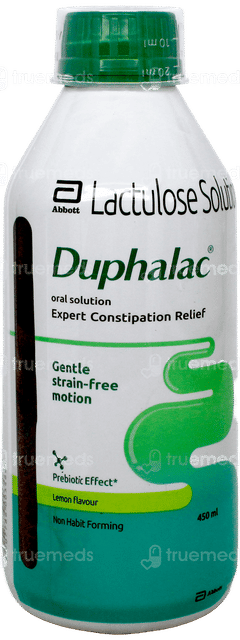
- Lactulose: A non-absorbable sugar that helps soften stool and may also improve gut flora.
- Magnesium hydroxide: Also known as milk of magnesia, it works quickly to relieve symptoms.
- Sodium sulphate and sodium phosphate: Saline osmotic agents are often used for rapid bowel cleansing.
These are especially helpful in:
- Constipation is linked to inadequate fluid intake
- Post-operative constipation
- Chronic cases unresponsive to fibre alone
5. Targeted Action with Prokinetic Support
In cases of chronic constipation, especially where traditional laxatives fail, prokinetic agents offer targeted support by directly enhancing bowel muscle activity.
- Prucalopride: A selective 5-HT₄ receptor agonist that increases colonic motility, promoting more regular and complete bowel movements.
Prokinetic therapy is suitable for:
- Chronic idiopathic constipation
- Patients are unresponsive to fibre, stool softeners, or stimulants
- Long-term use under medical supervision, particularly in women with slow-transit constipation
Living with Disease
Living with constipation can be challenging, but several lifestyle and dietary changes can help manage and prevent this condition. These include:
- Increasing your intake of dietary fibre is crucial, with adults aiming for 22 to 34 grams per day. High-fibre foods include fresh fruits, vegetables, whole grains, beans, lentils, and nuts.
- Maintain adequate hydration based on your needs.
- Regular exercise, such as 150 minutes of moderate-intensity activity per week or even short walks after meals, can help stimulate bowel movements.
- Establishing a consistent schedule for toileting, diet, and exercise can also prevent constipation.
- If possible, avoid medications that can cause constipation, such as pain relievers, antidepressants, and certain antacids.
- For those with underlying medical conditions like diabetes or hypothyroidism, or those taking medications that can cause constipation, such as strong pain medicines, personalised advice from a doctor is crucial.
When to See a Doctor?
If you are experiencing chronic constipation that persists for more than four weeks, it's time to consult a doctor. Infrequent or painful bowel movements that do not improve with lifestyle changes and over-the-counter medications also warrant medical attention. Symptoms such as faecal impaction, blood in the stool, severe abdominal pain, or significant weight loss require immediate evaluation.
Key Takeaways
- Managing constipation involves a combination of dietary and lifestyle modifications. Increasing fibre intake through foods like fruits, vegetables, whole grains, and legumes is essential.
- Staying hydrated by drinking plenty of water and consuming foods with high water content can help soften stools.
- Regular physical activity and establishing consistent routines for toileting, diet, and exercise are also beneficial.
- Recognising the symptoms of chronic constipation and knowing when to seek medical advice is crucial for effective constipation treatment and prevention.
- By implementing these strategies and working closely with doctors when necessary, individuals can find relief from constipation and improve their overall digestive health.
FAQs
How can constipation be relieved quickly?
Why am I so constipated?
How to ease constipation?
To ease constipation, increase fibre intake to 25-34 grams daily, stay well-hydrated, engage in regular exercise, establish a bowel routine, and avoid straining during bowel movements.
What foods help with constipation?
High-fibre foods like oatmeal, prunes, apples, pears, beans, lentils, leafy greens, and whole grains can help relieve constipation by promoting regular bowel movements.
How can I make constipation go away?
Increasing fluid intake, consuming fibre-rich foods, engaging in physical activity, and using over-the-counter laxatives as directed can help relieve constipation relatively quickly.
Are bananas good for constipation?
Ripe bananas can help alleviate constipation due to their high fibre content, while unripe or green bananas may actually worsen constipation because of their starch content.
What drink helps constipation?
Water is the best drink for constipation relief, as it helps soften stools. Prune juice, apple juice, and warm lemon water can also be beneficial.
Is milk good for constipation?
Milk can cause constipation in some individuals, particularly if lactose intolerance is present. However, fermented dairy products like yoghurt and kefir may have a mild laxative effect due to their probiotic content.
Which fruit is good for constipation?
Fibre-rich fruits like prunes, apples, pears, kiwis, and berries can help alleviate constipation by promoting regular bowel movements and softening stools.
Is yoghurt good for constipation?
Yoghurt containing live and active cultures (probiotics) can help relieve constipation by promoting the growth of beneficial gut bacteria, which aids in digestion and regularity.
How to clear constipation quickly?
Drinking plenty of water, consuming high-fibre foods, engaging in physical activity, and using gentle laxatives as directed can help clear constipation relatively quickly.
References
- National Institute of Diabetes and Digestive and Kidney Diseases. (2018, May). Definition & facts for constipation. https://www.niddk.nih.gov/health-information/digestive-diseases/constipation/definition-facts
- National Institute on Ageing. (2021, January 15). Concerned about constipation? https://www.nia.nih.gov/health/concerned-about-constipation
- MedlinePlus. (2020). Constipation. https://medlineplus.gov/constipation.html
- Diaz, S., Bittar, K., Hashmi, M. F., & Mendez, M. D. (2023, November 12). Constipation. StatPearls - NCBI Bookshelf. https://www.ncbi.nlm.nih.gov/books/NBK513291/#:~:text=Normal%2Dtransit%20constipation%20(NTC),Neurologic%20Causes
- Symptoms & Causes of Constipation. (2025, August 27). National Institute of Diabetes and Digestive and Kidney Diseases. https://www.niddk.nih.gov/health-information/digestive-diseases/constipation/symptoms-causes

Check Related Salts
Browse Other Conditions
Latest health articles
Top Health Essentials












Disclaimer
Top-Selling Medicines:
...View more
Top-OTC medicines:
...View more
Company
About UsHealth ArticleHealth StoriesHealth LibraryDiseases & Health ConditionsAyurvedaUnderstanding Generic MedicinesAll MedicinesAll BrandsNeed HelpFAQSecuritySavings CalculatorAdvertise with UsSubscribe
Registered Office Address
Grievance Officer
Download Truemeds


Contact Us
Our customer representative team is available 7 days a week from 9 am - 9 pm.
v4.28.14

2026 - Truemeds | All rights reserved. Our content is for informational purposes only. See additional information.

Our Payment Partners




