

- Medicines
- Personal Care
- Skin Cream
- Sunscreen
- Face Wash
- Skin and Body Soap
- Acne Care
- Body Lotions
- Moisturising Lotion
- Moisturising Cream
- Mosquito Repellent
- Moisturising Gel
- Body Wash
- Hair Oils
- Hair Shampoo
- Hair Conditioners
- Hair Supplements
- Hair Colour
- Hair Serum
- Hair Mask
- Hair Solutions
- Baby Diapers and Wipes
- Baby Lotion and Moisturising Cream
- Baby Bath Essentials
- Baby Skin Care
- Baby and Infant Food
- Baby Healthcare
- Women Multivitamins
- Ovulation Test Kit and Women Intimate Care
- Sanitary Pads
- Nutritional Drinks
- Condoms
- Lubricants
- Massage Gels
- Personal Body Massagers
- Men Performance Booster
- Sexual Health Supplements
- Massage Oils
- Ayurveda
- Tooth Paste
- Mouth Ulcer Gel
- Mouthwash
- Toothache and Gum Pain
- Tooth Brush
- Gargle Solution
- Orthopaedic Supports
- Adult Diapers
- Footwear
- Mobility and Support Accessories
- Urinary Support and Care
- Health Conditions
- Bone and Joint Care
- Digestive Care
- Eye Care
- Pain Relief
- Smoking Cessation
- Liver Care
- Stomach Care
- Cold and Cough
- Heart Care
- Kidney Care
- Piles, Fissures & Fistula
- Respiratory Care
- Mental Wellness
- Derma Care
- Pre and Probiotics
- Acidity
- Gas
- Constipation
- Loose Motion/Diarrhoea
- Digestive Fibres
- Digestive Enzymes
- Eye Lubricant Drops
- Lens Solution
- Safety Eye Wear
- Eye Cream
- Eye Vitamins and Supplements
- Eye Drops
- Eye Ointment and Gel
- Nicotine Patch
- Nicotine Gum
- Nicotine Lozenges
- Cough Syrups
- Chest Rubs and Balms
- Nasal Spray
- Lozenges
- Inhalant Capsules
- Cold and Cough Tablets
- Vitamins & Supplements
- Diabetes Care
- Healthcare Devices
- Homeopathic Medicine
- Health Guide
Kutaki
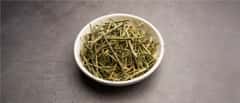
Kutaki, also called Kutki, is a bitter Himalayan herb (Picrorhiza kurroa) long used in Ayurveda to support liver health and digestion. It is the dried root and rhizome of the plant, commonly available as a powder, capsule or tablet. In Ayurveda, it is valued as a cooling, Pitta-balancing herb and is traditionally used to support liver function, healthy digestion and appetite. It is not intended to treat or cure any disease.
 50
50Last updated on : 12 Aug, 2026
Read time : 12 mins
What is Kutaki?
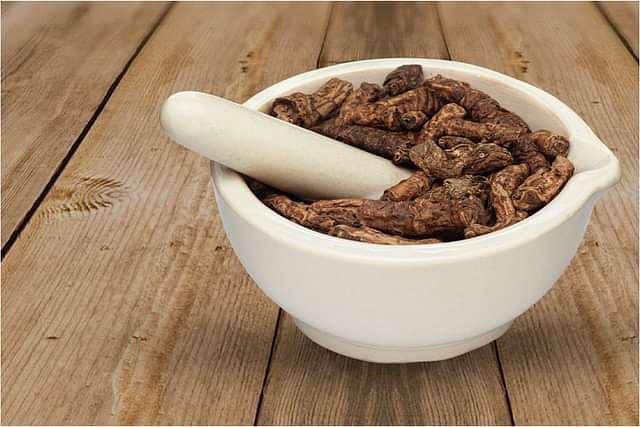
The name Katuki, or Katukarohini, comes from the Sanskrit word katu, meaning bitter, which describes the herb's intensely bitter taste. Kutaki is the dried root and rhizome of Picrorhiza kurroa, a small perennial herb native to the higher Himalayan regions of India, Nepal and Tibet. It has been used in Ayurveda for centuries, mainly as a bitter tonic to support liver health and digestion.
Kutaki's traditional uses and studied properties are largely attributed to its bitter compounds, chiefly picroside I, picroside II and kutkoside (collectively referred to as kutkin), which have been studied for their antioxidant and hepatoprotective (liver-supporting) effects in laboratory and preclinical studies (Raut et al., 2023). In Ayurveda it is classified by its taste (Rasa), potency (Virya), post-digestive effect (Vipaka) and its action on the doshas.
How is Kutaki Made?
Kutaki is made from the dried root and rhizome of the plant. These are cleaned to remove soil and grit, then shade-dried to help preserve the active compounds, including picrosides and kutkoside. The dried rhizomes are milled into powder or processed into extracts, tablets or capsules. Careful drying and storage are needed to help maintain the quality of the herb.
Key Facts
| Feature | Details |
| Botanical name | Picrorhiza kurroa Royle ex Benth. |
| Family | Plantaginaceae (formerly placed in Scrophulariaceae) |
| Part used | Dried root and rhizome |
| Ayurvedic name | Katuki / Katukarohini (Kutki) |
| Ayurvedic properties | Rasa, Virya, Vipaka and dosha action
|
| Key active compounds | Picroside I and II, kutkoside (together known as kutkin), apocynin, androsin, vanillic acid, phenolics and flavonoids
|
| Traditional uses | Bitter tonic used to support liver health, appetite and digestion
|
| Common forms | Churna (powder), tablets, capsules, extracts
|
| General dosage | Adults: about 0.5 to 1 g of powder, or 250 to 500 mg of extract, daily, or as advised by a practitioner
|
| Best taken | With warm water, before or after food, for a limited course |
| Key safety note | Avoid using Kutaki during pregnancy and breastfeeding. Do not use it as a substitute for medical care if you have suspected or diagnosed liver disease. Large doses can cause loose stools.
|
Alternative Names of Kutaki
Kutaki is known by several names across India and traditional medicine systems. The main ones are:
- Botanical name: Picrorhiza kurroa (family Plantaginaceae)
- English: Kutki / Picrorhiza (sometimes referred to as "Indian gentian")
- Sanskrit: Katuki, Katukarohini, Tikta (names referring to its bitter taste)
- Hindi: Kutki, Kaur, Karru
- Marathi: Kutki
- Bengali: Katki
- Gujarati: Kadu, Kariyatu
- Kannada: Katuka rohini
- Tamil: Kadugurohini
- Telugu: Katuka rohini
Chemical Constituents of Kutaki
Kutaki owes its bitterness and many of its studied properties to a group of compounds concentrated in the root and rhizome. The main constituents are:
- Picroside I and picroside II, the major bioactive compounds.
- Kutkoside, which, together with picrosides, is often collectively referred to as kutkin, the herb's principal bitter compound.
- Apocynin and androsin, which have been studied for their anti-inflammatory properties.
- Vanillic acid and other phenolics, with antioxidant properties.
- Small amounts of flavonoids and cucurbitacin glycosides.
Medicinal Properties of Kutaki
Kutaki is described in Ayurveda and has been studied in modern research for a range of recognised properties, most linked to its bitter picrosides:
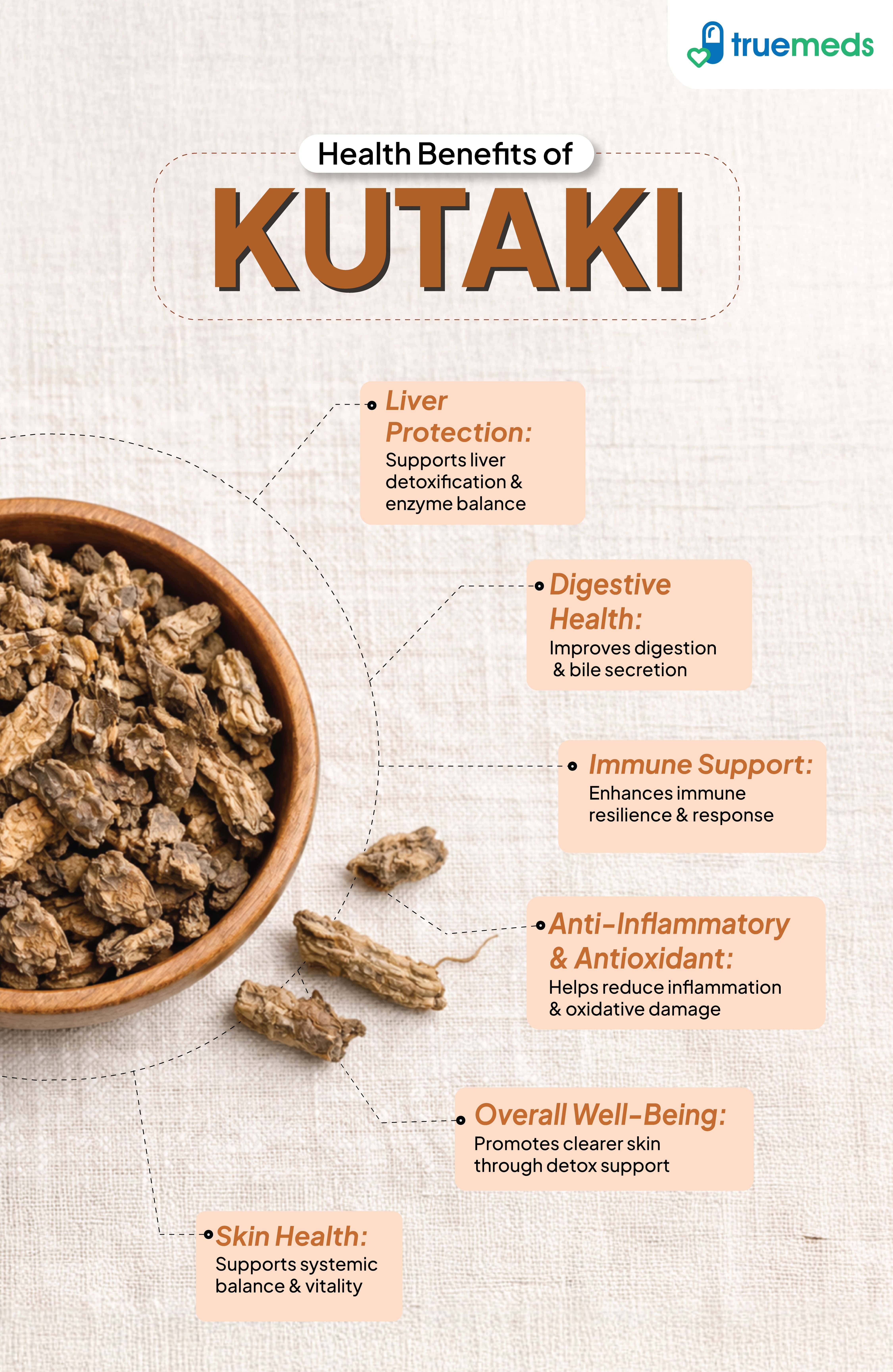
- Hepatoprotective: Traditionally used to support liver health and has been studied for its potential protective effects on liver cells.
- Bitter tonic and digestive stimulant: The bitter taste is traditionally used to stimulate appetite and support digestion.
- Antioxidant: Its compounds may help reduce oxidative stress.
- Anti-inflammatory: Laboratory and animal studies suggest it may have anti-inflammatory properties.
- Immunomodulatory: It has been studied for its potential to help regulate the body's immune response.
- Cholagogue: Traditionally used to support the normal flow of bile.
These properties are reviewed for Picrorhiza kurroa in the herbal-medicine literature (Raut et al., 2023). However, much of the available evidence comes from laboratory and animal studies, and clinical evidence in humans remains limited.
Key Health Benefits of Kutaki
Kutaki is used in Ayurveda mainly as a bitter liver and digestive tonic. Its main traditional benefits are set out below, with the likely reason it may help.
Supports Liver Health
Kutaki is traditionally regarded as an important herb for supporting liver health in Ayurveda. Its picrosides have been studied for their antioxidant and hepatoprotective effects in laboratory and animal studies, as well as their potential to support normal bile flow. However, clinical evidence in humans remains limited, although it is being investigated for conditions such as fatty liver disease (Raut et al., 2023).
Aids Digestion and Appetite
Kutaki is traditionally used to stimulate appetite and support digestion. The bitter taste is thought to stimulate digestive secretions, which may help support normal digestion and relieve a heavy feeling, bloating and occasional slow digestion after meals.
Provides Antioxidant and Anti-inflammatory Support
The picrosides and phenolic compounds in Kutaki have demonstrated antioxidant activity in laboratory studies, which may help reduce oxidative stress. Laboratory and animal studies also suggest anti-inflammatory properties, although evidence in humans is limited.
Supports the Immune Response
Kutaki has shown immunomodulatory activity in laboratory research, meaning it may help the immune system respond in a balanced way. In Ayurveda, it is used as part of a supportive routine rather than as a treatment for any specific infection, and evidence supporting this effect in humans remains limited.
Traditionally Used in Skin Care
As a bitter, cooling, traditionally blood-purifying herb, Kutaki is traditionally used in Ayurveda to support skin health. Evidence supporting this use is largely based on traditional practice, and anyone with a diagnosed skin condition should remain under the care of a doctor, as this is a supportive use only.
Common Uses of Kutaki
Kutaki is traditionally used in Ayurveda for a variety of purposes. Some of its common traditional uses include:
- As a liver-supporting herb: Taken in short courses in Ayurveda to support liver health and normal liver function.
- As a bitter digestive: It is traditionally used before or after meals to stimulate appetite and support healthy digestion.
- In classical formulations: Kutaki is a key ingredient in several well-known Ayurvedic liver preparations, so it is often taken as part of a polyherbal formulation rather than on its own.
- In traditional skin care: It is traditionally taken orally as a bitter, cooling herb as part of a supportive approach to maintaining skin health.
- During seasonal cleanses: It is included in traditional Pitta-balancing Ayurvedic practices.
Precautions While Taking Kutaki
Kutaki is a potent bitter herb, so a few precautions should be followed, especially at higher doses or when used for prolonged periods:
- Consult a doctor before use: Check with a doctor or qualified Ayurvedic practitioner before starting, particularly if you have a health condition or take regular medicines.
- Pregnancy and breastfeeding: Avoid Kutaki during pregnancy and breastfeeding unless recommended by a doctor, as there is insufficient evidence regarding its safety.
- Do not self-treat liver disease: If you have or suspect a liver problem, such as jaundice or hepatitis, consult a doctor promptly. Do not use Kutaki as a substitute for appropriate medical care.
- Watch for allergy: Stop use if you notice a rash, itching or other signs of an allergic reaction.
- Keep to short courses: Avoid long-term use without medical review, and use only the recommended amount.
Disclaimer: This information is for general guidance only and is not a substitute for professional medical advice. Seek medical help if symptoms are severe, persistent or worrying, or if you have symptoms suggestive of liver disease.
How to Use Kutaki
Kutaki is naturally very bitter, so it is usually taken in small, measured amounts. The main ways to use it are:
As a Powder (Churna)
Mix about a quarter to half a teaspoon (roughly 0.5 to 1 g) of Kutaki powder into warm water or a little honey, and take it once a day, preferably under the guidance of a qualified Ayurvedic practitioner or as advised by a doctor. The taste is intensely bitter.
As Tablets or Capsules
Standardised tablets or capsules are an easier way to take a measured dose, usually one or two daily, depending on the strength. Follow the manufacturer's instructions or the advice of your healthcare professional.
Within a Formulation
Kutaki is often included in Ayurvedic polyherbal formulations that support liver health. In that case, follow the dosing instructions for the specific product rather than taking additional Kutaki separately.
Herbs Traditionally Used With Kutaki
Herb | Why is it combined with Kutaki |
Guduchi (Giloy) | Traditionally combined with Kutaki in Ayurvedic formulations that support liver health and immune function. |
Bhumi Amla (Bhumyamalaki) | A traditionally used liver-supporting herb often combined with Kutaki in Ayurvedic liver formulations. |
Kalmegh (Andrographis) | Another intensely bitter herb traditionally combined with Kutaki to support liver health and digestion. |
Amla (Amalaki) | A cooling fruit traditionally used alongside Kutaki to complement its bitterness and support overall liver health. |
Punarnava | Traditionally included in Ayurvedic formulations to support liver health and maintain normal fluid balance. |
Recommended Dosage of Kutaki
Kutaki is potent, so it is generally used in small, measured amounts. The following guidance reflects traditional Ayurvedic practice rather than medically established doses. Anyone with a health condition should consult a doctor or qualified Ayurvedic practitioner before use.
- Adults: About 0.5 to 1 g of powder, or 250 to 500 mg of a standardised extract, once daily, usually for a short course of a few weeks before reviewing.
- Elderly: Similar amounts to adults, starting at the lower end, especially if taking other medicines.
- Teenagers: Use only under the guidance of a qualified Ayurvedic practitioner or as advised by a doctor.
- Children: It is not recommended without medical advice and guidance from a qualified Ayurvedic practitioner.
Note: Dosages above reflect common Ayurvedic clinical practice and are not drawn from a single official pharmacopoeial source. They are intended for general awareness only and must be verified by a qualified Ayurvedic physician before use, particularly for children, pregnant or breastfeeding women, and individuals with existing health conditions.
Side Effects of Kutaki
Kutaki is generally well tolerated when used in recommended amounts, but some side effects can occur, particularly at higher doses or with prolonged use.
Digestive Upset and Loose Stools
Kutaki may cause loose stools, stomach cramps or nausea if taken in larger amounts. Using the recommended dose may help minimise these effects.
Allergic Reactions
Some people may experience itching, a rash or other symptoms of an allergic reaction. Stop use and seek medical advice if this happens.
Effects With Long-Term or High-Dose Use
Do not take high doses or use Kutaki for extended periods without consulting a doctor or qualified Ayurvedic practitioner. If you notice unusual tiredness, yellowing of the skin or eyes, or other worrying symptoms, stop using Kutaki and consult a doctor promptly.
Interaction of Kutaki With Other Drugs
Kutaki may interact with some medicines. If you take regular medication, tell your doctor or pharmacist before using it. Particular care is needed with:
Medicines Processed by the Liver
Because Kutaki has been traditionally used to support liver function and may influence liver enzyme activity, it may affect how some medicines are metabolised by the body. If you take regular prescription medicines, especially those with potential effects on the liver, consult your doctor before using Kutaki.
Diabetes Medicines
Kutaki may affect blood sugar levels. If you take diabetes medicines, consult your doctor before using Kutaki, as it may enhance their blood sugar-lowering effects.
Other Bitter or Purgative Herbs
Combining Kutaki with other strong bitter or purgative herbs may increase the risk of loose stools. Use such combinations only under the guidance of a qualified Ayurvedic practitioner or as advised by a doctor.
Storage of Kutaki
Store Kutaki powder, tablets or capsules in an airtight container in a cool, dry, dark place, away from direct sunlight, heat and moisture. Kutaki powder may lose its quality more quickly than the whole dried rhizome, so buy it in smaller quantities and use it within the recommended shelf life. Keep it out of reach of children.
Key Takeaways
- Kutaki (Kutki) is a bitter Himalayan herb traditionally used in Ayurveda to support liver health, appetite and digestion.
- Its active compounds, including picrosides and kutkoside, have been studied for their antioxidant and hepatoprotective (liver-supporting) effects, although most of the available evidence comes from laboratory and animal studies.
- Kutaki is not a substitute for medical treatment. Do not use it in place of prescribed care for jaundice, hepatitis or other diagnosed liver conditions.
- Use Kutaki only in the dose and for the duration advised by a qualified practitioner or stated on the product label. Avoid prolonged use, and consult your doctor before use if you are pregnant, breastfeeding or taking other medicines.
FAQs
What is Kutaki good for?
How do I take Kutaki powder?
Can I take Kutaki on an empty stomach?
Is Kutaki hot or cold in potency?
Does Kutaki cause constipation?
Can Kutaki help with the liver?
Is Kutaki safe in pregnancy?
Are there any side effects?
Can I take Kutaki with my regular medicines?
References
- Raut, A., Dhami-Shah, H., Phadke, A., Shindikar, A., Udipi, S., Joshi, J., Vaidya, R., & Vaidya, A. D. B. (2023). Picrorhiza kurroa, Royle ex Benth:Traditional uses, phytopharmacology, and translational potential in therapy of fatty liver disease. Journal of Ayurveda and Integrative Medicine, 14(1), 100558. https://doi.org/10.1016/j.jaim.2022.100558


Explore other categories
Latest health articles





Top Health Essentials







Top-selling ayurvedic products
















Disclaimer
Top-Selling Medicines:
...View more
Top-OTC medicines:
...View more
Top-selling healthcare devices:
...View more
Company
About UsHealth ArticleHealth StoriesHealth LibraryDiseases & Health ConditionsAyurvedaUnderstanding Generic MedicinesAll MedicinesAll BrandsNeed HelpFAQSecuritySavings CalculatorAdvertise with UsSubscribe
Registered Office Address
Grievance Officer
Download Truemeds


Contact Us
Our customer representative team is available 7 days a week from 9 am - 9 pm.
v4.28.16

2026 - Truemeds | All rights reserved. Our content is for informational purposes only. See additional information.

Our Payment Partners




