

- Medicines
- Personal Care
- Skin Cream
- Sunscreen
- Face Wash
- Skin and Body Soap
- Acne Care
- Body Lotions
- Moisturising Lotion
- Moisturising Cream
- Mosquito Repellent
- Moisturising Gel
- Body Wash
- Hair Oils
- Hair Shampoo
- Hair Conditioners
- Hair Supplements
- Hair Colour
- Hair Serum
- Hair Mask
- Hair Solutions
- Baby Diapers and Wipes
- Baby Lotion and Moisturising Cream
- Baby Bath Essentials
- Baby Skin Care
- Baby and Infant Food
- Baby Healthcare
- Women Multivitamins
- Ovulation Test Kit and Women Intimate Care
- Sanitary Pads
- Nutritional Drinks
- Condoms
- Lubricants
- Massage Gels
- Personal Body Massagers
- Men Performance Booster
- Sexual Health Supplements
- Massage Oils
- Ayurveda
- Tooth Paste
- Mouth Ulcer Gel
- Mouthwash
- Toothache and Gum Pain
- Tooth Brush
- Gargle Solution
- Orthopaedic Supports
- Adult Diapers
- Footwear
- Mobility and Support Accessories
- Urinary Support and Care
- Health Conditions
- Bone and Joint Care
- Digestive Care
- Eye Care
- Pain Relief
- Smoking Cessation
- Liver Care
- Stomach Care
- Cold and Cough
- Heart Care
- Kidney Care
- Piles, Fissures & Fistula
- Respiratory Care
- Mental Wellness
- Derma Care
- Pre and Probiotics
- Acidity
- Gas
- Constipation
- Loose Motion/Diarrhoea
- Digestive Fibres
- Digestive Enzymes
- Eye Lubricant Drops
- Lens Solution
- Safety Eye Wear
- Eye Cream
- Eye Vitamins and Supplements
- Eye Drops
- Eye Ointment and Gel
- Nicotine Patch
- Nicotine Gum
- Nicotine Lozenges
- Cough Syrups
- Chest Rubs and Balms
- Nasal Spray
- Lozenges
- Inhalant Capsules
- Cold and Cough Tablets
- Vitamins & Supplements
- Diabetes Care
- Healthcare Devices
- Homeopathic Medicine
- Health Guide
Liver Health
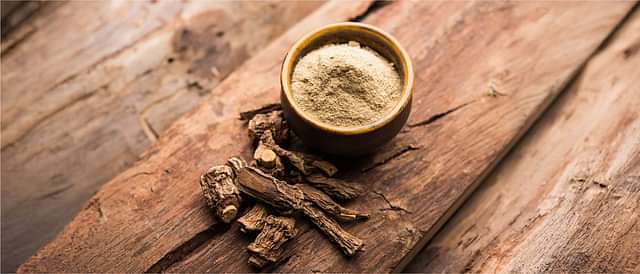
Anantamul (Hemidesmus indicus) is a climbing plant native to the Indian subcontinent whose root is used in Ayurveda. Known in English as Indian sarsaparilla and in South India as Nannari, the root is traditionally used as a cooling tonic and as the base of the drink Nannari sharbat. In Ayurvedic practice, it is also traditionally used to support appetite and skin comfort.
15th Oct 2026
|
20 mins read
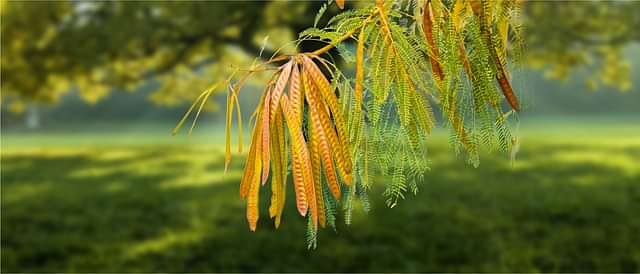
Khadir (Acacia catechu) is a medicinal tree highly valued in Ayurveda for its healing properties. Known for its natural astringent and antioxidant effects, Khadir is used to support skin health, respiratory and digestive conditions. This multipurpose tree produces kattha, a natural astringent, from its heartwood and is known for its antioxidant properties. Today, its bark, leaves, and extract are readily available for herbal medicine. The khadir tree has inextricably belonged to herbal management in one culture or the other, owing to its long history of use in traditional healing practices.
31st Jul 2025
|
11 mins read
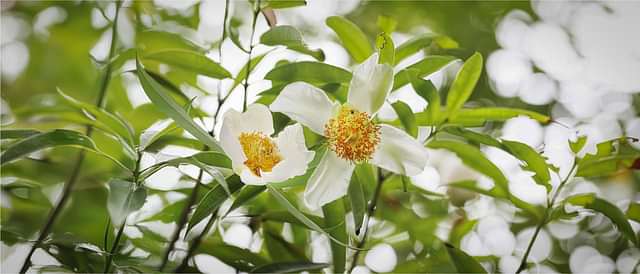
Nagkesar (Mesua ferrea) is a tropical tree whose dried flowers, bark and seeds are used in Ayurvedic medicine. It belongs to the Calophyllaceae family and is traditionally described as having an astringent taste and warming potency. Nagkesar is traditionally used to support skin health, joint comfort and digestive wellness, and has been studied for mild anti-inflammatory and antimicrobial actions. It is generally taken as a powder, oil or tablet, under the guidance of a qualified practitioner.
29th Jul 2025
|
11 mins read
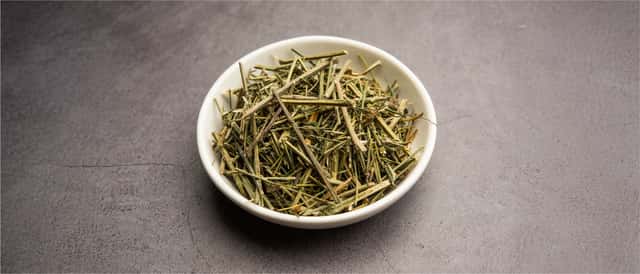
Chirata or Swertia chirata is an alpine plant from the Himalayan region which grows at an altitude of 1200 – 2100 metres. It has been incorporated into many traditional systems of medicine, including Ayurveda and Unani, and it is usually prescribed for many ailments, including liver disorders, malaria, and diabetes. It has a very bitter taste that originates from natural chemicals that benefit human beings. However, the Chirata plant is listed as an endangered species in the wild because of the overwhelming market demand and excessive harvesting. Attempts are being made to protect Chirata plants from extinction, and researchers and farmers are exploring ways to cultivate Chirata plants with the help of the latest plant science technology.
28th Jul 2025
|
13 mins read
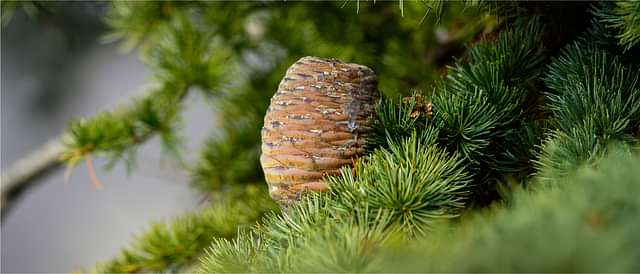
Commonly known as Himalayan Cedar or Cedrus deodara, the Devdaru is considered an auspicious medicinal plant of religious significance in Indian culture. Humans are natural beings, and Mother Nature always looks after her children. Regarding health and wellness, she has an abundance of herbs, plants, spices, and fruits. One such plant from that arsenal is the Devadaru or deodar tree, which holds immense importance in Ayurveda. Ayurveda is an ancient Indian holistic system of medicine that promotes balance in the mind, body, and spirit. Practitioners and sages have repeatedly emphasized the benefits and significance of Devdaru.
28th Jul 2025
|
14 mins read
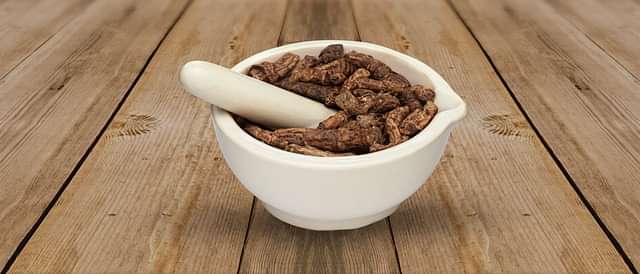
Kutaki, also called Kutki, is a bitter Himalayan herb (Picrorhiza kurroa) long used in Ayurveda to support liver health and digestion. It is the dried root and rhizome of the plant, commonly available as a powder, capsule or tablet. In Ayurveda, it is valued as a cooling, Pitta-balancing herb and is traditionally used to support liver function, healthy digestion and appetite. It is not intended to treat or cure any disease.
17th Jul 2025
|
12 mins read
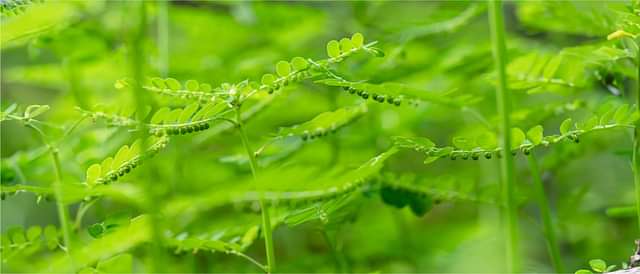
Bhumi Amla, scientifically known as Phyllanthus niruri, is a significantly valued herb in Ayurvedic medicine. This small, annual herb is found globally in many tropical and subtropical regions and is well-regarded for its potent medicinal uses. It has been used in traditional medicine for numerous years, particularly for managing various diseases, most notably those affecting the liver. Ayurvedic scriptures view Bhumi Amla to be a Kapha and Pitta pacifying herb. In current times, P. niruri has garnered interest in modern research, primarily due to its documented potential effects on liver health, support for controlling blood sugar, and enhancing the immune system. We will look into all aspects of Bhumi Amla, including its traditional uses, documented benefits, and possible side effects, among many others, in this complete guide.
30th Jun 2025
|
15 mins read
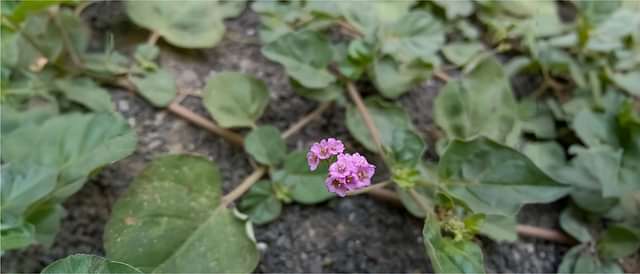
Punarnava (Boerhavia diffusa), also known as Spreading Hogweed, is a medicinal plant traditionally used in Ayurvedic medicine. It is rich in essential nutrients, including vitamin C, and other active compounds. Known for its cleansing and regenerative properties, it supports kidney and liver function. Punarnava is commonly used for managing general weakness, oedema (fluid retention), and urinary disorders. In addition, it may provide relief from gas and abdominal pain, and is believed to improve digestion. The herb is also thought to aid in weight management by potentially suppressing appetite. Due to its anti-inflammatory properties, it can help promote overall health and assist in conditions associated with inflammation. As with all herbal remedies, it is recommended to use Punarnava under professional guidance to ensure safety and efficacy.
28th Jun 2025
|
16 mins read
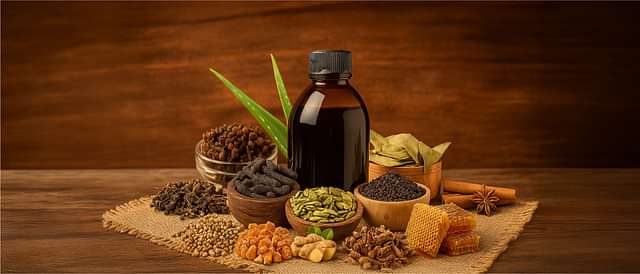
Kumaryasava is a traditional Ayurvedic asava, a self-fermented liquid formulation prepared mainly with Kumari (Aloe vera) along with other classical herbs. In Ayurvedic practice, it is traditionally used to support digestion and liver function. It is generally taken after meals, diluted with water, under the guidance of a qualified Ayurvedic practitioner.
21st Jun 2025
|
10 mins read
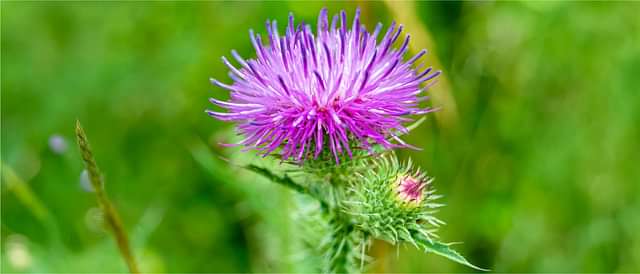
Milk thistle (Silybum marianum) is a Mediterranean plant whose seeds contain silymarin, a group of antioxidant plant compounds. In Western herbal practice it has been used for centuries to support the liver, and some people also take it to aid digestion. It is a herbal supplement rather than a treatment for liver disease.
21st Jun 2025
|
10 mins read
Explore other categories
Latest health articles





Top Health Essentials




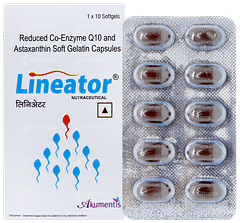

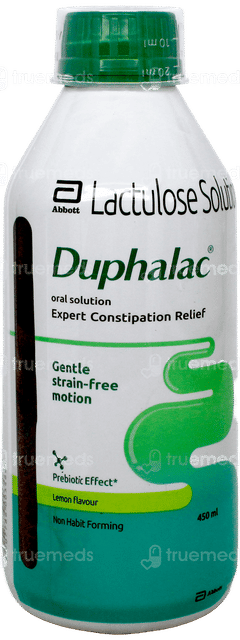


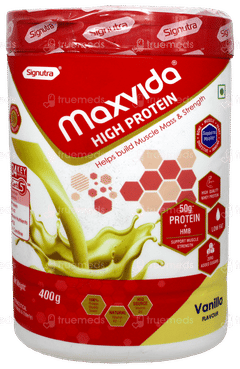
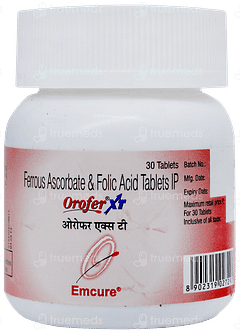
Top-selling ayurvedic products















Top-Selling Medicines:
...View more
Top-OTC medicines:
...View more
Top-selling healthcare devices:
...View more
Company
About UsHealth ArticleHealth StoriesHealth LibraryDiseases & Health ConditionsAyurvedaUnderstanding Generic MedicinesAll MedicinesAll BrandsNeed HelpFAQSecuritySavings CalculatorAdvertise with UsSubscribe
Registered Office Address
Grievance Officer
Download Truemeds


Contact Us
Our customer representative team is available 7 days a week from 9 am - 9 pm.
v4.28.18

2026 - Truemeds | All rights reserved. Our content is for informational purposes only. See additional information.

Our Payment Partners