

- Medicines
- Personal Care
- Skin Cream
- Sunscreen
- Face Wash
- Skin and Body Soap
- Acne Care
- Body Lotions
- Moisturising Lotion
- Moisturising Cream
- Mosquito Repellent
- Moisturising Gel
- Body Wash
- Hair Oils
- Hair Shampoo
- Hair Conditioners
- Hair Supplements
- Hair Colour
- Hair Serum
- Hair Mask
- Hair Solutions
- Baby Diapers and Wipes
- Baby Lotion and Moisturising Cream
- Baby Bath Essentials
- Baby Skin Care
- Baby and Infant Food
- Baby Healthcare
- Women Multivitamins
- Ovulation Test Kit and Women Intimate Care
- Sanitary Pads
- Nutritional Drinks
- Condoms
- Lubricants
- Massage Gels
- Personal Body Massagers
- Men Performance Booster
- Sexual Health Supplements
- Massage Oils
- Ayurveda
- Tooth Paste
- Mouth Ulcer Gel
- Mouthwash
- Toothache and Gum Pain
- Tooth Brush
- Gargle Solution
- Orthopaedic Supports
- Adult Diapers
- Footwear
- Mobility and Support Accessories
- Urinary Support and Care
- Health Conditions
- Bone and Joint Care
- Digestive Care
- Eye Care
- Pain Relief
- Smoking Cessation
- Liver Care
- Stomach Care
- Cold and Cough
- Heart Care
- Kidney Care
- Piles, Fissures & Fistula
- Respiratory Care
- Mental Wellness
- Derma Care
- Pre and Probiotics
- Acidity
- Gas
- Constipation
- Loose Motion/Diarrhoea
- Digestive Fibres
- Digestive Enzymes
- Eye Lubricant Drops
- Lens Solution
- Safety Eye Wear
- Eye Cream
- Eye Vitamins and Supplements
- Eye Drops
- Eye Ointment and Gel
- Nicotine Patch
- Nicotine Gum
- Nicotine Lozenges
- Cough Syrups
- Chest Rubs and Balms
- Nasal Spray
- Lozenges
- Inhalant Capsules
- Cold and Cough Tablets
- Vitamins & Supplements
- Diabetes Care
- Healthcare Devices
- Homeopathic Medicine
- Health Guide
Bhringraj
Bhringraj, also known as Eclipta prostrata, is an Ayurvedic herb traditionally used for hair care. It is commonly used to support scalp health and is traditionally associated with hair growth, and is also traditionally used to support liver and digestive health.
 50
50Last updated on : 24 Sep, 2026
Read time : 12 mins
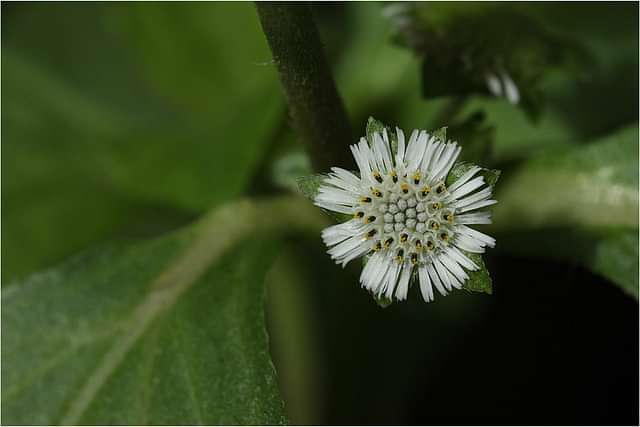
What is Bhringraj?
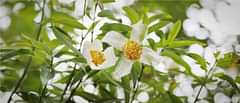
Bhringraj is traditionally referred to as the King of Herbs in Ayurveda because of its long-standing traditional use in hair care. It is described in classical Ayurvedic texts as Keshya, a group of herbs traditionally used to support hair health, and is prepared from the leaves of Eclipta prostrata, a small flowering plant of the daisy family that grows in damp, marshy areas across India, China, Thailand and Brazil.
In Ayurveda, Bhringraj is traditionally used to help balance Vata and Kapha doshas (Jahan et al., 2014). It is classified as Tikta rasa (bitter taste), Ushna virya (hot potency), and is traditionally grouped among Keshya (hair-supporting) and Rasayana (rejuvenative) herbs.
Key Facts
| Feature | Details |
| Botanical name | Eclipta prostrata |
| Family | Asteraceae |
| Part used | Leaves and whole plant |
| Ayurvedic category | Keshya (traditionally classified among herbs used to support hair health) and Rasayana |
| Ayurvedic properties | Tikta rasa (bitter), Ushna virya (hot), traditionally believed to help balance Vata and Kapha doshas (Jahan et al., 2014 |
| Key active compounds | Wedelolactone, ecliptine, luteolin, coumestans, stigmasterol, apigenin, and other polypeptides and polyacetylenes |
| Traditional uses | Supporting hair growth and scalp health, and traditionally used to support liver and digestive health |
| Common forms | Oil, powder, capsules, extract, juice |
| General dosage | Powder: 1 to 2 teaspoons daily; capsules or tablets: follow the dose advised by the product label or doctor |
| Best taken | Powder and capsules with water, generally after meals; oil applied directly to the scalp |
| Key safety note | Avoid in pregnancy and breastfeeding without medical advice, and use with caution alongside liver medicines or anticoagulants |
Alternative Names of Bhringraj
Bhringraj is known by its botanical name and by Sanskrit, regional and English names. Here are the ways it is commonly referred to.
- Botanical name: Eclipta prostrata
- Sanskrit: Bhringaraja, Kesharaja
- Hindi: Bhringraj, Bhangra, Bhangro, Keshraj, Maka
- Tamil: Karisalankani
- Telugu: Gunta galagaraaku
- Bengali: Kesuriya, Bhimra (for yellow varieties)
- Malayalam: Kannunni
- Gujarati: Bhangaro
- Punjabi: Bhangra, Bhangro, Keshraj, Maka
- English: False daisy
Herbs Traditionally Used With Bhringraj
Bhringraj is often combined with other herbs and carrier oils in classical Ayurvedic hair care preparations. Here are some it is traditionally paired with.
| Herb or Ingredient | Traditional Pairing |
| Amla (Indian gooseberry) | Commonly Amla combined with Bhringraj in hair oils and powders, traditionally valued for its nutrient and antioxidant content alongside Bhringraj's traditional hair-supporting action. |
| Brahmi (Bacopa monnieri) | Sometimes Brahmi is included alongside Bhringraj in hair care formulations, traditionally used together for its calming action as well as general hair and scalp support. |
| Sesame or coconut oil | Used as a carrier oil in Bhringraj oil preparations, helping with application during traditional scalp and hair care. |
Medicinal Properties of Bhringraj
Bhringraj is traditionally understood, and in some cases has been studied, to have the following actions or properties.
- Antioxidant, associated with helping the body manage oxidative stress (Dudhat et al., 2024)
- Anti-inflammatory, associated with helping reduce skin and scalp inflammation
- Hepatoprotective, traditionally believed to support liver function and bile production (Jahan et al., 2014)
- Calming, traditionally associated with supporting mental clarity and restful sleep (Thakur & Mengi, 2005)
- Antimicrobial, associated with inhibiting microorganisms that may contribute to dandruff
These properties are described in traditional and preliminary laboratory sources rather than large-scale human clinical trials, so they should be read as traditional uses and early-stage research findings, rather than established clinical effects.
Key Health Benefits of Bhringraj
Bhringraj may support hair and scalp health, liver function, digestion and general wellbeing. It may also support relaxation and help soothe minor skin irritation. However, human evidence for specific benefits such as hair growth, premature greying or liver support remains limited, so Bhringraj should not replace medical treatment for diagnosed conditions.
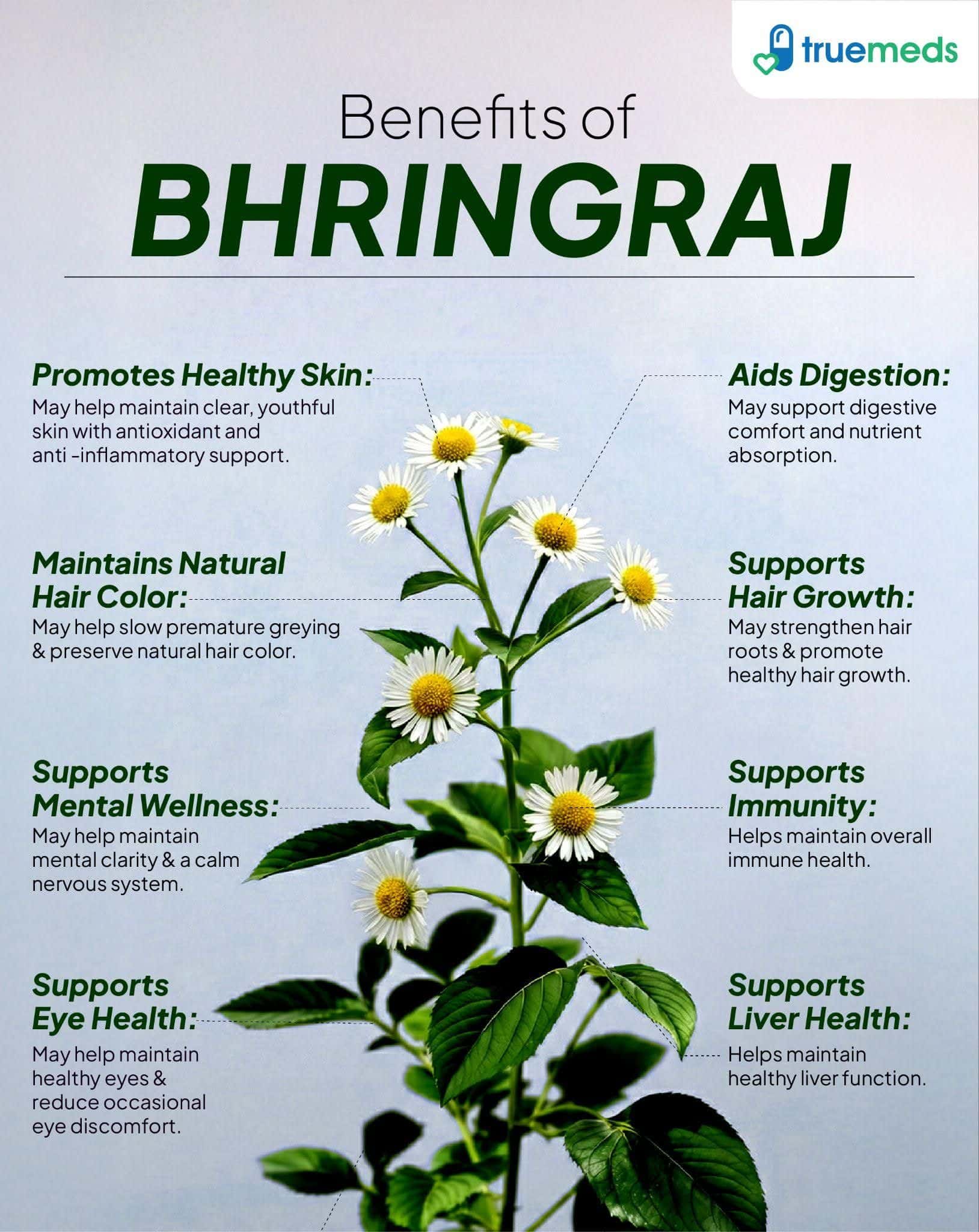
1. May Support Hair Growth
Bhringraj is traditionally used to support hair and scalp health, and its traditional anti-inflammatory action is associated with a calmer, less flaky scalp. Evidence for its effect on hair growth in humans is limited.
2. May Help Slow Premature Greying
Bhringraj is traditionally used in hair care for concerns such as premature greying, which is why it is commonly used by people concerned about grey hair. Individual results vary, and it is not a guaranteed way to reverse or prevent grey hair.
3. May Support Liver Function
Bhringraj is traditionally classed as hepatoprotective in Ayurveda and is believed to support normal liver function and bile flow. It is not a treatment for diagnosed liver disease, such as jaundice or hepatitis, which need medical management.
4. May Ease Mild Digestive Discomfort
Bhringraj is traditionally used to support digestion, which may help with mild bloating and irregular digestion. Persistent digestive symptoms need medical assessment rather than self-treatment with a herbal supplement.
5. May Support a Calmer Mind
Bhringraj is traditionally believed to have a calming action on the nervous system, which is why it is used to support relaxation and restful sleep. It is not a treatment for a diagnosed sleep or anxiety disorder.
6. May Support Skin Health
Bhringraj's traditional anti-inflammatory action is associated with soothing minor skin irritation. It provides supportive care only; ongoing skin conditions such as eczema need assessment and treatment from a dermatologist.ye health), which is beneficial for improving eyesight.
Common Uses of Bhringraj
Bhringraj is traditionally used in hair and scalp care and in Ayurvedic formulations for liver support. It is commonly applied as hair oil or used as a herbal hair rinse as part of a regular hair-care routine. These uses are mainly based on traditional Ayurvedic practice and should not replace treatment for diagnosed medical conditions.
As a Daily Hair Oil
Bhringraj oil is one of the most widely used Ayurvedic hair oils, massaged into the scalp as part of a regular hair care routine rather than as a treatment for a diagnosed scalp condition.
In Ayurvedic Liver-Support Formulations
Bhringraj is included in some classical Ayurvedic formulations traditionally used to support liver health, taken as part of a wellness routine rather than as a treatment for diagnosed liver disease.
As a Herbal Hair Rinse
Boiled Bhringraj leaves are traditionally used as a final rinse after washing hair, and are traditionally valued as part of hair and scalp care.
Precautions While Taking Bhringraj
- If you have a diagnosed heart condition or take blood pressure medicines, speak to your doctor before taking Bhringraj, as it may affect blood pressure.
- If you have sensitive skin, do a patch test before applying Bhringraj oil or paste, as allergic skin reactions can occur.
- If Bhringraj gets in the eyes, rinse thoroughly with clean water.
- Do not take Bhringraj during pregnancy or while breastfeeding unless a doctor advises it.
- If you drink alcohol regularly, speak to your doctor before taking Bhringraj internally, particularly if you have a liver condition.
- If you have a diagnosed liver condition or take liver medicines, speak to your doctor before taking Bhringraj internally.
How to Use Bhringraj
Bhringraj is available in several forms. Here is how each is generally used.
Oil, for the Scalp
Warm the oil slightly, apply to the scalp and massage gently. Leave on for at least 30 minutes, or overnight, before washing off.
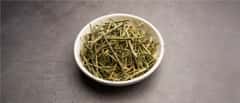
Powder, as a Hair Mask
Mix the powder with water or curd to form a paste, apply to the scalp and hair, leave for 20 to 30 minutes, then rinse.
Leaves or Powder, as a Hair Rinse
Boil the leaves or powder in water, allow to cool, strain, and use as a final rinse after shampooing.
Powder or Capsules, Taken by Mouth
Mix the powder with water, or swallow the capsule whole with water, at the dose and frequency advised by your doctor or Ayurvedic practitioner.
Recommended Dosage of Bhringraj
Dosage should always be personalised by a doctor or Ayurvedic practitioner. The following is general guidance only.
- Children: Bhringraj is not generally recommended for internal use in children without a doctor's supervision. Topical use should also only be undertaken on the advice of a doctor or Ayurvedic practitioner.
- Teenagers: Dosage should be set individually by a doctor or Ayurvedic practitioner, taking age and body weight into account.
- Adults: A commonly advised amount is 1 to 2 teaspoons of powder, or 1 to 2 capsules or tablets, daily, or as directed by a doctor or Ayurvedic practitioner.
- Elderly: Older adults may need a dose adjustment, particularly where liver function is reduced. Dosage should be confirmed by a doctor.
Disclaimer: The dosages above are general guidance only and may vary depending on individual health conditions, age and other factors. Always consult a qualified healthcare professional or Ayurvedic practitioner before starting Bhringraj, and do not exceed the recommended amount without medical supervision.
Side Effects of Bhringraj
Bhringraj may cause side effects in some people, particularly if not used as advised. Some people may notice the following.
Allergic Skin Reactions
Itching, rashes or irritation of the scalp can occur, particularly in people with sensitive skin. Always do a patch test before wider use, and stop immediately if irritation occurs.
Oily Scalp or Blocked Pores
Using more oil than needed can leave the scalp overly oily and may contribute to clogged pores. Use a moderate amount and wash out thoroughly.
Stomach Discomfort
Taken internally in large amounts, Bhringraj may cause mild gastrointestinal discomfort. Stop use and speak to a doctor or Ayurvedic practitioner if symptoms persist or worsen.
Interaction of Bhringraj with Other Drugs
Bhringraj may interact with certain medicines. Always tell your doctor about everything you are taking.
Blood-Thinning Medicines
Bhringraj may affect blood clotting, which could potentially increase the risk of bleeding with anticoagulant medicines. Anyone taking blood thinners should check with their doctor before taking Bhringraj internally.
Medicines That Affect the Liver
Bhringraj may affect how the liver processes certain medicines, which could alter their effects or side effects. Speak to your doctor before combining Bhringraj with medicines that affect liver function.
Blood Pressure Medicines
As Bhringraj may affect blood pressure, taking it alongside blood pressure medicines could add to that effect (Zafar & Sagar, 2000). Monitor blood pressure and check with your doctor before combining them.
Storage of Bhringraj
Store Bhringraj oil, powder or capsules in a cool, dry place, away from direct sunlight. Keep the container tightly closed after use, and keep it out of reach of children. Do not use the product after the expiry date printed on the pack.
Key Takeaways
- Bhringraj, also known as the King of Herbs in Ayurveda, is an Ayurvedic herb traditionally used to support hair growth, scalp health and general wellbeing.
- It is also traditionally believed to support liver function, digestion and skin health.
- It is not a treatment for diagnosed liver disease, respiratory conditions, or any other serious medical condition.
- Available as oil, powder, capsules and juice, it should be used at the advised dose and for the recommended duration.
- Avoid it in pregnancy and breastfeeding without medical advice, and use it with caution if you have a heart condition, liver disease, or take blood-thinning medicines. Do a patch test before wider topical use.
FAQs
How is Bhringraj powder used for hair?
What is Mahabhringraj oil?
Is Bhringraj good for liver health?
Can Bhringraj be taken with prescription or non-prescription medicines?
How long does it take to see results from daily Bhringraj powder use?
Does Bhringraj help with digestive discomfort?
Can Bhringraj be used during pregnancy?
Can Bhringraj replace treatment for jaundice or hepatitis?
Can Bhringraj be taken with blood-thinning medicines?
Can Bhringraj be taken with medicines for high blood pressure?
References
- Jahan, R., Al-Nahain, A., Majumder, S., & Rahmatullah, M. (2014). Ethnopharmacological significance of Eclipta alba (L.) Hassk. (Asteraceae). International Scholarly Research Notices, 2014, Article 385969. https://doi.org/10.1155/2014/385969
- Zafar, R., & Sagar, B. P. S. (2000). Hepatoprotective and cardiac inhibitory activities of ethanolic extracts from plant leaves and leaf callus of Eclipta alba. Pharmaceutical Biology, 38(5), 357–361. https://www.tandfonline.com/doi/pdf/10.1076/phbi.38.5.357.5974
- Dudhat, K., Wanjari, A., Tajane, Y., & Khanke, S. (2024). Antioxidant effects of E. alba: A narrative review. Journal of Pharmacy and Bioallied Sciences, 16(Suppl. 4), S4060–S4063. https://doi.org/10.4103/jpbs.jpbs_1389_24
- Thakur, V. D., & Mengi, S. A. (2005). Neuropharmacological profile of Eclipta alba (Linn.) Hassk. Journal of Ethnopharmacology, 102(1), 23–31. https://doi.org/10.1016/j.jep.2005.05.037
Explore other categories
Latest health articles





Top Health Essentials





Top-selling ayurvedic products












Disclaimer
Top-Selling Medicines:
...View more
Top-OTC medicines:
...View more
Top-selling healthcare devices:
...View more
Company
About UsHealth ArticleHealth StoriesHealth LibraryDiseases & Health ConditionsAyurvedaUnderstanding Generic MedicinesAll MedicinesAll BrandsNeed HelpFAQSecuritySavings CalculatorAdvertise with UsSubscribe
Registered Office Address
Grievance Officer
Download Truemeds


Contact Us
Our customer representative team is available 7 days a week from 9 am - 9 pm.
v4.28.14

2026 - Truemeds | All rights reserved. Our content is for informational purposes only. See additional information.

Our Payment Partners




