

- Medicines
- Personal Care
- Skin Cream
- Sunscreen
- Face Wash
- Skin and Body Soap
- Acne Care
- Body Lotions
- Moisturising Lotion
- Moisturising Cream
- Mosquito Repellent
- Moisturising Gel
- Body Wash
- Hair Oils
- Hair Shampoo
- Hair Conditioners
- Hair Supplements
- Hair Colour
- Hair Serum
- Hair Mask
- Hair Solutions
- Baby Diapers and Wipes
- Baby Lotion and Moisturising Cream
- Baby Bath Essentials
- Baby Skin Care
- Baby and Infant Food
- Baby Healthcare
- Women Multivitamins
- Ovulation Test Kit and Women Intimate Care
- Sanitary Pads
- Nutritional Drinks
- Condoms
- Lubricants
- Massage Gels
- Personal Body Massagers
- Men Performance Booster
- Sexual Health Supplements
- Massage Oils
- Ayurveda
- Tooth Paste
- Mouth Ulcer Gel
- Mouthwash
- Toothache and Gum Pain
- Tooth Brush
- Gargle Solution
- Orthopaedic Supports
- Adult Diapers
- Footwear
- Mobility and Support Accessories
- Urinary Support and Care
- Health Conditions
- Bone and Joint Care
- Digestive Care
- Eye Care
- Pain Relief
- Smoking Cessation
- Liver Care
- Stomach Care
- Cold and Cough
- Heart Care
- Kidney Care
- Piles, Fissures & Fistula
- Respiratory Care
- Mental Wellness
- Derma Care
- Pre and Probiotics
- Acidity
- Gas
- Constipation
- Loose Motion/Diarrhoea
- Digestive Fibres
- Digestive Enzymes
- Eye Lubricant Drops
- Lens Solution
- Safety Eye Wear
- Eye Cream
- Eye Vitamins and Supplements
- Eye Drops
- Eye Ointment and Gel
- Nicotine Patch
- Nicotine Gum
- Nicotine Lozenges
- Cough Syrups
- Chest Rubs and Balms
- Nasal Spray
- Lozenges
- Inhalant Capsules
- Cold and Cough Tablets
- Vitamins & Supplements
- Diabetes Care
- Healthcare Devices
- Homeopathic Medicine
- Health Guide
Eczema
Eczema is a group of inflammatory skin conditions that cause dry, itchy, and scaly skin. It is a non-contagious condition that can affect people of all ages and can be triggered by various factors, including allergens, irritants, and environmental factors. Treatment options for eczema include moisturisers, topical corticosteroids, and lifestyle changes to manage symptoms and prevent flare-ups.
 50
50Last updated on : 16 Apr, 2026
Read time : 13 mins
Overview of Disease
Eczema is a prevalent skin condition that affects millions of people worldwide. It affects approximately 15% to 30% of children and 2% to 10% of adults (Nemeth et al., 2024). Eczema can affect individuals of all ages, and its symptoms can worsen when exposed to irritants or allergens. Understanding the causes and triggers of eczema is crucial for effective management and treatment of the condition. In this article, we will explore the stages, types, and treatment options for eczema.
What is Eczema?
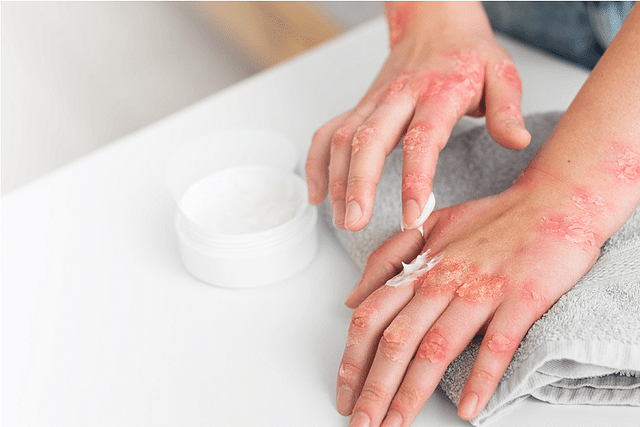
Eczema, also called atopic dermatitis, is a chronic inflammatory skin condition that causes dry, itchy, red, and scaly patches on the skin. It weakens the skin’s natural barrier, making it harder to retain moisture and defend against irritants, allergens, and environmental triggers.
Though it can affect anyone at any age, eczema often begins in childhood and may continue into adulthood. It is not contagious, but persistent itching and scratching can lead to skin damage and flare-ups. While there’s no permanent cure, eczema symptoms can be effectively managed with the right treatment and skincare routine.
Key Factors about Eczema
| Category | Details |
| Also Referred as | Atopic dermatitis, dermatitis |
| Commonly Occurs In | Children, adolescents, adults |
| Affected Organ | Skin |
| Type | Atopic dermatitis, contact dermatitis, dyshidrotic eczema, nummular eczema, seborrhoeic dermatitis, stasis dermatitis |
| Common Signs | Itchy skin, dry skin, rashes, scaly patches, blisters, skin infections |
| Consulting Specialist | Dermatologist, Allergist |
| Treatment Procedures | Moisturisers, topical corticosteroids, topical calcineurin inhibitors, antihistamines, and light therapy |
| Managed By | Medications (topical corticosteroids, calcineurin inhibitors, antibiotics when indicated, and antihistamines for symptomatic relief), injected biologic medications, and phototherapy |
| Mimicking Condition | Psoriasis, skin allergies |
Types of Eczema
There are several types of eczema, each with its own unique set of causes, symptoms, and triggers. These include:
- Atopic dermatitis: The most common type of eczema, atopic dermatitis, is characterised by dry, itchy, and scaly skin. It often begins in childhood and can be associated with other allergic disorders, such as asthma and hay fever.
- Contact dermatitis: This type of eczema occurs when the skin comes into contact with an allergen or irritant, resulting in a rash and inflammation. Contact dermatitis can be further divided into irritant contact dermatitis and allergic contact dermatitis.
- Dyshidrotic eczema: Small, itchy blisters on the hands and feet are the hallmark of dyshidrotic eczema. Triggers for this type of eczema can include stress, humidity, and allergies.
- Neurodermatitis: Intense itching and scratching characterise neurodermatitis, which can lead to skin thickening and pigmentation changes. This type of eczema is often associated with stress and anxiety.
- Nummular eczema: Nummular eczema presents as round, coin-shaped patches of dry, itchy skin. Dry skin, insect bites, or skin injuries can trigger it.
- Seborrhoeic dermatitis: This type of eczema primarily affects the scalp, face, and chest, causing red, scaly, and itchy patches. Seborrhoeic dermatitis is caused by an overgrowth of Malassezia yeast, which normally lives on the skin.
- Stasis dermatitis: Stasis dermatitis occurs when fluid accumulates in the lower legs due to poor circulation, leading to swelling, redness, and itching. This type of eczema is more common in older adults and those with varicose veins or chronic venous insufficiency.
Early Signs of Eczema
- Itching and dryness of the skin
- Appearance of a red, scaly rash
- Rough, leathery patches on the skin
- Oozing or crusting of the affected areas, especially in infants
- Swelling or inflammation around the rash
Symptoms of Eczema
Eczema symptoms can manifest differently depending on the individual and the specific type of eczema. Common symptoms include:
- Itchiness: The hallmark symptom of eczema is intense itching, which can be mild to severe and may worsen at night.
- Dry skin: Eczema often causes the skin to become dry, sensitive, and prone to cracking and sometimes bleeding.
- Inflamed skin: The affected area may appear red, swollen, and develop a rash that can ooze and crust over.
- Scaly patches: Rough, leathery, or scaly patches of skin may develop, particularly in chronic cases.
- Skin discolouration: Eczema can cause changes in skin colour, especially in people with darker skin tones.
- Blisters: Small, fluid-filled blisters may appear, particularly in dyshidrotic eczema, which affects the hands and feet.
How Eczema Affects Your Body?
Eczema primarily affects the skin barrier function, leading to increased transepidermal water loss and reduced protection against irritants and allergens. The constant itching and scratching can cause the skin to thicken (lichenification), become more prone to infections, and disrupt sleep and daily activities.
Eczema can also have a significant psychological impact, causing stress, anxiety, and self-consciousness due to visible skin changes. In some individuals, eczema is associated with other atopic conditions (such as asthma and allergic rhinitis).
Stages of Eczema
Eczema can be classified into three distinct stages, including:
- Acute eczema: This stage is marked by the sudden onset of symptoms, including redness, swelling, and intense itching. Triggers for acute eczema can include allergens, irritants, or infections.
- Subacute eczema: This transitional phase between acute and chronic eczema is characterised by dryness, scaling, and moderate itching.
- Chronic eczema: Persistent symptoms, such as dryness, scaling, and itching, define this stage. Chronic eczema can result in skin thickening (lichenification) and pigmentation changes.
Causes of Eczema
While the exact cause of eczema remains unknown, several factors are thought to contribute to its development. These include:
- Genetic factors: Having a family history of eczema, asthma, or allergies increases the likelihood of developing the condition.
- Immune system dysfunction: Eczema may result from an overactive immune response to triggers, leading to inflammation (Nemeth et al., 2024).
- Environmental irritants: Exposure to soaps, detergents, fragrances, certain fabrics, and other irritants can trigger eczema flare-ups.
- Allergens: Substances like pollen, pet dander, and dust mites can worsen eczema symptoms in some individuals.
- Stress and hormones: Emotional stress and hormonal changes, such as during menstrual cycles or pregnancy, may exacerbate eczema.
Eczema in Children
Eczema, also known as atopic dermatitis, is a prevalent chronic skin condition that affects a significant proportion of children globally. It is characterised by dry, itchy, red, and inflamed skin, which can cause considerable distress for both the child and their parents.
Eczema impacts around 10%–20% of children worldwide, with most developing symptoms within the first year of life. In infants, eczema commonly appears on the face, scalp, arms, and legs. In older children, it tends to affect the creases of the elbows and knees, as well as the hands and feet. Symptoms can worsen during flare-ups and improve during periods of remission. Various triggers like irritants, heat, sweating, and allergens can exacerbate the condition.
Risk Factors
Several factors can increase a child's likelihood of developing eczema, including:
- A family history of eczema, asthma, or allergic rhinitis
- Environmental triggers (such as dry skin, irritants, heat, sweating, infections, and allergens like pet dander, pollen, and dust mites)
- Skin barrier issues (due to a lack of proteins such as filaggrin deficiency)
Complications
While eczema primarily causes skin discomfort, it can also lead to serious complications. These include:
- Skin infections: Children with eczema are more prone to skin infections due to the compromised skin barrier. These infections can be bacterial (commonly Staphylococcus aureus) or viral and may present with yellow or honey-coloured crusting, weepy or oozy skin, blisters, or pus bumps.
- Sleep disturbances: The intense itching associated with eczema can disrupt sleep, leading to fatigue and other related health issues. Poor sleep quality can affect a child's mood, behaviour, and overall well-being. Implementing a consistent bedtime routine and using eczema-friendly bedding can help alleviate sleep disturbances.
- Skin thickening and scarring: Frequent scratching and rubbing of the skin can lead to skin thickening (lichenification) and scarring. This can cause the skin to become rough, leathery, and discoloured. Keeping the skin moisturised and preventing excessive scratching can help minimise these long-term effects.
Prevention of Eczema
While there is no guaranteed way to prevent eczema, several measures can reduce the risk or severity of the condition. These include:
- Avoid triggers: Keep a diary to pinpoint specific triggers that worsen your child's eczema and take steps to minimise exposure to them. Common triggers include certain fabrics, soaps, detergents, stress, sweat, and environmental allergens.
- Maintain skin moisture: Apply fragrance-free moisturisers liberally and frequently to keep the skin hydrated and strengthen its barrier function. Moisturise especially immediately after bathing.
- Use gentle skincare products: Choose mild, fragrance-free cleansers and avoid harsh soaps that can dry out and irritate the skin. Opt for products specifically designed for sensitive or eczema-prone skin.
- Avoid extreme temperatures: Both hot and cold environments can dry out the skin and trigger flare-ups. Dress your child in breathable layers so they can adjust to temperature changes.
- Manage stress: Emotional stress can exacerbate eczema. Help your child find healthy ways to cope with stress, such as through relaxation techniques, breathing exercises, or counselling.
Diagnosis & Tests
Diagnosing eczema typically involves a combination of clinical evaluation, medical history review, and sometimes additional tests to rule out other skin conditions. These include:
- Medical history: The diagnosis begins with a thorough medical history, where the doctor gathers details about the onset, severity, and triggers of symptoms. Family history of eczema, allergies, or asthma is also considered, as these conditions often have a genetic link.
- Physical examination: A physical examination involves inspecting the affected skin for signs of eczema, such as redness, swelling, and dryness. The distribution of symptoms is crucial; for example, atopic dermatitis commonly appears on the insides of the elbows and knees.
- Patch testing: Patch testing helps identify specific allergens that may trigger flare-ups. Small amounts of allergens are applied to the skin, and reactions are monitored after 48–96 hours.
- Skin biopsy: A skin biopsy may be performed if the diagnosis is uncertain or if the eczema appears severe or atypical. A small skin sample is analysed to rule out other conditions or infections.
- Allergy testing: Allergy testing can further identify potential triggers. Skin prick tests introduce allergens to the skin, while blood tests measure IgE levels to detect allergies.
Treatment & Management
The choice of treatment depends on the severity of the condition, with topical therapies being the primary line of management.
1. Topical Immunomodulators (Calcineurin Inhibitors)
These non-steroidal medications help modulate the immune response and reduce inflammation, particularly in sensitive areas like the face and eyelids:
- Tacrolimus: Used for moderate to severe eczema, particularly in cases where corticosteroids are not suitable.
- Pimecrolimus: Effective in treating mild to moderate eczema, helping to control flare-ups and prevent recurrence.
2. Corticosteroids
Topical corticosteroids are commonly prescribed to reduce inflammation and itching in eczema:
- Hydrocortisone: A mild steroid suitable for sensitive skin areas and mild cases.
- Triamcinolone: A medium-strength corticosteroid used for moderate eczema.
- Betamethasone: A potent corticosteroid recommended for severe eczema, but should be used under medical supervision to avoid side effects.
3. Topical Antibiotics
When eczema is complicated by bacterial infections, topical or oral antibiotics may be prescribed depending on severity:
- Clindamycin: Used to treat bacterial infections that may develop in eczema-affected skin.
- Gentamicin: Effective against a broad range of bacteria, often used for infected eczema patches.
4. Topical Antifungal Treatments
If eczema is associated with fungal infections, antifungal creams are used:
- Nystatin: Specifically effective against Candida (yeast) infections, particularly in cases of eczema complicated by yeast overgrowth.
5. Antihistamines
Antihistamines may help reduce itching and improve sleep but do not directly treat eczema inflammation:
- Promethazine: Helps reduce itching and inflammation, especially when eczema is triggered by allergens.
- Diphenhydramine: A sedating antihistamine that helps manage itching, particularly at night, to improve sleep.
A combination of these treatments, alongside proper skincare and avoidance of triggers, can help effectively manage eczema and improve skin health.
Living with Eczema
Living with eczema can be challenging, but several strategies can help manage the condition:
- Maintain a consistent skincare routine, including regular moisturising
- Identify and avoid triggers, such as certain foods, irritants, or allergens
- Manage stress, as it can exacerbate eczema symptoms
- Avoid scratching, as this can worsen inflammation and lead to infections
- Use gentle, fragrance-free products on the skin
- Wear soft, breathable fabrics like cotton
- Keep the home environment cool and adequately humidified
- Consider using a humidifier, especially in dry or cold weather
- Participate in support groups or seek counselling to cope with the emotional impact of eczema
When to See a Doctor?
If you suspect that you or your child may have eczema, it's essential to consult with a doctor for an accurate diagnosis and appropriate treatment. You should also see a doctor if:
- Your eczema symptoms are severe or widespread
- Your eczema is not responding to over-the-counter treatments
- You develop signs of infection, such as fever, redness, increased pain, or pus/oozing from affected areas
- Your eczema is significantly impacting your quality of life or causing emotional distress
Key Takeaways
- Eczema is a chronic inflammatory skin condition that causes dry, itchy, and inflamed skin.
- Diagnosing eczema involves a clinical evaluation, medical history, and sometimes additional tests.
- Treatment for eczema depends on the severity and may include topical treatments, systemic medications, and lifestyle changes.
- Living with eczema can be managed by maintaining a consistent skincare routine, avoiding triggers, and seeking support when needed.
- Consult a doctor if eczema symptoms are severe, persistent, or causing significant distress.
FAQs
What is causing my eczema?
Will eczema go away?
How do I control my eczema?
What is the 3 minute rule for eczema?
What is the best eczema treatment?
What helps heal eczema fast?
Is eczema curable or not?
What cream is best for eczema?
What is the trigger of eczema?
What does stress eczema look like?
References
- American College of Allergy, Asthma & Immunology. (2025). Eczema: Causes, symptoms & treatment. https://acaai.org/allergies/allergic-conditions/skin-allergy/eczema/
- MedlinePlus. (2020). Eczema - Atopic dermatitis. U.S. National Library of Medicine. https://medlineplus.gov/eczema.html
- National Eczema Association. (2025). Eczema (atopic dermatitis): Causes and treatment. https://nationaleczema.org/eczema/
- NHS inform. (2022). Atopic eczema. https://www.nhsinform.scot/illnesses-and-conditions/skin-hair-and-nails/atopic-eczema
- Nemeth, V., Syed, H. A., & Evans, J. (2024). Eczema. StatPearls - NCBI Bookshelf. https://www.ncbi.nlm.nih.gov/books/NBK538209/
Check Related Salts
Browse Other Conditions
Latest health articles

Top Health Essentials














Disclaimer
Top-Selling Medicines:
...View more
Top-OTC medicines:
...View more
Company
About UsHealth ArticleHealth StoriesHealth LibraryDiseases & Health ConditionsAyurvedaUnderstanding Generic MedicinesAll MedicinesAll BrandsNeed HelpFAQSecuritySavings CalculatorAdvertise with UsSubscribe
Registered Office Address
Grievance Officer
Download Truemeds


Contact Us
Our customer representative team is available 7 days a week from 9 am - 9 pm.
v4.28.13

2026 - Truemeds | All rights reserved. Our content is for informational purposes only. See additional information.

Our Payment Partners




