

- Medicines
- Personal Care
- Skin Cream
- Sunscreen
- Face Wash
- Skin and Body Soap
- Acne Care
- Body Lotions
- Moisturising Lotion
- Moisturising Cream
- Mosquito Repellent
- Moisturising Gel
- Body Wash
- Hair Oils
- Hair Shampoo
- Hair Conditioners
- Hair Supplements
- Hair Colour
- Hair Serum
- Hair Mask
- Hair Solutions
- Baby Diapers and Wipes
- Baby Lotion and Moisturising Cream
- Baby Bath Essentials
- Baby Skin Care
- Baby and Infant Food
- Baby Healthcare
- Women Multivitamins
- Ovulation Test Kit and Women Intimate Care
- Sanitary Pads
- Nutritional Drinks
- Condoms
- Lubricants
- Massage Gels
- Personal Body Massagers
- Men Performance Booster
- Sexual Health Supplements
- Massage Oils
- Ayurveda
- Tooth Paste
- Mouth Ulcer Gel
- Mouthwash
- Toothache and Gum Pain
- Tooth Brush
- Gargle Solution
- Orthopaedic Supports
- Adult Diapers
- Footwear
- Mobility and Support Accessories
- Urinary Support and Care
- Health Conditions
- Bone and Joint Care
- Digestive Care
- Eye Care
- Pain Relief
- Smoking Cessation
- Liver Care
- Stomach Care
- Cold and Cough
- Heart Care
- Kidney Care
- Piles, Fissures & Fistula
- Respiratory Care
- Mental Wellness
- Derma Care
- Pre and Probiotics
- Acidity
- Gas
- Constipation
- Loose Motion/Diarrhoea
- Digestive Fibres
- Digestive Enzymes
- Eye Lubricant Drops
- Lens Solution
- Safety Eye Wear
- Eye Cream
- Eye Vitamins and Supplements
- Eye Drops
- Eye Ointment and Gel
- Nicotine Patch
- Nicotine Gum
- Nicotine Lozenges
- Cough Syrups
- Chest Rubs and Balms
- Nasal Spray
- Lozenges
- Inhalant Capsules
- Cold and Cough Tablets
- Vitamins & Supplements
- Diabetes Care
- Healthcare Devices
- Homeopathic Medicine
- Health Guide
Dermatitis
Dermatitis is a general term for skin inflammation caused by various factors, such as allergies, irritants, and genetic predispositions. It encompasses several types, including atopic dermatitis (eczema), contact dermatitis, and seborrhoeic dermatitis (dandruff). Dermatitis is characterised by symptoms such as red rashes, dry skin, and itching, and it can present in acute, subacute, and chronic stages.
 50
50Last updated on : 16 Apr, 2026
Read time : 13 mins
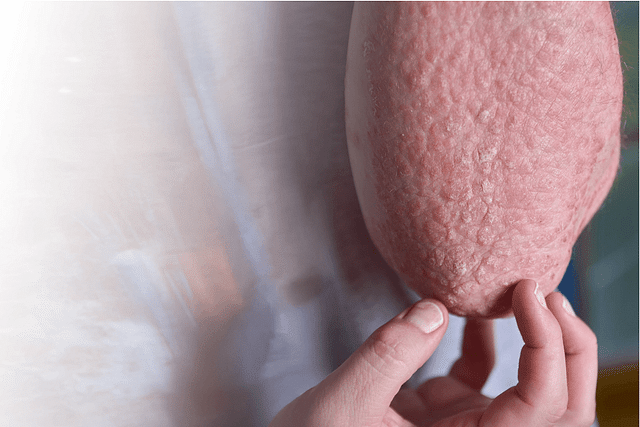
Overview of Disease
Dermatitis is a common skin condition that affects millions of people worldwide. It is characterised by inflammation of the skin, which can lead to a range of symptoms, including itching, redness, and rash formation. While dermatitis is not contagious, it can cause significant discomfort and may require medical intervention to manage symptoms effectively. In this article, we will delve deeper into the causes, symptoms, and treatment options for dermatitis.
What is Dermatitis?
Dermatitis is a general term for skin inflammation, which can manifest in various forms, including eczema. It is characterised by dry, swollen, and discoloured skin and can be caused by a range of factors, including environmental triggers, allergies, and skin injuries. Dermatitis is not contagious and can affect anyone, regardless of age or skin type. Recognising the signs and symptoms of dermatitis is essential for early diagnosis and management.
Key Factors about Dermatitis
| Category | Details |
| Also Referred as | Eczema (commonly used for atopic dermatitis), Atopic eczema, Irritant contact dermatitis, Allergic contact dermatitis |
| Commonly Occurs In | Infants, children, adults; hands, elbows, neck, knees, ankles, feet, and eyelids; areas exposed to irritants or allergens |
| Affected Organ | Skin |
| Type | Inflammatory skin condition (acute or chronic) |
| Common Signs | Itching, dry, rough patches; red, weepy, crusty, flaky areas; rash, burning, stinging, blisters, oozing, crusting |
| Consulting Specialist | Dermatologist |
| Treatment Procedures | Topical ointments, creams, shampoos; avoiding triggers and irritants; regular moisturising |
| Managed By | Topical corticosteroids (hydrocortisone, betamethasone), calcineurin inhibitors (tacrolimus, pimecrolimus), oral antihistamines (cetirizine, diphenhydramine), oral corticosteroids (prednisone), immunosuppressants (cyclosporine, methotrexate) |
| Mimicking Condition | Psoriasis, rosacea |
Types of Dermatitis
There are several types of dermatitis, each with distinct symptoms and causes. These include (Ali et al., 2024):
- Atopic dermatitis: Also known as eczema, this is the most common type of dermatitis. It often develops in childhood and is characterised by dry, itchy, and inflamed skin.
- Contact dermatitis: This type occurs when the skin comes into contact with an irritant or allergen, such as certain chemicals, metals, or plants. Symptoms include redness, itching, and blistering.
- Dyshidrotic dermatitis: This type affects the hands and feet, causing small, itchy blisters to form on the palms, soles, and sides of the fingers.
- Seborrhoeic dermatitis: This type primarily affects oily areas of the body, such as the scalp, face, and chest. It causes scaly, flaky, and red skin.
- Neurodermatitis: Also known as lichen simplex chronicus, this type is triggered by intense itching and scratching, leading to thick, leathery patches of skin.
- Nummular dermatitis: This type is characterised by coin-shaped patches of red, scaly, and itchy skin.
- Stasis dermatitis: This type occurs when fluid accumulates in the lower legs due to poor circulation, causing swelling, redness, and itching.
- Dermatitis neglecta: This type is caused by inadequate skin cleansing (often due to pain, immobility, or sensitivity), leading to a buildup of sweat, sebum, corneocytes, and debris, resulting in hyperpigmented, adherent plaques.
Early Signs of Dermatitis
The early signs of dermatitis include:
- Red, dry, itchy skin
- Crusty scales, painful cracks in the skin, or blisters that ooze fluid
- Swelling and irritation of the skin
- Rashes that may ooze or weep clear fluid, or bleed when scratched
- Mild thickening and hardening of the skin
Recognising these early signs of dermatitis is important for early diagnosis and management to prevent the condition from worsening.
Symptoms of Dermatitis
Dermatitis symptoms can vary depending on the type and severity of the condition. Common symptoms include:
- Redness and inflammation: Affected areas often appear red and swollen, commonly found on the face, neck, hands, and areas prone to friction or moisture.
- Itching: Intense itching is a hallmark symptom, leading to discomfort and potential skin damage from scratching. This can disrupt sleep and daily activities.
- Dryness and flaking: Skin may become dry, rough, and flaky, leading to scaly patches, particularly in chronic cases.
- Blisters and oozing: In some types, like allergic contact dermatitis, small blisters may form and ooze fluid. Open blisters can become infected if not properly cared for.
- Thickened skin: Prolonged scratching or irritation can cause the skin to thicken (lichenification), resulting in a leathery appearance that is darker than the surrounding areas.
- Crusting: Areas of dermatitis can develop a crusty appearance due to oozing and subsequent drying. Keeping the affected area clean is important to help prevent infection.
- Colour changes: Affected areas may exhibit changes in pigmentation, appearing darker or lighter than the surrounding skin. These changes can persist even after other symptoms have resolved.
- Sensitivity to touch: Areas of dermatitis may become sensitive, causing pain or discomfort with light touch or pressure, which may affect daily activities.
- Flare-ups: Symptoms may wax and wane, with periods of worsening often triggered by allergens, irritants, or stress. Identifying triggers can help manage and prevent exacerbations.
- Associated symptoms: In some cases, dermatitis may be associated with other atopic conditions, such as asthma or hay fever.
Stages of Dermatitis
Dermatitis can be classified into three stages, including (Kolb & Ferrer-Bruker, 2023):
- Acute: This stage is characterised by the sudden onset of redness, swelling, and itching. The skin may also develop small, fluid-filled blisters that can ooze and crust over.
- Subacute: In this stage, the skin remains red and itchy but becomes drier and scaly. The blisters may have healed, leaving behind dry, flaky patches.
- Chronic: This stage is marked by persistent inflammation and thickening of the skin. The affected areas may become rough, leathery, and discoloured due to repeated scratching and rubbing.
Causes of Dermatitis
Dermatitis can be caused by a variety of factors, including:
- Allergic reactions: The immune system may overreact to substances such as nickel, latex, or certain chemicals found in personal care products. This reaction can lead to inflammation and discomfort in the affected skin areas.
- Irritants: Direct exposure to harsh substances like acids, strong soaps, and detergents can damage the skin’s protective barrier. This damage often results in redness, itching, and inflammation.
- Environmental factors: Environmental triggers, including pollen, certain plants like poison ivy, and ultraviolet light, can provoke dermatitis symptoms. These factors can trigger skin inflammation and irritation.
- Genetic factors: Individuals with a family history of atopic dermatitis are more likely to develop the condition themselves. This suggests a genetic link, often associated with other conditions like asthma and allergies.
- Dry skin: Dry skin can compromise the skin’s barrier, making it more susceptible to irritation and inflammation. This is particularly common in atopic dermatitis, where dryness can worsen symptoms.
Risk Factors
Certain factors may increase the risk of developing this condition, including:
- Family history of atopic dermatitis, allergies, or asthma
- Frequent exposure to irritants (e.g., detergents, chemicals)
- Occupations involving repeated hand washing or wet work
- Living in dry or cold climates
- Sensitive or dry skin
Who's at Risk?
Certain individuals are at higher risk of developing this condition, including:
- People with a personal or family history of eczema, allergies, or asthma
- Those with occupations involving frequent hand washing or exposure to chemicals
- Individuals with compromised immune systems
- Smokers and those with chronic illnesses like congestive heart failure
- Older adults due to ageing skin and medical conditions
Complications
Dermatitis can lead to several complications, particularly if not managed properly. Here are some potential issues that may arise:
- Infection: The skin's barrier can be compromised due to scratching and irritation, increasing the risk of bacterial or viral infections. Conditions like impetigo or herpes simplex can develop in affected areas.
- Chronic skin changes: Persistent dermatitis may cause changes in the skin's texture and colour, such as thickened, leathery skin (lichenification) or pigmentation changes. These alterations can be long-lasting and may not resolve even after treatment.
- Psychological impact: Chronic dermatitis can significantly affect mental health, leading to anxiety, depression, or low self-esteem. The visible nature of the condition can cause social withdrawal or avoidance of certain activities.
- Allergic sensitisation: Repeated exposure to allergens can result in sensitisation, making future reactions more severe. This can lead to a cycle of worsening dermatitis with ongoing exposure to known irritants or allergens.
- Sleep disturbances: Intense itching and discomfort can disrupt sleep, leading to fatigue and impaired daily functioning. This can further exacerbate the psychological effects of the condition.
- Systemic issues: In rare cases, complications such as eczema herpeticum (a widespread herpes simplex virus infection) can occur and require urgent medical attention.
Prevention of Dermatitis
Preventing dermatitis involves a combination of lifestyle changes, skincare practices, and avoiding triggers. Here are effective strategies to consider:
- Identify and avoid triggers: Minimise exposure to allergens and irritants by using hypoallergenic products and avoiding harsh soaps and detergents. Identifying personal triggers, such as specific fabrics or fragrances, is essential.
- Consistent moisturising routine: Maintain a regular moisturising routine to strengthen the skin's barrier and prevent dryness. Apply emollients immediately after bathing to lock in moisture, and choose fragrance-free, non-comedogenic or hypoallergenic products.
- Skin protection: Wear protective clothing when exposed to irritants or allergens and use broad-spectrum sunscreen to prevent UV damage, which can aggravate dermatitis.
- Stress management: Manage stress through relaxation techniques like deep breathing, meditation, or yoga, as stress can trigger or worsen symptoms. Engaging in enjoyable activities and maintaining a support network can also help.
- Healthy diet: Consume a diet rich in fruits, vegetables, and omega-3 fatty acids to support skin health. Identify and eliminate potential food triggers and stay hydrated for optimal skin function.
- Environmental control: Keeping living spaces clean and free from allergens like dust mites and pet dander can help reduce environmental triggers. Using air purifiers and regularly washing bedding can also contribute to a healthier environment.
Diagnosis & Tests
Diagnosing dermatitis involves a thorough evaluation that includes the patient's medical history, physical examination, and, if necessary, additional tests. Here’s an overview of the diagnostic process:
- Medical history: During the initial consultation, the dermatologist will ask about the onset, duration, and severity of symptoms, along with any potential triggers or factors that alleviate the condition. This information helps identify patterns that may indicate specific types of dermatitis.
- Physical examination: A comprehensive physical examination of the affected skin is conducted to assess the appearance, distribution, and characteristics of the rash. The dermatologist may also examine other areas of the body to evaluate the extent of the condition.
- Allergen test: In some cases, further testing may be required to confirm the diagnosis or exclude other skin conditions. Patch testing can identify contact allergens by applying small amounts of suspected allergens to the skin and monitoring for reactions over several days.
- Skin biopsy: A skin biopsy may be performed, involving the removal of a small sample of affected skin for microscopic examination. This helps differentiate dermatitis from other skin disorders and provides insights into the type and severity of the condition.
- Blood tests: Blood tests may be ordered to assess overall health and rule out underlying systemic diseases that could contribute to dermatitis.
Treatment & Management
The treatment of dermatitis focuses on controlling symptoms, reducing inflammation, and maintaining healthy skin. A combination of medications, topical therapies, and lifestyle measures is used to manage dermatitis. Here are the treatment options:
1. Corticosteroids
Topical corticosteroids like betamethasone, desonide, fluocinolone, and hydrocortisone are commonly used to ease skin inflammation, redness, and itching during flare-ups.
- Betamethasone and fluocinolone: These are potent corticosteroids suitable for short-term use in severe cases.
- Hydrocortisone and desonide: These are milder options, appropriate for use on the face or sensitive skin areas.
2. Topical Antifungals
In cases where a fungal component is involved, topical antifungals such as ketoconazole, ciclopirox, and sertaconazole can help clear up the infection and improve skin condition.
- Ketoconazole and ciclopirox: These are first-line antifungal agents for affected scalp and skin areas.
- Sertaconazole: It is an alternative option providing both antifungal and anti-inflammatory benefits.
3. Topical Calcineurin Inhibitors
Topical calcineurin inhibitors like tacrolimus and pimecrolimus are useful alternatives, particularly for sensitive skin areas, helping reduce immune-driven inflammation without thinning the skin.
4. Topical Keratolytics
Keratolytic agents help soften and remove thickened, scaly skin patches.
- Coal tar: A traditional treatment that aids in shedding rough skin layers and easing discomfort in chronic cases.
5. Topical PDE-4 Inhibitors
Newer targeted therapies address inflammation at the cellular level with minimal irritation.
- Roflumilast: A topical PDE-4 inhibitor that provides sustained control of persistent or difficult-to-treat symptoms.
6. Lifestyle and Skincare Care
Supportive measures are essential to reduce triggers and maintain skin health.
- Regular use of unscented moisturisers helps maintain hydration.
- Avoidance of known irritants (e.g., harsh soaps, synthetic fabrics, allergens) minimises flare-ups.
- An anti-inflammatory diet rich in omega-3 fatty acids, fruits, and vegetables supports skin health and may help reduce disease activity.
When to See a Doctor?
While mild cases of dermatitis can often be managed with self-care measures and over-the-counter treatments, it is important to know when to seek medical attention. You should consult a doctor if:
- Your dermatitis is severe or widespread
- The rash is painful, blistered, or infected
- Your symptoms do not improve with self-care measures or over-the-counter treatments
- The rash is interfering with your daily activities or causing significant discomfort
- You suspect that your dermatitis may be due to an underlying health condition or allergy
Key Takeaways
- Dermatitis is a common inflammatory skin condition with various types, including atopic, contact, and seborrhoeic dermatitis.
- Symptoms of dermatitis include itching, redness, dryness, and sometimes blistering or oozing of the skin.
- Causes of dermatitis include genetic factors, environmental triggers, and irritants or allergens.
- Diagnosis of dermatitis involves a thorough history, physical examination, and sometimes patch testing or skin biopsy.
- Treatment of dermatitis involves a multi-faceted approach, including topical therapies, phototherapy, systemic agents, and adjunctive treatments.
- Medications used in the treatment of dermatitis include topical corticosteroids, calcineurin inhibitors, and various systemic agents like biologics and immunosuppressants.
- Prevention of dermatitis involves identifying and avoiding triggers, maintaining good skin hygiene, and using moisturisers regularly.
- It is important to seek medical attention for severe, widespread, or treatment-resistant dermatitis, or if there are signs of infection.
FAQs
How can I cure my dermatitis?
Can dermatitis ever be completely cured?
Can dermatitis be serious?
Can dermatitis spread?
What is the first line treatment for dermatitis?
What is the main cause of dermatitis herpetiformis?
Is seborrheic dermatitis a fungal disease?
Can dermatitis be cured with ayurveda?
What is home remedies for managing dermatitis?
How long does dermatitis last?
References
- National Institute of Allergy and Infectious Diseases. (2020). Eczema (atopic dermatitis). https://www.niaid.nih.gov/diseases-conditions/eczema-atopic-dermatitis
- National Institute of Arthritis and Musculoskeletal and Skin Diseases. (2022). Atopic dermatitis. https://www.niams.nih.gov/health-topics/atopic-dermatitis
- National Health Service. (2020). Contact dermatitis. https://www.nhs.uk/conditions/contact-dermatitis/
- MedlinePlus. (2020). Atopic dermatitis. https://medlineplus.gov/ency/article/000853.htm
- National Eczema Association. (2025). Atopic dermatitis. https://nationaleczema.org/eczema/types-of-eczema/atopic-dermatitis/
- Ali, M., Muazu, L., Nas, F. S., & Ibrahim, Y. S. (2024). Dermatitis; Types, Causes, Symptoms and Management: A Review. https://www.jdermis.com/full-text/dermatitis-types-causes-symptoms-and-management-a-review
- Kolb, L., & Ferrer-Bruker, S. J. (2023). Atopic dermatitis. StatPearls - NCBI Bookshelf. https://www.ncbi.nlm.nih.gov/books/NBK448071/
Check Related Salts
Latest health articles

Top Health Essentials
















Disclaimer
Top-Selling Medicines:
...View more
Top-OTC medicines:
...View more
Company
About UsHealth ArticleHealth StoriesHealth LibraryDiseases & Health ConditionsAyurvedaUnderstanding Generic MedicinesAll MedicinesAll BrandsNeed HelpFAQSecuritySavings CalculatorAdvertise with UsSubscribe
Registered Office Address
Grievance Officer
Download Truemeds


Contact Us
Our customer representative team is available 7 days a week from 9 am - 9 pm.
v4.28.20

2026 - Truemeds | All rights reserved. Our content is for informational purposes only. See additional information.

Our Payment Partners




