

- Medicines
- Personal Care
- Skin Cream
- Sunscreen
- Face Wash
- Skin and Body Soap
- Acne Care
- Body Lotions
- Moisturising Lotion
- Moisturising Cream
- Mosquito Repellent
- Moisturising Gel
- Body Wash
- Hair Oils
- Hair Shampoo
- Hair Conditioners
- Hair Supplements
- Hair Colour
- Hair Serum
- Hair Mask
- Hair Solutions
- Baby Diapers and Wipes
- Baby Lotion and Moisturising Cream
- Baby Bath Essentials
- Baby Skin Care
- Baby and Infant Food
- Baby Healthcare
- Women Multivitamins
- Ovulation Test Kit and Women Intimate Care
- Sanitary Pads
- Nutritional Drinks
- Condoms
- Lubricants
- Massage Gels
- Personal Body Massagers
- Men Performance Booster
- Sexual Health Supplements
- Massage Oils
- Ayurveda
- Tooth Paste
- Mouth Ulcer Gel
- Mouthwash
- Toothache and Gum Pain
- Tooth Brush
- Gargle Solution
- Orthopaedic Supports
- Adult Diapers
- Footwear
- Mobility and Support Accessories
- Urinary Support and Care
- Health Conditions
- Bone and Joint Care
- Digestive Care
- Eye Care
- Pain Relief
- Smoking Cessation
- Liver Care
- Stomach Care
- Cold and Cough
- Heart Care
- Kidney Care
- Piles, Fissures & Fistula
- Respiratory Care
- Mental Wellness
- Derma Care
- Pre and Probiotics
- Acidity
- Gas
- Constipation
- Loose Motion/Diarrhoea
- Digestive Fibres
- Digestive Enzymes
- Eye Lubricant Drops
- Lens Solution
- Safety Eye Wear
- Eye Cream
- Eye Vitamins and Supplements
- Eye Drops
- Eye Ointment and Gel
- Nicotine Patch
- Nicotine Gum
- Nicotine Lozenges
- Cough Syrups
- Chest Rubs and Balms
- Nasal Spray
- Lozenges
- Inhalant Capsules
- Cold and Cough Tablets
- Vitamins & Supplements
- Diabetes Care
- Healthcare Devices
- Homeopathic Medicine
- Health Guide
Pashanbhed
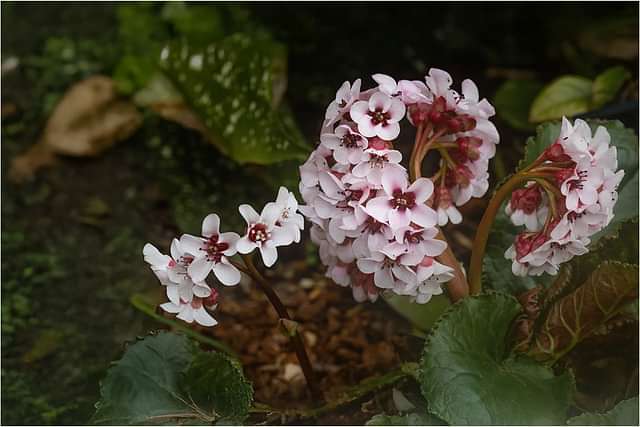
Pashanbhed (Bergenia ligulata) is a Himalayan herb whose rhizome, an underground stem, is used in Ayurveda for urinary stone conditions. It is traditionally taken as a powder or decoction to support urine flow and urinary comfort. The herb is also an ingredient in Ayurvedic formulations for urinary health, and it is not a substitute for medical care for kidney stones.
 50
50Last updated on : 09 Oct, 2026
Read time : 16 mins
What is Pashanbhed?
The Sanskrit name Pashanabheda joins pashana, meaning stone or rock, and bheda, meaning to pierce or break (Roychoudhury et al., 2022). Pashanabheda grows in the Himalayan region from Kashmir to Bhutan, including West Bengal and the north-eastern states of India (Roychoudhury et al., 2022). The Charaka Samhita is reported to be the first text to describe its use for urinary stones and painful urination, and the Sushruta Samhita, Bhavaprakasha, Rajanighantu and Chakradatta also describe it for urinary conditions (Roychoudhury et al., 2022).
In Ayurveda, Pashanbheda is described as having an astringent (Kashaya) and bitter (Tikta) taste, a cooling potency (Sheeta Virya) and a pungent post-digestive effect (Vipaka), which is Katu. Traditionally, the herb is described as pacifying the Vata and Kapha doshas and as a diuretic (Mutrala) herb used in the traditional management of urinary stones.
Key Facts
| Feature | Details |
| Botanical name | Bergenia ligulata (Wall.) Engl. (synonym: Saxifraga ligulata Wall.) (Roychoudhury et al., 2022) |
| Family | Saxifragaceae (Roychoudhury et al., 2022) |
| Part used | Rhizome (Roychoudhury et al., 2022) |
| Ayurvedic category | Mutrala (diuretic) herb used in the traditional care of urinary stones (ashmari) |
| Ayurvedic properties |
|
| Key active compounds | Bergenin, arbutin, gallic acid, catechin and afzelechin (Roychoudhury et al., 2022) |
| Traditional uses | Traditionally used for urinary stones and painful urination, and applied externally on wounds (Roychoudhury et al., 2022) |
| Common forms | Rhizome powder (churna), decoction (kwatha) and tablets |
| General dosage | Rhizome powder: 1 to 3 g, twice daily, as advised by a doctor or Ayurvedic physician. The dose is traditional and has not been established in clinical studies. |
| Best taken | No specific time is established. Take as advised by a doctor or Ayurvedic physician, and keep up fluid intake unless a doctor has restricted it. |
| Key safety note | It does not replace medical care for kidney stones. Seek urgent care for severe pain, fever, blood in urine or inability to pass urine. Avoid in pregnancy unless a doctor advises. Check that the product states Bergenia ligulata, because the name is used for other plants. |
Alternative Names of Pashanbhed
Pashanbhed is known by the names below. Some names are also used for other plants, so the botanical name is the reliable way to identify the herb.
- Botanical name: Bergenia ligulata (Wall.) Engl.
- English: Rockfoil, Stone breaker
- Sanskrit: Pashanabheda, Ashmaghna, Shilabheda, Ashmaribhit
- Hindi: Pakhanabheda, Pakhanved, Patharchur, Patharchatta, Dakachru, Silphara, Silpbheda
- Marathi: Pashanbheda, Pashanbhedi
- Bengali: Patharkuchi, Himasagara, Patharchuri
- Gujarati: Pakhanbheda, Pashanbheda
- Kannada: Pashanbhedi, Alepgaya
- Telugu: Kondapindi
- Tamil: Sirupilai
- Malayalam: Kallurvanchi, Kalluvranchi
- Assamese: Patharkuchi
- Punjabi: Kondapindi, Batpia, Dharposh, Pashanbhed
- Urdu: Kachalu, Pakhanabheda, Zakhmehayat (Zakhme-e-hayat)
Chemical Constituents of Pashanbhed
The rhizome contains many phenolic compounds, and bergenin is the most abundant (Roychoudhury et al., 2022). The main compounds reported are listed below.
- Bergenin: a polyphenol glycoside that is the most abundant compound of the rhizome (Roychoudhury et al., 2022).
- Arbutin: a phenolic glycoside reported in the rhizome (Roychoudhury et al., 2022).
- Gallic acid: a phenolic acid reported in the rhizome (Roychoudhury et al., 2022).
- Catechin: a flavan-3-ol reported in the rhizome (Roychoudhury et al., 2022).
- Afzelechin: a flavan-3-ol reported in the rhizome (Roychoudhury et al., 2022).
- Protocatechuic acid, chlorogenic acid, syringic acid and ferulic acid: phenolic acids reported in the rhizome (Roychoudhury et al., 2022).
- Paashaanolactone: a compound first reported from this plant (Roychoudhury et al., 2022).
- β-Sitosterol: a plant sterol reported in the rhizome (Roychoudhury et al., 2022).
Laboratory and animal studies have described several activities of the rhizome extract. Most findings have not been tested in human clinical trials (Roychoudhury et al., 2022).
Medicinal Properties of Pashanbhed
Laboratory studies, animal studies and traditional texts describe the following properties (Roychoudhury et al., 2022).
- Antiurolithiatic: inhibits calcium oxalate crystal aggregation in test-tube studies and reduced crystal deposition in rats (Bashir & Gilani, 2009).
- Diuretic: increased urine output in rats and is traditionally used to increase urine flow (Bashir & Gilani, 2009).
- Antioxidant: neutralised unstable molecules in laboratory tests (Bashir & Gilani, 2009).
- Anti-inflammatory: reduced inflammatory activity in animal and cell studies (Roychoudhury et al., 2022).
- Antimicrobial: inhibited the growth of some bacteria in laboratory tests (Roychoudhury et al., 2022).
- Antipyretic: lowered raised temperature in a rat model of fever (Roychoudhury et al., 2022).
Most of these properties come from laboratory and animal research, which cannot confirm the same effect in humans. Scientific evidence on clinical use in humans is inadequate (Roychoudhury et al., 2022). Pashanbhed is not a substitute for medical treatment, medical advice or prescribed medicines.
Key Health Benefits of Pashanbhed
Pashanbhed may support urinary health, particularly through effects on urine flow and calcium oxalate crystal formation observed in early research. It has also been studied for antioxidant, anti-inflammatory and potential blood sugar, skin and liver effects. Most evidence comes from laboratory and animal studies, so these potential benefits are not established treatments for kidney stones, diabetes, liver disease or other medical conditions.
Inhibition of Calcium Oxalate Crystals
In laboratory tests, Pashanbhed rhizome extract slowed the formation and clumping of calcium oxalate crystals, the most common crystals in urinary stones. In rats, it also reduced crystal deposits in the kidney tubules (Bashir & Gilani, 2009). Human trial evidence is limited, so this action remains supportive.
Increase in Urine Flow
Pashanbhed is classically described as Mutrala, meaning it promotes urine flow. In rats, a rhizome extract increased urine output along with salt excretion (Bashir & Gilani, 2009). Greater urine flow may help carry small crystals out of the urinary tract, although this has not been confirmed in clinical trials.
Antioxidant Activity
Oxidative stress is linked to kidney tissue injury during stone formation. In laboratory tests, Pashanbhed extract showed free-radical scavenging activity (Bashir & Gilani, 2009). This action may be relevant to protection from oxidative stress, but protection of the kidneys has not been shown in people.
Anti-Inflammatory Activity
In rat studies, Pashanbhed rhizome extracts reduced experimentally induced swelling, which indicates anti-inflammatory activity (Gohain et al., 2022). This may be relevant to the tissue irritation that accompanies urinary stones, but it has not been tested in clinical trials and does not replace prescribed pain or infection treatment.
Regulates Blood Sugar Levels
Early research suggests that Pashanbhed, particularly its root extract, may affect blood glucose levels through possible effects on insulin secretion or pancreatic islet cell activity (Roychoudhury et al., 2022). These findings are based mainly on experimental studies and have not established Pashanbhed as a treatment for diabetes (Roychoudhury et al., 2022). It should not be used as a substitute for prescribed diabetes medicines.
Supports Reproductive Health
Pashanbhed powder is traditionally used in some settings for reproductive health, including as an aphrodisiac. Its possible effects in this area may relate to these traditional uses, but there is insufficient human evidence to confirm that it regulates hormones, improves fertility or treats gynaecological conditions such as irregular periods or vaginal discharge (Roychoudhury et al., 2022). Such uses should be followed only under the guidance of a qualified healthcare professional.
May Support Skin Health
The dry root of Pashanbhed is traditionally applied externally for some skin complaints, ulcers, swelling and burns. Its possible skin-related effects may be linked to anti-inflammatory and antimicrobial activity observed in preclinical research (Roychoudhury et al., 2022). However, clinical studies have not established that Pashanbhed speeds skin healing or prevents infection (Roychoudhury et al., 2022).
May Support Liver Health
Pashanbhed has been studied for possible effects on liver enzymes such as SGPT and SGOT, particularly in experimental models (Roychoudhury et al., 2022). Its potential liver-related effects may be associated with these observed changes in liver enzyme levels, but there is insufficient human evidence to show that it protects the liver or treats liver disease caused by inflammation or toxins (Roychoudhury et al., 2022). It should not replace medical evaluation or treatment for abnormal liver enzymes or liver disease.
Common Uses of Pashanbhed
Pashanbhed is used in the ways below. These uses reflect tradition and everyday practice and are not proven treatments (Roychoudhury et al., 2022).
Traditional Use for Urinary Stones in Ayurveda
In Ayurveda, the rhizome is used as a powder or decoction in the traditional care of urinary stones and painful urination, a use described in the Charaka Samhita and later texts (Roychoudhury et al., 2022). This is a traditional use and has not been proven in clinical trials. Kidney stones need medical assessment.
Role in Ayurvedic Formulations
Pashanbhed is an ingredient in several Ayurvedic formulations for urinary health, where it is combined with other herbs. The traditional formulations are based on classical texts, and they have not been tested in clinical trials.
External and Folk Use
Traditional communities in the Himalayan region apply the rhizome externally on cuts, burns and wounds and take the powdered rhizome by mouth (Roychoudhury et al., 2022). These are folk uses and have no clinical proof. A wound that is deep, infected or slow to heal needs a doctor.
Precautions While Taking Pashanbhed
Pashanbhed is not suitable for everyone. The groups and situations below need medical advice before use.
Kidney Stone Symptoms
Pashanbhed does not replace medical assessment of kidney stones. Severe pain in the side or back, fever with chills, blood in the urine, repeated vomiting or being unable to pass urine are signs of a blocked or infected urinary tract and need urgent medical care. Herbal use must not delay it.
Pregnancy and Breastfeeding
Safety in pregnancy and breastfeeding has not been established, because clinical evidence in humans is inadequate (Roychoudhury et al., 2022). Medicinal amounts should be avoided unless a doctor advises otherwise.
Children and Teenagers
A safe dose of Pashanbhed for children and teenagers has not been established. Give it only if a paediatrician or a qualified Ayurvedic physician advises.
Kidney Disease and Urinary Obstruction
Animal studies show that the extract increased urine output (Bashir & Gilani, 2009). A doctor should be consulted before use in kidney disease, with a single kidney or with diuretic medicines. Reduced urine output or swelling of the legs or face needs medical assessment.
Diabetes
Animal studies report a blood glucose lowering effect (Roychoudhury et al., 2022), which has not been shown in human trials. Anyone taking diabetes medicines should monitor blood glucose and consult a doctor before use.
Plant Identity and Product Quality
Several different plants are called Pashanbhed, and their chemical profiles differ (Sulaiman et al., 2022). Choose a product from a licensed manufacturer that states Bergenia ligulata and the rhizome as the plant part.
Allergy
Allergic reactions such as skin rash or itching can occur with herbal products. Stop using Pashanbhed if they appear, and seek emergency care for swelling of the face or lips or difficulty breathing.
Long-Term Use
Long-term use has not been studied in humans (Roychoudhury et al., 2022). Consult a doctor before using Pashanbhed continuously for a long period.
How to Use Pashanbhed
Pashanbhed is available as rhizome powder, decoction and tablets. Use only the form and amount advised by your doctor or Ayurvedic physician. The steps for each form are given below.
Taking Rhizome Powder
- Measure the advised amount, usually 1 to 3 g, using a kitchen scale or the measure supplied with the product.
- Mix the powder into a glass of lukewarm water.
- Drink the mixture straight away, and repeat once more in the day, as advised.
- Keep up fluid intake through the day, unless a doctor has restricted fluids.
Swallowing Tablets
- Read the label to check that the botanical name is Bergenia ligulata and to find the amount of rhizome in each tablet.
- Swallow the tablet whole with water.
- Follow the number of tablets stated on the label.
- Maintain fluid intake through the day, unless a doctor has restricted fluids.
Disclaimer: These steps are for general information. Pashanbhed is not a treatment for kidney stones or any other disease. Ask a doctor or a qualified Ayurvedic physician before use, especially if you are pregnant, take regular medicines or have a kidney condition.
Herbs Traditionally Used With Pashanbhed
The herbs below are traditionally associated with urinary health and have been studied alongside Pashanbhed in laboratory studies.
| Herb | Traditional use with Pashanbhed |
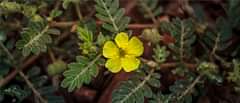
| H3 Gokshura (Tribulus terrestris) | Gokshura is an Ayurvedic herb traditionally associated with urinary health. In a laboratory study, aqueous extracts of Tribulus terrestris and Bergenia ligulata inhibited the growth of calcium hydrogen phosphate dihydrate crystals (Joshi et al., 2005). Human data are lacking. |
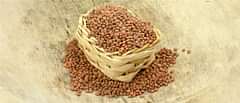
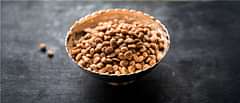
| H3 Kulthi (Dolichos biflorus) | Kulthi, or horse gram, is a legume traditionally associated with urinary stones. A laboratory study tested its seeds with the rhizome of Bergenia ligulata for antilithiatic activity (Garimella et al., 2001). Human data are lacking. |
Recommended Dosage of Pashanbhed
An official dose of Pashanbhed has not been established, and clinical dose-finding studies are lacking (Roychoudhury et al., 2022). The traditional amounts below are for adults, and the advice for each age group follows.
Children
The safe dose of Pashanbhed for children has not been established. Give it to a child only if a paediatrician or a qualified Ayurvedic physician advises, and follow the dose they prescribe.
Teenagers
Dose guidance specific to teenagers is not available. A teenager should use Pashanbhed only on the advice of a doctor or a qualified Ayurvedic physician.
Adults
- Rhizome powder: 1 to 3 g, twice daily, mixed in lukewarm water.
- Tablets: the number stated on the label of the product.
- Decoction: the amount advised by a doctor or Ayurvedic physician.
- Duration: a safe period of use has not been established, so consult a doctor before using Pashanbhed continuously for a long period.
Older Adults
Dose guidance for older adults is also not available. Many older adults take regular medicines and are more likely to become dehydrated, and the herb increases urine output in animal studies, so medical advice is particularly important before use (Bashir & Gilani, 2009).
Disclaimer: These amounts are traditional and have not been established in clinical studies. Pashanbhed is not a treatment for kidney stones or any other disease. Ask a doctor or a qualified Ayurvedic physician for the dose that suits you, especially if you are pregnant, take regular medicines or have a kidney condition.
Side Effects of Pashanbhed
Information on side effects in humans is limited, because clinical evidence is inadequate (Roychoudhury et al., 2022). The effects below are possible, and some need medical attention.
Increased Urination and Dehydration
The extract increased urine output in animal studies (Bashir & Gilani, 2009). Passing more urine than usual may lead to dehydration if fluid intake is low. Dizziness, dry mouth and dark urine are signs of dehydration.
Digestive Discomfort
Nausea or stomach discomfort may occur. Reports in humans are limited, and the frequency is not known.
Allergic Reactions
Skin rash, itching or swelling can occur in people who are sensitive to the plant. Stop using it if these appear.
Low Blood Glucose
Animal studies report a blood glucose-lowering effect (Roychoudhury et al., 2022). In people who take diabetes medicines, a fall in blood glucose may cause shakiness, sweating, hunger and confusion.
When to Seek Medical Help
Stop using Pashanbhed and contact a doctor if severe pain in the side or back, fever with chills, blood in the urine, repeated vomiting, reduced urine output or swelling of the legs or face occurs. Seek emergency care if you cannot pass urine or if swelling of the face or lips or difficulty breathing occurs.
Interaction of Pashanbhed With Other Drugs
Formal interaction studies of Pashanbhed are lacking, so the points below are possible interactions based on the properties reported in laboratory and animal studies (Roychoudhury et al., 2022).
Diuretic Medicines
Pashanbhed increased urine output in animal studies (Bashir & Gilani, 2009). Taking it with diuretic medicines may increase urine output and the risk of dehydration, so the doctor should be told.
Diabetes Medicines
Animal studies report a blood glucose-lowering effect (Roychoudhury et al., 2022). Taking Pashanbhed with diabetes medicines may increase the risk of low blood glucose, so blood glucose should be monitored.
Blood Pressure Medicines
One animal study reported lower blood pressure in dogs after an injected extract (Roychoudhury et al., 2022). Whether the herb taken by mouth has this effect in people is not known. Anyone taking blood pressure medicines should check their blood pressure regularly and tell their doctor.
Disclaimer: Do not stop or change any prescribed medicine without advice from your doctor. Tell your doctor and pharmacist about every herbal product you use, including Pashanbhed.
Storage of Pashanbhed
Correct storage helps keep Pashanbhed products safe to use. The points below apply to rhizome, rhizome powder, tablets and decoction ingredients.
- Store the rhizome and powder in a tightly closed container in a cool, dry place away from direct sunlight.
- Keep the product away from moisture, and discard it if it smells musty or shows mould.
- Do not use any product after its expiry date.
- Keep all products out of the reach of children.
- Follow the storage instructions printed on the label of any tablet or supplement.
Key Takeaways
- Pashanbhed (Bergenia ligulata) is a Himalayan herb whose rhizome is traditionally used in Ayurveda for urinary stone conditions and as a diuretic (Roychoudhury et al., 2022).
- Laboratory and animal studies describe stone-inhibiting, diuretic, antioxidant and anti-inflammatory activity, but scientific evidence on clinical use in humans is inadequate (Roychoudhury et al., 2022).
- Kidney stones can block or infect the urinary tract, so Pashanbhed does not replace medical assessment, and severe pain, fever, blood in the urine or being unable to pass urine needs urgent care.
- The herb may increase urine output and lower blood glucose, so interactions with diuretics and diabetes medicines are possible (Bashir & Gilani, 2009).
- The safety of use in pregnancy, in children and over the long term has not been established, and the name Pashanbhed is used for several plants, so choose a product that states Bergenia ligulata.
FAQs
Can Pashanbhed replace treatment for kidney stones?
Has Pashanbhed been tested in humans?
Can Pashanbhed treat fever, ulcers or malaria?
Is Pashanbhed the same as Gokshura?
Can Pashanbhed be applied to wounds or skin?
Can Pashanbhed cause dehydration or electrolyte problems?
References
- Roychoudhury, S., Das, D., Das, S., Jha, N. K., Pal, M., Kolesarova, A., Kesari, K. K., Kalita, J. C., & Slama, P. (2022). Clinical potential of Himalayan herb Bergenia ligulata: An evidence-based study. Molecules, 27(20), Article 7039. https://doi.org/10.3390/molecules27207039
- Bashir, S., & Gilani, A. H. (2009). Antiurolithic effect of Bergenia ligulata rhizome: An explanation of the underlying mechanisms. Journal of Ethnopharmacology, 122(1), 106–116. https://doi.org/10.1016/j.jep.2008.12.004
- Sulaiman, C. T., Jyothi, C. K., Unnithan, G. J. K., Prabhukumar, K. M., & Balachandran, I. (2022). Phytochemical characterization and evaluation of antiurolithiatic activity of selected source plants of Pashanabheda. Clinical Phytoscience, 8, Article 12. https://doi.org/10.1186/s40816-022-00344-1
- Joshi, V. S., Parekh, B. B., Joshi, M. J., & Vaidya, A. D. (2005). Inhibition of the growth of urinary calcium hydrogen phosphate dihydrate crystals with aqueous extracts of Tribulus terrestris and Bergenia ligulata. Urological Research, 33(2), 80–86. https://doi.org/10.1007/s00240-004-0450-6
- Garimella, T. S., Jolly, C. I., & Narayanan, S. (2001). In vitro studies on antilithiatic activity of seeds of Dolichos biflorus Linn. and rhizomes of Bergenia ligulata Wall. Phytotherapy Research, 15(4), 351–355. https://doi.org/10.1002/ptr.833
Explore other categories
Latest health articles




Top Health Essentials



Top-selling ayurvedic products
















Disclaimer
Top-Selling Medicines:
...View more
Top-OTC medicines:
...View more
Top-selling healthcare devices:
...View more
Company
About UsHealth ArticleHealth StoriesHealth LibraryDiseases & Health ConditionsAyurvedaUnderstanding Generic MedicinesAll MedicinesAll BrandsNeed HelpFAQSecuritySavings CalculatorAdvertise with UsSubscribe
Registered Office Address
Grievance Officer
Download Truemeds


Contact Us
Our customer representative team is available 7 days a week from 9 am - 9 pm.
v4.28.18

2026 - Truemeds | All rights reserved. Our content is for informational purposes only. See additional information.

Our Payment Partners




