

- Medicines
- Personal Care
- Skin Cream
- Sunscreen
- Face Wash
- Skin and Body Soap
- Acne Care
- Body Lotions
- Moisturising Lotion
- Moisturising Cream
- Mosquito Repellent
- Moisturising Gel
- Body Wash
- Hair Oils
- Hair Shampoo
- Hair Conditioners
- Hair Supplements
- Hair Colour
- Hair Serum
- Hair Mask
- Hair Solutions
- Baby Diapers and Wipes
- Baby Lotion and Moisturising Cream
- Baby Bath Essentials
- Baby Skin Care
- Baby and Infant Food
- Baby Healthcare
- Women Multivitamins
- Ovulation Test Kit and Women Intimate Care
- Sanitary Pads
- Nutritional Drinks
- Condoms
- Lubricants
- Massage Gels
- Personal Body Massagers
- Men Performance Booster
- Sexual Health Supplements
- Massage Oils
- Ayurveda
- Tooth Paste
- Mouth Ulcer Gel
- Mouthwash
- Toothache and Gum Pain
- Tooth Brush
- Gargle Solution
- Orthopaedic Supports
- Adult Diapers
- Footwear
- Mobility and Support Accessories
- Urinary Support and Care
- Health Conditions
- Bone and Joint Care
- Digestive Care
- Eye Care
- Pain Relief
- Smoking Cessation
- Liver Care
- Stomach Care
- Cold and Cough
- Heart Care
- Kidney Care
- Piles, Fissures & Fistula
- Respiratory Care
- Mental Wellness
- Derma Care
- Pre and Probiotics
- Acidity
- Gas
- Constipation
- Loose Motion/Diarrhoea
- Digestive Fibres
- Digestive Enzymes
- Eye Lubricant Drops
- Lens Solution
- Safety Eye Wear
- Eye Cream
- Eye Vitamins and Supplements
- Eye Drops
- Eye Ointment and Gel
- Nicotine Patch
- Nicotine Gum
- Nicotine Lozenges
- Cough Syrups
- Chest Rubs and Balms
- Nasal Spray
- Lozenges
- Inhalant Capsules
- Cold and Cough Tablets
- Vitamins & Supplements
- Diabetes Care
- Healthcare Devices
- Homeopathic Medicine
- Health Guide
Kidney Health
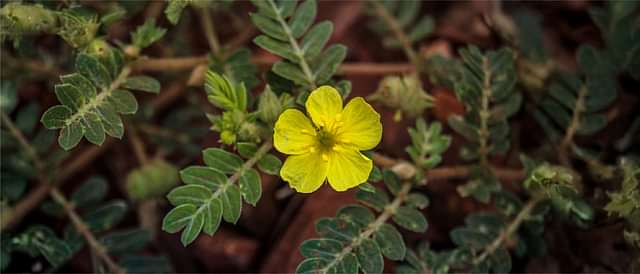
Gokshura (Tribulus terrestris) is a well-known Ayurvedic herb, traditionally valued for its rejuvenating and stamina-supporting properties. Its name comes from the Sanskrit "Go" (cow) and a word for hoof, referring to the fruit's resemblance to a cow's hoof. In Ayurveda, Gokshura is traditionally used to support urinary comfort, reproductive wellness and general vitality, and is recognised for its traditional diuretic action.
30th Jul 2025
|
11 mins read
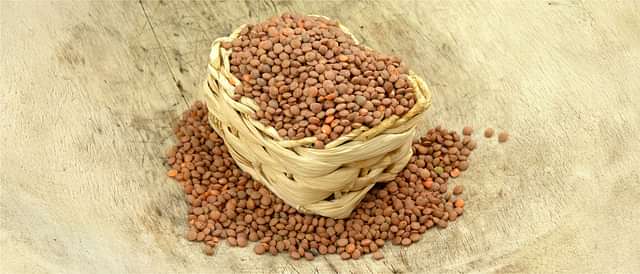
Kulthi, also known as horse gram (Macrotyloma uniflorum), is a protein-rich legume widely used in Indian cooking and Ayurveda. It is a good source of protein, iron and dietary fibre, and is traditionally used to support kidney health, digestion and general nourishment as part of a balanced diet.
29th Jul 2025
|
13 mins read
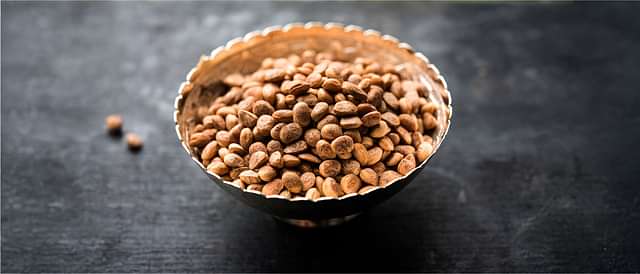
Chironji, also called Priyal, is the small, almond-flavoured seed of the Buchanania lanzan tree, which is native to the central and northern forests of India. In Ayurveda and Indian cooking, its roasted or raw seeds are traditionally used to support digestion, and they are a popular ingredient in sweets such as kheer. The seeds are also ground into a paste for traditional topical skincare use.
28th Jul 2025
|
14 mins read
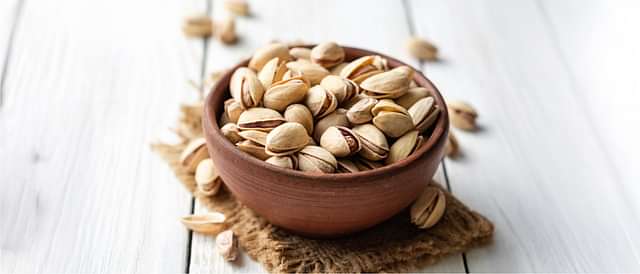
Pistachio, a popular dry fruit, is loved for its crunchy texture, unique taste, and rich nutrient content. It is often regarded as a powerhouse of vitamins, minerals, protein, fibre, and antioxidants. The benefits of eating pistachios include improved heart health, better digestion, and support for weight management due to their high fibre and antioxidant content. At the same time, it is important to be aware of the possible side effects of overconsumption, such as digestive discomfort, weight gain, excessive sodium intake if salted, or allergic reactions in sensitive individuals. In this article, the reader will learn what pistachio nuts are, other names used, the medicinal benefits, nutrition content, side effects and pista seed benefits.
28th Jul 2025
|
15 mins read
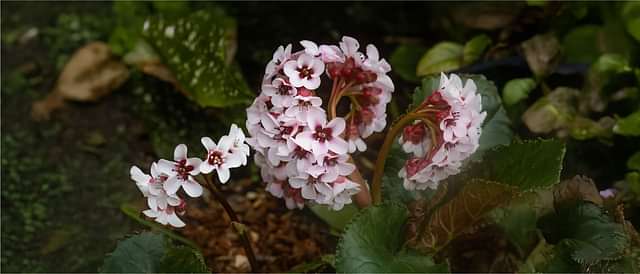
Pashanbhed (Bergenia ligulata) is a Himalayan herb whose rhizome, an underground stem, is used in Ayurveda for urinary stone conditions. It is traditionally taken as a powder or decoction to support urine flow and urinary comfort. The herb is also an ingredient in Ayurvedic formulations for urinary health, and it is not a substitute for medical care for kidney stones.
16th Jul 2025
|
16 mins read
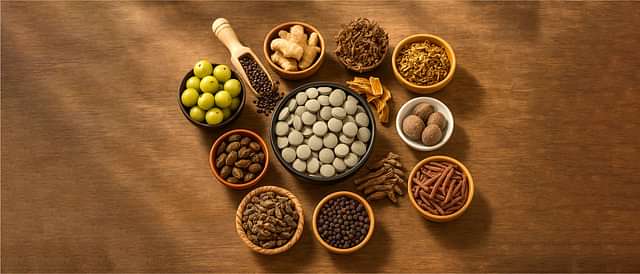
Punarnavadi Mandoor is a classical Ayurvedic herbo-mineral formulation containing Punarnava (Boerhavia diffusa) and purified iron (Mandura). It is traditionally used to support the management of iron-deficiency anaemia, healthy digestion, and liver and urinary function. As an iron-based medicine, it should be used only after appropriate diagnosis and under professional guidance.
16th Jul 2025
|
15 mins read
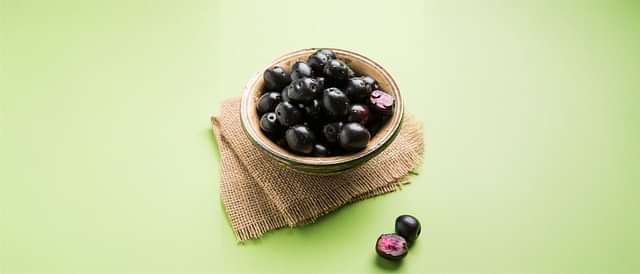
The black plum plant, Jamun (Syzygium cumini), is most appreciated for its nutritional properties. Every part of the plant, including its leaves, bark, fruit, seeds, and roots, holds medicinal significance. The fruit is extensively used for preparing beverages, juices-‘squashes’ and ‘Jellies’ while the seeds, rich in carbohydrates, proteins, and bioactive compounds, are anti-diabetic. These Jamun fruits contain potent antioxidants, antipyretics, and nephroprotective agents, making them a significant aspect of Ayurveda. As there is growing awareness of health, there is a potential for new uses of food, and hence, there is more emphasis on the scientific investigation of these sectors.
15th Jul 2025
|
14 mins read
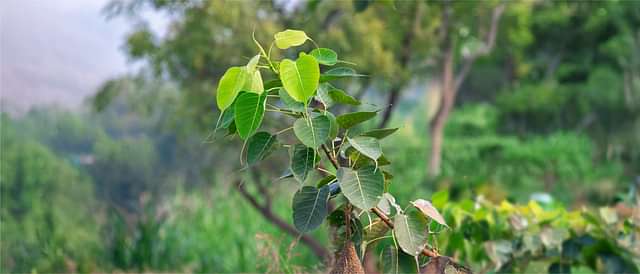
Peepal (Ficus religiosa), also known as the sacred fig, is a large tree whose bark, leaves and fruit are widely used in Ayurveda. It is traditionally considered to help balance Kapha and Pitta doshas and is traditionally used to support respiratory comfort, digestive health and skin wellbeing. Different parts of the tree are traditionally prepared as decoctions, powders and pastes for these uses.
14th Jul 2025
|
14 mins read
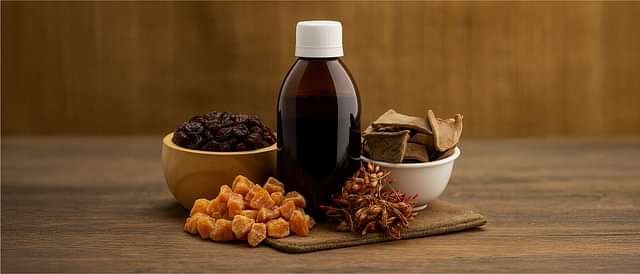
Arjunarishta, also called Parthadyarishta, is a classical Ayurvedic fermented tonic (arishta) prepared from the bark of the Arjuna tree (Terminalia arjuna) with dry grapes, Madhuka and Dhataki flowers and jaggery. It is traditionally taken as a liquid cardiac tonic to support the heart and general strength. As a result of fermentation, it contains a small amount of naturally generated alcohol.
14th Jul 2025
|
10 mins read
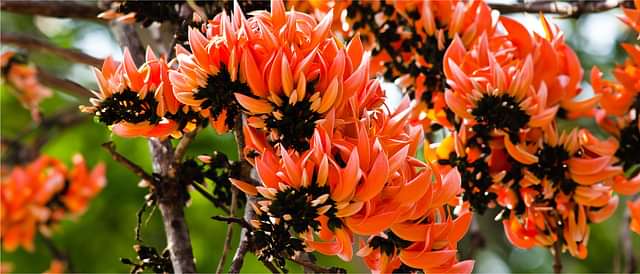
Palash, also called the Flame of the Forest, is a deciduous tree valued in Ayurveda for its bright orange-red flowers, seeds, bark and gum. Its flowers and seeds are traditionally used to support digestive health, and its flowers are traditionally applied to the skin to help soothe skin irritation. Different parts of the tree are prepared as powders, decoctions or topical pastes.
28th Jun 2025
|
13 mins read
Explore other categories
Latest health articles





Top Health Essentials












Top-selling ayurvedic products

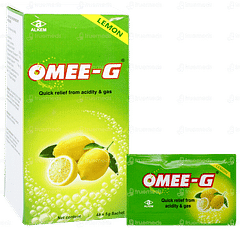
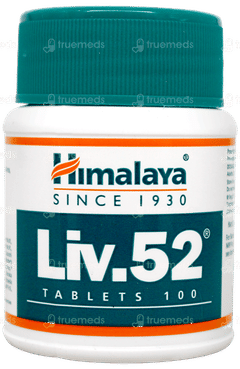

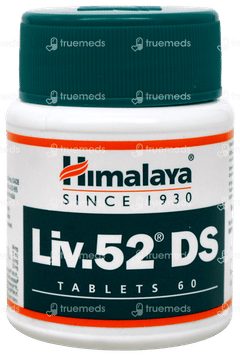
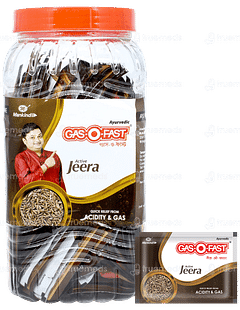















Top-Selling Medicines:
...View more
Top-OTC medicines:
...View more
Top-selling healthcare devices:
...View more
Company
About UsHealth ArticleHealth StoriesHealth LibraryDiseases & Health ConditionsAyurvedaUnderstanding Generic MedicinesAll MedicinesAll BrandsNeed HelpFAQSecuritySavings CalculatorAdvertise with UsSubscribe
Registered Office Address
Grievance Officer
Download Truemeds


Contact Us
Our customer representative team is available 7 days a week from 9 am - 9 pm.
v4.28.18

2026 - Truemeds | All rights reserved. Our content is for informational purposes only. See additional information.

Our Payment Partners




