

- Medicines
- Personal Care
- Skin Cream
- Sunscreen
- Face Wash
- Skin and Body Soap
- Acne Care
- Body Lotions
- Moisturising Lotion
- Moisturising Cream
- Mosquito Repellent
- Moisturising Gel
- Body Wash
- Hair Oils
- Hair Shampoo
- Hair Conditioners
- Hair Supplements
- Hair Colour
- Hair Serum
- Hair Mask
- Hair Solutions
- Baby Diapers and Wipes
- Baby Lotion and Moisturising Cream
- Baby Bath Essentials
- Baby Skin Care
- Baby and Infant Food
- Baby Healthcare
- Women Multivitamins
- Ovulation Test Kit and Women Intimate Care
- Sanitary Pads
- Nutritional Drinks
- Condoms
- Lubricants
- Massage Gels
- Personal Body Massagers
- Men Performance Booster
- Sexual Health Supplements
- Massage Oils
- Ayurveda
- Tooth Paste
- Mouth Ulcer Gel
- Mouthwash
- Toothache and Gum Pain
- Tooth Brush
- Gargle Solution
- Orthopaedic Supports
- Adult Diapers
- Footwear
- Mobility and Support Accessories
- Urinary Support and Care
- Health Conditions
- Bone and Joint Care
- Digestive Care
- Eye Care
- Pain Relief
- Smoking Cessation
- Liver Care
- Stomach Care
- Cold and Cough
- Heart Care
- Kidney Care
- Piles, Fissures & Fistula
- Respiratory Care
- Mental Wellness
- Derma Care
- Pre and Probiotics
- Acidity
- Gas
- Constipation
- Loose Motion/Diarrhoea
- Digestive Fibres
- Digestive Enzymes
- Eye Lubricant Drops
- Lens Solution
- Safety Eye Wear
- Eye Cream
- Eye Vitamins and Supplements
- Eye Drops
- Eye Ointment and Gel
- Nicotine Patch
- Nicotine Gum
- Nicotine Lozenges
- Cough Syrups
- Chest Rubs and Balms
- Nasal Spray
- Lozenges
- Inhalant Capsules
- Cold and Cough Tablets
- Vitamins & Supplements
- Diabetes Care
- Healthcare Devices
- Homeopathic Medicine
- Health Guide
Giloy
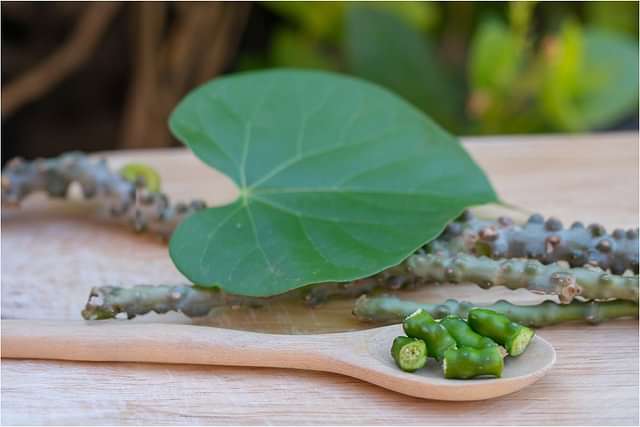
Giloy, also called Guduchi (Tinospora cordifolia), is a climbing shrub traditionally used in Ayurveda and known as a Rasayana, or rejuvenative. It is traditionally taken to support immunity and digestion and to help the body during mild, everyday fevers. It is used under guidance, in normal amounts, as supportive care alongside medical treatment, not as a replacement for it.
 50
50Last updated on : 07 Sep, 2026
Read time : 11 mins
What Is Giloy (Guduchi)?
Giloy is best known by its Sanskrit names Guduchi, meaning 'the one that protects', and Amrita, meaning 'nectar of immortality', both pointing to its long reputation as a rejuvenating herb. It is traditionally classified in Ayurveda as a Rasayana (rejuvenative) and Jvaraghna (fever-relieving) herb, and it grows across the tropical parts of India.
In Ayurveda, Giloy is valued as a bitter, warming herb that supports digestion and the body's natural defences. It is traditionally described as having rasa (taste) tikta and kashaya, bitter and astringent; virya (potency) ushna, warming; and vipaka (post-digestive effect) madhura, sweet. It is considered to balance all three doshas, and it is used as supportive care rather than as a treatment for any specific disease.
Key Facts
| Feature | Details |
| Botanical name | Tinospora cordifolia |
| Family | Menispermaceae |
| Part used | Mainly the stem; the leaves are also used
|
| Ayurvedic properties | Rasa tikta and kashaya (bitter, astringent); virya ushna (hot); vipaka madhura (sweet); traditionally considered to balance all three doshas
|
| Key active compounds | Diterpenoid compounds (columbin, tinosporside), alkaloids (berberine, palmatine, magnoflorine) and glycosides (tinocordiside)
|
| Traditional uses | Support for immunity, digestion and recovery during fever
|
| Common forms | Fresh stem, powder (churna), juice (swarasa), tablets (Ghana vati), satva |
| General dosage | Powder 3 to 6 g/day; juice 10 to 20 ml/day; on a practitioner's advice |
| Best taken | On an empty stomach with warm water, under guidance
|
| Key safety note | Giloy has been associated with liver injury in some people. Stop and seek medical care if jaundice, dark urine, ongoing nausea or upper-right tummy pain occur. Avoid use in people with autoimmune conditions and during pregnancy unless advised by a qualified healthcare professional. Caution with diabetes, blood-pressure, thyroid and immunosuppressant medicines. |
Alternative Names of Giloy
Giloy is known by many names across India. The main ones are:
- Botanical name: Tinospora cordifolia
- English: Giloy, heart-leaved moonseed
- Hindi: Giloy, Gurcha
- Sanskrit: Guduchi, Amrita, Madhuparni
- Marathi: Gulvel
- Bengali: Gulancha
- Punjabi: Gilo
- Malayalam: Chittamrutu
- Tamil: Seendhil, Shindilakodi
Chemical Constituents of Giloy
Giloy contains a range of natural compounds, including:
- Alkaloids, such as berberine, palmatine and magnoflorine
- Diterpenoid compounds, such as columbin and tinosporside
- Glycosides, such as tinocordiside and cordifolioside
- Steroids, flavonoids, tannins and saponins
- Small amounts of minerals, including iron, calcium and phosphorus
Medicinal Properties of Giloy
In traditional Ayurvedic terms and in early preclinical studies, Giloy is associated with the following actions:
- Immunomodulatory: traditionally linked with supporting the body's natural defences (Gupta et al., 2024).
- Antipyretic (Jvaraghna): traditionally used to support the body during fevers.
- Anti-inflammatory and antioxidant: observed mainly in laboratory and animal studies.
- Adaptogenic: traditionally associated with helping the body cope with stress.
- Deepana and Pachana (digestive): traditionally linked with supporting digestion.
- Rasayana (rejuvenative): a traditional Ayurvedic classification associated with supporting vitality and recovery.
Key Health Benefits of Giloy
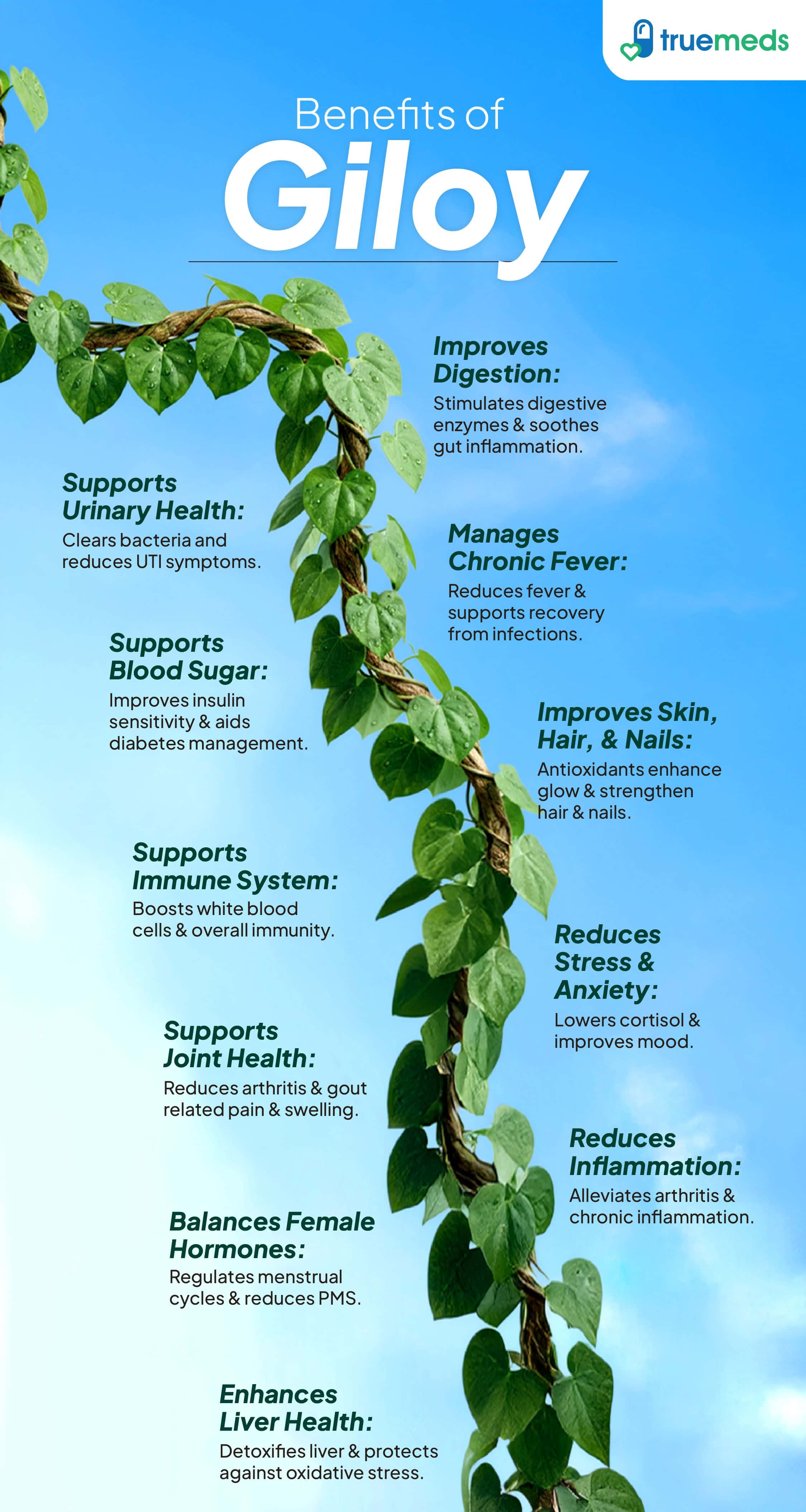
Giloy is traditionally used to support immunity, digestion, recovery and general vitality. It is also valued for its traditional fever-related and antioxidant uses, although much of the evidence comes from laboratory and animal research. Giloy should be considered supportive care rather than a treatment for fever or other medical conditions.
Supports the Immune System
Giloy is traditionally valued as a Rasayana with immunomodulatory activity, meaning it is thought to support the body's natural defences. On this basis, it is traditionally taken to support general immunity, best alongside a healthy diet and lifestyle (Gupta et al., 2024).
Traditionally Used During Fevers
In Ayurveda, Giloy is a Jvaraghna (fever-relieving) herb, traditionally used to support the body during fever and recovery. A high, persistent or severe fever needs medical assessment, so Giloy should be used only as supportive care, not as a treatment for the fever itself.
Supports Digestion
Giloy has Deepana and Pachana actions in Ayurveda, traditionally linked with supporting digestion and easing digestive discomfort. This supportive role is one reason it is often taken as part of a daily wellness routine rather than for any specific digestive disease.
Provides Antioxidant Support
Giloy contains compounds with antioxidant activity, which have been studied for their potential role in countering oxidative stress and inflammation. Much of this evidence comes from laboratory and animal studies, so it is best seen as general wellness support within a balanced lifestyle, not a proven treatment (Gupta et al., 2024).
Valued as a Rejuvenative (Rasayana)
Giloy is traditionally described as Amrita and classified as a Rasayana, traditionally used to support vitality and recovery. This is a traditional role based on long use, and it should sit alongside, not replace, medical care and a healthy lifestyle.
Common Uses of Giloy
Giloy is commonly used as a traditional wellness tonic for immunity, fever-related supportive care, digestive comfort and skin care. It may be taken as juice, powder, tablets or a herbal decoction, depending on the traditional preparation and intended use.
As a Daily Immunity Tonic
It is traditionally taken as a juice, powder or tablet, sometimes with honey, as a daily tonic to support immunity, especially during seasonal changes.
As Supportive Care During Fevers
Giloy kadha, a herbal decoction, is a traditional home remedy taken to support the body during fever. A high or lasting fever needs medical care rather than reliance on a home remedy.
In Digestive and Skin Home Remedies
Giloy decoctions are traditionally used for digestive comfort, and its powder is sometimes used in traditional skin preparations. These are traditional, supportive uses only.
Precautions While Taking Giloy
- Autoimmune conditions: Giloy may affect immune system activity and could make autoimmune conditions worse, so avoid it unless your specialist agrees.
- Diabetes: Giloy may lower blood sugar, so if you take diabetes medicines, monitor your levels and consult your doctor before use.
- Pregnancy and breastfeeding: Avoid Giloy in any form unless your doctor advises it.
- Other medicines: If you take thyroid, blood-pressure, sedative or immunosuppressant medicines, consult your doctor before use (see the interactions section).
- Liver conditions: Avoid taking Giloy if you have a liver condition. Giloy (Tinospora cordifolia) has been associated with liver injury in some people, including autoimmune-like hepatitis, with reported cases ranging from mild to severe; liver transplantation and deaths have also been reported. Do not take Giloy continuously for long periods unless a doctor advises and monitors you. Stop taking it and seek medical attention promptly if you notice jaundice or yellowing of the skin or eyes, dark urine, pale stools, ongoing nausea, unusual tiredness, or pain in the upper-right side of the tummy (LiverTox, 2024 & Philips et al., 2022).
- Do not take Giloy continuously for long periods without medical advice and monitoring.
How to Use Giloy
Giloy is bitter, so it is usually taken as juice, tablets or powder rather than raw. Use the form you have as follows:
Giloy Juice (Swarasa)
Dilute 10 to 20 ml of Giloy juice in water and take it once a day, usually in the morning on an empty stomach, or as your practitioner advises. Do not exceed the recommended amount.
Giloy Tablets
Take 1 to 2 tablets a day with water, following the dose on the pack or your practitioner's advice. Do not take more than the stated amount.
Giloy Powder (Churna)
Mix up to the stated amount of Giloy powder (commonly 3 to 6 g a day) in warm water or with honey, and take it once or twice a day under guidance. Its powder can also be made into a paste for occasional traditional skin use.
Recommended Dosage of Giloy
The right dose depends on the person and the form, and it should be set by a practitioner. As a general guide:
- Children and teenagers: Only under a practitioner's direction. Do not give Giloy to a child without professional advice.
- Adults: Juice 10 to 20 ml a day, diluted in water; or 3 to 6 g of powder a day; or 1 to 2 tablets a day.
- Older adults: Usually the same range, but the dose should be individualised and used under medical guidance, especially if other medicines are taken.
Note: Do not take Giloy continuously for long periods. Take it as a defined course, and stop and seek medical attention promptly if any liver symptoms appear.
Side Effects of Giloy
Giloy may cause liver injury, digestive upset, dizziness, tiredness or allergic reactions in some people. It may also lower blood sugar, particularly when combined with diabetes medicines. Seek medical care promptly if you develop signs of liver injury such as jaundice, dark urine, persistent nausea or upper-right abdominal pain.
Liver Injury
Rarely, Giloy can cause liver injury, sometimes serious. Stop it and seek medical care straight away if you notice yellowing of the skin or eyes, dark urine, ongoing nausea, unusual tiredness, or pain in the upper right side of the tummy (LiverTox, 2024).
Low Blood Sugar
Taking too much may lower blood sugar, which can cause hypoglycaemia. This matters most for people who take diabetes medicines. People taking glucose-lowering medicines should consult their doctor and follow their established monitoring plan.
Dizziness and Tiredness
Some people feel dizzy or tired, which may be related to low blood sugar or an interaction with another medicine.
Digestive Upset
Giloy can occasionally cause stomach discomfort or affect bowel movements, including constipation in some people.
Allergic Reactions
A ready-made supplement may contain other ingredients that can cause an allergy. Stop it and seek medical advice if a rash, itching or swelling develops.
Interactions of Giloy with Other Drugs
Giloy can affect how some medicines work. Tell your doctor you are taking it, especially if you use any of these:
Immunosuppressant Medicines
Giloy may affect immune system activity, so it could interfere with medicines that deliberately lower immunity, for example after a transplant or for an autoimmune disease. Avoid it unless your specialist agrees.
Diabetes Medicines
Giloy may lower blood sugar, so with diabetes medicines it could increase the risk of hypoglycaemia. Monitor your levels and speak to your doctor first.
Blood-Pressure Medicines
Giloy may lower blood pressure, so with blood-pressure medicines it could lower it too much. Your doctor should monitor your blood pressure.
Thyroid Medicines
Giloy may affect thyroid hormone levels, so if you take thyroid medicine, use Giloy only with your doctor's knowledge.
Sedatives and Sleep Aids
There is limited evidence that Giloy has a clinically significant calming effect or interacts with sedatives. If you use sleep or anxiety medicines, consult your doctor before taking Giloy.
Chemotherapy and Specialist Medicines
Giloy could interfere with some specialist treatments, but evidence for specific interactions is limited. If you are under specialist care, do not add Giloy without your specialist's approval.
Storage of Giloy
Keep Giloy powder, juice or tablets in a tightly closed container in a cool, dry place, away from direct sunlight and moisture. Once opened, use the juice within the time stated on the pack, keep all forms out of the reach of children, and do not use any form after its expiry date.
Key Takeaways
- Giloy (Guduchi, Tinospora cordifolia) is a classical Ayurvedic Rasayana traditionally used to support immunity, digestion and recovery during ordinary fevers.
- It is available as juice, powder, tablets and satva. Use it under appropriate guidance as supportive care, not as a treatment for any disease.
- Giloy may cause liver injury in some people. Stop using it and seek medical care if you develop jaundice, dark urine, persistent nausea or pain in the upper-right abdomen. Avoid long-term use without medical monitoring.
- Avoid Giloy during pregnancy and in people with autoimmune conditions. People taking diabetes, blood-pressure, thyroid or immunosuppressant medicines should consult a healthcare professional before use.
- Use only correctly identified Tinospora cordifolia (Guduchi). Do not confuse it with Tinospora crispa, which has been associated with liver injury.
FAQs
Does Giloy help boost immunity?
Is Giloy safe for the liver?
Can Giloy be taken if you have an autoimmune condition?
Can I take Giloy during pregnancy or breastfeeding?
How do you make Giloy kadha?
What is Giloy satva?
Can you eat Giloy leaves?
How can you identify a Giloy plant?
References
- Gupta, A., Gupta, P., & Bajpai, G. (2024). Tinospora cordifolia (Giloy): An insight on the multifarious pharmacological paradigms of a most promising medicinal Ayurvedic herb. Heliyon, 10(4), e26125. https://doi.org/10.1016/j.heliyon.2024.e26125
- LiverTox: Clinical and Research Information on Drug-Induced Liver Injury. (2024). Tinospora. National Institute of Diabetes and Digestive and Kidney Diseases. https://www.ncbi.nlm.nih.gov/books/NBK608429/
- Philips, C. A., Ahamed, R., Rajesh, S., Abduljaleel, J. K. P., & Augustine, P. (2022). Tinospora cordifolia (Giloy)-induced liver injury during the COVID-19 pandemic: Multicenter nationwide study from India. Hepatology Communications, 6(6), 1289–1300. https://pubmed.ncbi.nlm.nih.gov/35037744/





Explore other categories
Latest health articles





Top Health Essentials








Top-selling ayurvedic products














Disclaimer
Top-Selling Medicines:
...View more
Top-OTC medicines:
...View more
Top-selling healthcare devices:
...View more
Company
About UsHealth ArticleHealth StoriesHealth LibraryDiseases & Health ConditionsAyurvedaUnderstanding Generic MedicinesAll MedicinesAll BrandsNeed HelpFAQSecuritySavings CalculatorAdvertise with UsSubscribe
Registered Office Address
Grievance Officer
Download Truemeds


Contact Us
Our customer representative team is available 7 days a week from 9 am - 9 pm.
v4.28.18

2026 - Truemeds | All rights reserved. Our content is for informational purposes only. See additional information.

Our Payment Partners




