

- Medicines
- Personal Care
- Skin Cream
- Sunscreen
- Face Wash
- Skin and Body Soap
- Acne Care
- Body Lotions
- Moisturising Lotion
- Moisturising Cream
- Mosquito Repellent
- Moisturising Gel
- Body Wash
- Hair Oils
- Hair Shampoo
- Hair Conditioners
- Hair Supplements
- Hair Colour
- Hair Serum
- Hair Mask
- Hair Solutions
- Baby Diapers and Wipes
- Baby Lotion and Moisturising Cream
- Baby Bath Essentials
- Baby Skin Care
- Baby and Infant Food
- Baby Healthcare
- Women Multivitamins
- Ovulation Test Kit and Women Intimate Care
- Sanitary Pads
- Nutritional Drinks
- Condoms
- Lubricants
- Massage Gels
- Personal Body Massagers
- Men Performance Booster
- Sexual Health Supplements
- Massage Oils
- Ayurveda
- Tooth Paste
- Mouth Ulcer Gel
- Mouthwash
- Toothache and Gum Pain
- Tooth Brush
- Gargle Solution
- Orthopaedic Supports
- Adult Diapers
- Footwear
- Mobility and Support Accessories
- Urinary Support and Care
- Health Conditions
- Bone and Joint Care
- Digestive Care
- Eye Care
- Pain Relief
- Smoking Cessation
- Liver Care
- Stomach Care
- Cold and Cough
- Heart Care
- Kidney Care
- Piles, Fissures & Fistula
- Respiratory Care
- Mental Wellness
- Derma Care
- Pre and Probiotics
- Acidity
- Gas
- Constipation
- Loose Motion/Diarrhoea
- Digestive Fibres
- Digestive Enzymes
- Eye Lubricant Drops
- Lens Solution
- Safety Eye Wear
- Eye Cream
- Eye Vitamins and Supplements
- Eye Drops
- Eye Ointment and Gel
- Nicotine Patch
- Nicotine Gum
- Nicotine Lozenges
- Cough Syrups
- Chest Rubs and Balms
- Nasal Spray
- Lozenges
- Inhalant Capsules
- Cold and Cough Tablets
- Vitamins & Supplements
- Diabetes Care
- Healthcare Devices
- Homeopathic Medicine
- Health Guide
Guava
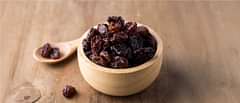
Guava (Amrud) is a tropical fruit of the Myrtaceae family, rich in vitamin C, dietary fibre, potassium and antioxidants. It is eaten fresh, consumed as juice, or prepared as leaf tea. In traditional and everyday use, it is valued for supporting digestion, immunity and skin health, and is widely enjoyed as a nutritious fruit across India.
 50
50Last updated on : 14 Aug, 2026
Read time : 12 mins
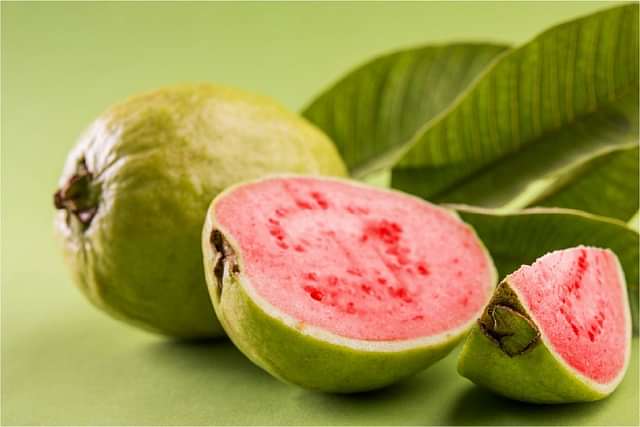
What is Guava?
Guava (Amrud), botanically known as Psidium guajava, is a tropical fruit belonging to the Myrtaceae family. It is native to Central America and Mexico and was brought to India by Portuguese traders in the early 17th century. India is one of the world’s leading producers of guava. The fruit is oval or round, with green or yellow skin and white, pink or red flesh dotted with small, hard seeds. It is eaten fresh, made into juice, or pulped into jams, and its leaves are used in traditional home remedies.
Because guava reached India only a few centuries ago, it does not appear in the classical Ayurvedic texts such as the Charaka Samhita or Sushruta Samhita. It is described instead in later and regional Ayurvedic and folk traditions, where the ripe fruit is traditionally regarded as sweet, sour and astringent in taste, cooling in effect, and soothing to Pitta. Its phytochemistry and traditional uses have been reviewed in the modern literature (Kumar et al., 2021; Ugbogu et al., 2022).
In later Ayurvedic and regional traditions, ripe guava is traditionally described as having a cooling nature and specific Ayurvedic properties (Rasa, Guna, Virya and Vipaka), which are discussed below:
- Rasa (Taste): Madhura (sweet), Amla (sour, more pronounced when unripe), Kashaya (astringent)
- Guna (Qualities): Guru (heavy), Snigdha (unctuous)
- Virya (Potency): Sheeta (cooling)
- Vipaka (Post-digestive effect): Madhura (sweet)
- Dosha Action: Traditionally, ripe guava is considered to help balance Pitta and Vata and may increase Kapha, while the unripe fruit and leaves are traditionally regarded as helping reduce Kapha because of their astringent nature.
Key Facts
| Feature | Details |
| Botanical name | Psidium guajava |
| Family | Myrtaceae |
| Also known as | Amrud or Amrood (Hindi), Peyara (Bengali), Koyya (Tamil), Jama (Telugu) and Peru (Marathi) |
| Origin | Native to Central America and Mexico; introduced to India in the early 17th century. India is now the largest producer. |
| Part eaten | Ripe fruit (flesh and seeds). Leaves are used separately in traditional remedies. |
| Ayurvedic classification | Contemporary and folk: sweet, sour and astringent taste, cooling potency, sweet post-digestive effect, soothing to Pitta. |
| Key nutrients | Vitamin C, dietary fibre, potassium and folate. Pink and red varieties also contain lycopene. |
| Common forms | Fresh fruit, juice, pulp or paste, powder, guava leaf tea. |
| Typical serving | One to two medium guavas a day as part of a balanced diet. |
| Best eaten | As a mid-morning or daytime snack; sensitive stomachs may prefer it with or after food. |
| Key safety note | High in potassium, so people with kidney disease should consult their doctor before consuming large amounts of guava. Use guava leaf preparations cautiously if you take medicines to lower blood sugar levels. |
Alternative Names of Guava
Guava is known by different names in various languages and across Indian regions:
- Botanical name: Psidium guajava
- English: Guava
- Hindi: Amrud (also spelled Amrood)
- Sanskrit: Amrutaphalam, Perukah (to be confirmed by the Ayurvedic reviewer)
- Bengali: Peyara
- Tamil: Koyya
- Telugu: Jama
- Marathi: Peru
Nutritional Value of Guava
Guava is a nutrient-dense fruit. The values below are per 100 g of raw guava:
Component (per 100 g, raw) | Approximate amount |
Energy | 68 kcal |
Carbohydrate | 14.3 g |
Dietary fibre | 5.4 g |
Sugars | 8.9 g |
Protein | 2.6 g |
Fat | 0.95 g |
Vitamin C | 228 mg |
Folate (B9) | 49 µg |
Potassium | 417 mg |
Magnesium | 22 mg |
Calcium | 18 mg |
Phosphorus | 40 mg |
Iron | 0.26 mg |
Key Health Benefits of Guava
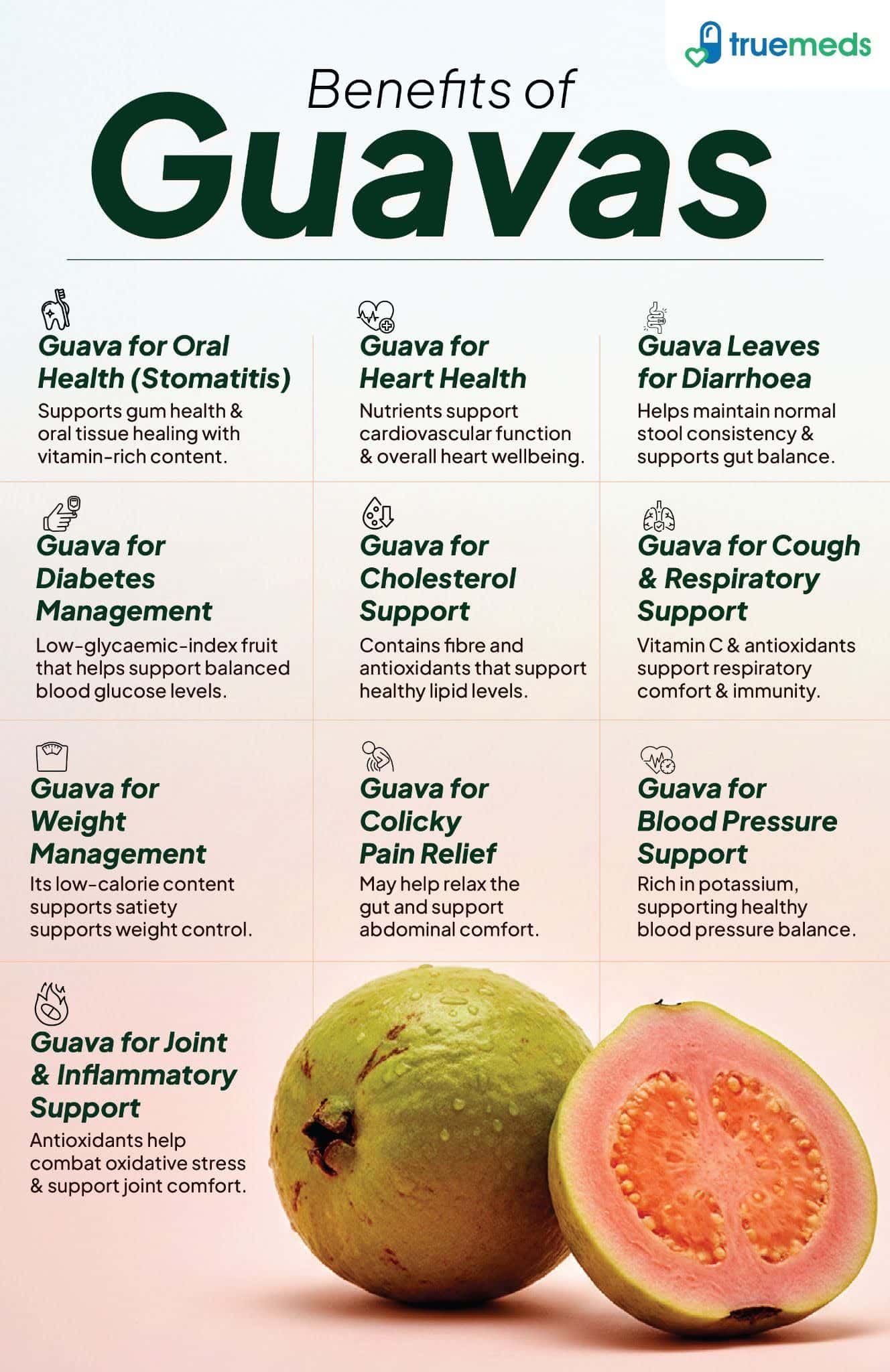
Guava is valued mainly as a nourishing everyday fruit. Its nutrients may support several aspects of general health when it is eaten as part of a balanced diet.
May support healthy digestion
Guava is high in dietary fibre, which adds bulk to the stool and helps keep bowel movements regular. In traditional use, guava leaf tea is also traditionally consumed to help ease loose stools and general digestive discomfort. The fibre and water content together make it a gentle, gut-friendly fruit for most people.
Provides antioxidant protection
Guava contains antioxidants such as vitamin C, lycopene and polyphenols, which help neutralise free radicals and protect cells from oxidative stress. This antioxidant content is one reason guava is often described as a nourishing fruit (Kumar et al., 2021).
May support immunity
A single guava supplies more than the recommended daily intake of vitamin C. Vitamin C supports the normal function of the immune system. Regularly including vitamin C-rich fruits like guava as part of a balanced diet is a simple way to support normal immune function.
Skin Health Support
The vitamin C in guava is needed for normal collagen formation, which supports normal skin function, while its antioxidants help protect skin cells from free-radical damage. Eating guava as part of a balanced diet may therefore support healthy skin over time, rather than acting as a quick fix.
May aid weight management
Guava is naturally low in calories and high in fibre, so it may help you feel full and reduce the urge to snack. Its natural sweetness can also help satisfy sugar cravings. When used in place of higher-calorie snacks, it is a sensible choice within a calorie-controlled, balanced diet.
Provides potassium and dietary fibre
Potassium and dietary fibre are components of a balanced diet that supports normal cardiovascular function. As one fruit among many, it can be included in a balanced diet that supports overall cardiovascular health. It is not a treatment for any heart or blood pressure condition.
Common Uses of Guava
Beyond the fruit itself, guava is used in several traditional and everyday ways, mostly to support digestive and oral health.
Eaten fresh as a daily fruit
The most common use is simply eating the ripe fruit fresh, adding it to a fruit salad, or drinking it as juice. This is how most people get its fibre, vitamin C and antioxidants, and it is suitable for most ages as a light, filling snack.
Guava leaf tea for digestive comfort
In folk and traditional practice, a tea made from guava leaves is traditionally consumed to help settle loose stools and ease mild digestive upset. It is used occasionally for comfort and is not a substitute for oral rehydration or medical care when diarrhoea is severe or prolonged.
Traditional mouth and throat care
Chewing tender guava leaves or rinsing with a cooled guava-leaf infusion is a traditional home remedy for mouth soreness and minor gum discomfort, linked to the astringent nature of the leaves. It is a comfort measure only and does not replace dental or medical treatment.
Precautions While Taking Guava
Guava is generally safe for most people when eaten as part of a balanced diet. Keep these points in mind, and speak to your doctor if any apply to you.
- Pregnancy: Guava is generally safe in normal food amounts and provides folate, which supports healthy foetal development. Consume it in an appropriate fruit portion as part of a varied diet.
- Breastfeeding: Guava can be eaten as an ordinary part of the diet, in the same moderate amounts as any other fruit.
- Diabetes: The fruit is usually suitable in normal portions, but if you take blood-sugar medicines, monitor your blood sugar levels, as guava leaf preparations may enhance their effect. Check with your doctor before using guava leaf preparations.
- Kidney problems: Guava is high in potassium, so if you have kidney disease, ask your doctor how much is safe for you.
- Allergies: A small number of people may experience an allergic reaction to guava or its leaves. If you have not had it before, start with a small amount and stop using it if you notice any signs of an allergic reaction.
- Seeds: The hard seeds can be uncomfortable if swallowed whole in large numbers, so chew them well. For children, serve deseeded or finely chopped fruit to reduce the risk of choking.
How to Use Guava
Guava is easy to add to your day. Here are three simple ways to enjoy it, each with its own steps.
As a fresh snack or in a salad
Preparation:
- Wash the guava well and cut it into slices or cubes.
- Eat it on its own, or toss it with apple, orange or berries for a quick fruit salad.
Blended into guava juice
Making the juice:
- Chop one or two ripe guavas, add a little water and blend.
- Strain out the seeds, then add a squeeze of lemon or a little honey if desired.
- Drink it fresh, ideally in the morning or as a daytime refresher.
Brewed as guava leaf tea
Brewing the tea:
- Simmer a small handful of clean guava leaves in water for 10 to 15 minutes.
- Strain the tea and let it cool slightly before drinking.
- Drink once or twice a day for digestive comfort. If you are considering regular use, seek advice from a qualified healthcare professional, particularly if you have an underlying health condition or take medicines.
Serving Guidance for Guava
Guava is a food, so amounts are general guidance rather than a medicine dose. Suitable amounts vary with age and health, so the following should be considered general everyday portions.
- Children: Half to one small guava a day, cut into small pieces to reduce the risk of choking on the seeds.
- Teenagers: One medium guava a day as a snack or in a salad.
- Adults: One to two medium guavas a day; about 150 to 200 ml of fresh guava juice; or one cup of guava leaf tea occasionally, if needed.
- Older adults: One medium guava a day; those who find the seeds hard to chew may prefer deseeded or well-ripened fruit, or juice.
Guava-leaf preparations contain a different and potentially more concentrated profile of phytochemicals than the fruit and should not be treated as ordinary food.
Disclaimer: This information is for educational purposes only and is not a substitute for professional medical advice. Always consult a qualified healthcare professional before adding large amounts of guava or guava leaf preparations to your routine, especially if you are pregnant, breastfeeding, have diabetes, or have kidney disease.
Side Effects of Guava
Guava is generally well tolerated as a food. Side effects are uncommon and usually mild, particularly when consumed in large amounts.
- Digestive upset: Very large amounts of fibre-rich fruit can cause bloating, wind or loose stools in some people.
- Low blood sugar: If you take diabetes medicines, guava leaf preparations may increase the blood sugar-lowering effects of these medicines. Speak to your doctor before using them.
- Allergic reaction: Rarely, guava or its leaves may cause itching, rash or swelling. Stop using them and seek medical advice if this happens.
Interaction of Guava With Other Medicines
Guava as a fruit rarely interacts with medicines, but concentrated leaf preparations should be used with more caution.
- Diabetes medicines: Guava leaf preparations may lower blood sugar, so when taken together with diabetes medicines they may increase the risk of low blood sugar levels. Monitor blood sugar levels closely and consult your doctor.
- Blood-pressure medicines: Guava leaf preparations have not been well studied for interactions with blood-pressure medicines. Because guava is a source of potassium, people with kidney disease or those taking medicines that affect potassium levels should seek medical advice before consuming large amounts of guava or using guava leaf preparations.
Storage of Guava
Store fresh guava at room temperature until it ripens, then keep it in the refrigerator and use it within a few days. Refrigerate guava juice or pulp and use it promptly, as it spoils quickly once prepared or opened. Keep dried guava leaves or powder in a clean, airtight container away from moisture and direct sunlight.
Key Takeaways
- Guava (Amrud) is a vitamin C-rich tropical fruit that also provides fibre, potassium and antioxidants.
- As part of a balanced diet, it may support digestion, immunity and skin health; it is a food, not a treatment for any disease.
- Guava leaf tea is a traditional remedy traditionally used to help relieve loose stools and mild digestive upset, and is generally consumed occasionally rather than daily.
- Guava is best enjoyed in moderation. Large amounts may cause bloating or loose stools.
- If you take diabetes medicines, have kidney disease or are prone to allergies, speak to your doctor before consuming large amounts of guava or using guava leaf preparations regularly.
- Always speak to a qualified healthcare professional before using guava leaf preparations regularly or during pregnancy.
FAQs
Can I eat guava on an empty stomach?
Why are some guavas pink and others white?
Is guava a citrus fruit?
Can I eat guava seeds?
Is guava safe during pregnancy?
Can guava help if I am watching my weight?
What does guava leaf tea do?
Is it safe to eat guava with diabetes?
References
- Kumar, M., Tomar, M., Amarowicz, R., Saurabh, V., Nair, M. S., Maheshwari, C., Sasi, M., Prajapati, U., Hasan, M., Singh, S., Changan, S., Prajapat, R. K., Berwal, M. K., & Satankar, V. (2021). Guava (Psidium guajava L.) Leaves: Nutritional Composition, Phytochemical Profile, and Health-Promoting Bioactivities. Foods, 10(4). https://doi.org/10.3390/foods10040752
- Ugbogu, E. A., Emmanuel, O., Uche, M. E., Dike, E. D., Okoro, B. C., Ibe, C., Ude, V. C., Ekweogu, C. N., & Ugbogu, O. C. (2022). The ethnobotanical, phytochemistry and pharmacological activities of Psidium guajava L. Arabian Journal of Chemistry, 15(5), Article 103759. https://doi.org/10.1016/j.arabjc.2022.103759


Explore other categories
Latest health articles





Top Health Essentials







Top-selling ayurvedic products















Disclaimer
Top-Selling Medicines:
...View more
Top-OTC medicines:
...View more
Top-selling healthcare devices:
...View more
Company
About UsHealth ArticleHealth StoriesHealth LibraryDiseases & Health ConditionsAyurvedaUnderstanding Generic MedicinesAll MedicinesAll BrandsNeed HelpFAQSecuritySavings CalculatorAdvertise with UsSubscribe
Registered Office Address
Grievance Officer
Download Truemeds


Contact Us
Our customer representative team is available 7 days a week from 9 am - 9 pm.
v4.28.13

2026 - Truemeds | All rights reserved. Our content is for informational purposes only. See additional information.

Our Payment Partners