

- Medicines
- Personal Care
- Skin Cream
- Sunscreen
- Face Wash
- Skin and Body Soap
- Acne Care
- Body Lotions
- Moisturising Lotion
- Moisturising Cream
- Mosquito Repellent
- Moisturising Gel
- Body Wash
- Hair Oils
- Hair Shampoo
- Hair Conditioners
- Hair Supplements
- Hair Colour
- Hair Serum
- Hair Mask
- Hair Solutions
- Baby Diapers and Wipes
- Baby Lotion and Moisturising Cream
- Baby Bath Essentials
- Baby Skin Care
- Baby and Infant Food
- Baby Healthcare
- Women Multivitamins
- Ovulation Test Kit and Women Intimate Care
- Sanitary Pads
- Nutritional Drinks
- Condoms
- Lubricants
- Massage Gels
- Personal Body Massagers
- Men Performance Booster
- Sexual Health Supplements
- Massage Oils
- Ayurveda
- Tooth Paste
- Mouth Ulcer Gel
- Mouthwash
- Toothache and Gum Pain
- Tooth Brush
- Gargle Solution
- Orthopaedic Supports
- Adult Diapers
- Footwear
- Mobility and Support Accessories
- Urinary Support and Care
- Health Conditions
- Bone and Joint Care
- Digestive Care
- Eye Care
- Pain Relief
- Smoking Cessation
- Liver Care
- Stomach Care
- Cold and Cough
- Heart Care
- Kidney Care
- Piles, Fissures & Fistula
- Respiratory Care
- Mental Wellness
- Derma Care
- Pre and Probiotics
- Acidity
- Gas
- Constipation
- Loose Motion/Diarrhoea
- Digestive Fibres
- Digestive Enzymes
- Eye Lubricant Drops
- Lens Solution
- Safety Eye Wear
- Eye Cream
- Eye Vitamins and Supplements
- Eye Drops
- Eye Ointment and Gel
- Nicotine Patch
- Nicotine Gum
- Nicotine Lozenges
- Cough Syrups
- Chest Rubs and Balms
- Nasal Spray
- Lozenges
- Inhalant Capsules
- Cold and Cough Tablets
- Vitamins & Supplements
- Diabetes Care
- Healthcare Devices
- Homeopathic Medicine
- Health Guide
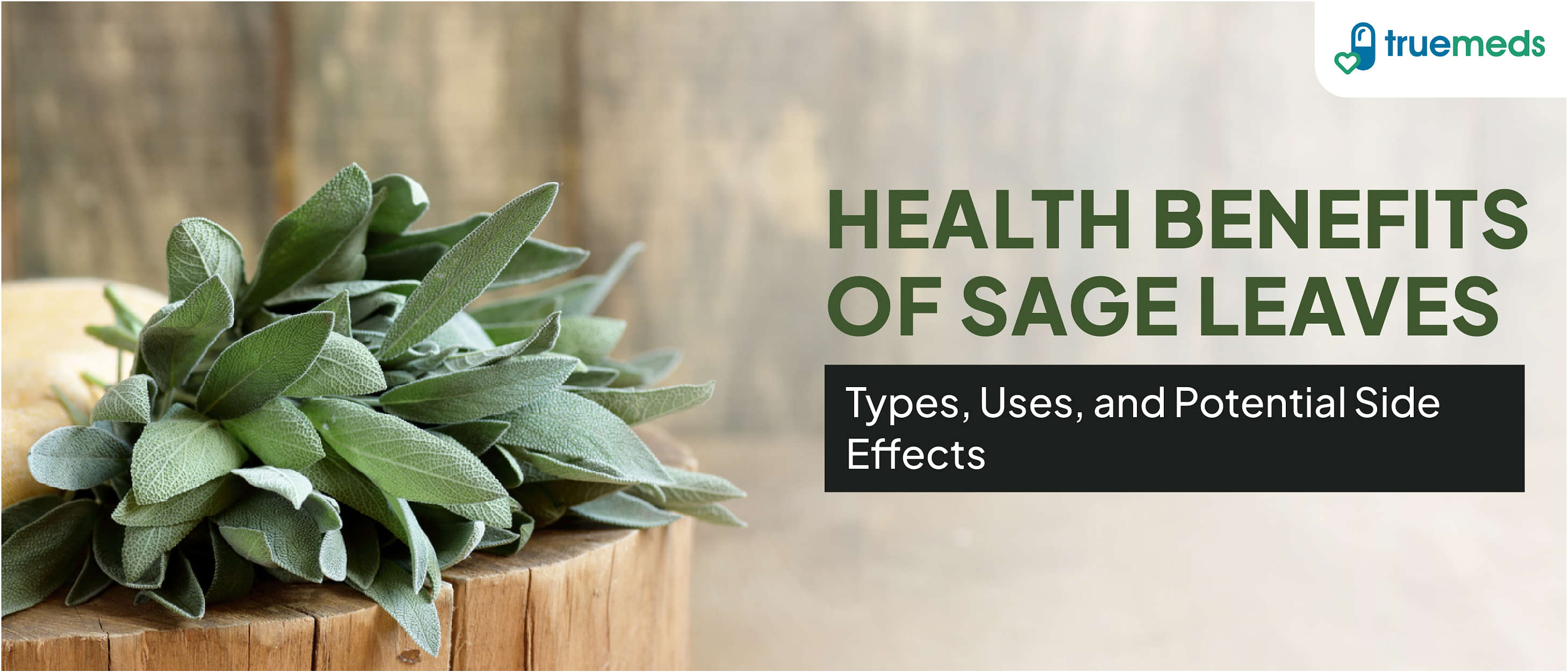
Health Benefits of Sage Leaves: Uses and Potential Side Effects
Last updated on : 01 Dec, 2025
Read time : 11 min
Sage leaves, a staple in many culinary traditions, offer numerous health benefits beyond flavour. From supporting cognitive health to potentially aiding blood sugar control, common sage (Salvia officinalis) is a herb with a wide range of therapeutic properties. However, it is vital to remember that sage should not replace conventional medical treatments, and any therapeutic use should be discussed with a healthcare professional.
In this article, we examine the types, applications, and potential side effects of sage, drawing on current scientific evidence [1].
Health Benefits of Sage Leaves
1. Boost Memory and Cognition
Sage leaves have been shown to enhance cognitive function and memory in both healthy individuals and those with cognitive impairment [2], [3]. This is primarily attributed to compounds in sage that appear to inhibit the breakdown of acetylcholine, a neurotransmitter in the brain that plays a crucial role in memory and cognitive functions [2], [4].
2. Combat Skin Ageing
Test-tube studies suggest that antioxidant polyphenols in sage, such as rosmarinic acid, may help reduce oxidative stress [5], a key contributor to skin ageing. Specifically, one study found that the application of a sage extract helped protect skin against damage from UV exposure [5].
3. Promote Hair Health
While there is limited direct clinical research on sage promoting hair growth, its antioxidant and anti-inflammatory properties could indirectly support overall hair and scalp health [6]. The presence of certain vitamins and minerals, such as vitamin K, magnesium, and zinc, in sage can contribute to overall nutritional health, potentially benefiting hair health. However, specific, controlled human studies are needed to confirm any direct benefit for hair growth [6].
4. Lower Cholesterol Levels
Consuming sage tea has been linked to improved blood lipid profiles. Studies have shown that drinking sage tea twice daily can significantly lower “bad” LDL cholesterol and total blood cholesterol while raising “good” HDL cholesterol levels [7]. This effect is attributed to the antioxidant and polyphenolic compounds in sage, such as chlorogenic acid and rosmarinic acid [7].
5. Aid Diabetes Management
Sage leaves have been traditionally used to manage diabetes, and some small human and animal studies support this use [8]. Sage extract has been shown to lower blood glucose levels and improve insulin sensitivity. It may work by acting on specific cellular receptors to help clear excess fatty acids from the bloodstream, thereby improving insulin function [8]. However, clinical evidence is still limited, and sage must not replace prescribed anti-diabetic medications [8].
6. Control Menopausal Symptoms
Sage has been used to reduce symptoms associated with menopause, particularly hot flashes and excessive sweating. Studies have found that sage supplements can significantly reduce the frequency and intensity of hot flashes [9]. This effect is believed to be due to compounds in sage that possess mild oestrogen-like properties, which may bind to certain receptors in the brain and ease these symptoms [9].
7. Support Metabolic Health
Sage is not a proven weight-loss supplement, and no clinical trials have definitively established its effectiveness in reducing body fat. However, its potential effects on lowering cholesterol and regulating blood sugar [7], [8] may support overall metabolic health as part of an overall healthy lifestyle [6].
8. Improve Oral Health
Sage has antimicrobial properties that can help improve oral health. It has been shown to inhibit the growth of cavity-causing bacteria, such as Streptococcus mutans, and the fungus Candida albicans in laboratory settings [10]. A randomised clinical trial found that a sage-based mouthwash was effective in reducing the levels of S. mutans in dental plaque [10].
9. Preliminary Anti-Cancer Research
Preliminary laboratory studies (in-vitro and animal models) have shown that certain compounds in sage may exhibit anti-proliferative effects on cancer cells. For example, components of sage have been observed to induce apoptosis (programmed cell death) in some types of cancer cells. However, these findings are limited to test-tube and animal models. There is currently no reliable human evidence to suggest that consuming sage reduces the risk of cancer in people, and it should not be used as a cancer treatment.
Uses of Sage Leaves
Sage leaves are incredibly versatile, offering a wide range of applications that span culinary, traditional medicinal, and aromatherapeutic domains.
1. Culinary Uses
In the culinary world, sage is a beloved herb that adds a distinctive, earthy flavour to various dishes. Its intense aroma and taste make it an ideal complement to meats, particularly poultry and pork. Sage is also commonly used to enhance the flavour of soups, stews, and vegetable dishes, either in its fresh or dried form. Traditional recipes, such as stuffing for turkey and sage butter for pasta, showcase the herb’s versatility in the kitchen.
2. Traditional and Complementary Uses
Historically, sage has been used in herbal medicine for its potential cognitive-enhancing, anti-inflammatory, and antiseptic properties. Its traditional uses align with some modern research findings, such as its application to alleviate symptoms of menopause and its role in oral health [9], [10].
Note: Always consult a doctor or qualified dietitian before using sage supplements, especially for chronic conditions or in high doses, as it may interact with medications.
3. Aromatherapy and Essential Oils
Sage essential oil is valued in aromatherapy for its potential to promote mental clarity and alertness. Inhaling sage oil may help improve memory and attention while reducing feelings of anxiety and stress. It is crucial to use sage essential oil with caution due to the potential presence of thujone, which can be harmful in high doses.
Note: Essential oils should never be ingested. Always dilute them with a carrier oil (like coconut or almond oil) before topical use.
4. Sage in Home Remedies
The antimicrobial and anti-inflammatory properties of sage leaves make them a valuable ingredient in various traditional home remedies. Topical applications, such as a sage-based mouthwash, have been used to help manage symptoms of sore throats and gum inflammation [10].
How to Use Sage Leaves
There are several ways to incorporate sage leaves into your daily life:
- Add fresh or dried sage to your cooking, particularly when preparing meats, soups, and stews.
- Steep dried or fresh sage leaves in hot water to make sage tea that may support cholesterol and cognitive function [2], [7].
- Take sage leaf extract in capsule or tablet form, following the recommended dosage, for potential support in managing menopause symptoms or blood sugar [8], [9]. Consult a healthcare provider before using supplements.
- Use sage essential oil in a diffuser or apply it topically (after diluting with a carrier oil) to benefit from its mental clarity and anti-stress effects.
- Mix sage leaves with water to create a homemade mouthwash that may help reduce bacteria and plaque [10].
Sage Leaves Side Effects and Safety
While sage leaves are generally safe when consumed in the amounts typically found in food, it is essential to be aware of potential side effects, especially when consumed in large quantities or over an extended period.
Sage contains a chemical called thujone, which can be toxic in high doses. High intake of thujone can potentially lead to seizures, liver damage, and nervous system problems.
- Medication Interactions: Sage might lower blood pressure, which could be problematic when combined with antihypertensive medications. It may also interfere with blood sugar control, requiring careful monitoring when used alongside anti-diabetic drugs [8].
- Surgery: Sage may interfere with blood sugar control during and after surgery, so it is generally recommended to stop taking high-dose sage supplements at least two weeks before any scheduled procedure.
- Vulnerable Groups: Individuals with seizure disorders should avoid taking sage in amounts higher than those typically found in food due to the thujone content.
- Topical Use: While generally safe for topical application, sage can cause skin irritation if applied for more than a week. The essential oil should always be used cautiously and diluted.
- Liver Metabolism: Sage may interact with medications that are metabolised by the liver, such as those involved in the cytochrome P450 3A4 pathway, and could alter their effects and side effects.
Despite these potential drawbacks, sage leaves remain a valuable addition to a healthy diet when consumed in moderation and under professional guidance if used therapeutically.
Conclusion
Common sage (Salvia officinalis) is a powerful herb with numerous potential health benefits, particularly for cognitive function, oral health, and relief from menopause symptoms [2], [9], [10]. While promising, some benefits, such as cancer protection or hair growth, remain unproven in robust human studies [6]. Sage should be consumed in moderation, especially due to its thujone content, and medical supervision is essential if it is used therapeutically in supplement form.
Frequently Asked Questions (FAQ)
What are the common names for sage leaves?
Common names for sage leaves include culinary sage, common garden sage, and garden sage.
What are the uses of sage leaves?
Sage leaves are used for culinary purposes (flavouring), traditional herbal medicine (e.g., for menopausal symptoms), and in aromatherapy due to their aromatic and medicinal properties.
What is sage called in India?
In India, sage does not have a specific, universally accepted common name, but it is known by its botanical name, Salvia officinalis, and various names globally, such as salvia in Spanish and Italian.
What are the five claimed benefits of burning sage?
The five anecdotal benefits of burning sage, or smudging, which are not supported by strong scientific evidence, include:
- Purifying the air and environment
- Reducing stress and anxiety
- Improving mood
- Driving out negative energies
- Enhancing mental clarity and focus
Note: Any claims regarding negative energy should be understood in a cultural context and not as a medical benefit.
Is it safe to drink sage tea?
Sage tea is generally safe in moderation. However, excessive consumption should be avoided due to the presence of thujone, which can be toxic in high amounts.
Is it beneficial to burn sage in your house?
Burning sage may offer temporary air purification (through its smoke, which contains certain volatile compounds) and a sense of mental well-being for some. However, it should always be done in well-ventilated areas to avoid inhaling smoke and particulates.
What is the aroma of sage like?
Sage has a bitter, earthy, green/grassy, medicinal, minty, and woody aroma, primarily due to compounds like alpha-thujone, 1,8-cineole, camphor, and borneol.
References
[1] Hamidpour, M., Hamidpour, R., Hamidpour, S., & Shahlari, M. (2014). Chemistry, Pharmacology, and Medicinal Property of Sage (Salvia) to Prevent and Cure Illnesses such as Obesity, Diabetes, Depression, Dementia, Lupus, Autism, Heart Disease, and Cancer. Journal of Traditional and Complementary Medicine, 4(2), 82–88. https://doi.org/10.4103/2225-4110.130373
[2] Lopresti, A. L. (2016). Salvia (Sage): A Review of its Potential Cognitive-Enhancing and Protective Effects. Drugs in R&D, 17(1), 53–64. https://doi.org/10.1007/s40268-016-0157-5
[3] Perry, N. S. L., Perry, E. K., Ballard, C., & Neill, J. C. (2018). A Randomised Double-Blind Placebo-Controlled Pilot Trial of a Combined Extract of Sage, Rosemary and Melissa, Traditional Herbal Medicines, on the Enhancement of Memory in Normal Healthy Subjects, Including Influence of Age. Phytomedicine, 39, 42–48. https://doi.org/10.1016/j.phymed.2017.08.015
[4] Imran, S., Amjad, N., Niazi, M. K., Hanif, S., Hassan, F., Rasool, S., Abid, W., & Khan, A. U. (2024). Common sage (S. officinalis)- a natural medicine and its health benefits. Futuristic Biotechnology, 4(4), 29–38. https://doi.org/10.54393/fbt.v4i04.151
[5] Khare, R., Upmanyu, N., & Jha, M. (2019). Exploring the potential effect of Methanolic extract of Salvia officinalis against UV exposed skin aging: In vivo and In vitro model. Current Aging Science, 12(1). https://doi.org/10.2174/1874609812666190808140549
[6] Bower, A., Marquez, S., & De Mejia, E. G. (2015). The health benefits of selected culinary herbs and spices found in the traditional Mediterranean diet. Critical Reviews in Food Science and Nutrition, 56(16), 2728–2746. https://doi.org/10.1080/10408398.2013.805713
[7] Sá, C., Ramos, A., Azevedo, M., Lima, C., Fernandes-Ferreira, M., & Pereira-Wilson, C. (2009). Sage Tea Drinking Improves Lipid Profile and Antioxidant Defences in Humans. International Journal of Molecular Sciences, 10(9), 3937–3950. https://doi.org/10.3390/ijms10093937
[8] Behradmanesh, S., Derees, F., & Rafieian-kopaei, M. (2013). Effect of Salvia officinalis on diabetic patients. Journal of Renal Injury Prevention, 2(2), 51–54. https://doi.org/10.12861/jrip.2013.18
[9] Moradi, M., Ghavami, V., Niazi, A., Seraj Shirvan, F., & Rasa, S. (2023). The Effect of Salvia Officinalis on Hot Flashes in Postmenopausal Women: A Systematic Review and Meta-Analysis. International Journal of Community Based Nursing and Midwifery, 11(3), 169–178. https://doi.org/10.30476/IJCBNM.2023.97639.2198
[10] Beheshti-Rouy, M., Azarsina, M., Rezaie-Soufi, L., Alikhani, M. Y., Roshanaie, G., & Komaki, S. (2015). The antibacterial effect of sage extract (Salvia officinalis) mouthwash against Streptococcus mutans in dental plaque: a randomized clinical trial. Iranian Journal of Microbiology, 7(3), 173. https://pmc.ncbi.nlm.nih.gov/articles/PMC4676988/














Disclaimer
Our healthcare experts have carefully reviewed and compiled the information presented here to ensure accuracy and trustworthiness. It is important to note that this information serves as a general overview of the topic and is for informational purposes only. It is not intended to diagnose, prevent, or cure any health problem. This page does not establish a doctor-patient relationship, nor does it replace the advice or consultation of a registered medical practitioner. We recommend seeking guidance from your registered medical practitioner for any questions or concerns regarding your medical condition.
Recent Articles






Company
About UsHealth ArticleHealth StoriesHealth LibraryDiseases & Health ConditionsAyurvedaUnderstanding Generic MedicinesAll MedicinesAll BrandsNeed HelpFAQSecuritySavings CalculatorSubscribe
Registered Office Address
Grievance Officer
Download Truemeds


Contact Us
Our customer representative team is available 7 days a week from 9 am - 9 pm.
v4.12.2

2026 - Truemeds | All rights reserved. Our content is for informational purposes only. See additional information.

Our Payment Partners




