

- Medicines
- Personal Care
- Skin Cream
- Sunscreen
- Face Wash
- Skin and Body Soap
- Acne Care
- Body Lotions
- Moisturising Lotion
- Moisturising Cream
- Mosquito Repellent
- Moisturising Gel
- Body Wash
- Hair Oils
- Hair Shampoo
- Hair Conditioners
- Hair Supplements
- Hair Colour
- Hair Serum
- Hair Mask
- Hair Solutions
- Baby Diapers and Wipes
- Baby Lotion and Moisturising Cream
- Baby Bath Essentials
- Baby Skin Care
- Baby and Infant Food
- Baby Healthcare
- Women Multivitamins
- Ovulation Test Kit and Women Intimate Care
- Sanitary Pads
- Nutritional Drinks
- Condoms
- Lubricants
- Massage Gels
- Personal Body Massagers
- Men Performance Booster
- Sexual Health Supplements
- Massage Oils
- Ayurveda
- Tooth Paste
- Mouth Ulcer Gel
- Mouthwash
- Toothache and Gum Pain
- Tooth Brush
- Gargle Solution
- Orthopaedic Supports
- Adult Diapers
- Footwear
- Mobility and Support Accessories
- Urinary Support and Care
- Health Conditions
- Bone and Joint Care
- Digestive Care
- Eye Care
- Pain Relief
- Smoking Cessation
- Liver Care
- Stomach Care
- Cold and Cough
- Heart Care
- Kidney Care
- Piles, Fissures & Fistula
- Respiratory Care
- Mental Wellness
- Derma Care
- Pre and Probiotics
- Acidity
- Gas
- Constipation
- Loose Motion/Diarrhoea
- Digestive Fibres
- Digestive Enzymes
- Eye Lubricant Drops
- Lens Solution
- Safety Eye Wear
- Eye Cream
- Eye Vitamins and Supplements
- Eye Drops
- Eye Ointment and Gel
- Nicotine Patch
- Nicotine Gum
- Nicotine Lozenges
- Cough Syrups
- Chest Rubs and Balms
- Nasal Spray
- Lozenges
- Inhalant Capsules
- Cold and Cough Tablets
- Vitamins & Supplements
- Diabetes Care
- Healthcare Devices
- Homeopathic Medicine
- Health Guide
Mandukaparni
Mandukaparni, also known as Gotu Kola (Centella asiatica), is a herb used in Ayurveda for its traditional role in supporting memory, concentration and mental clarity. It is commonly taken to help ease stress and to support skin healing. Mandukaparni is also traditionally valued as part of general mental and skin wellness practices.
 50
Last updated on : 24 Sep, 2026
Read time : 13 mins

What is Mandukaparni?
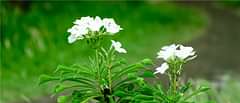
Mandukaparni gets its name from the Sanskrit words "manduka", meaning frog, and "parni", meaning leaf, a reference to the rounded, fan-shaped leaf that resembles a frog's foot. It is a small, creeping herb of the family Apiaceae, traditionally classified in Ayurveda under the Medhya Rasayana group of herbs, used to support memory and mental function. It grows naturally in damp, marshy ground near lakes, rivers and paddy fields across India, Sri Lanka, China and parts of Southeast Asia and Africa.
In Ayurveda, Mandukaparni is classified as having Tikta and Kashaya rasa (bitter and astringent taste), Sheeta virya (cooling potency), with an action traditionally believed to help balance aggravated Pitta and Kapha dosha.
Key Facts
| Feature | Details |
| Botanical name | Centella asiatica |
| Family | Apiaceae |
| Part used | Leaves, and the whole aerial plant |
| Ayurvedic category | Medhya Rasayana (traditionally classified among herbs used to support memory and mental function) |
| Ayurvedic properties | Tikta and Kashaya rasa (bitter, astringent), Sheeta virya (cooling), traditionally believed to help balance Pitta and Kapha dosha |
| Key active compounds | Triterpenoid saponins (such as asiaticoside and madecassoside), flavonoids, amino acids |
| Traditional uses | Supporting memory and mental clarity, easing stress, and supporting skin healing |
| Common forms | Powder, capsules, tablets, tincture, oil, topical cream |
| General dosage | 1 to 2 grams of powder, or 1 to 2 capsules or tablets daily, or as directed by a doctor |
| Best taken | With water, generally after meals |
| Key safety note | Use during pregnancy or breastfeeding only after medical advice, and exercise caution in people with liver disorders. |
Alternative Names of Mandukaparni
Mandukaparni is known by its botanical name and by several English and regional Indian names. It is commonly referred to by the following names:
- Sanskrit: Mandukaparni, Manduki, Brahmi
- Hindi: Brahma Manduki, Bengsag, Khulakudi, Brahmi
- Tamil: Vallarai, Vallarai Keerai
- Telugu: Saraswati Aku, Brahmi, Saraswataku
- Kannada: Ondelaga, Urage, Vondelaga, Brahmi Soppu
- Malayalam: Kodangal, Muttil, Kutannal, Kutakam
- Marathi: Karivana, Karivan
- Gujarati: Khoda Brahmi, Khanda Brahmi
- Bengali: Thalkuri, Thankuni, Jholkhuri
- Assamese: Manimuni
- Punjabi / Urdu: Brahmi
Chemical Constituents of Mandukaparni
Mandukaparni's traditional and studied actions are linked to a set of naturally occurring compounds present in the plant. These include the following.
- Triterpenoid saponins, including asiaticoside and madecassoside, which are among the major compounds studied in Mandukaparni
- Flavonoids, plant compounds with antioxidant properties
- Amino acids, which are naturally occurring building blocks of proteins
- Sterols, plant compounds that contribute to the plant's biological activity
- Essential oils, volatile compounds that contribute to the plant's characteristic aroma
Medicinal Properties of Mandukaparni
Mandukaparni is traditionally understood, and in some cases has been studied, to have the following actions on the body.
- Nootropic, traditionally believed to support memory and mental clarity
- Adaptogenic, traditionally associated with helping the body adapt to stress
- Wound-healing, associated with supporting skin tissue repair
- Anti-inflammatory, associated with modulating inflammatory activity in the body
- Antioxidant, associated with helping reduce oxidative stress in the body
Its effect on cholinergic pathways relevant to memory has been explored in an in-silico, computational study (Adarsh & Vedantam, 2023), which points to a possible mechanism rather than proven clinical benefit. Human clinical trial evidence for Mandukaparni is limited, so these properties should be read as traditional and preliminary research findings rather than established clinical effects.
Key Health Benefits of Mandukaparni
Centella asiatica, or Mandukaparni, is a pro-health herb. It is the ancient solution in the system of traditional medicine known as Ayurveda, which has been used to manage almost all forms of physical and mental conditions.
Here are the main health benefits of Mandukaparni and the reasons for its popularity in managing such broad conditions.
1. Improves Cognitive Functions
It improves cognitive functioning and enhances memory, concentration, and learning abilities. Mandukaparni has been shown to increase the cognitive function of the brain; thus, it is considered an excellent supplement for people who are showing age-related cognitive decline or who are suffering from Alzheimer's disease. This herb sharpens memory by removing brain fog and benefits overall mental clarity if taken regularly.
2. Anxiety and Stress Reduction
Mandukaparni can be used as an adaptogen that may always come in handy in treating anxiety, stress, and depression. It can regulate cortisol levels and calm the nervous system to help the body adapt or overcome stress. Anxiety disorders can manifest in restlessness, nervousness, and irritability. Chronic stress or insomnia can be relieved enormously with Mandukaparni soothing properties that induce relaxation and better sleep.
3. Encourages Skin Healing
It is also one of the most profound minimum benefits, working as a healing agent for the skin. Mandukaparni stimulates collagen production, which is important in skin rebuilding and regeneration. Therefore, it applies to various wounds, burns, and scar management. It accelerates the healing process and fades out the marks within time. This is another reason the herb is helpful in managing eczema, acne, and psoriasis due to its anti-inflammatory properties. The herb is widely used in many skincare products.
4. Anti-Inflammatory and Pain-Killing Properties
Mandukaparni is a robust anti-inflammatory herb, thus helpful for people suffering from arthritis, joint pains, and inflammatory bowel diseases. It reduces inflammation and swelling and helps relieve the pain and discomfort caused. Its natural analgesic property also makes it safer in comparison to other conventional pain-relieving drugs, especially while following prolonged medication.
5. Cardiovascular Help
Mandukaparni increases blood circulation and fortifies veins and capillaries; the cardiotonic properties promote good cardiovascular health. It is especially helpful for someone with varicose veins and poor circulatory functioning. The herb supports systemic vascular functioning that protects the heart condition and stroke. Moreover, it helps alleviate leg cramps, edema, and swelling symptoms due to improper venous return.
6. Improves Digestive Health
Mandukaparni soothes inflammation in the guts, thus proving beneficial for the gut. It has been traditionally utilized for the management of all sorts of gastrointestinal disorders like indigestion, ulcers, and IBS. Mandukaparni prevents inflammation and promotes the healing of stomach mucosa, improving the condition of the overall digestive system to get rid of the discomfort caused by most common digestive ailments.
7. Immune System Support
The most significant use of mandukaparni is that it enhances humans' immunity levels. The herb helps protect the body against infections and diseases and is packed with antioxidants and essential nutrients. Regular consumption of Mandukaparni enhances the immune system by fighting different viruses, bacteria, and other infectious agents. Hence, it is a highly recognized natural remedy for the cold and flu seasons.
8. Detoxification and Liver Health
Mandukaparni is believed to participate in liver health support, assisting in removing toxins from the body. It is added to detoxification diets and cleanses for some time to help remove toxins or harmful substances while enhancing the body's natural detoxification process.
Common Uses of Mandukaparni
Mandukaparni is traditionally used in Ayurveda as a Medhya Rasayana and in general wellness routines. It is also used in topical skincare and hair-care preparations, and may be prepared as a herbal tea or infusion. These uses are mainly based on traditional practice and general personal care rather than established treatments for diagnosed conditions.
As a Brain Tonic in Ayurvedic Practice
Mandukaparni has traditionally been used as a Medhya Rasayana, taken as part of a daily routine to support learning and concentration, rather than as a treatment for any diagnosed cognitive disorder.
In Topical Skincare Preparations
The herb is a common ingredient in creams, oils and lotions aimed at supporting skin repair and the appearance of minor scars, used as part of a skincare routine rather than as a treatment for a skin disease.
In Hair and Scalp Care Products
Mandukaparni is included in some Ayurvedic hair oils and shampoos, traditionally believed to support scalp and hair health, as part of general hair care rather than as a treatment for a diagnosed scalp condition.
As a Herbal Tea or Infusion
Dried Mandukaparni leaves are traditionally prepared as a herbal tea, taken as a general wellness drink rather than as a medicine for a specific condition.
Precautions While Taking Mandukaparni
Keep the following in mind before and while taking Mandukaparni.
- Do not take Mandukaparni during pregnancy or while breastfeeding unless a doctor advises it.
- If you have diabetes, monitor your blood sugar levels regularly, as Mandukaparni may lower blood sugar.
- If you have a diagnosed heart condition, speak to your doctor before taking Mandukaparni.
- If you have kidney disease, speak to your doctor before taking Mandukaparni.
- Avoid alcohol while taking Mandukaparni, as the combination may increase the risk of drowsiness.
- Those with liver disorders should use Mandukaparni only under medical advice.
Note: This is general information and is not a substitute for advice from your doctor or a registered Ayurvedic practitioner.
How to Use Mandukaparni
Mandukaparni is available in several forms. Here is how each is generally taken.
Powder
Mix the advised amount of powder with water, and drink it, generally after a meal, or as advised by your doctor.
Capsules and Tablets
Swallow the capsule or tablet whole with water, at the time and frequency advised by your doctor.
Oil or Topical Cream
Apply a small amount to clean skin, and massage gently. Do not apply to broken or infected skin without a doctor's advice.
Herbs Traditionally Used With Mandukaparni
Mandukaparni is often combined with other herbs in Ayurvedic memory and wellness formulations. Here are some it is traditionally paired with.
| Herb | Traditional Pairing |
| Brahmi (Bacopa monnieri) | Brahmi is combined with Mandukaparni in Medhya Rasayana formulations, as the two herbs are traditionally used together to support memory and mental clarity, despite being botanically distinct plants. |
| Shankhpushpi (Convolvulus pluricaulis) | Shankhpushpi is traditionally combined with Mandukaparni in Ayurvedic formulations for cognitive and mental wellbeing, both being traditionally used to support calm, clear thinking. |
| Ashwagandha (Withania somnifera) | Sometimes Ashwagandha paired with Mandukaparni where general stress support alongside cognitive support is the goal, each herb bringing a different traditional action. |
Recommended Dosage of Mandukaparni
Dosage should always be personalised by a doctor or Ayurvedic practitioner. The following is general guidance only.
- Children: Mandukaparni is not generally recommended for children without a doctor's supervision. Any use in children should be on medical advice only.
- Teenagers: Dosage should be set individually by a doctor or Ayurvedic practitioner, taking age and body weight into account.
- Adults: A commonly advised amount is 1 to 2 grams of powder, or 1 to 2 capsules or tablets, once or twice daily, or as directed by a doctor.
- Elderly: Older adults may need a dose adjustment, particularly where liver or kidney function is reduced. Dosage should be confirmed by a doctor.
Disclaimer: Do not self-medicate. Do not exceed the advised dose or duration, as overuse may cause side effects such as headache or dizziness. Always follow your doctor's instructions.
Side Effects of Mandukaparni
Mandukaparni may be tolerated by some people when taken as advised. Some people may notice the following.
Headache or Drowsiness
A small number of people may notice a headache or unusual drowsiness, particularly at higher doses. If this happens, speak with your doctor about reducing or stopping the dose.
Stomach Upset
Mild stomach discomfort or nausea can occur, especially when Mandukaparni is taken on an empty stomach. Taking it with food may help reduce these symptoms.
Interaction of Mandukaparni With Other Drugs
Mandukaparni may interact with certain medicines. Always tell your doctor about everything you are taking.
Diabetes Medicines
Because Mandukaparni may lower blood sugar (Kabir et al., 2014), taking it alongside diabetes medicines could increase the risk of blood sugar becoming too low. Blood sugar should be monitored closely, and any change should be discussed with your doctor.
Sedative Medicines
Mandukaparni may add to the drowsiness caused by sedative or sleep medicines (Bradwejn et al., 2000). Ask your doctor before combining them.
Medicines That Affect the Liver
As Mandukaparni needs caution in people with liver disorders, taking it alongside medicines that may affect liver function should only be done under medical supervision.
Storage of Mandukaparni
Store Mandukaparni powder, capsules or oil in a cool, dry place, away from direct sunlight. Keep the container tightly closed after use, and keep it out of reach of children. Do not use the product beyond the expiry date printed on the pack.
Key Takeaways
- Mandukaparni, also known as Gotu Kola, is a herb traditionally used in Ayurveda to support memory, mental clarity and skin healing.
- It is classed as a Medhya Rasayana, a group of herbs traditionally used to support memory and mental function.
- It is also traditionally believed to support skin repair and general circulation.
- It is not a treatment for Alzheimer's disease, heart disease, epilepsy, high blood pressure, or any other serious diagnosed condition.
- Avoid it in pregnancy and breastfeeding without medical advice, and use it with caution if you have liver, kidney or heart disease. Take it only in the dose advised by your doctor.
FAQs
Is Mandukaparni used in cosmetics?
How is Mandukaparni tea prepared?
Is Mandukaparni the same as Brahmi?
How should Mandukaparni powder be taken?
Can Mandukaparni help with mild skin inflammation, such as in psoriasis?
Can Mandukaparni help firm the skin?
Can Mandukaparni affect the liver?
Is Mandukaparni safe for long-term use?
Can children take Mandukaparni?
Can Mandukaparni be taken with medicines for anxiety or sleep?
References
- Adarsh, T., & Vedantam, G. (2023). Influence of Mandukaparni targeting muscarinic acetylcholine receptor M1 in the management of Alzheimer’s disease, a network pharmacological approach. Journal of Ayurveda, 17(3), 219. https://doi.org/10.4103/joa.joa_43_22
- Kabir, A. U., Samad, M. B., D’Costa, N. M., Akhter, F., Ahmed, A., & Hannan, J. M. A. (2014). Anti-hyperglycemic activity of Centella asiatica is partly mediated by carbohydrase inhibition and glucose-fiber binding. BMC Complementary and Alternative Medicine, 14, Article 31. https://doi.org/10.1186/1472-6882-14-31
- Bradwejn, J., Zhou, Y., Koszycki, D., & Shlik, J. (2000). A double-blind, placebo-controlled study on the effects of Gotu Kola (Centella asiatica) on acoustic startle response in healthy subjects. Journal of Clinical Psychopharmacology, 20(6), 680–684. https://doi.org/10.1097/00004714-200012000-00015
Other Ayurvedic Ingredients




Explore other categories
Latest health articles





Top Health Essentials















Top-selling ayurvedic products


















Disclaimer
Top-Selling Medicines:
...View more
Top-OTC medicines:
...View more
Top-selling healthcare devices:
...View more
Company
About UsHealth ArticleHealth StoriesHealth LibraryDiseases & Health ConditionsAyurvedaUnderstanding Generic MedicinesAll MedicinesAll BrandsNeed HelpFAQSecuritySavings CalculatorAdvertise with UsSubscribe
Registered Office Address
Grievance Officer
Download Truemeds


Contact Us
Our customer representative team is available 7 days a week from 9 am - 9 pm.
v4.28.19

2026 - Truemeds | All rights reserved. Our content is for informational purposes only. See additional information.

Our Payment Partners




