

- Medicines
- Personal Care
- Skin Cream
- Sunscreen
- Face Wash
- Skin and Body Soap
- Acne Care
- Body Lotions
- Moisturising Lotion
- Moisturising Cream
- Mosquito Repellent
- Moisturising Gel
- Body Wash
- Hair Oils
- Hair Shampoo
- Hair Conditioners
- Hair Supplements
- Hair Colour
- Hair Serum
- Hair Mask
- Hair Solutions
- Baby Diapers and Wipes
- Baby Lotion and Moisturising Cream
- Baby Bath Essentials
- Baby Skin Care
- Baby and Infant Food
- Baby Healthcare
- Women Multivitamins
- Ovulation Test Kit and Women Intimate Care
- Sanitary Pads
- Nutritional Drinks
- Condoms
- Lubricants
- Massage Gels
- Personal Body Massagers
- Men Performance Booster
- Sexual Health Supplements
- Massage Oils
- Ayurveda
- Tooth Paste
- Mouth Ulcer Gel
- Mouthwash
- Toothache and Gum Pain
- Tooth Brush
- Gargle Solution
- Orthopaedic Supports
- Adult Diapers
- Footwear
- Mobility and Support Accessories
- Urinary Support and Care
- Health Conditions
- Bone and Joint Care
- Digestive Care
- Eye Care
- Pain Relief
- Smoking Cessation
- Liver Care
- Stomach Care
- Cold and Cough
- Heart Care
- Kidney Care
- Piles, Fissures & Fistula
- Respiratory Care
- Mental Wellness
- Derma Care
- Pre and Probiotics
- Acidity
- Gas
- Constipation
- Loose Motion/Diarrhoea
- Digestive Fibres
- Digestive Enzymes
- Eye Lubricant Drops
- Lens Solution
- Safety Eye Wear
- Eye Cream
- Eye Vitamins and Supplements
- Eye Drops
- Eye Ointment and Gel
- Nicotine Patch
- Nicotine Gum
- Nicotine Lozenges
- Cough Syrups
- Chest Rubs and Balms
- Nasal Spray
- Lozenges
- Inhalant Capsules
- Cold and Cough Tablets
- Vitamins & Supplements
- Diabetes Care
- Healthcare Devices
- Homeopathic Medicine
- Health Guide
Tagar
Tagar (Valeriana wallichii), also called Indian Valerian, is an aromatic root and rhizome herb from the Himalayan region, belonging to the Caprifoliaceae family. Its roots are traditionally valued in Ayurveda for their calming effects on the mind and nervous system. Tagar is most commonly used to support restful sleep and ease feelings of stress, anxiety and nervous restlessness.
 50
50Last updated on : 22 Sep, 2026
Read time : 14 mins
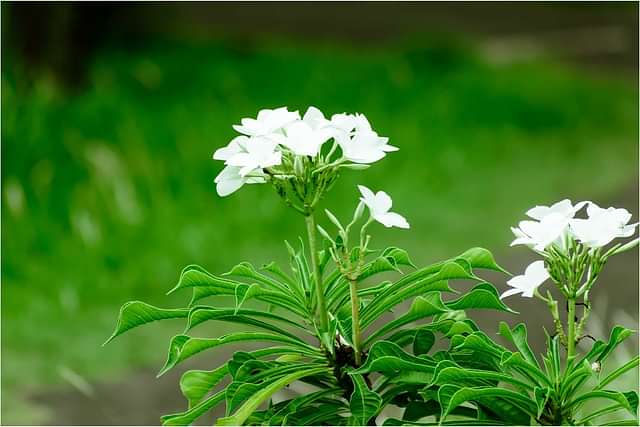
What is Tagar?
Tagar takes its Sanskrit name Tagara from its long, curved, aromatic rhizome, and it is known in English as Indian Valerian. The root and rhizome of Valeriana wallichii are the parts used, prepared traditionally as a powder and, in modern products, as capsules or extracts. Tagar has been described in classical Ayurvedic texts such as the Charaka Samhita and Bhavaprakasha, where it is traditionally valued for its calming effects on the mind and for supporting sleep.
In Ayurvedic terms, Tagar is traditionally described as follows: its tastes (Rasa) are Katu (pungent), Tikta (bitter) and Kashaya (astringent); its qualities (Guna) are Laghu (light) and Snigdha (unctuous); its post-digestive effect (Vipaka) is Katu (pungent); and its potency (Virya) is Ushna (hot). It is considered to balance all three doshas, with particular emphasis on pacifying Kapha and Vata. It is grouped under Sheeta Prashamana and Tikta Skandha in the Charaka Samhita.
Key Facts
| Feature | Details |
| Botanical name | Valeriana wallichii DC. (syn. Valeriana jatamansi Jones) |
| Family | Caprifoliaceae (formerly Valerianaceae)
|
| Part used | Root and rhizome
|
| Ayurvedic properties | Rasa: Katu, Tikta, Kashaya. Guna: Laghu, Snigdha. Vipaka: Katu. Virya: Ushna. Dosha: traditionally described as pacifying Kapha and Vata (tridoshahara).
|
| Key active compounds | Valepotriates (valtrate, isovaltrate, acevaltrate); sesquiterpenes and essential oil (valeranone, patchouli alcohol)
|
| Traditional uses | Poor sleep and insomnia, anxiety and stress, nervous restlessness, and muscle spasm or cramp
|
| Common forms | Root powder, capsules, extract
|
| General dosage | As advised by an Ayurvedic practitioner
|
| Best taken | Usually at night for sleep support, on a practitioner's advice |
| Key safety note | It can cause drowsiness. Avoid before driving or operating machinery. Avoid during pregnancy and breastfeeding, and in children, unless advised by a doctor. Use caution with sedatives and other medicines that cause drowsiness. |
Alternative Names of Tagar
Tagar botanical name, Valeriana wallichii is a much-valued plant because of its medicinal properties and usage in traditional medicine (Toolika et al., 2015). It has different names in different parts of India and is considered significant for natural healing practices. A few common names of Tagar in different languages are as follows:
- Botanical name: Valeriana wallichii DC. (syn. Valeriana jatamansi Jones)
- English: Indian Valerian
- Hindi: Tagar
- Sanskrit: Tagara, Nata, Kutila, Vakra
- Gujarati: Tagar-Ganthoda
- Marathi: Tagarmool
- Kannada: Mushkabala
- Punjabi and Kashmiri: Sugandhabala, Mushkbala
- Tamil: Tagarai
Chemical Constituents of Tagar
The root and rhizome of Tagar contain several groups of naturally occurring compounds:
- Valepotriates: mainly valtrate, isovaltrate and acevaltrate, which have been studied for their potential calming and sedative effects.
- Sesquiterpenes and essential oil compounds: including valeranone and patchouli alcohol, which contribute to the herb's characteristic aroma and have been studied for their biological activities.
- Iridoids and other volatile oil constituents: these compounds contribute to the root's characteristic odour and have been studied for various pharmacological activities.
Medicinal Properties of Tagar
Tagar is traditionally associated with the following actions, mainly on the mind and nervous system (Shinjyo et al., 2020; Sah et al., 2011):
- Sedative: may support sleep and ease nervous restlessness.
- Anxiolytic: is traditionally used to help calm anxiety and mental tension.
- Nervine: is traditionally used to support nervous system function and promote a sense of calm.
- Antispasmodic: may help relieve muscle spasm and cramping.
- Carminative: is traditionally used to ease bloating and support digestion.
Much of the supporting evidence is from traditional use and laboratory and animal studies, with human trials mainly focused on sleep. Tagar is best used to support sleep and calm rather than as a proven treatment for any disease, and under professional guidance.
Key Health Benefits of Tagar
Tagar, known as Valeriana wallichii, is a widely used medicinal herb with great significance in its healing properties and therapeutic benefits. Traditional and modern health systems respect Tagar's significance in improved health conditions. Some of the scientifically validated benefits of Tagar include:
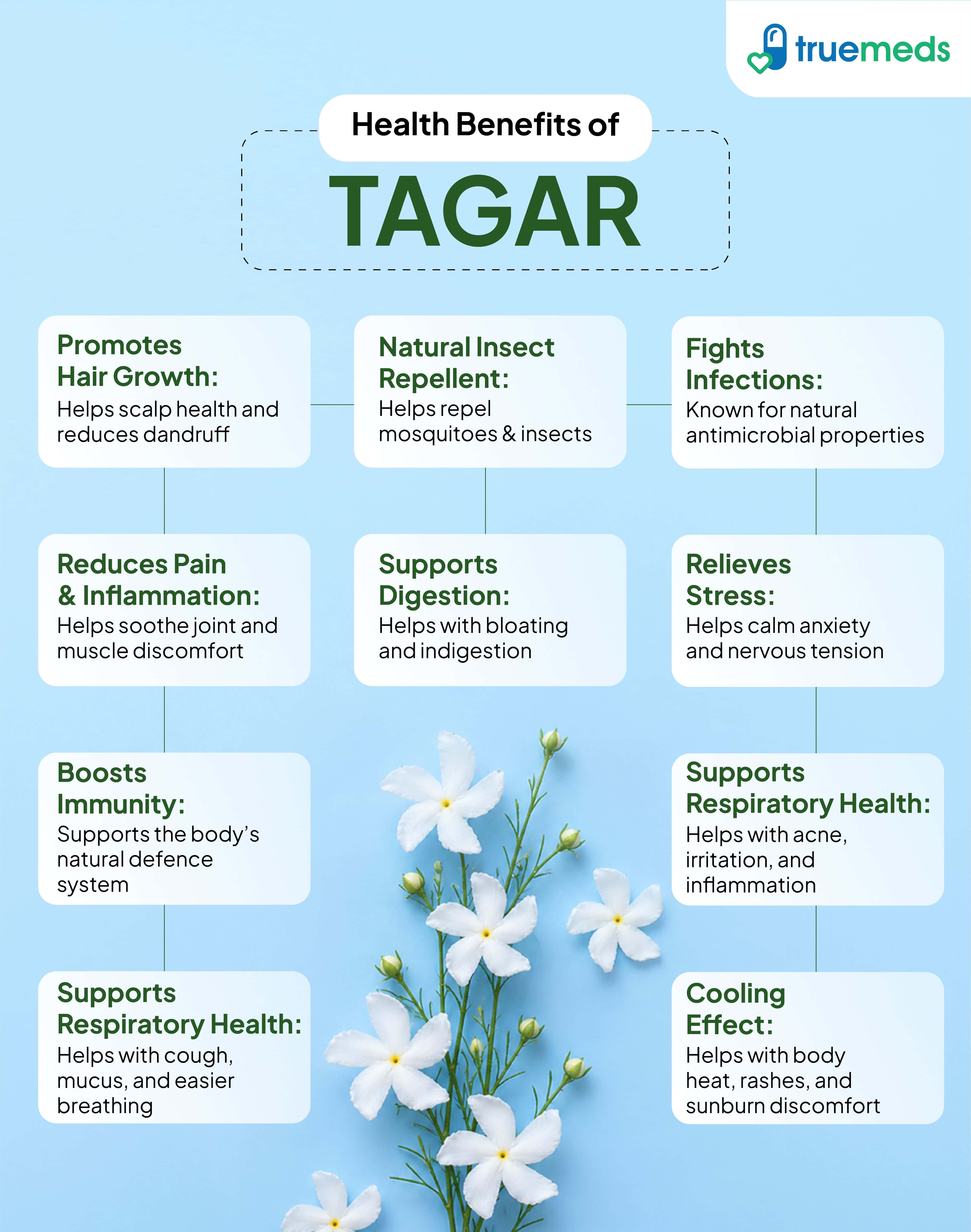
1. May Provide Relief from Cough and Respiratory Issues
Tagar is known to reduce cough and assist in clearing mucus from the respiratory tract (Li et al., 2022). This oil is often used in aromatherapy, and it can be inhaled in steam or added to topical treatments to loosen nasal congestion and lessen the severity of coughing. The anti-inflammatory property of Tagar may help alleviate breathing problems, thus relieving chronic coughs and improving the general health of the respiratory system.
2. May Boost the Immune System
Tagar may strengthen the immune system due to its antimicrobial and antiviral properties (Li et al., 2022). This herb may help increase white blood cells, the body's main defenders against infections. The frequent use of Tagar may strengthen the natural defence system, which enables the body to resist harmful pathogens more effectively and stay healthier.
3. May Promote Healthy Hair Growth
Tagar may promote healthy hair growth, promote blood circulation to the scalp, and stimulate hair follicles (Li et al., 2022). This results in healthy, stronger hair growth. It also helps control dandruff, prevent dry scalp flakes, and maintain a healthy scalp. It can be applied topically to the scalp or mixed with other hair products for optimal use.
4. May Improve Skin Health
Tagar has healing power for the skin, given its anti-inflammatory properties (Li et al., 2022). It can be one of the best treatments for various skin conditions, such as acne, psoriasis, and eczema, which could make it a rather crucial ingredient in skincare formulations. Tagar oil treats irritation, reduces inflammation, and helps support skin health by removing infection-causing harmful bacteria, supporting clearer and healthier skin.
5. May Alleviate Stress and Anxiety
Tagar has potentially been used since ancient times to reduce mental stress, anxiety, and nervous tension (Li et al., 2022). This natural remedy may soothe the nervous system and improve emotional well-being by giving one a sense of serenity. Another potential advantage of Tagar oil is that it may improve mental clarity (Shinjyo et al., 2020). The aroma of Tagar oil, being refreshing and calming, makes it suitable for enhancing focus and relaxation. If diffused in a room or added to a bath, Tagar may help reduce mental fatigue while promoting relaxation.
6. May Reduce Inflammation and Pain
Tagar has anti-inflammatory properties and may help with conditions such as arthritis and muscle strains. The active ingredients in Tagar might help reduce inflammation and pain (Li et al., 2022). This may be helpful for people experiencing joint pain and sore muscles. If applied topically to the affected areas or used in a warm bath, Tagar may help soothe tension, reduce swelling, and minimise pain, offering natural comfort.
7. May Improve Respiratory Health
Tagar has been traditionally used for respiratory problems and may help clear airway congestion, making breathing easier (Li et al., 2022). The herb may be helpful in conditions such as bronchitis, asthma, and sinusitis because of its traditionally described expectorant properties, which may help clear mucus and congestion. Tagar may help relieve respiratory discomfort when used in steam treatments or inhalers.
8. May Fight Infections
Tagar has demonstrated antimicrobial activity, which may help protect against certain infections (Li et al., 2022). It has traditionally been applied topically to minor cuts and scrapes. However, it should not replace appropriate wound cleaning, antiseptic treatment, or medical care when an injury is deep, infected, or slow to heal.
9. May Cool the Body and Reduce Heat
Tagar is traditionally regarded as a cooling herb and may be used for heat-related discomfort, such as burning sensations and heat rashes (Li et al., 2022). Its anti-inflammatory properties may also help soothe minor skin irritation. However, Tagar should not be relied upon to prevent or treat heat exhaustion, which requires cooling, hydration, and prompt medical attention if symptoms are severe.
10. Supports Digestion
Although it is not mentioned as frequently as some other digestive aids, Tagar has traditionally been used for dyspeptic symptoms and digestive discomfort (Jamal et al., 2023). It may have carminative and antispasmodic properties that could help relieve bloating, indigestion, and abdominal discomfort. However, evidence supporting effects on bile production or digestive enzyme release is limited.
11. May Help Repel Insects
Tagar oil is sometimes used as a natural insect repellent. It may be included in homemade repellent formulations and applied to the skin after appropriate dilution. However, evidence supporting its effectiveness and safety as an insect repellent is limited. A patch test should be performed before topical use, and proven insect repellents should be preferred when protection against insect-borne diseases is required.
Common Uses of Tagar
Tagar is traditionally used in Ayurveda for its calming and sleep-supporting properties. Its traditional uses include:
- Supporting restful sleep
- Promoting relaxation and calmness
- Supporting mental well-being during occasional stress or nervousness
These uses are based on traditional Ayurvedic practice, and clinical evidence for Tagar in specific health conditions remains limited. It should not be used as a substitute for medical evaluation or treatment of persistent sleep problems, anxiety, or other health concerns.
Precautions While Using Tagar
Use Tagar under the guidance of a qualified Ayurvedic practitioner, and take the following precautions:
Speak to a doctor first in special situations
Pregnant women, breastfeeding mothers, children, and anyone with an existing health condition or taking regular medicines should consult a doctor before using Tagar. It may affect how some medicines work, including sedatives and blood-pressure medicines.
Watch for an allergic reaction
Stop use and seek emergency medical care for breathing difficulty, faintness or swelling of the face, lips, tongue or throat
Do not exceed the advised amount
Taking more than advised may cause dizziness, nausea or excessive drowsiness. Use only the amount your practitioner recommends, and for a limited period.
Take care with driving and machinery
Because Tagar can cause drowsiness, avoid driving or operating machinery until you know how it affects you, particularly when starting treatment or after a dose change.
How to Use Tagar
Tagar oil is a root oil that comes from the Tagar plant. It can be used in many ways, from mental health to supporting physical condition. Here is a guide on how to use Tagar oil for different purposes:
1. Tagar Oil for Hair Health
Tagar oil has many benefits to hair health. It helps keep the scalp healthy and makes the hair follicles stronger. Tagar oil is also antifungal and can reduce dandruff and dry, flaky skin on the scalp. This oil is great for an itchy scalp, which ensures healthy hair.
- Mix Tagar oil for hair care with a carrier oil like coconut or jojoba oil;
- Apply it to your scalp by gently massaging it to stimulate blood flow;
- Let it sit for 20-30 minutes,
- Then rinse for clean, shiny, healthy hair.
2. Tagar Oil for Skin Health
Tagar oil is also packed with benefits to the skin. Its natural soothing properties can be really helpful in soothing irritated or inflamed skin. It calms out acne outbreaks, and one can even apply it for healing minor cuts and bruises because it possesses antibacterial properties.
- Take 3-4 drops of Tagar oil
- Blend it with a carrier oil like olive or almond oil, and apply this to places where your skin requires extra care.
- It is expected to reduce inflammation, help heal quickly, and thus leave your skin fresh and healthy.
Herbs Traditionally Used With Tagar
Herbs | Traditional role with Tagar |
Jatamansi (Nardostachys jatamansi) | Jatamansi is a calming nervine often paired with Tagar in Ayurveda to support sleep and a settled mind. The two are related in use but are distinct herbs. |
Ashwagandha (Withania somnifera) | Traditionally, Ashwagandha combines with Tagar to support the body's response to stress and promote relaxation, while Tagar adds its calming, sleep-supporting action. |
Brahmi (Bacopa monnieri) | Brahmi is used alongside Tagar in traditional practice to support the mind and a sense of mental calm, particularly where stress affects focus and rest. |
Shankhpushpi (Convolvulus pluricaulis) | Shankhpushpi is a traditional mind-calming herb combined with Tagar to support relaxation and restful sleep in formulations for the nervous system. |
Recommended Dosage of Tagar
The right amount of Tagar depends on age, body strength and the reason for use, so it should be set by a qualified Ayurvedic practitioner. General guidance:
- Children: only if a practitioner advises it, and at an amount adjusted for age and weight. Not for self-administration.
- Teenagers: only under practitioner guidance.
- Adults: as directed by the practitioner, usually taken at night for sleep support.
- Older adults: start low and use under guidance, as they may be more sensitive to drowsiness and dizziness.
Disclaimer: This is general information, not a prescription. Always consult a qualified Ayurvedic practitioner or doctor before using Tagar, as the right amount varies from person to person.
Side Effects of Tagar
Tagar is generally well tolerated when used correctly. Possible side effects include:
Drowsiness and dizziness
Because Tagar has calming properties, it may cause drowsiness, dizziness or a heavy-headed feeling, especially at higher doses. These effects may improve after reducing the dose or stopping use.
Digestive upset
Some people may experience mild nausea or stomach upset. Taking it with food may improve tolerance.
Skin irritation with the oil
The essential oil, if applied undiluted to the skin, can cause redness or itching. It should always be appropriately diluted in a carrier oil before topical use.
Allergic reaction
Rarely, an allergic reaction may occur. Stop use and seek medical advice if you notice a rash, swelling or breathing difficulty.
Interaction of Tagar With Other Drugs
Tagar has a calming, sedative action, so tell your doctor about everything you take. Take particular care with:
Sedatives and sleep medicines
Tagar may add to the effects of medicines such as benzodiazepines and other sleep or anxiety medicines, potentially increasing drowsiness and reducing alertness. Use them together only with medical advice.
Antidepressants
Taken with antidepressants, including SSRIs or tricyclics, Tagar may increase drowsiness or sedation. Check with your doctor before combining them.
Blood-pressure medicines
There is limited evidence of a clinically significant interaction, but Tagar may potentially add to the blood-pressure-lowering effects of some medicines. Consult your doctor before combining them.
Storage of Tagar
Store Tagar in an airtight container in a cool, dry place, away from direct sunlight and moisture. Keep it tightly closed and out of the reach of children, and do not use it after the expiry date on the pack.
Key Takeaways on Tagar
- Tagar (Indian Valerian) is an Ayurvedic root herb traditionally used to support sleep and a calm mind.
- It has traditionally described sedative, calming and antispasmodic properties, based mainly on traditional use, with human research focused mainly on sleep.
- It is best used for a limited period and under an Ayurvedic practitioner's guidance.
- It can cause drowsiness, so avoid driving or operating machinery after taking it.
- Pregnant and breastfeeding women, children, and anyone taking regular medicines, especially sedatives, should consult a doctor before use.
FAQs
Is Tagara good for sleep?
How much time does Tagara take to work?
What are the benefits of Tagara leaves?
Is Tagara hot or cold?
Can I take Ashwagandha and Tagara together?
Is Tagar addictive?
Is Tagar and Jatamansi same?
What is the biological source of Tagar?
How to make Tagar?
References
- Shinjyo, N., Waddell, G., & Green, J. (2020). Valerian root in treating sleep problems and associated disorders: A systematic review and meta-analysis. Journal of Evidence-Based Integrative Medicine, 25. https://doi.org/10.1177/2515690X20967323
- Sah, S. P., Mathela, C. S., & Chopra, K. (2011). Antidepressant effect of Valeriana wallichii patchouli alcohol chemotype in mice: Behavioural and biochemical evidence. Journal of Ethnopharmacology, 135(1), 197–200. https://doi.org/10.1016/j.jep.2011.02.018
- Toolika, E., Bhat, N. P., & Shetty, S. K. (2015). A comparative clinical study on the effect of Tagara (Valeriana wallichii DC.) and Jatamansi (Nardostachys jatamansi DC.) in the management of Anidra (primary insomnia). Ayu, 36(1), 46–49. https://pmc.ncbi.nlm.nih.gov/articles/PMC4687238/
- Jamal, G., Parveen, R., Khan, M. A., Srivastava, V., Mustafa, S., Ahmad, S., & Husain, S. A. (2023). A review on Valeriana wallichii: Chemical composition and pharmacological research. Current Traditional Medicine, 9(4), Article e140922208824. https://doi.org/10.2174/2215083808666220914123526
- Li, J., Li, X., Wang, C., Zhang, M., Ye, M., & Wang, Q. (2022). The potential of Valeriana as a traditional Chinese medicine: Traditional clinical applications, bioactivities, and phytochemistry. Frontiers in Pharmacology, 13, Article 973138. https://doi.org/10.3389/fphar.2022.973138
Other Ayurvedic Ingredients





Explore other categories
Latest health articles





Top Health Essentials








Top-selling ayurvedic products














Disclaimer
Top-Selling Medicines:
...View more
Top-OTC medicines:
...View more
Top-selling healthcare devices:
...View more
Company
About UsHealth ArticleHealth StoriesHealth LibraryDiseases & Health ConditionsAyurvedaUnderstanding Generic MedicinesAll MedicinesAll BrandsNeed HelpFAQSecuritySavings CalculatorAdvertise with UsSubscribe
Registered Office Address
Grievance Officer
Download Truemeds


Contact Us
Our customer representative team is available 7 days a week from 9 am - 9 pm.
v4.28.19

2026 - Truemeds | All rights reserved. Our content is for informational purposes only. See additional information.

Our Payment Partners