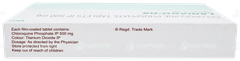
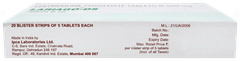
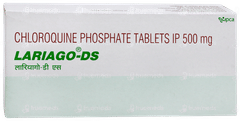
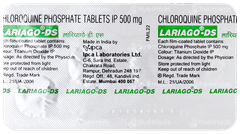

 Composition
Lariago-DS Tablet is used for selected malaria infections caused by susceptible Plasmodium species. The choice of treatment depends on the parasite, geographical area and severity of infection. It may also be used for malaria prevention in areas without significant chloroquine resistance. Chloroquine acts against blood-stage parasites but does not eliminate dormant liver stages of Plasmodium vivax or Plasmodium ovale. Additional treatment may therefore be necessary to prevent relapse after appropriate testing.
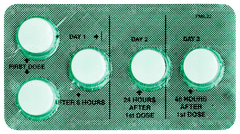
Take Lariago-DS Tablet exactly as prescribed by your doctor. Swallow the tablet with water, preferably with food to reduce stomach discomfort. The treatment schedule for active malaria differs from preventive treatment, so follow your doctor's instructions carefully. Do not increase the dose or repeat treatment independently. Complete the prescribed course even if fever and chills improve. Continue mosquito-bite prevention measures, including repellents and protective clothing. Seek urgent medical assessment if malaria symptoms worsen.
Possible side effects of Lariago-DS Tablet include nausea, vomiting, abdominal pain, headache, dizziness and itching. Some patients may experience blurred vision or skin reactions. Serious adverse effects include abnormal heart rhythms, severe low blood sugar, seizures and retinal damage, particularly with prolonged exposure. Seek urgent medical attention for fainting, palpitations, severe dizziness, seizures or sudden visual changes. Chloroquine overdose can be life-threatening and requires immediate emergency treatment.
Before taking Lariago-DS Tablet, tell your doctor about heart disease, prolonged QT interval, retinal disorders, epilepsy or psoriasis. Mention liver or kidney impairment and previous reactions to chloroquine. Report medicines that affect heart rhythm, antacids and diabetes treatments. Discuss pregnancy and breastfeeding before use; malaria itself can be particularly dangerous during pregnancy, so appropriate treatment should not be delayed. Your doctor will select treatment according to current malaria guidance and local resistance patterns.