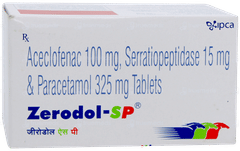
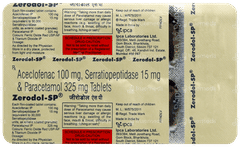

 Composition
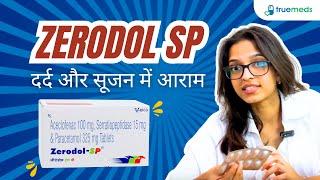
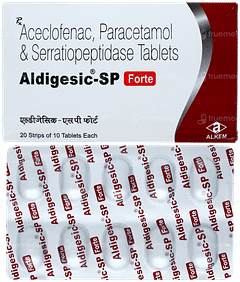
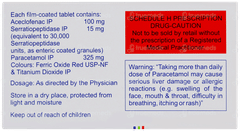
Zerodol-SP Tablet may be prescribed for short-term relief of painful inflammatory conditions affecting joints and muscles. It may also be used to manage pain and swelling after selected surgical procedures or injuries when the doctor considers the combination appropriate. Aceclofenac helps reduce inflammation, while paracetamol provides additional pain relief. However, the combination should not be assumed more effective than simpler treatments for every condition. Your doctor should assess the cause of pain and select treatment according to your symptoms and medical history.
Take Zerodol-SP Tablet exactly as prescribed by your doctor. Swallow the tablet whole with water, preferably with or after food to reduce stomach irritation. Follow the prescribed treatment duration and avoid taking additional NSAIDs or other paracetamol-containing medicines unless advised. Do not increase the amount independently. Avoid alcohol during treatment because it may increase gastrointestinal or liver-related risks. Rest, appropriate movement and physiotherapy may support recovery when recommended by your healthcare professional.
Possible side effects of Zerodol-SP Tablet include nausea, vomiting, indigestion, abdominal pain, dizziness and diarrhoea. Serious adverse effects include stomach ulcers, gastrointestinal bleeding, kidney injury, liver injury and cardiovascular complications. Seek urgent medical attention for black stools, vomiting blood, severe abdominal pain, chest pain or breathing difficulty. Yellowing of the skin or eyes, dark urine or persistent unexplained fatigue may indicate liver injury. Stop taking the medicine and seek immediate medical advice if a serious allergic reaction or severe skin rash develops.
Before taking Zerodol-SP Tablet, tell your doctor about previous gastrointestinal bleeding, heart disease, high blood pressure, liver or kidney impairment, or asthma triggered by aspirin or other NSAIDs. Mention anticoagulants, corticosteroids, other anti-inflammatory medicines and products containing paracetamol. Discuss pregnancy and breastfeeding before treatment. NSAIDs should generally be avoided from around 20 weeks of pregnancy unless specifically advised and avoided from around 30 weeks because of fetal risks. This combination should not be given to children without specialist advice. Your doctor should recommend the shortest appropriate treatment duration.