

- Medicines
- Personal Care
- Skin Cream
- Sunscreen
- Face Wash
- Skin and Body Soap
- Acne Care
- Body Lotions
- Moisturising Lotion
- Moisturising Cream
- Mosquito Repellent
- Moisturising Gel
- Body Wash
- Hair Oils
- Hair Shampoo
- Hair Conditioners
- Hair Supplements
- Hair Colour
- Hair Serum
- Hair Mask
- Hair Solutions
- Baby Diapers and Wipes
- Baby Lotion and Moisturising Cream
- Baby Bath Essentials
- Baby Skin Care
- Baby and Infant Food
- Baby Healthcare
- Women Multivitamins
- Ovulation Test Kit and Women Intimate Care
- Sanitary Pads
- Nutritional Drinks
- Condoms
- Lubricants
- Massage Gels
- Personal Body Massagers
- Men Performance Booster
- Sexual Health Supplements
- Massage Oils
- Ayurveda
- Tooth Paste
- Mouth Ulcer Gel
- Mouthwash
- Toothache and Gum Pain
- Tooth Brush
- Gargle Solution
- Orthopaedic Supports
- Adult Diapers
- Footwear
- Mobility and Support Accessories
- Urinary Support and Care
- Health Conditions
- Bone and Joint Care
- Digestive Care
- Eye Care
- Pain Relief
- Smoking Cessation
- Liver Care
- Stomach Care
- Cold and Cough
- Heart Care
- Kidney Care
- Piles, Fissures & Fistula
- Respiratory Care
- Mental Wellness
- Derma Care
- Pre and Probiotics
- Acidity
- Gas
- Constipation
- Loose Motion/Diarrhoea
- Digestive Fibres
- Digestive Enzymes
- Eye Lubricant Drops
- Lens Solution
- Safety Eye Wear
- Eye Cream
- Eye Vitamins and Supplements
- Eye Drops
- Eye Ointment and Gel
- Nicotine Patch
- Nicotine Gum
- Nicotine Lozenges
- Cough Syrups
- Chest Rubs and Balms
- Nasal Spray
- Lozenges
- Inhalant Capsules
- Cold and Cough Tablets
- Vitamins & Supplements
- Diabetes Care
- Healthcare Devices
- Homeopathic Medicine
- Health Guide
Ayurveda
Everything you need to know about Ayurvedic Ingredients

Common Ayurvedic Ingredients


Browse by categories



Ayurvedic Ingredients: A-Z


Ayurvedic ingredients starting with 'a'
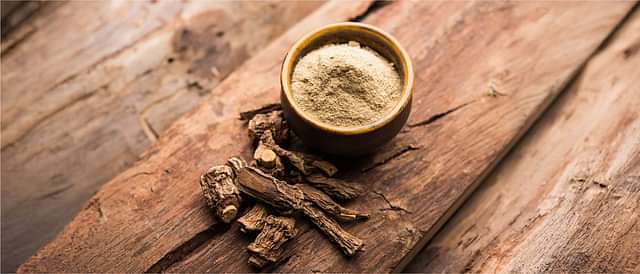
Anantamul, also known as Indian Sarsaparilla or Nannari, is a well-known Ayurvedic herb celebrated for its cooling, detoxifying, and rejuvenating properties. This herb plays a vital role in Ayurvedic healing and is widely used to support skin health, digestion, and overall wellness. With its antioxidant properties, Anantamul helps manage blood sugar levels by protecting insulin-producing cells and liver cells from damage caused by free radicals. It may also improve metabolism, support digestion, and aid in weight management. Additionally, Anantamul is valued in traditional medicine for addressing skin irritations, digestive disorders, and other health concerns. This article explores the many benefits of Anantamul, how it contributes to holistic well-being, and practical ways to incorporate it into your daily routine.
31st Jul 2025
|
14 mins read

Ashwagandharishta is a classical Ayurvedic Asava-Arishta, a fermented liquid formulation prepared mainly from Ashwagandha (Withania somnifera) root along with other supporting herbs. It is traditionally used as a restorative formulation to support general strength, help with everyday stress, and ease common digestive discomfort. Ashwagandharishta is usually taken as a diluted liquid, often twice daily after meals, and is not intended to treat any diagnosed medical condition on its own.
31st Jul 2025
|
11 mins read
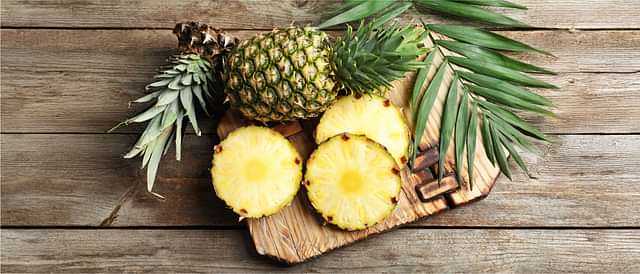
The luscious fruit called pineapple (Ananas) is a well-known tropical fruit native to South America, adding a rich, sweet, and sour taste to the culinary experiences of enthusiasts worldwide. Ananas fruit is the fruit of fascinating structures with a needle-like crown and yellow fleshy part. Another aspect of pineapple that is especially well-known is its widespread use in food, both as an ingredient in sweet dishes and as an accompaniment to meat and vegetables. Pineapple is rich in vitamins, minerals, and antioxidants that work wonders for the body, such as boosting immunity and aiding digestion. Enriched with an excellent and pleasing taste, it is enjoyed in many summer dishes, whether fresh, juiced, or cooked. From tropical smoothies to grilling slices of fruit and different meats, pineapple is an excellent complement to many meals. This favourite fruit has many delicious tastes but aids health and well-being as paramount too, becoming part of many diets worldwide.
30th Jul 2025
|
10 mins read
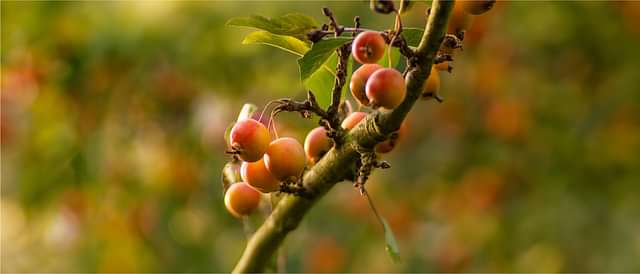
Amalbedha, scientifically known as Garcinia pedunculata, is an esteemed Ayurvedic herb with a rich history of medicinal use, particularly in the northeastern regions of India. This evergreen tree produces sour fruits that are palatable and packed with health benefits. Traditionally referred to as Amlavetasa, the fruit is recognized for its potent antioxidant and anti-inflammatory properties, effectively treating various health issues, including digestive and respiratory disorders. The ripe fruit can be consumed fresh, sun-dried, or incorporated into culinary dishes, enhancing both flavour and nutritional value. Recent studies have highlighted its therapeutic potential, showcasing its ability to help manage hyperglycemia and support heart health. With a wealth of bioactive compounds such as flavonoids and hydroxycitric acid, Amalbedha is a valuable addition to traditional medicine and modern dietary practices.
29th Jul 2025
|
11 mins read

Alum (aluminium sulphate) is a solid compound widely used in water treatment plants to clarify drinking water. Its primary function is to aid coagulation and flocculation, which helps remove suspended particles and impurities. In lake management, alum can reduce phosphorus levels, limiting algae growth and improving water quality by controlling phosphorus release from lake bottom sediments. This process can enhance water clarity and reduce the frequency of harmful algal blooms, making water safer for ecosystems and suitable for human use when properly treated. This article will explore alum, its benefits, dosage and precautions.
29th Jul 2025
|
20 mins read
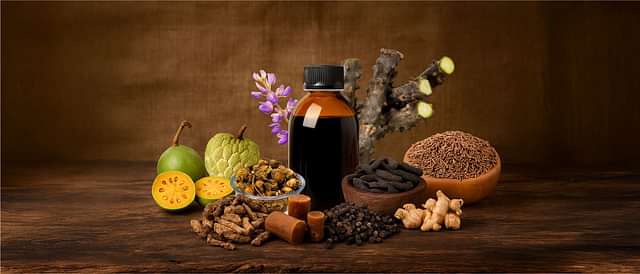
Amritarishta is a classical Ayurvedic arishta, which means a liquid preparation made by fermenting a herbal decoction. It is built on Guduchi and Dashamoola, sweetened with jaggery and fermented with Dhataki flowers, and it contains a small amount of naturally produced alcohol. It is traditionally used after fevers and infections to support appetite and strength during recovery.
15th Jul 2025
|
20 mins read
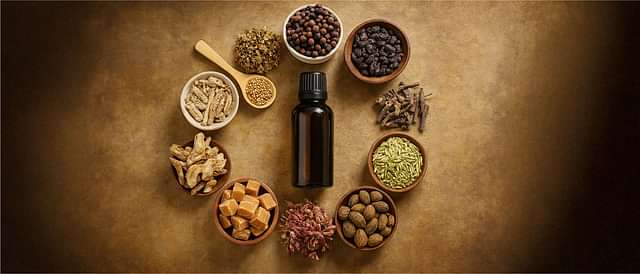
Abhayarishta, also known as Abhayarishtam, is a classical Ayurvedic Arishta (a self-fermented liquid formulation) made mainly from Haritaki. In Ayurveda, it is traditionally used to support digestion and relieve occasional constipation, piles (haemorrhoids) and loss of appetite. It is traditionally believed to have a mild laxative action, and should be used at the recommended dose under medical guidance rather than as a long-term, unsupervised remedy.
15th Jul 2025
|
13 mins read
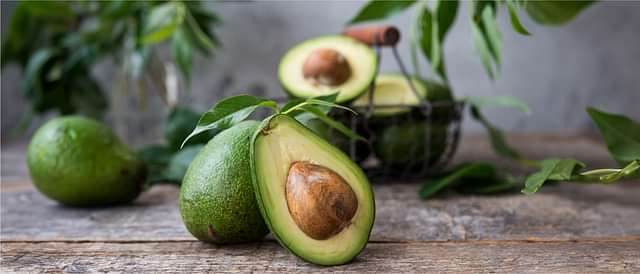
Avocado is a healthy food known for its unique skin and health benefits. It helps your health because it contains essential nutrients like monounsaturated fats (especially omega-6 fatty acids) and vitamins E, K, C, and several B vitamins. Avocado benefits go far beyond its rich, creamy taste, which is why it is a common ingredient in cooking and health. Whether you eat avocado or put it on your face, it helps keep it moist, reduces inflammation, and promotes a healthy complexion. It also helps keep your heart healthy, stomach better, and may help with weight control, making it even more superfood with endless health and beauty benefits.
15th Jul 2025
|
12 mins read

Apricot and Apricot kernels (seeds) are widely used in medicinal applications and as food ingredients. The fruit contains numerous bioactive compounds with antioxidant, anti-inflammatory, and antimicrobial activities, contributing to its medicinal properties. The seeds, mainly, are rich in nutrients and may possess potential therapeutic uses, including cancer treatment and regulating hormonal functions. Methods like solvent extraction and ultrasound extract bioactive compounds from the kernels. This article looks at their nutrition, medical uses, and industrial uses.
15th Jul 2025
|
14 mins read
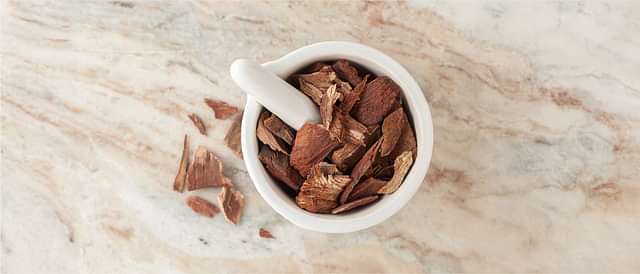
Arjuna (Terminalia arjuna) is a tree native to India whose bark has been traditionally used in Ayurveda to support heart health. The bark contains bioactive compounds, including triterpenoids, flavonoids and tannins, which have been studied for their potential effects on cardiovascular function and circulation.
14th Jul 2025
|
17 mins read
Latest health articles





Top Health Essentials
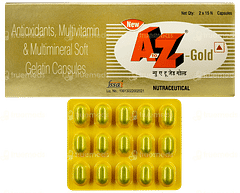
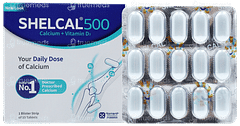


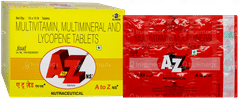
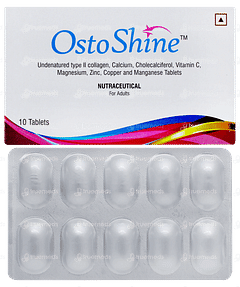



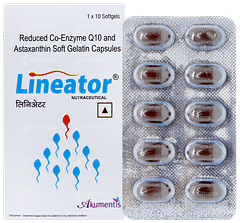

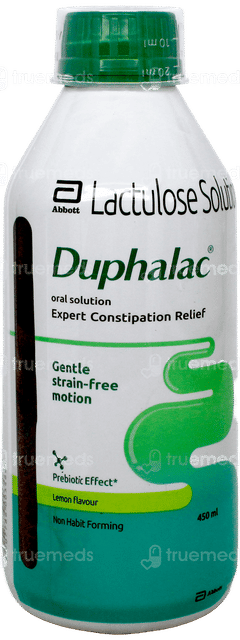


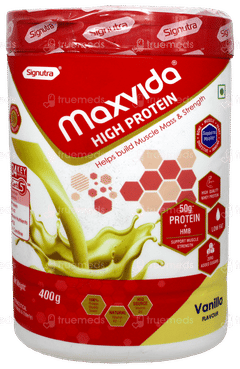
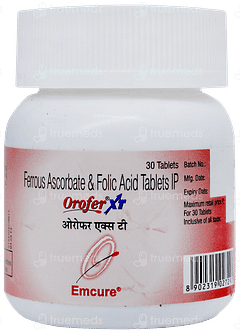

Top-selling ayurvedic products

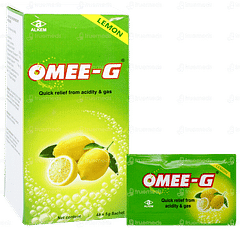
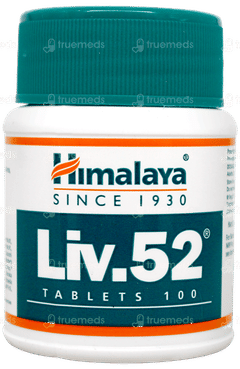















Top-Selling Medicines:
...View more
Top-OTC medicines:
...View more
Top-selling healthcare devices:
...View more
Company
About UsHealth ArticleHealth StoriesHealth LibraryDiseases & Health ConditionsAyurvedaUnderstanding Generic MedicinesAll MedicinesAll BrandsNeed HelpFAQSecuritySavings CalculatorAdvertise with UsSubscribe
Registered Office Address
Grievance Officer
Download Truemeds


Contact Us
Our customer representative team is available 7 days a week from 9 am - 9 pm.
v4.28.14

2026 - Truemeds | All rights reserved. Our content is for informational purposes only. See additional information.

Our Payment Partners




