

- Medicines
- Personal Care
- Skin Cream
- Sunscreen
- Face Wash
- Skin and Body Soap
- Acne Care
- Body Lotions
- Moisturising Lotion
- Moisturising Cream
- Mosquito Repellent
- Moisturising Gel
- Body Wash
- Hair Oils
- Hair Shampoo
- Hair Conditioners
- Hair Supplements
- Hair Colour
- Hair Serum
- Hair Mask
- Hair Solutions
- Baby Diapers and Wipes
- Baby Lotion and Moisturising Cream
- Baby Bath Essentials
- Baby Skin Care
- Baby and Infant Food
- Baby Healthcare
- Women Multivitamins
- Ovulation Test Kit and Women Intimate Care
- Sanitary Pads
- Nutritional Drinks
- Condoms
- Lubricants
- Massage Gels
- Personal Body Massagers
- Men Performance Booster
- Sexual Health Supplements
- Massage Oils
- Ayurveda
- Tooth Paste
- Mouth Ulcer Gel
- Mouthwash
- Toothache and Gum Pain
- Tooth Brush
- Gargle Solution
- Orthopaedic Supports
- Adult Diapers
- Footwear
- Mobility and Support Accessories
- Urinary Support and Care
- Health Conditions
- Bone and Joint Care
- Digestive Care
- Eye Care
- Pain Relief
- Smoking Cessation
- Liver Care
- Stomach Care
- Cold and Cough
- Heart Care
- Kidney Care
- Piles, Fissures & Fistula
- Respiratory Care
- Mental Wellness
- Derma Care
- Pre and Probiotics
- Acidity
- Gas
- Constipation
- Loose Motion/Diarrhoea
- Digestive Fibres
- Digestive Enzymes
- Eye Lubricant Drops
- Lens Solution
- Safety Eye Wear
- Eye Cream
- Eye Vitamins and Supplements
- Eye Drops
- Eye Ointment and Gel
- Nicotine Patch
- Nicotine Gum
- Nicotine Lozenges
- Cough Syrups
- Chest Rubs and Balms
- Nasal Spray
- Lozenges
- Inhalant Capsules
- Cold and Cough Tablets
- Vitamins & Supplements
- Diabetes Care
- Healthcare Devices
- Homeopathic Medicine
- Health Guide
Nutrition & General Wellness
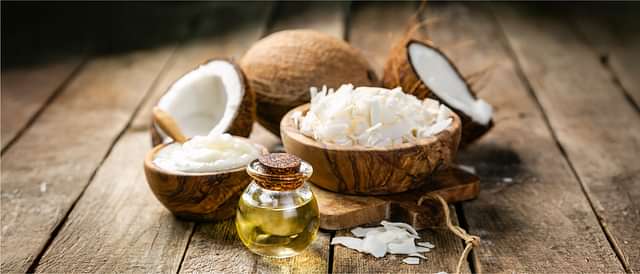
Coconut, scientifically recognised as Cocos nucifera, is one of the world's most beneficial and multifunctional fruits. It originated in tropical areas and is widely used in most homes today. Coconut oil is rich in proteins, vitamins, and minerals, making it an essential part of many traditional diets. That is not all; it is also commonly used in skincare industries, hair industries, and so on. Coconuts have many health benefits since they are rich in essential fatty acids.
31st Jul 2025
|
13 mins read
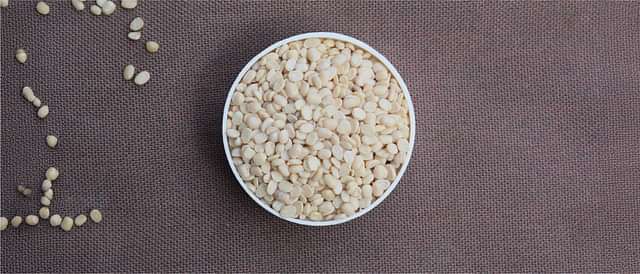
Urad dal, also known as black gram (Vigna mungo), is a protein-rich pulse widely used in Indian cooking and in Ayurvedic dietetics. It is traditionally valued as a nourishing food that may support digestion, physical strength, and skin and hair health when eaten as part of a balanced diet. It is commonly cooked as dal, ground into batter, or used as a paste in traditional skin and hair care.
29th Jul 2025
|
14 mins read
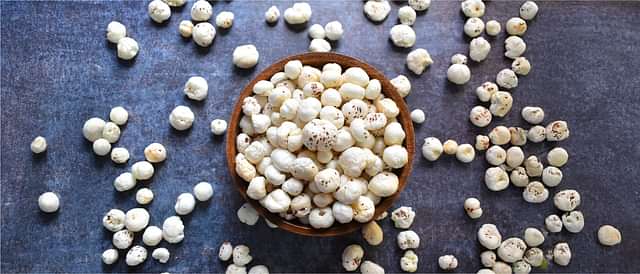
Makhana, also known as fox nuts, is one of the most ancient and, simultaneously, one of the modern superfoods. Seeds for makhana are obtained from the water lily flower Euryale ferox and have been used in Ayurvedic medicine and Indian cuisine for ages. Rich in protein, fibre, and magnesium, makhana is fast becoming famous for its health benefits, thereby being the perfect snack for nutrition-conscious people who seek a taste. Makhana is a versatile and healthy add-on that can help with nearly everything, from maintaining a healthy heart to helping with weight loss.
29th Jul 2025
|
14 mins read
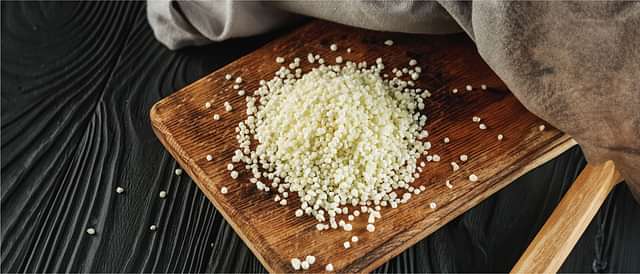
Sabudana generally refers to cassava-based tapioca pearls in India. It is sometimes called sago, although true sago is made from starch obtained from the sago palm. The dry white pearls are soaked and cooked until soft and translucent. In India, sabudana is commonly eaten during fasting and included in soft or light meals during illness or recovery because it is bland, soft when cooked and rich in carbohydrate. It provides energy but contains very little protein, fat, fibre, vitamins or minerals.
29th Jul 2025
|
20 mins read

Apricot and Apricot kernels (seeds) are widely used in medicinal applications and as food ingredients. The fruit contains numerous bioactive compounds with antioxidant, anti-inflammatory, and antimicrobial activities, contributing to its medicinal properties. The seeds, mainly, are rich in nutrients and may possess potential therapeutic uses, including cancer treatment and regulating hormonal functions. Methods like solvent extraction and ultrasound extract bioactive compounds from the kernels. This article looks at their nutrition, medical uses, and industrial uses.
15th Jul 2025
|
14 mins read
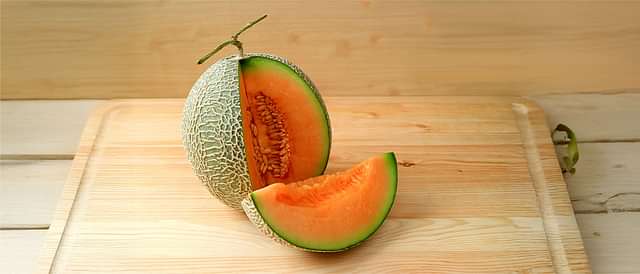
Muskmelon (Cucumis melo), known in India as kharbuja, is a sweet, juicy summer fruit from the gourd family. It is made up of roughly 90 percent water and supplies vitamin C, vitamin A and potassium. In Ayurveda it is regarded as a cooling, hydrating fruit. It is eaten fresh, juiced or added to salads, and is valued mainly for hydration and everyday nourishment during hot weather.
14th Jul 2025
|
13 mins read

Grapes are small, juicy fruits of the vine Vitis vinifera, eaten fresh, dried as raisins, or pressed into juice. Known in Ayurveda as Draksha, they are valued as a sweet, cooling fruit and are a source of natural sugars, water, fibre, vitamin K, potassium and antioxidant polyphenols such as resveratrol. This article covers their nutrition, uses, benefits, sensible servings, side effects and precautions.
14th Jul 2025
|
14 mins read

Anjeer, or fig, is the fruit of the Ficus carica tree, eaten fresh or dried. It is valued for its fibre, potassium and calcium, and in Ayurveda it is traditionally used to support digestion and relieve constipation. Dried anjeer is much sweeter and more energy dense than fresh, so it is best eaten in small amounts. Most people eat 2 to 3 dried figs a day.
30th Jun 2025
|
16 mins read
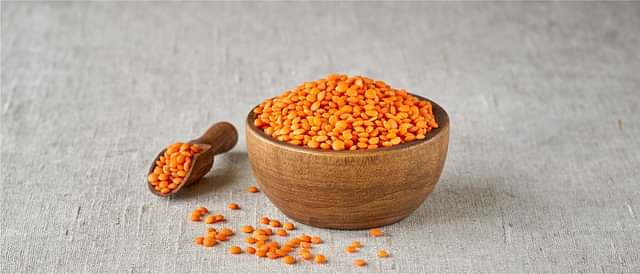
Masoor dal, also known as red lentils, is a widely eaten legume in Indian cooking. It is valued for its nutritional content and in Ayurveda for its protein, fibre and iron content, and is traditionally used to support digestion and general wellness. Masoor dal is eaten as a cooked dal, and its powder is also used topically as a natural skin exfoliant. It is generally well tolerated, though people with legume allergies or kidney disease should take care.
24th Jun 2025
|
12 mins read
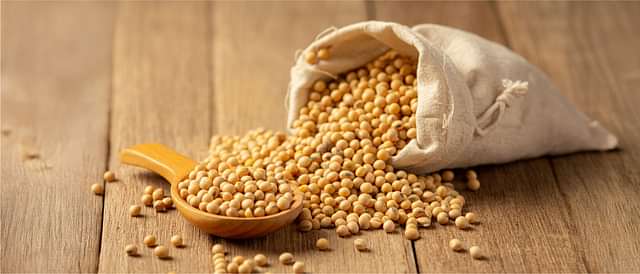
Soybeans are a protein-rich legume and a key source of high-quality vegetable oil. They are one of the few plant foods containing omega-3 fatty acids, especially alpha-linolenic acid, making them a great choice for heart health. Rich in biotin, soybeans provide nutrients comparable to vegetables, fruits, and meats. Soybean also supports metabolism, which may aid in healthy weight management, and helps regulate blood sugar by improving insulin secretion through its antioxidant properties. Globally, soybeans are grown on 50 million hectares and account for 35% of vegetable oil production.
23rd Jun 2025
|
11 mins read
Explore other categories
Latest health articles





Top Health Essentials









Top-selling ayurvedic products















Top-Selling Medicines:
...View more
Top-OTC medicines:
...View more
Top-selling healthcare devices:
...View more
Company
About UsHealth ArticleHealth StoriesHealth LibraryDiseases & Health ConditionsAyurvedaUnderstanding Generic MedicinesAll MedicinesAll BrandsNeed HelpFAQSecuritySavings CalculatorAdvertise with UsSubscribe
Registered Office Address
Grievance Officer
Download Truemeds


Contact Us
Our customer representative team is available 7 days a week from 9 am - 9 pm.
v4.28.13

2026 - Truemeds | All rights reserved. Our content is for informational purposes only. See additional information.

Our Payment Partners




