

- Medicines
- Lab Tests
- Personal Care
- Skin Cream
- Sunscreen
- Face Wash
- Skin and Body Soap
- Acne Care
- Body Lotions
- Moisturising Lotion
- Moisturising Cream
- Mosquito Repellent
- Moisturising Gel
- Body Wash
- Hair Oils
- Hair Shampoo
- Hair Conditioners
- Hair Supplements
- Hair Colour
- Hair Serum
- Hair Mask
- Hair Solutions
- Baby Diapers and Wipes
- Baby Lotion and Moisturising Cream
- Baby Bath Essentials
- Baby Skin Care
- Baby and Infant Food
- Baby Healthcare
- Women Multivitamins
- Ovulation Test Kit and Women Intimate Care
- Sanitary Pads
- Nutritional Drinks
- Condoms
- Lubricants
- Massage Gels
- Personal Body Massagers
- Men Performance Booster
- Sexual Health Supplements
- Massage Oils
- Ayurveda
- Tooth Paste
- Mouth Ulcer Gel
- Mouthwash
- Toothache and Gum Pain
- Tooth Brush
- Gargle Solution
- Orthopaedic Supports
- Adult Diapers
- Footwear
- Mobility and Support Accessories
- Urinary Support and Care
- Health Conditions
- Bone and Joint Care
- Digestive Care
- Eye Care
- Pain Relief
- Smoking Cessation
- Liver Care
- Stomach Care
- Cold and Cough
- Heart Care
- Kidney Care
- Piles, Fissures & Fistula
- Respiratory Care
- Mental Wellness
- Derma Care
- Pre and Probiotics
- Acidity
- Gas
- Constipation
- Loose Motion/Diarrhoea
- Digestive Fibres
- Digestive Enzymes
- Eye Lubricant Drops
- Lens Solution
- Safety Eye Wear
- Eye Cream
- Eye Vitamins and Supplements
- Eye Drops
- Eye Ointment and Gel
- Nicotine Patch
- Nicotine Gum
- Nicotine Lozenges
- Cough Syrups
- Chest Rubs and Balms
- Nasal Spray
- Lozenges
- Inhalant Capsules
- Cold and Cough Tablets
- Vitamins & Supplements
- Diabetes Care
- Healthcare Devices
- Homeopathic Medicine
- Health Guide
Black Salt
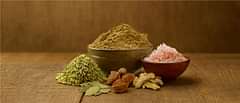
Black salt, also called Kala Namak, is a processed rock salt with a pinkish-brown colour and a distinct sulphurous smell. It is used both as a seasoning in South Asian cooking and in Ayurvedic tradition, where it is traditionally associated with supporting digestion and easing bloating after meals. This page covers its traditional uses, how to use it, typical serving guidance, and the precautions to keep in mind.
 50
Last updated on : 26 Oct, 2026
Read time : 15 mins

What is Black Salt (Kala Namak)?
Black salt is called Kala Namak in Hindi, meaning "black salt", a name that reflects the dark colour of the raw crystal even though the powdered form sold for cooking usually looks pink or brown. It is not a herb but a processed rock salt. In Ayurvedic texts, it is described under the name Sauvarchala Lavana, one of five traditional salts grouped together as the Lavana Panchaka, alongside Saindhava (rock salt) and Samudra (sea salt). It is traditionally prepared by heating natural rock salt, often together with plant material such as amla, haritaki and bibhitaki, in a sealed container until it darkens and takes on its characteristic sulphurous smell (Bali & Khan, 2024).
In Ayurveda, salty taste (lavana rasa) as a group is traditionally linked with supporting digestion and taste perception. Sauvarchala Lavana is traditionally described as light (laghu) and unctuous (snigdha) in quality, heating (ushna) in potency, with a sweet (madhura) post-digestive effect, and is traditionally considered to help balance Vata dosha. This classification comes from traditional Ayurvedic texts and secondary Ayurvedic sources, and reflects historical and cultural understanding rather than modern clinical evidence.
Key Facts
| Feature | Details |
| Also known as | Kala Namak (Hindi/Urdu), Sanchal or Sauvarchala Lavana (Sanskrit, classical Ayurveda), Bit Lobon (Bengali) |
| Origin | Traditionally sourced from rock salt deposits in the Himalayan belt of India and Pakistan, and from salt lakes such as Sambhar and Didwana in Rajasthan |
| Ayurvedic classification | Rasa (taste): salty, with a pungent note. Virya (potency): heating. Vipaka (post-digestive effect): sweet. Dosha action: traditionally considered to help balance Vata dosha |
| Key nutrients | Mainly sodium chloride, with trace amounts of sulphur compounds, iron, calcium, magnesium and potassium (Chander et al., 2020) |
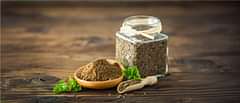
| Common forms | Powder, granules and rock crystals or chunks |
| Typical serving | Around 1 to 2 grams a day when used as a seasoning, counted as part of total daily salt intake rather than in addition to it |
| Best taken | Mixed into food, drinks or cooking water at mealtimes, rather than consumed on its own |
| Key safety note | Contains sodium and should be used in moderation. People with high blood pressure, kidney disease, heart conditions or thyroid disorders, and pregnant women, should ask a doctor before regular use. It is not a substitute for medical treatment |
Alternative Names of Black Salt
Black salt is known by several regional and classical names across India and South Asia. The commonly used names and spelling variants are listed below.
- Kala Namak, the name most widely used across India and South Asia (Hindi/Urdu).
- English: Black salt or Himalayan black salt
- Marathi: Kala Meeth
- Bengali: Bit Lobon (or Bit Noon)
- Tamil: Intuppu
- Telugu: Nalla Uppu
- Malayalam: Karutha Uppu
- Sanskrit: Sauvarchala Lavana
Chemical Constituents of Black Salt
Black salt's characteristic smell, taste and colour come from a mix of sodium compounds and trace minerals. Its main constituents are listed below.
- Sodium chloride, the main component, as in other edible salts.
- Sodium sulphate and sodium sulphide, trace compounds that give black salt its characteristic sulphurous smell.
- Iron sulphide, which contributes to the dark colour of the unprocessed crystal.
- Small amounts of magnesium, calcium and potassium salts (Chander et al., 2020).
Medicinal Properties of Black Salt
Ayurveda and early laboratory research associate black salt with a small number of traditional properties and potential biological effects, listed below.
- Digestive stimulant (deepana), traditionally believed to support the digestive process.
- Mild carminative, traditionally used to ease trapped wind and bloating.
- Mild laxative in larger amounts, traditionally associated with easier bowel movement.
- Electrolyte-supporting, due to its sodium and trace mineral content.
- Antioxidant activity, observed in laboratory testing of Himalayan black rock salt (Chander et al., 2020).
Most of this evidence comes from traditional use or early laboratory testing rather than large human clinical trials. Black salt is best understood as a flavouring with some traditional digestive value, rather than as a treatment for any medical condition.
Key Health Benefits of Black Salt
Black salt provides sodium and small amounts of other minerals that contribute to normal fluid and electrolyte balance. It may support digestive comfort, including occasional bloating or constipation, although evidence for these effects in humans is limited. Black salt does not have established benefits for weight loss or cholesterol reduction and should be consumed in moderation because of its sodium content.

1. Supporting digestion
Black salt is traditionally believed to stimulate the digestive process and support bile flow, which may help the body break down food more easily. This traditional use is one reason it is often taken before or after meals in South Asian households.
2. Helping ease bloating and gas
The trace sulphur compounds and minerals in black salt are traditionally associated with easing trapped gas and mild bloating after meals. Scientific evidence for this specific effect in humans is limited, so it should be seen as a traditional remedy rather than a proven treatment.
3. Supporting electrolyte balance
Black salt contains sodium along with small amounts of potassium and magnesium, minerals the body uses to maintain fluid and electrolyte balance. It may help replace electrolytes lost through sweating, when used in moderation as part of a balanced diet.
4. Supporting regular bowel movements
In larger amounts, black salt has a mild laxative effect and is traditionally used to help ease occasional, mild constipation. It does not treat an underlying digestive disorder, and ongoing or severe constipation needs medical assessment.
5. Cholesterol and heart health
There is insufficient evidence to show that black salt lowers cholesterol or prevents heart problems. Black salt contains sodium and should be used in moderation, particularly by people with high blood pressure or heart conditions. Its mineral content does not make it a treatment for high cholesterol, and claims that it removes toxins or improves blood flow are not well supported by clinical evidence.
6. Weight management
Black salt does not have established weight-loss benefits. Although it may be used as a seasoning in a balanced diet, it still contains sodium and should not be considered a way to reduce body weight or body fat. Claims that it improves digestive enzymes, fat metabolism or detoxification are not well supported by human clinical evidence. Weight management is best supported by a balanced diet, regular physical activity and appropriate professional guidance.
Common Uses of Black Salt
Black salt is commonly used as a seasoning in South Asian cooking and in traditional digestive drinks. It may also be included in traditional home cleansing routines and used as an alternative seasoning to table salt. These uses are mainly culinary or traditional and should not be considered medically proven detox or treatment methods.
1. As a culinary seasoning
Black salt is widely sprinkled over chaat, fruit salads, raitas and chutneys for its tangy, savoury flavour, and is a common seasoning in South Asian cooking.
2. In traditional digestive drinks
A pinch of black salt is traditionally added to water, buttermilk or lemon water and taken around mealtimes, as part of traditional digestive practice.
3. In traditional cleansing routine
Warm water with black salt is traditionally used as part of home cleansing routines. This is a traditional practice rather than a medically proven detox method.
4. As a lower-sodium seasoning choice
Some people use black salt in place of ordinary table salt as part of an effort to season food while keeping overall sodium intake in check, alongside other dietary changes and a doctor's advice.
Precautions While Taking Black Salt
Black salt is generally safe as a seasoning, but the precautions below are worth keeping in mind.
1. Keep sodium intake moderate
Black salt contains sodium and can raise blood pressure if eaten in excess. Limit intake to around 1 to 2 grams a day, used as a seasoning rather than a standalone remedy.
2. Take extra care with high blood pressure, heart or kidney conditions
People with high blood pressure, heart disease, kidney disease, or those on a low-sodium diet, should ask a doctor before using black salt regularly, since sodium intake needs to be managed carefully in these conditions.
3. Watch for bloating or gas
Its sulphur compounds mean that too much black salt can cause gas or bloating in some people. Those with existing digestive conditions should use it cautiously and in small amounts.
4. Check with a doctor if you have a thyroid condition
People with a diagnosed thyroid condition should ask their doctor before using black salt regularly, as with any concentrated mineral salt.
5. Ask a doctor before regular use during pregnancy
Small culinary amounts are generally considered acceptable, but pregnant women should check with their doctor or midwife before using black salt regularly or in larger amounts, especially as a home remedy.
6. Stay hydrated
Black salt is traditionally used to help with electrolyte balance, but a high sodium intake can increase fluid needs and contribute to thirst or fluid imbalance. Drink enough water throughout the day, rather than relying on black salt drinks for hydration.
How to Use Black Salt
Black salt can be used in several ways, depending on the form you have. Steps for each are given below.
1. As a seasoning
Sprinkle a small amount of black salt on fruits, salads and snacks such as popcorn or roasted nuts, or stir it into chutneys and raitas for a tangy flavour.
2. In a digestive drink
Add a pinch of black salt powder and a few drops of lemon juice or ginger extract to a glass of water or buttermilk, and drink it around mealtimes. This is a traditional way to use black salt for occasional digestive discomfort.
3. In cooking
Add a pinch of black salt to curries, soups, stews, or boiling water for vegetables, lentils or rice, for an earthy flavour. It is also used in some vegan recipes to add an egg-like taste to tofu or chickpea dishes.
4. In a traditional warm water drink
Stir a pinch of black salt powder and a squeeze of lemon juice into a glass of warm water and drink it in the morning. This is a traditional Ayurvedic practice rather than a medically proven cleansing method.
5. For occasional, mild constipation
Mix half a teaspoon of black salt powder in warm water and drink it before bed. This may help with bowel movements for occasional, mild constipation. It provides symptomatic support only and does not treat an underlying digestive condition. Persistent, painful or worsening constipation needs medical assessment, and black salt should not be used as a substitute for a prescribed laxative without a doctor's advice.
Herbs Traditionally Used With Black Salt
Black salt is traditionally combined with certain herbs and spices in Ayurvedic and culinary practice. These pairings are described in the table below.
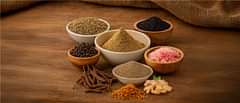
| Herb / Ingredient | Traditional combination and reason |
| Ginger (Sunthi) | Ginger and black salt are traditionally combined in digestive drinks. Ginger is traditionally believed to warm digestion, while black salt adds a salty, tangy flavour, and together they are traditionally used to ease mild bloating after meals. |
| Cumin (Jeera) | Roasted cumin and black salt are a traditional pairing in Indian raitas and buttermilk drinks, both traditionally associated with digestive support and commonly used to season dishes eaten after meals. |
| Asafoetida (Hing) | Asafoetida and black salt are traditionally combined in digestive powders and drinks, as hing is traditionally believed to ease gas and bloating, complementing black salt's traditional digestive use. |
| Triphala (Amla, Haritaki, Bibhitaki) | Traditional preparation of black salt itself sometimes involves heating rock salt together with Triphala fruits, and Triphala is also used alongside black salt in some traditional digestive formulations (Bali & Khan, 2024). |
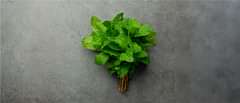
| Mint (Pudina) | Mint leaves and black salt are traditionally combined in chutneys and cooling summer drinks, both traditionally linked to digestive comfort. |
Recommended Dosage of Black Salt
Salt needs differ across life stages, and black salt should be counted as part of a person's total daily salt intake, not added on top of it. General guidance by age group is given below.
Children
Young children have much lower sodium needs than adults. Black salt and other added salts are not recommended for infants, and only very small amounts should be used in older children's food.
Teenagers
General dietary sodium limits are similar to those for adults. Black salt used as a seasoning should form only a small part of a teenager's total daily salt intake.
Adults
Around 1 to 2 grams of black salt a day as a seasoning is generally used, within a total daily salt intake that health guidance recommends keeping under about 5 grams.
Elderly
Older adults, particularly those with high blood pressure, heart disease or kidney conditions, should use black salt sparingly and speak to a doctor about their overall salt intake.
Side Effects of Black Salt
Black salt is generally well tolerated in small culinary amounts. The side effects below are linked mainly to excessive intake or long-term overuse.
Bloating and gas
Its sulphur compounds can cause bloating, wind or an upset stomach if too much is used, particularly in people with sensitive digestion.
Dehydration
High sodium intake can increase thirst and contribute to fluid imbalance, particularly when fluid intake is inadequate.
Raised blood pressure
Like any salt, excess intake over time can contribute to raised blood pressure, particularly in people who already have high blood pressure.
Loose stools
Because of its mild laxative effect, larger amounts of black salt can lead to loose stools or diarrhoea in some people.
Interaction of Black Salt With Other Drugs
Because black salt contributes to the body's sodium intake, it can interact with certain medicines. The main ones to be aware of are listed below.
Blood pressure medicines
Sodium intake can affect how well blood pressure medicines, including diuretics, work. People taking these medicines should keep their salt intake consistent and ask their doctor before increasing it.
Lithium
The body's handling of lithium is closely tied to sodium levels. People taking lithium should keep their salt intake steady and speak to their doctor before making any change.
Corticosteroids
Long-term steroid use can already increase sodium retention in the body. Adding extra dietary salt on top of this may add to that effect.
Storage of Black Salt
Store black salt in an airtight container, away from moisture and direct sunlight, to prevent clumping and to preserve its flavour and smell. A cool, dry cupboard is suitable for most households. As with any concentrated salt product, keep it out of reach of young children.
Key Takeaways
- Black salt (Kala Namak) is a processed rock salt valued in Ayurveda and South Asian cooking for its distinctive flavour and traditional digestive uses.
- It is traditionally associated with easing bloating, supporting digestion, and providing mild laxative and electrolyte-balancing effects, though most of this evidence is traditional or based on early laboratory research rather than large human trials.
- Like any salt, it should be used in moderation, generally around 1 to 2 grams a day as part of total daily salt intake.
- People with high blood pressure, kidney disease, heart conditions or thyroid disorders, and pregnant women, should ask a doctor before using it regularly.
- Black salt is not a treatment for any medical condition and does not replace medicines prescribed by a doctor.
FAQs
Are black salt and sendha namak the same?
Is black salt natural or processed?
Is black salt good for blood pressure?
Can black salt cause diarrhoea?
Can black salt cause heartburn?
Can you consume black salt every day?
Can a person with diabetes use black salt?
Does black salt help remove toxins from the body?
Can black salt replace my blood pressure or diabetes medicine?
References
- Bali, S., & Khan, A. (2024). The untold health benefits of herbal black salt (Kala Namak): A scientific overview. Current Research in Complementary & Alternative Medicine, 8(1), 234. https://doi.org/10.29011/2577-2201.100234
- Chander, V., Tewari, D., Negi, V., Singh, R., Upadhyaya, K., & Aleya, L. (2020). Structural characterization of Himalayan black rock salt by SEM, XRD and in-vitro antioxidant activity. Science of the Total Environment, 748, 141269. https://doi.org/10.1016/j.scitotenv.2020.141269

Explore other categories
Latest health articles





Top Health Essentials






Top-selling ayurvedic products
















Disclaimer
Top-Selling Medicines:
...View more
Top-OTC medicines:
...View more
Top-selling healthcare devices:
...View more
Company
About UsHealth ArticleHealth StoriesHealth LibraryDiseases & Health ConditionsAyurvedaUnderstanding Generic MedicinesAll MedicinesAll BrandsNeed HelpFAQSecuritySavings CalculatorAdvertise with UsSubscribe
Registered Office Address
Grievance Officer
Download Truemeds


Contact Us
Our customer representative team is available 7 days a week from 9 am - 9 pm.
v4.28.24

2026 - Truemeds | All rights reserved. Our content is for informational purposes only. See additional information.

Our Payment Partners




