

- Medicines
- Personal Care
- Skin Cream
- Sunscreen
- Face Wash
- Skin and Body Soap
- Acne Care
- Body Lotions
- Moisturising Lotion
- Moisturising Cream
- Mosquito Repellent
- Moisturising Gel
- Body Wash
- Hair Oils
- Hair Shampoo
- Hair Conditioners
- Hair Supplements
- Hair Colour
- Hair Serum
- Hair Mask
- Hair Solutions
- Baby Diapers and Wipes
- Baby Lotion and Moisturising Cream
- Baby Bath Essentials
- Baby Skin Care
- Baby and Infant Food
- Baby Healthcare
- Women Multivitamins
- Ovulation Test Kit and Women Intimate Care
- Sanitary Pads
- Nutritional Drinks
- Condoms
- Lubricants
- Massage Gels
- Personal Body Massagers
- Men Performance Booster
- Sexual Health Supplements
- Massage Oils
- Ayurveda
- Tooth Paste
- Mouth Ulcer Gel
- Mouthwash
- Toothache and Gum Pain
- Tooth Brush
- Gargle Solution
- Orthopaedic Supports
- Adult Diapers
- Footwear
- Mobility and Support Accessories
- Urinary Support and Care
- Health Conditions
- Bone and Joint Care
- Digestive Care
- Eye Care
- Pain Relief
- Smoking Cessation
- Liver Care
- Stomach Care
- Cold and Cough
- Heart Care
- Kidney Care
- Piles, Fissures & Fistula
- Respiratory Care
- Mental Wellness
- Derma Care
- Pre and Probiotics
- Acidity
- Gas
- Constipation
- Loose Motion/Diarrhoea
- Digestive Fibres
- Digestive Enzymes
- Eye Lubricant Drops
- Lens Solution
- Safety Eye Wear
- Eye Cream
- Eye Vitamins and Supplements
- Eye Drops
- Eye Ointment and Gel
- Nicotine Patch
- Nicotine Gum
- Nicotine Lozenges
- Cough Syrups
- Chest Rubs and Balms
- Nasal Spray
- Lozenges
- Inhalant Capsules
- Cold and Cough Tablets
- Vitamins & Supplements
- Diabetes Care
- Healthcare Devices
- Homeopathic Medicine
- Health Guide
Bakuchi
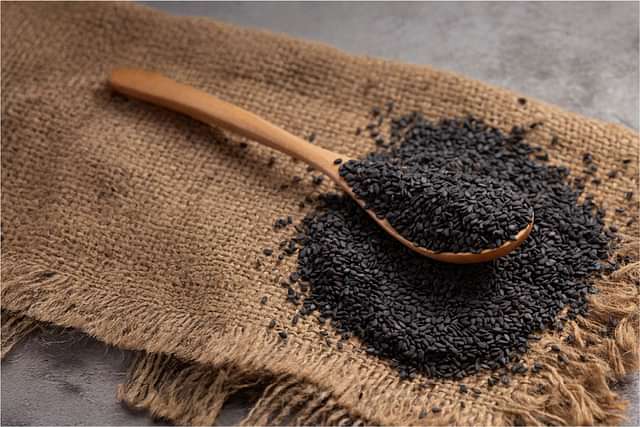
Bakuchi is the common name for Psoralea corylifolia, an Ayurvedic herb whose seeds and seed oil are traditionally used in skin care, including for pigmentation changes, acne and dry skin. It is also traditionally used to support hair health, digestion and joint comfort. In modern research, attention has focused mainly on bakuchiol, a compound in Bakuchi seed oil that has been studied for its potential skin-care benefits and as a plant-based alternative to retinol in some skincare formulations.
 50
50Last updated on : 15 Sep, 2026
Read time : 13 mins
What is Bakuchi?
The name Bakuchi comes from Sanskrit and the herb is also traditionally known as Kushtanashini, a name historically linked to its traditional use for skin conditions described under the classical term Kushtha.
Botanically identified as Psoralea corylifolia and belonging to the Fabaceae family, Bakuchi is native to India and also grows across other parts of Asia and Africa. It has a long history of traditional use, both in Ayurveda and traditional Chinese medicine, where its seeds have been valued for generations (Nizam et al., 2023).
In Ayurveda, Bakuchi's seeds are classified as Katu (pungent) and Tikta (bitter) in Rasa (taste), Laghu (light) and Rooksha (dry) in Guna (qualities), Ushna (hot) in Virya (potency), and Katu in Vipaka (post-digestive effect). The herb is traditionally described as balancing Kapha and Vata doshas. Its seeds, oil and leaves contain bioactive compounds, including bakuchiol, psoralen and flavonoids, which have been studied for their potential biological and skincare effects.
Key Facts
| Feature | Details |
| Botanical name | Psoralea corylifolia L. |
| Family | Fabaceae
|
| Part used | Seeds (occasionally leaves and seed oil) |
| Ayurvedic category | Traditionally grouped with Kushtaghna (skin-supportive) herbs |
| Ayurvedic properties | Rasa: Katu, Tikta | Virya: Ushna (hot) | Vipaka: Katu | Dosha action: Balances Kapha and Vata
|
| Key active compounds | Bakuchiol, psoralen, isopsoralen, psoralidin, flavonoids |
| Traditional uses | Traditionally used to support skin health, hair health, digestion and joint comfort
|
| Common forms | Powder (churna), oil, capsules, tablets, standardised extracts |
| General dosage | There is no well-established standard oral dose for Bakuchi. Use only the dose recommended by a qualified Ayurvedic practitioner or stated on a regulated product label.
|
| Best taken | Powder only as directed by a qualified practitioner; oil for external, topical use only
|
| Key safety note | Bakuchi can increase skin sensitivity to sunlight, particularly when applied topically, and oral preparations have been associated with liver injury. Use only under qualified medical or Ayurvedic supervision. Avoid self-use during pregnancy or breastfeeding and consult a healthcare professional if you have liver or kidney disease.
|
Alternative Names of Bakuchi
Bakuchi is known by several names across Ayurveda and other regional traditions:
- Botanical name: Psoralea corylifolia
- English name: Babchi seed
- Hindi name: Babchi
- Sanskrit name: Kushtanashini, Somaraji
- Regional spelling variant: Bawchi
Chemical Constituents of Bakuchi
- Bakuchi's seeds and oil contain several bioactive compounds that have been studied in relation to its traditional and modern uses:
- Bakuchiol, a compound studied for retinol-like effects on skin texture and signs of photoageing (Chaudhuri & Bojanowski, 2014); (Dhaliwal et al., 2019).
- Psoralen, a furanocoumarin studied in connection with traditional and light-based approaches to pigmentation (Nizam et al., 2023).
- Isopsoralen, a related furanocoumarin with photosensitising properties that may increase skin sensitivity to ultraviolet light.
- Psoralidin, a coumarin compound studied for antioxidant and antimicrobial activity, mainly in preclinical research.
- Flavonoids, which have antioxidant activity demonstrated mainly in laboratory studies.
Medicinal Properties of Bakuchi
Laboratory and traditional-use studies have looked at the following actions of Bakuchi and its constituents on the body:
- Antioxidant, with antioxidant activity observed in preclinical studies
- Anti-inflammatory, studied for its potential to reduce inflammatory activity in skin and joint tissue
- Antimicrobial, with activity against some bacteria and fungi demonstrated in laboratory studies
- Antiallergic, traditionally used to support relief from allergic skin reactions
- Carminative, traditionally used to ease mild digestive discomfort
- Analgesic, traditionally used for mild musculoskeletal discomfort
- Photosensitising, increases the skin's reactivity to sunlight; this action is used therapeutically under close medical supervision, but is also the main safety concern associated with this herb
These actions have mostly been studied in laboratory, animal or small clinical settings (Nizam et al., 2023), and this list describes properties, not established clinical outcomes. It is not a substitute for a doctor's diagnosis or treatment plan.
Key Health Benefits of Bakuchi
The potential benefits of Bakuchi are mainly associated with its traditional Ayurvedic uses and the biological activity of compounds such as bakuchiol and psoralen.
Supports Skin Renewal
Bakuchiol, found in Bakuchi seed oil, has been studied for retinol-like effects on skin cell turnover and may help improve skin texture when applied topically (Chaudhuri & Bojanowski, 2014). Human evidence is limited, and results may vary between individuals.
May Help With Pigmentation Changes
Psoralen, an active compound in Bakuchi, has traditionally been associated with supporting melanocyte activity, the skin cells responsible for pigment. This is why Bakuchi is traditionally used for pigmentation-related skin concerns, including in some medically supervised light-based treatments. It is not a stand-alone cure and requires appropriate medical assessment before use.
Supports Scalp and Hair Health
Massaging diluted Bakuchi oil into the scalp is traditionally believed to nourish the scalp and hair, which may help support hair health with regular, supervised use. Evidence supporting these effects in humans is limited.
May Help Soothe Minor Skin Irritation
Bakuchi's anti-inflammatory and antimicrobial properties have been studied mainly in laboratory and preclinical research and are traditionally used to help calm minor skin irritation and blemishes, including occasional breakouts. It should not be relied on as a stand-alone acne treatment, particularly because Bakuchi can increase skin sensitivity to sunlight.
Contains Antioxidant Compounds
Bakuchi contains antioxidant compounds, including flavonoids, with antioxidant activity demonstrated mainly in laboratory studies. These compounds may help protect cells from oxidative stress, but there is insufficient clinical evidence to establish an effect on visible skin ageing.
May Support Digestive Comfort
Bakuchi powder is traditionally used in small doses to help ease mild digestive discomfort, such as occasional bloating, due to its traditionally recognised carminative action. Evidence for these digestive effects in humans is limited, and it is not intended for ongoing or severe digestive symptoms, which need medical assessment.
Common Uses of Bakuchi
Bakuchi is used in different traditional and clinical contexts, with the form, route of use and level of supervision depending on the intended purpose.
Topical Skin Applications
Bakuchi oil or paste is traditionally applied to specific areas of the skin, such as patches affected by pigmentation changes or occasional blemishes, as directed by a practitioner.
Hair and Scalp Care Routines
Diluted Bakuchi oil is traditionally massaged into the scalp as part of a hair care routine, usually left on for a set time before washing out, as advised.
Practitioner-Guided Oral Use
Bakuchi powder, tablets or capsules are traditionally taken by mouth under an Ayurvedic practitioner's guidance, as part of a wider plan for digestive or joint-related complaints.
Use Alongside Medically Supervised Light Exposure
In some dermatological settings, psoralen-containing preparations are used alongside carefully controlled, medically supervised ultraviolet light exposure for certain skin conditions. This is a supervised clinical approach, not something to attempt without medical guidance.
Precautions While Taking Bakuchi
Bakuchi can offer potential benefits, but it also carries specific risks that must be understood before use:
- Pregnancy and breastfeeding: Do not use Bakuchi unless specifically prescribed by a doctor, as safety in pregnancy and breastfeeding has not been established.
- Liver or kidney conditions: Consult a doctor before use if you have an existing liver or kidney condition, since Bakuchi has been linked to rare but serious liver injury.
- Photosensitivity: Bakuchi increases skin sensitivity to sunlight. Use sunscreen and avoid prolonged sun exposure after topical use, unless a doctor has advised supervised light exposure.
- Allergy risk: Carry out a patch test before applying Bakuchi oil to the skin, and stop use if redness, itching or swelling develops.
- Children: Do not give Bakuchi to children unless a qualified paediatric or Ayurvedic practitioner has specifically prescribed and is supervising its use.
- Seek urgent medical help if you notice yellowing of the skin or eyes, dark urine, unusual tiredness or nausea after taking Bakuchi by mouth, and stop use immediately.
Note: This information does not replace personalised medical advice. Always consult a qualified healthcare professional before starting Bakuchi, especially if you are pregnant, breastfeeding, elderly, or taking other medication.
How to Use Bakuchi
Bakuchi should only be used under the guidance of a doctor or Ayurvedic practitioner, since it can increase skin sensitivity to sunlight and may irritate some skin types.
Using Bakuchi Powder
The powder is usually taken with water or honey, at the dose and frequency recommended by a practitioner.
Applying Bakuchi Oil or Paste
The oil or paste is applied externally to the affected skin area only, as prescribed. Any accompanying sun exposure should only happen if a doctor has specifically advised it, and should be closely monitored.
Taking Ayurvedic Formulations Containing Bakuchi
Bakuchi is also available in tablets, capsules and compound formulations. These should be used strictly according to the product label or a practitioner's advice, without changing the dose independently.
Herbs Traditionally Used With Bakuchi
Bakuchi is traditionally combined with the following herbs in Ayurvedic skin-care formulations:
| Herb | Traditional rationale |
| Khadira (Acacia catechu) | Traditionally combined with Bakuchi in Ayurvedic skin-supportive formulations, as both are traditionally associated with Raktashodhana (blood-purifying) action; combinations should follow a practitioner's guidance rather than self-formulation. |
| Manjistha (Rubia cordifolia) | A traditionally used herb often paired with Bakuchi in traditional skin-care preparations; the pairing is traditionally believed to support skin health and an even-looking complexion under supervised use. |
| Haridra (Curcuma longa) | Haridra is commonly combined with Bakuchi in topical skin preparations for its traditional anti-inflammatory and antimicrobial properties, complementing Bakuchi's own properties in Ayurvedic skin care. |
| Neem (Azadirachta indica) | Traditionally neem paired with Bakuchi in skin-supportive formulations for its traditionally recognised antimicrobial properties; the combination appears in Ayurvedic skin-care preparations. |
Recommended Dosage of Bakuchi
Bakuchi dosage depends on the form used, the purpose, and the person taking it. The following is general guidance only and must be confirmed by a qualified practitioner:
Children
Bakuchi is not recommended for children unless specifically prescribed and supervised by a qualified paediatric or Ayurvedic practitioner, because safety data in this age group is limited.
Teenagers
Topical use only, and only under medical or dermatological supervision, particularly where it is being considered for acne-related use. Oral use is not generally recommended without a doctor's advice.
Adults
- Powder: There is no well-established standard oral dose; if prescribed, use only the dose recommended by a qualified practitioner.
- Capsules: follow the dose specified on the product label or recommended by a qualified practitioner.
- Oil: a few drops applied externally to the affected area. Because Bakuchi may cause photosensitivity and has been associated with liver injury, oral use should be medically supervised.
Elderly
A lower starting dose is generally advised, with practitioner supervision, particularly for those taking other medicines or with reduced liver or kidney function.
Note: This dosage information is general and traditional in nature. It is not a substitute for personalised medical advice. Always consult a qualified healthcare professional or Ayurvedic practitioner before starting Bakuchi.
Side Effects of Bakuchi
Bakuchi may be tolerated by some people when used correctly and under supervision, but the following side effects have been reported:
Skin Reactions
Redness, burning, itching or contact irritation can occur at the site of application, particularly with undiluted oil.
Increased Sun Sensitivity
Bakuchi can make skin more reactive to sunlight, increasing the risk of sunburn-like or other photosensitivity reactions if sun protection is not used.
Gastrointestinal Discomfort
Oral use can occasionally cause nausea, stomach upset or loose stools, especially at higher doses.
Allergic Reactions
Rash, swelling or itching can occur in people who are sensitive to Bakuchi. Stop use and seek medical advice if these occur.
Liver-Related Reactions (Rare but Serious)
Case reports and pharmacovigilance sources have linked Psoralea corylifolia (Bakuchi) with rare but serious liver injury, including jaundice, when taken by mouth. Stop use and seek urgent medical attention if you notice yellowing of the skin or eyes, dark urine, unusual tiredness, loss of appetite or nausea.
Interaction of Bakuchi With Other Drugs
Bakuchi can interact with certain medicines. Always tell your doctor or pharmacist about everything you are taking before starting Bakuchi.
Photosensitising Medicines
Combining Bakuchi with medicines that also increase sun sensitivity, such as certain antibiotics (for example, tetracyclines or fluoroquinolones) or some diuretics, may increase the risk of photosensitivity reactions.
Medicines Processed by the Liver
Because Bakuchi has been linked to rare cases of liver injury, consult a doctor before combining it with medicines or supplements that can affect the liver, or with regular alcohol use.
Immune-Modulating Medicines
Bakuchi's potential effects on immune activity mean it should be used cautiously alongside immunosuppressant medicines, and only with a doctor's knowledge.
Prescription Medicines Generally
If you take regular prescription medicine for any condition, including diabetes or blood pressure, do not add Bakuchi to your routine without first checking with your doctor, as specific interactions with many medicines have not been well established.
Storage of Bakuchi
Store Bakuchi powder, oil or capsules in a cool, dry place, away from direct sunlight and moisture. Keep the container tightly closed after use, and keep it out of reach of children. Do not use the product beyond the expiry date printed on the pack, and dispose of any unused or expired product according to local disposal guidance.
Key Takeaways
- Bakuchi (Psoralea corylifolia) is an Ayurvedic herb traditionally used to support skin health, including pigmentation-related concerns, as well as hair and digestive health.
- Bakuchiol, a compound in Bakuchi seed oil, has been studied as a plant-based alternative to retinol for improving skin texture and signs of photoageing.
- Bakuchi increases skin sensitivity to sunlight and has been linked to rare but serious liver injury. It should be used only under medical or Ayurvedic practitioner supervision.
- Bakuchi is not recommended during pregnancy or breastfeeding, or for people with liver or kidney conditions, without specific medical advice.
- This information is for general awareness only. It does not replace personalised advice from a qualified healthcare professional.
FAQs
What does Bakuchi do for the skin?
Is Bakuchi traditionally used for vitiligo?
How is Bakuchi oil traditionally used for hair growth?
How should Bakuchi seed oil be applied to the skin?
Is Bakuchi linked to liver problems?
What are the key active compounds in Bakuchi?
References
- Chaudhuri, R. K., & Bojanowski, K. (2014). Bakuchiol, a retinol-like functional compound revealed by gene expression profiling and clinically proven to have anti-aging effects. International Journal of Cosmetic Science, 36(3), 221–230. https://doi.org/10.1111/ics.12117
- Dhaliwal, S., Rybak, I., Ellis, S. R., Notay, M., Trivedi, M., Burney, W., Vaughn, A. R., Nguyen, M., Reiter, P., Bosanac, S., Yan, H., Foolad, N., & Sivamani, R. K. (2019). Prospective, randomized, double-blind assessment of topical bakuchiol and retinol for facial photoageing. British Journal of Dermatology, 180(2), 289–296. https://doi.org/10.1111/bjd.16918
- National Institute of Diabetes and Digestive and Kidney Diseases. (2020). Chinese and other Asian herbal medicines. In LiverTox: Clinical and research information on drug-induced liver injury. NCBI Bookshelf. https://www.ncbi.nlm.nih.gov/books/NBK548589/
- Nizam, N. N., Mahmud, S., Ark, S. M. A., Kamruzzaman, M., & Hasan, M. K. (2023). Bakuchiol, a natural constituent and its pharmacological benefits. F1000Research, 12, 29. https://doi.org/10.12688/f1000research.129072.
Explore other categories
Latest health articles





Top Health Essentials
Top-selling ayurvedic products












Disclaimer
Top-Selling Medicines:
...View more
Top-OTC medicines:
...View more
Top-selling healthcare devices:
...View more
Company
About UsHealth ArticleHealth StoriesHealth LibraryDiseases & Health ConditionsAyurvedaUnderstanding Generic MedicinesAll MedicinesAll BrandsNeed HelpFAQSecuritySavings CalculatorAdvertise with UsSubscribe
Registered Office Address
Grievance Officer
Download Truemeds


Contact Us
Our customer representative team is available 7 days a week from 9 am - 9 pm.
v4.28.14

2026 - Truemeds | All rights reserved. Our content is for informational purposes only. See additional information.

Our Payment Partners