

- Medicines
- Personal Care
- Skin Cream
- Sunscreen
- Face Wash
- Skin and Body Soap
- Acne Care
- Body Lotions
- Moisturising Lotion
- Moisturising Cream
- Mosquito Repellent
- Moisturising Gel
- Body Wash
- Hair Oils
- Hair Shampoo
- Hair Conditioners
- Hair Supplements
- Hair Colour
- Hair Serum
- Hair Mask
- Hair Solutions
- Baby Diapers and Wipes
- Baby Lotion and Moisturising Cream
- Baby Bath Essentials
- Baby Skin Care
- Baby and Infant Food
- Baby Healthcare
- Women Multivitamins
- Ovulation Test Kit and Women Intimate Care
- Sanitary Pads
- Nutritional Drinks
- Condoms
- Lubricants
- Massage Gels
- Personal Body Massagers
- Men Performance Booster
- Sexual Health Supplements
- Massage Oils
- Ayurveda
- Tooth Paste
- Mouth Ulcer Gel
- Mouthwash
- Toothache and Gum Pain
- Tooth Brush
- Gargle Solution
- Orthopaedic Supports
- Adult Diapers
- Footwear
- Mobility and Support Accessories
- Urinary Support and Care
- Health Conditions
- Bone and Joint Care
- Digestive Care
- Eye Care
- Pain Relief
- Smoking Cessation
- Liver Care
- Stomach Care
- Cold and Cough
- Heart Care
- Kidney Care
- Piles, Fissures & Fistula
- Respiratory Care
- Mental Wellness
- Derma Care
- Pre and Probiotics
- Acidity
- Gas
- Constipation
- Loose Motion/Diarrhoea
- Digestive Fibres
- Digestive Enzymes
- Eye Lubricant Drops
- Lens Solution
- Safety Eye Wear
- Eye Cream
- Eye Vitamins and Supplements
- Eye Drops
- Eye Ointment and Gel
- Nicotine Patch
- Nicotine Gum
- Nicotine Lozenges
- Cough Syrups
- Chest Rubs and Balms
- Nasal Spray
- Lozenges
- Inhalant Capsules
- Cold and Cough Tablets
- Vitamins & Supplements
- Diabetes Care
- Healthcare Devices
- Homeopathic Medicine
- Health Guide
Milk Thistle
Milk thistle (Silybum marianum) is a Mediterranean plant whose seeds contain silymarin, a group of antioxidant plant compounds. In Western herbal practice it has been used for centuries to support the liver, and some people also take it to aid digestion. It is a herbal supplement rather than a treatment for liver disease.
 50
50Last updated on : 12 Aug, 2026
Read time : 10 mins
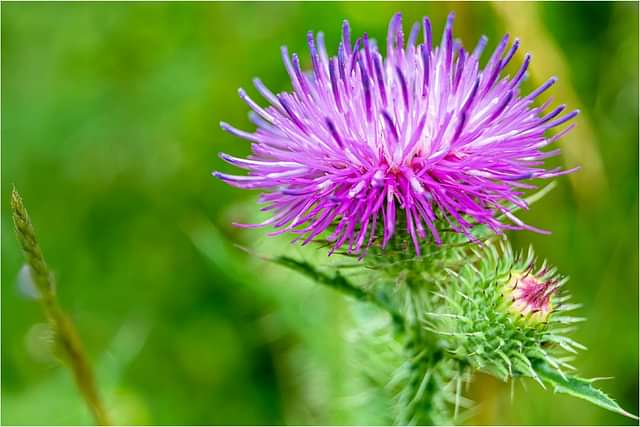
What is Milk thistle?
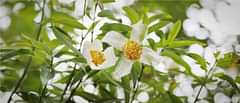
Milk thistle (Silybum marianum) is a spiky plant with purple flowers and distinctive white-veined leaves, from which it takes its name. It belongs to the daisy family (Asteraceae) and grows across the Mediterranean, though it is now cultivated worldwide. The part used is the seed, which contains silymarin, a group of antioxidant flavonolignans (NCCIH, n.d.)(Ahmed & Sharma, 2024).
In Western herbal practice, milk thistle has been used for centuries to support the liver and gallbladder and to aid digestion. It is important to note that milk thistle is not one of the herbs described in the classical Ayurvedic texts, such as the Charaka Samhita or Sushruta Samhita. Its use is based on modern research and Western herbal tradition rather than classical Ayurveda. It may help support the liver, but it is not a cure for liver disease, and serious liver conditions need proper medical care.
Key Facts
| Feature | Details |
| Botanical name | Silybum marianum (synonym Carduus marianus) |
| Family | Asteraceae (the daisy and ragweed family) |
| Part used | The seeds (fruits) |
| Key active compounds | Silymarin, a complex of flavonolignans: silybin (silibinin), isosilybin, silychristin, isosilychristin, silydianin, and the flavonoid taxifolin |
| Traditional uses | Western herbal use to support the liver and gallbladder and to aid digestion |
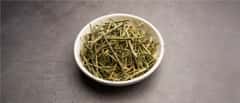
| Common forms | Capsules, tablets, powder and liquid extracts, usually standardised for silymarin content |
| General dosage | Commonly 200 to 420 mg of standardised silymarin a day, in divided doses, or as directed (Check the product label for the recommended dosage) |
| Best taken | With or after food; under medical advice if you take other medicines or have a liver condition |
| Key safety note | Avoid if allergic to plants in the daisy/ragweed family. Discuss with a doctor if pregnant, breastfeeding, diabetic, on blood thinners, or before surgery
|
Alternative Names of Milk Thistle
Milk thistle is known by the following common and botanical names:
- Botanical name: Silybum marianum (synonym Carduus marianus)
- English names: Milk thistle, Mary thistle, St Mary’s thistle, holy thistle, blessed milk thistle
Chemical constituents of Milk Thistle
Milk thistle is a fascinating plant that supports liver health and contains several vitamins. There are many milk thistle benefits that humankind has known. Here’s a quick overview of the actives found in milk thistle:
1. Silybin (Silibinin):
- Protects liver cells from toxins.
- Promotes liver tissue regeneration.
- It acts as a potent antioxidant.
- Reduces inflammation in liver conditions.
- It may protect skin from UV damage and reduce ageing signs.
2. Isosilybin:
- Supports liver detoxification and regeneration.
- It may inhibit the growth of prostate cancer cells.
- It acts as an antioxidant, protecting against oxidative damage.
3. Silychristin:
- Protects liver cells from toxins.
- Promotes liver cell regeneration.
- It acts as an antioxidant, reducing oxidative stress.
- It may have antiviral properties.
4. Isosilychristin:
- Supports liver protection and detoxification.
- Enhances antioxidant defence in liver cells.
- It may help reduce inflammation.
5. Silydianin:
- Enhances liver detoxification.
- Reduces oxidative stress on liver cells.
- Assists in liver cell repair and regeneration.
6. Taxifolin:
- It acts as a powerful antioxidant.
- Supports cardiovascular health by improving cholesterol levels.
- Reduces inflammation in tissues.
- Protects liver function in combination with other compounds.
These active constituents contribute to overall health, making milk thistle more than just a liver tonic. It’s a plant that supports various functions in our bodies!
Key Health Benefits of Milk Thistle
Milk thistle is best known for supporting the liver. Its main benefits, framed honestly, are:
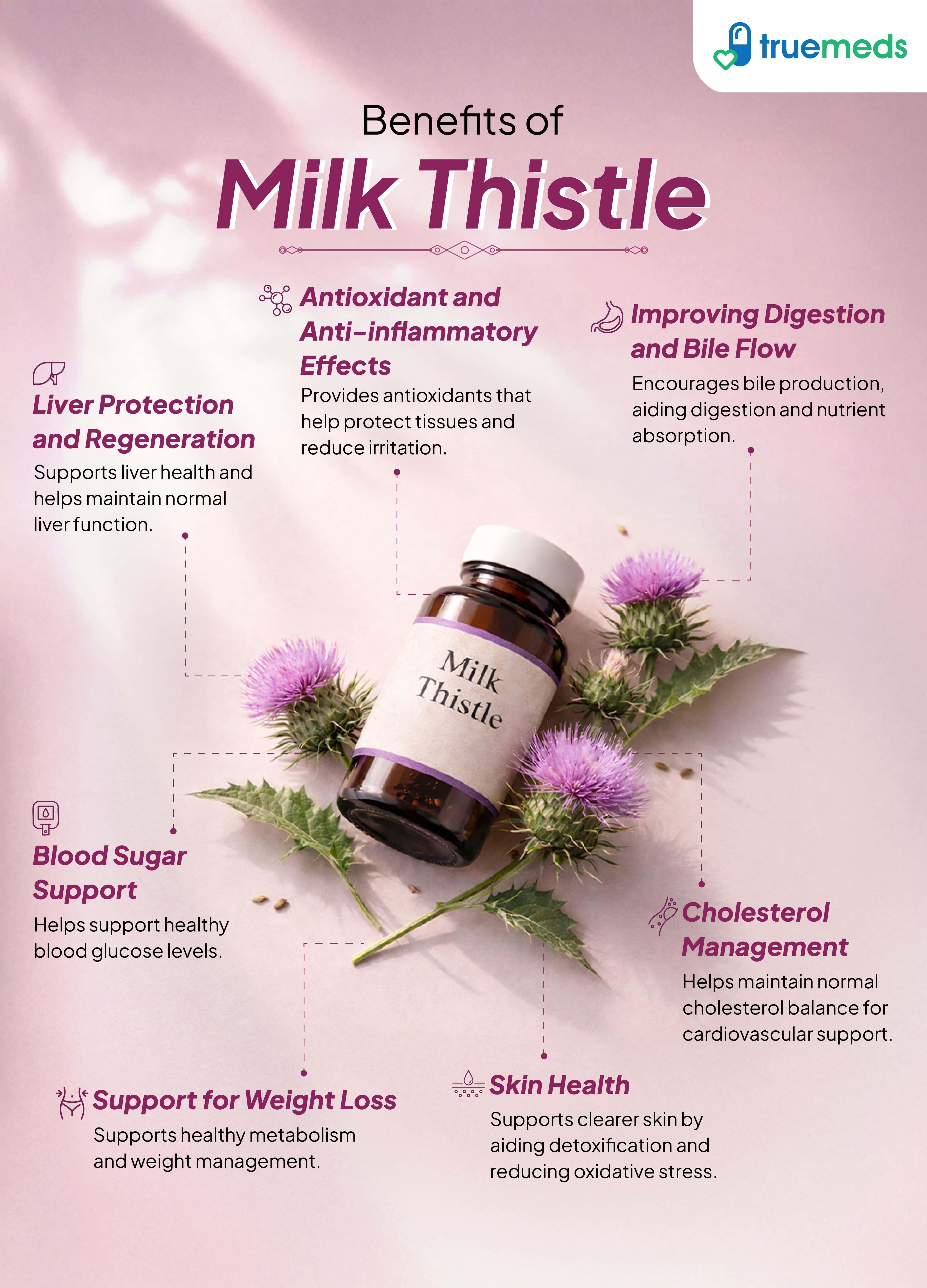
May Support Liver Health
Silymarin acts as an antioxidant and helps stabilise liver cell membranes, which is the basis for milk thistle’s traditional use as a liver-support herb. It is studied as a supportive option in conditions such as fatty liver, but it should not replace medical treatment, and serious liver disease needs a doctor’s care.
Antioxidant Effects
Silymarin helps raise levels of the body’s own antioxidant glutathione and counters free radicals, which supports overall cell health. This antioxidant action underlies most of its other proposed benefits.
Digestive Support
Milk thistle may support normal bile production and flow, which plays a role in fat digestion. However, evidence for its effectiveness in relieving bloating or discomfort after fatty meals is limited.
May Support Blood Sugar
Some studies have looked at silymarin for blood-sugar support, possibly through its antioxidant effects. This is an area of research, not a treatment for diabetes. Anyone with diabetes should speak to their doctor before use, as it may affect medication doses.
Skin Health
As an antioxidant, milk thistle may help protect skin cells from oxidative stress and everyday environmental damage. Any skin benefit is general and supportive, not a treatment for a skin condition.
Cholesterol Management
Some early studies suggest that milk thistle may help support healthy cholesterol levels, but the evidence remains inconclusive. It is not recommended as a primary treatment for managing cholesterol.
Support Metabolism
There is no strong clinical evidence that milk thistle directly promotes weight loss or increases metabolism. While its effects on liver health have been studied, it should not be considered a weight-loss supplement or a substitute for a balanced diet and regular physical activity.
Common Uses of Milk Thistle
In everyday use, milk thistle is taken in a few main ways:
- As a daily liver-support supplement, usually in capsule or tablet form.
- By people who want digestive support, particularly after heavy or fatty meals.
- Alongside other liver-supporting herbs in combination supplements, under guidance.
Precautions While Taking Milk Thistle
Milk thistle is generally well tolerated, but take these precautions:
Allergy to the daisy family
Milk thistle is in the same family as ragweed, marigold and daisies. If you are allergic to these, it may cause a rash, itching or, rarely, breathing difficulty. Ask a doctor before taking it.
Medicines
Milk thistle may affect how the liver processes certain medicines. Consult your doctor before use if you are taking medicines such as blood thinners (for example, warfarin), diabetes medicines or statins.
Pregnancy and breastfeeding
Milk thistle is not generally recommended during pregnancy or breastfeeding due to limited safety data. Consult your doctor before use.
Existing liver disease
If you have a liver condition, do not use milk thistle without medical advice. It should not be used as a substitute for appropriate medical treatment.
Before surgery
Stop taking milk thistle at least two weeks before any planned surgery, as it may affect blood sugar and bleeding.
Do not exceed the dose
Higher doses can cause stomach upset or diarrhoea. Follow the label or your doctor’s advice.
How to Use Milk Thistle
Milk thistle is available in several forms. Follow the product label or your healthcare practitioner's advice for the correct dose. It is generally taken with or after food.
- Capsules or tablets: Swallow with water according to the recommended dose on the label.
- Powder: Mix with water, juice or a smoothie. Follow the product instructions, as strengths may vary.
- Liquid extract: Take the recommended number of drops or measured dose as directed on the product label.
Look for a product that states its silymarin content, as this is the active part, and check with a pharmacist or doctor if you take other medicines.
Recommended Dosage of Milk Thistle
What matters is the amount of silymarin, the active part, not the weight of raw powder. As a general guide for adults:
- Standardised extract: A common range is 200 to 420 mg of standardised silymarin a day, split into two or three doses, taken with food (NTP/NIEHS, 2011).
- Capsules and tablets: Follow the strength printed on the product, as capsules and tablets vary.
- Children and teenagers: Not recommended, as it is not established for them; only under specialist advice.
Disclaimer: These are general guides, not a prescription. Dose depends on the product and your health. Speak to a doctor or pharmacist before starting, especially if you take other medicines or have a liver condition (NCCIH, n.d.).
Side Effects of Milk Thistle
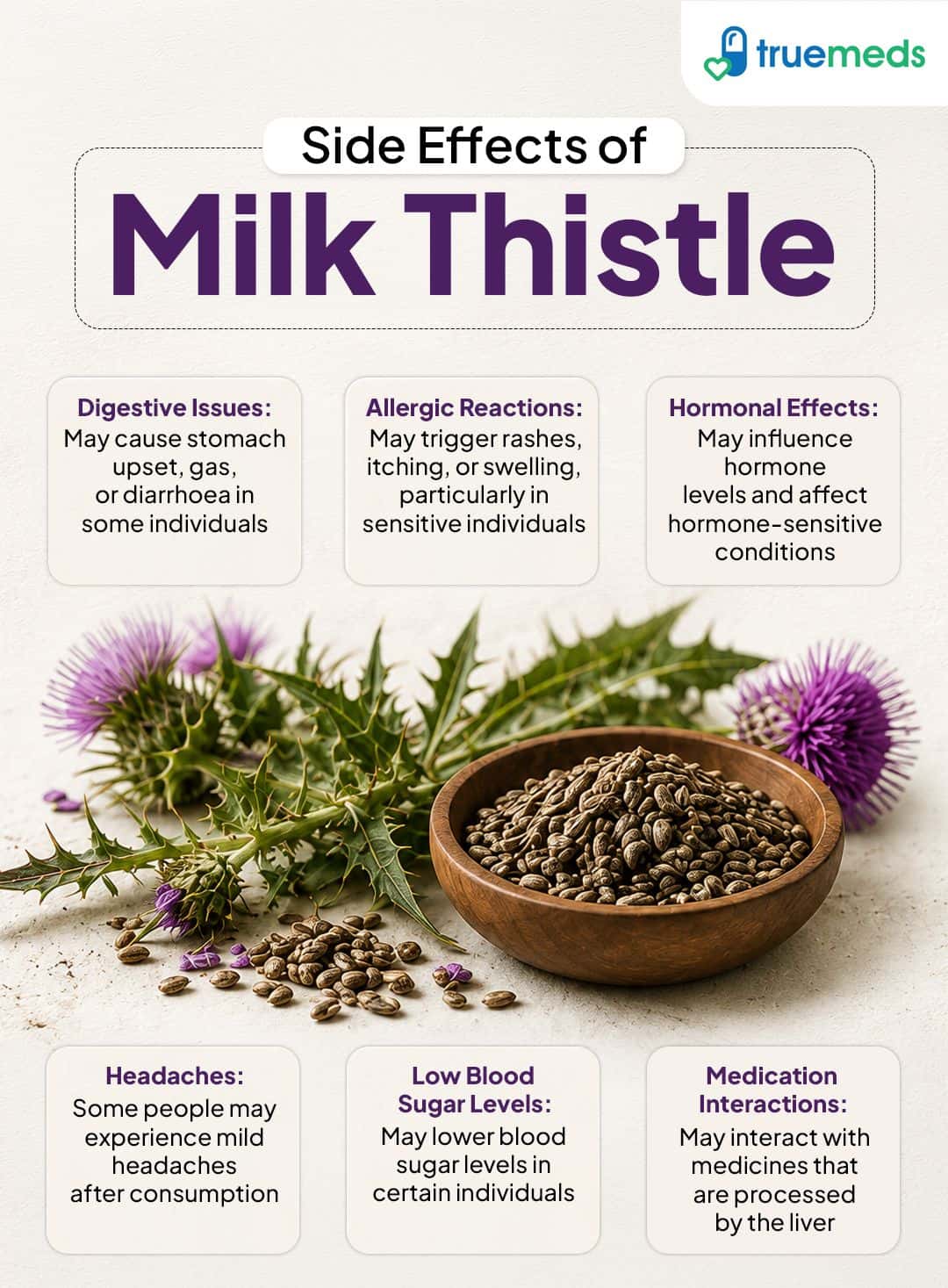
Side effects are usually mild. They can include:
- Digestive effects: Mild stomach upset, bloating, gas or loose stools are the most commonly reported side effects, particularly at higher doses.
- Allergic reactions: Milk thistle may cause rash, itching or swelling, especially in people who are allergic to plants in the Asteraceae family, such as ragweed, marigold or daisies.
- Hormone-sensitive conditions: Milk thistle has shown weak hormone-like activity in laboratory studies. People with hormone-sensitive conditions should consult their doctor before use.
- Headache: Headaches have been reported in some people, although they are uncommon.
- Blood sugar: Milk thistle may lower blood sugar levels. People with diabetes should monitor their blood sugar and seek medical advice before use.
Interaction of Milk Thistle With Other Drugs
Milk thistle may affect how the liver processes certain medicines. Evidence is mixed, so the safe approach is to tell your doctor or pharmacist you take it. Take particular care with:
- Blood thinners: Milk thistle may affect how these medicines work. If you take blood thinners, your doctor may recommend closer monitoring.
- Diabetes medicines: Milk thistle may enhance the blood sugar-lowering effects of these medicines. Blood sugar levels should be monitored, and your doctor may adjust your treatment if needed.
- Statins and other liver-metabolised medicines: Milk thistle may influence how the liver processes certain medicines. Consult your doctor before using them together.
- Some chemotherapy and antiviral medicines: Milk thistle may interact with medicines processed by the same liver enzymes. Seek specialist medical advice before use.
Storage of Milk Thistle
Store milk thistle capsules, tablets or powder in a cool, dry place, out of direct sunlight, with the container tightly closed. Keep liquid extracts as directed on the label, and keep all supplements out of the reach of children.
Key Takeaways
- Milk thistle (Silybum marianum) is a Western herb whose seeds contain silymarin, an antioxidant compound used to support the liver.
- It is not a classical Ayurvedic herb, and it is a supplement, not a treatment for liver disease.
- It may support the liver, digestion and antioxidant activity; evidence for cholesterol and weight loss is weak.
- A common dose is 200 to 420 mg of standardised silymarin a day, in divided doses, with food.
- Avoid it if allergic to the daisy/ragweed family, and check with a doctor if pregnant, diabetic, on blood thinners or before surgery.
- Serious liver problems need a doctor; do not rely on milk thistle alone.
FAQs
What is milk thistle used for?
Can milk thistle help with fatty liver?
Does milk thistle have an Indian name?
How is milk thistle taken?
Who should avoid milk thistle?
Which organ does milk thistle support?
References
- Çolak, I. A., & Çelik, S. A. (2025). Silybum marianum (L.) Gaertn.: A review of its traditional uses, phytochemistry, and pharmacological activities. Selcuk Journal of Agriculture and Food Sciences, (2025) 39(2), 487-493. https://dergipark.org.tr/en/download/article-file/3901015
- National Center for Complementary and Integrative Health. (n.d.). Milk thistle: Usefulness and safety. National Institutes of Health, U.S. Department of Health and Human Services. https://www.nccih.nih.gov/health/milk-thistle
- National Toxicology Program, National Institute of Environmental Health Sciences. (2011). Milk thistle extract/silymarin/silybin [Chemical background document]. U.S. Department of Health and Human Services, National Institutes of Health. https://ntp.niehs.nih.gov/sites/default/files/ntp/htdocs/chem_background/exsumpdf/milkthistleext_508.pdf


Explore other categories
Latest health articles




Top Health Essentials
Top-selling ayurvedic products












Disclaimer
Top-Selling Medicines:
...View more
Top-OTC medicines:
...View more
Top-selling healthcare devices:
...View more
Company
About UsHealth ArticleHealth StoriesHealth LibraryDiseases & Health ConditionsAyurvedaUnderstanding Generic MedicinesAll MedicinesAll BrandsNeed HelpFAQSecuritySavings CalculatorAdvertise with UsSubscribe
Registered Office Address
Grievance Officer
Download Truemeds


Contact Us
Our customer representative team is available 7 days a week from 9 am - 9 pm.
v4.28.18

2026 - Truemeds | All rights reserved. Our content is for informational purposes only. See additional information.
Our Payment Partners