- Medicines
- Personal Care
- Skin Cream
- Sunscreen
- Face Wash
- Skin and Body Soap
- Acne Care
- Body Lotions
- Moisturising Lotion
- Moisturising Cream
- Mosquito Repellent
- Moisturising Gel
- Body Wash
- Hair Oils
- Hair Shampoo
- Hair Conditioners
- Hair Supplements
- Hair Colour
- Hair Serum
- Hair Mask
- Hair Solutions
- Baby Diapers and Wipes
- Baby Lotion and Moisturising Cream
- Baby Bath Essentials
- Baby Skin Care
- Baby and Infant Food
- Baby Healthcare
- Women Multivitamins
- Ovulation Test Kit and Women Intimate Care
- Sanitary Pads
- Nutritional Drinks
- Condoms
- Lubricants
- Massage Gels
- Personal Body Massagers
- Men Performance Booster
- Sexual Health Supplements
- Massage Oils
- Ayurveda
- Tooth Paste
- Mouth Ulcer Gel
- Mouthwash
- Toothache and Gum Pain
- Tooth Brush
- Gargle Solution
- Orthopaedic Supports
- Adult Diapers
- Footwear
- Mobility and Support Accessories
- Urinary Support and Care
- Health Conditions
- Bone and Joint Care
- Digestive Care
- Eye Care
- Pain Relief
- Smoking Cessation
- Liver Care
- Stomach Care
- Cold and Cough
- Heart Care
- Kidney Care
- Piles, Fissures & Fistula
- Respiratory Care
- Mental Wellness
- Derma Care
- Pre and Probiotics
- Acidity
- Gas
- Constipation
- Loose Motion/Diarrhoea
- Digestive Fibres
- Digestive Enzymes
- Eye Lubricant Drops
- Lens Solution
- Safety Eye Wear
- Eye Cream
- Eye Vitamins and Supplements
- Eye Drops
- Eye Ointment and Gel
- Nicotine Patch
- Nicotine Gum
- Nicotine Lozenges
- Cough Syrups
- Chest Rubs and Balms
- Nasal Spray
- Lozenges
- Inhalant Capsules
- Cold and Cough Tablets
- Vitamins & Supplements
- Diabetes Care
- Healthcare Devices
- Homeopathic Medicine
- Health Guide
Chopchini
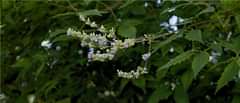
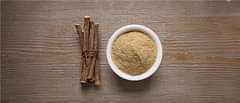
Chopchini, also known as China root (botanical name Smilax china), is a root-derived Ayurvedic herb. It is traditionally used to support joint comfort, skin health and digestion, and is traditionally associated with anti-inflammatory, antioxidant and detoxifying (Ama-clearing) actions. Chopchini is generally taken as a powder or capsule, under the guidance of a qualified Ayurvedic practitioner or doctor.
 50
Last updated on : 23 Sep, 2026
Read time : 11 mins

What is Chopchini?
The name Chopchini is traditionally understood to reflect the herb's long-standing association with China, the region from which the dried root was historically traded into the Indian subcontinent; "Chini" is a common Hindi qualifier meaning "of China". The herb is described in classical Ayurvedic literature and in traditional Chinese medicine, and the root of the plant, native to East Asia and long used across India and China, is the part traditionally used medicinally.
In Ayurveda, Chopchini is classified as follows. Rasa (taste): Tikta (bitter). Virya (potency): Ushna (hot). Vipaka (post-digestive effect) and Gana/Varga (classical grouping): not established in the sources available for this audit. Dosha action: Chopchini is traditionally understood to pacify aggravated Vata and Kapha, which is why it is traditionally associated with joint comfort, skin health and respiratory support.
Key Facts
| Feature | Details |
| Botanical name | Smilax china |
| Family | Smilacaceae |
| Part used | Root (rhizome)
|
| Ayurvedic properties | Rasa: Tikta (bitter). Virya: Ushna (hot). Dosha action: pacifies Vata and Kapha.
|
| Key active compounds | Steroidal saponins (including dioscin and protodioscin) and the flavonoid astilbin have been identified in Smilax china root (Tian et al., 2017).
|
| Traditional uses | Joint and muscular comfort, skin conditions, digestion, and traditional Ama clearance |
| Common forms | Powder, capsules, and herbal formulations for oral or topical use |
| General dosage | Do not exceed the amount advised by a doctor or Ayurvedic practitioner |
| Best taken | Traditionally taken with honey or warm milk, after meals, as advised by a practitioner
|
| Key safety note | Should not be used without medical supervision in pregnancy, breastfeeding, childhood, old age, or when taking prescribed medicines |
Alternative Names of Chopchini
Chopchini is known by several regional and classical names, set out below:
- Sanskrit: Dweepantar Vacha, Madhusnuhi
- Hindi: Chopchini, Chobchini, Madhusnuhi
- English: China Root, Bamboo Bariar Root
- Arabic: Kashussini, Kashab Chinac
- Marathi: Gootti
- Bengali: Harsha Shukonhina Khohini
- Punjabi: Chobchini
- Kannada: Chinipam
- Malayalam: China Paivu, Paira
- Tamil: Parangichekkai
Chemical Constituents of Chopchini
Laboratory studies on Smilax china root have identified the following groups of compounds.
- Steroidal saponins, including dioscin, protodioscin and methylprotodioscin
- Astilbin, a flavonoid reported as a notable constituent across Smilax species
- Phenolic compounds and stilbenoids
These findings come from Tian et al. (2017), a peer-reviewed review of steroidal saponins across the Smilax genus.
Medicinal Properties of Chopchini
Chopchini is traditionally credited with the following actions on the body, some of which are also being investigated in laboratory research.
- Anti-inflammatory: may help modulate inflammatory activity, supported by laboratory research on Smilax china compounds
- Antioxidant: traditionally believed to help protect against oxidative stress in the body
- Antimicrobial: laboratory studies report activity against certain bacteria
- Carminative and digestive (Deepan): traditionally used to stimulate digestive fire and ease bloating
- Detoxifying (Ama-clearing): traditionally used in Ayurveda to support the management of Ama
The anti-inflammatory action has been investigated in laboratory studies on Smilax china constituents (Khan et al., 2009; Tian et al., 2017). Chopchini also forms part of Chopchinyadi Churna, a classical Ayurvedic formulation used traditionally for joint-related conditions, studied for standardisation by Pal et al. (2019), though that study examined quality-control parameters of the compound formulation rather than clinical benefit of Chopchini alone.
Key Health Benefits of Chopchini
Chopchini is traditionally used in Ayurveda to support joint and muscular comfort, skin health and digestion. It is also traditionally used for respiratory comfort and as part of Ayurvedic practices intended to support Ama clearance. However, human evidence for these specific health benefits is limited, so Chopchini should not replace medical treatment for diagnosed conditions.
1. Joint and Muscular Comfort
Chopchini is traditionally used in Ayurvedic management of joint stiffness and discomfort, including conditions such as rheumatoid arthritis and gout. Its traditional anti-inflammatory action is believed to help ease swelling and support the Ayurvedic management of Ama, which is traditionally linked to joint problems. It is used alongside, not instead of, medical treatment for arthritis.
2. Skin Health
Chopchini is traditionally used to support skin conditions such as eczema and psoriasis. Its traditional anti-inflammatory and antioxidant properties are associated with supporting skin health. It provides symptomatic support only and does not treat the underlying skin condition; persistent or worsening skin symptoms need medical assessment.
3. Detoxification (Ama Clearance)
In Ayurveda, Chopchini is traditionally used to help clear Ama, described in Ayurveda as accumulated metabolic waste, from the body. This is traditionally associated with easier digestion and general metabolic wellbeing. As with any detoxifying herb, it should be taken at the advised dose only, since overuse can itself cause digestive upset.
4. Respiratory Comfort
By helping to balance Kapha, Chopchini is traditionally used to support clear airways and maintain respiratory comfort. It is used for general respiratory comfort and is not a treatment for asthma, bronchitis or any diagnosed respiratory condition, which require assessment and treatment by a doctor.
5. Digestive Support
Chopchini is traditionally used to stimulate the digestive fire (Agni) and support digestion. This traditional Deepan (appetiser) action is associated with easier digestion of food and may help ease bloating and mild constipation, alongside a balanced diet.
Common Uses of Chopchini
Chopchini is traditionally used in Ayurvedic preparations for general wellbeing, joint discomfort and digestive complaints. It may also be applied topically as a supportive measure for localised joint discomfort and is described in some classical texts as a Rasayana, or rejuvenative herb. These uses are based on traditional Ayurvedic practice and are not established medical treatments.
1. Combined with Other Herbs for General Wellbeing
Chopchini is traditionally combined with herbs such as Anantmool (Hemidesmus indicus) as part of broader Ayurvedic formulations aimed at supporting joint and general wellbeing. Such combinations are prepared and dosed only by a qualified Ayurvedic practitioner.
2. Topical Use for Joint Discomfort
A paste of Chopchini prepared with hot water is traditionally applied to the joints to help ease localised discomfort and swelling. This is used as a topical, supportive measure and not as a substitute for medical treatment of joint disease.
3. Traditional Use for Digestive Complaints
Chopchini powder is traditionally used to help with bloating, mild constipation and abdominal discomfort, taken as part of a wider dietary approach and at the dose advised by a practitioner.
4. Traditional Rasayana (Rejuvenative) Use
Some classical texts describe Chopchini as a Rasayana, or rejuvenative herb, used traditionally in connection with the skin, joints and glandular tissue. This is a traditional classification and is not a claim of proven clinical benefit.
Precaution While Taking Chopchini
The following precautions should be read before starting Chopchini in any form.
1. Medical Consultation
Speak to a doctor or qualified Ayurvedic practitioner before taking Chopchini, especially if you are pregnant or breastfeeding, or if you have an existing digestive, skin or inflammatory condition. Anyone already taking prescribed medicines should also consult their doctor before use.
2. Dosage Considerations
Do not exceed the dose advised by your doctor or Ayurvedic practitioner. Taking more than the recommended amount can cause digestive discomfort.
3. Use in Children and Older Adults
There is limited information on the safety of Chopchini in children and older adults. It should only be used in these groups under the direct guidance of a doctor or Ayurvedic practitioner, since safety information in these age groups is limited.
Note: This information is general and does not replace advice from your registered medical practitioner. See the Recommended Dosage and Interaction sections before use.
How to Use Chopchini
Chopchini can be taken in the following ways, depending on the form used.
Using Chopchini Powder
Take the powder as advised by your doctor or Ayurvedic practitioner. It may be mixed with honey or warm milk to make the taste easier to tolerate, and is generally taken after meals.
Taking Chopchini Tablets
Swallow the tablet whole with a glass of water, generally after meals, at the dose and frequency advised by your doctor or Ayurvedic practitioner.
Herbs Traditionally Used With Chopchini
Chopchini is traditionally combined with the following herbs in Ayurvedic practice, always under a practitioner's guidance.
Herb | Traditional Use With Chopchini |
Anantmool (Hemidesmus indicus) | Traditionally combined with Chopchini to help with headache and general joint discomfort. Also called Indian sarsaparilla; do not confuse it with Chopchini itself, which is sometimes loosely called China root or Chinese sarsaparilla. |
Twak (Cinnamomum verum, Cinnamon bark) | Twak is traditionally added to Chopchini preparations boiled in milk, traditionally used to support joint and nerve-related conditions in Ayurvedic texts. |
Ela (Elettaria cardamomum, Cardamom) | Traditionally included alongside Chopchini in milk-based Ayurvedic preparations to improve palatability and support digestion. |
Recommended Dosage of Chopchini
Dosage should always be confirmed with a doctor or Ayurvedic practitioner, since it can vary with age, health status and the form used. General guidance is given below.
Adults
Typically 1 to 3 grams of Chopchini powder, taken up to twice daily after meals, or one tablet taken twice daily, or as advised by a doctor or Ayurvedic practitioner.
Elderly Adults
Older adults are generally advised to start at the lower end of the adult range and to use Chopchini only under a doctor's or practitioner's supervision, since age-related changes in digestion and kidney function can affect how the body responds to herbal remedies.
Teenagers
There is limited published information on Chopchini dosing in teenagers. Use only under the direct guidance of a doctor or Ayurvedic practitioner.
Children
Chopchini is not recommended for children unless specifically advised and supervised by a doctor or qualified Ayurvedic paediatric practitioner, as there is not enough safety information to support routine use in this age group.
Side Effects of Chopchini
Chopchini may be tolerated by some people at the advised dose, but the following side effects may occur, particularly with higher doses.
1. Diarrhoea
Taking more than the advised amount of Chopchini may cause diarrhoea or digestive upset. If diarrhoea develops, stop use and seek medical advice, since ongoing diarrhoea can lead to dehydration.
2. Gastrointestinal Discomfort
Some people may experience bloating, nausea or stomach cramps, particularly with higher doses. Taking it only at the advised dose may help reduce this risk.
3. Allergic Reactions
Allergic reactions are uncommon but can occur, particularly in people allergic to plants in the Smilacaceae family. Signs include skin rash, itching or swelling. Stop use and seek medical advice if these occur.
Interaction of Chopchini With Other Drugs
Chopchini may interact with certain medicines. Always tell your doctor about any herbal products you are taking, including Chopchini.
Anti-inflammatory painkillers
Taking Chopchini alongside anti-inflammatory painkillers may increase the chance of stomach irritation. Tell your doctor if you use these regularly.
Blood sugar-lowering medicines
Chopchini may affect blood sugar levels. If you take medicine to manage your blood sugar, tell your doctor before starting Chopchini, so your levels can be monitored.
Diuretics (water tablets)
Combining Chopchini with diuretics may increase the risk of fluid loss. Tell your doctor if you are taking a diuretic before starting Chopchini.
Storage of Chopchini
Store Chopchini powder, capsules or tablets in a cool, dry place, in a tightly sealed container, away from direct sunlight and moisture. Keep them out of reach of children. Check the pack for an expiry date and do not use the product beyond it.
Key Takeaways
- Chopchini (Smilax china), also known as China root, is traditionally used in Ayurveda for joint comfort, skin health and Ama clearance.
- Its traditional actions are linked to anti-inflammatory, antioxidant and digestive (Deepan) properties, with some laboratory support for its anti-inflammatory activity.
- It is generally taken as a powder or capsule, with honey or warm milk, at the dose advised by a doctor or Ayurvedic practitioner.
- Overuse can cause diarrhoea, dehydration and other digestive discomfort, and Chopchini may interact with anti-inflammatory painkillers, blood sugar-lowering medicines and diuretics.
- Pregnant or breastfeeding women, children, older adults and anyone with a chronic condition or taking prescribed medicines should speak to a doctor before use.
FAQs
Is Chopchini suitable for use as a flavouring agent?
Can Chopchini be used as a condiment?
How does Chopchini taste?
What is the botanical name of Chopchini?
What are the benefits of Chopchini for skin?
How should Chopchini powder be used?
Can Chopchini trigger asthma or breathing problems?
References
- Khan, I., Nisar, M., Ebad, F., Nadeem, S., Saeed, M., Khan, H., Samiullah, Khuda, F., Karim, N., & Ahmad, Z. (2009). Anti-inflammatory activities of Sieboldogenin from Smilax china Linn.: Experimental and computational studies. Journal of Ethnopharmacology, 121(1), 175–177. https://doi.org/10.1016/j.jep.2008.10.009
- Pal, R. S., Pal, Y., Wal, P., & Wal, A. (2019). Standardization and detailed aspects of Chopchinyadi Churna: A potent anti-arthritic medicine. Open Medicine Journal, 6(1), 19-25. https://doi.org/10.2174/1874220301906010019
- Tian, L. W., Zhang, Z., Long, H. L., & Zhang, Y. J. (2017). Steroidal saponins from the genus Smilax and their biological activities. Natural Product and Bioprospecting, 7, 283-298. https://doi.org/10.1007/s13659-017-0139-5

Explore other categories
Latest health articles





Top Health Essentials





Top-selling ayurvedic products












Disclaimer
Top-Selling Medicines:
...View more
Top-OTC medicines:
...View more
Top-selling healthcare devices:
...View more
Company
About UsHealth ArticleHealth StoriesHealth LibraryDiseases & Health ConditionsAyurvedaUnderstanding Generic MedicinesAll MedicinesAll BrandsNeed HelpFAQSecuritySavings CalculatorAdvertise with UsSubscribe
Registered Office Address
Grievance Officer
Download Truemeds


Contact Us
Our customer representative team is available 7 days a week from 9 am - 9 pm.
v4.28.23

2026 - Truemeds | All rights reserved. Our content is for informational purposes only. See additional information.

Our Payment Partners