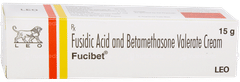
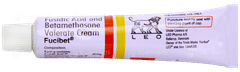
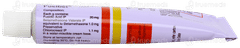

 Composition
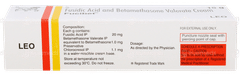
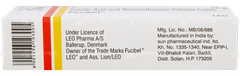
Fucibet Cream may be prescribed for infected eczema or dermatitis when the doctor identifies signs of bacterial involvement alongside inflammation. The antibiotic component helps control susceptible bacteria, while the corticosteroid reduces associated discomfort and inflammation. However, uncomplicated eczema does not routinely require an antibiotic, and prolonged use can contribute to antibiotic resistance. Fucibet is not appropriate for acne, rosacea or untreated fungal skin infections. Your doctor should reassess the condition if it does not improve as expected.
Apply Fucibet Cream exactly as prescribed by your doctor. Gently clean and dry the affected skin before spreading a thin layer over the area requiring treatment. Wash your hands afterwards unless they are being treated. Avoid contact with the eyes, mouth and other mucous membranes. Do not apply the cream to large areas, deeply damaged skin or beneath airtight dressings unless specifically instructed. Follow the prescribed treatment duration and avoid extending it independently. Gentle skincare and suitable moisturisers may support eczema management when recommended.
Possible side effects of Fucibet Cream include local burning, stinging, itching, redness and irritation. Prolonged or excessive use may cause skin thinning, stretch marks, visible small blood vessels and changes in skin colour. Corticosteroids can also mask worsening infection or occasionally cause systemic effects when absorbed in significant amounts. Contact your doctor if the rash spreads, irritation becomes severe or signs of infection worsen. Seek urgent medical attention for a serious allergic reaction.
Before using Fucibet Cream, tell your doctor about allergies to fusidic acid, betamethasone or other topical medicines. Mention untreated fungal or viral skin infections, rosacea, acne or previous steroid-related skin problems. Children require particular caution because they may absorb proportionally more corticosteroid through their skin. Discuss pregnancy and breastfeeding before treatment. Avoid applying the cream to the breasts before feeding. Your doctor should review persistent or recurrent symptoms rather than recommending repeated courses without reassessing the diagnosis.