

- Medicines
- Personal Care
- Skin Cream
- Sunscreen
- Face Wash
- Skin and Body Soap
- Acne Care
- Body Lotions
- Moisturising Lotion
- Moisturising Cream
- Mosquito Repellent
- Moisturising Gel
- Body Wash
- Hair Oils
- Hair Shampoo
- Hair Conditioners
- Hair Supplements
- Hair Colour
- Hair Serum
- Hair Mask
- Hair Solutions
- Baby Diapers and Wipes
- Baby Lotion and Moisturising Cream
- Baby Bath Essentials
- Baby Skin Care
- Baby and Infant Food
- Baby Healthcare
- Women Multivitamins
- Ovulation Test Kit and Women Intimate Care
- Sanitary Pads
- Nutritional Drinks
- Condoms
- Lubricants
- Massage Gels
- Personal Body Massagers
- Men Performance Booster
- Sexual Health Supplements
- Massage Oils
- Ayurveda
- Tooth Paste
- Mouth Ulcer Gel
- Mouthwash
- Toothache and Gum Pain
- Tooth Brush
- Gargle Solution
- Orthopaedic Supports
- Adult Diapers
- Footwear
- Mobility and Support Accessories
- Urinary Support and Care
- Health Conditions
- Bone and Joint Care
- Digestive Care
- Eye Care
- Pain Relief
- Smoking Cessation
- Liver Care
- Stomach Care
- Cold and Cough
- Heart Care
- Kidney Care
- Piles, Fissures & Fistula
- Respiratory Care
- Mental Wellness
- Derma Care
- Pre and Probiotics
- Acidity
- Gas
- Constipation
- Loose Motion/Diarrhoea
- Digestive Fibres
- Digestive Enzymes
- Eye Lubricant Drops
- Lens Solution
- Safety Eye Wear
- Eye Cream
- Eye Vitamins and Supplements
- Eye Drops
- Eye Ointment and Gel
- Nicotine Patch
- Nicotine Gum
- Nicotine Lozenges
- Cough Syrups
- Chest Rubs and Balms
- Nasal Spray
- Lozenges
- Inhalant Capsules
- Cold and Cough Tablets
- Vitamins & Supplements
- Diabetes Care
- Healthcare Devices
- Homeopathic Medicine
- Health Guide
Ayurveda
Everything you need to know about Ayurvedic Ingredients

Common Ayurvedic Ingredients
Browse by categories

Ayurvedic Ingredients: A-Z


Ayurvedic ingredients starting with 'm'
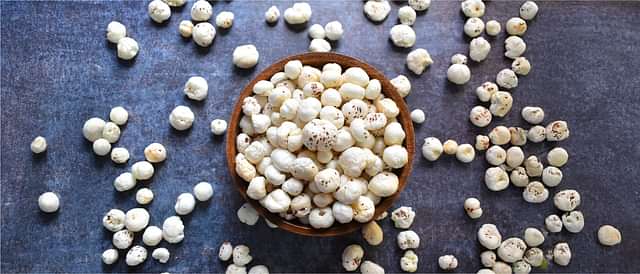
Makhana, also known as fox nuts, is one of the most ancient and, simultaneously, one of the modern superfoods. Seeds for makhana are obtained from the water lily flower Euryale ferox and have been used in Ayurvedic medicine and Indian cuisine for ages. Rich in protein, fibre, and magnesium, makhana is fast becoming famous for its health benefits, thereby being the perfect snack for nutrition-conscious people who seek a taste. Makhana is a versatile and healthy add-on that can help with nearly everything, from maintaining a healthy heart to helping with weight loss.
29th Jul 2025
|
14 mins read
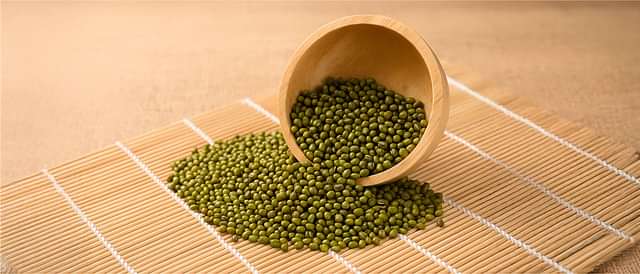
Moong Daal is a widely used pulse relished in several countries, particularly in Asia. This small green bean has been in traditional medicine for many years due to its health benefits. The nutritional profile of Mung Beans includes high amounts of protein, dietary fibre, vitamins, and minerals that are beneficial for the body. They consist of several molecular fractions, which, if consumed, may enhance human health by regulating blood glucose, cholesterol, and cardiovascular health. Also, moong bean is believed to offer prevention against specific diseases and strengthen immunity. Ayurveda recommends it under daily consumable foods and considers it the best among pulses, as it is rich in nutritional qualities and is known to balance Kapha and Pitta dosha in the body. Due to these many health benefits, Mung Beans are categorised as a functional food that can improve diet quality.
28th Jul 2025
|
12 mins read
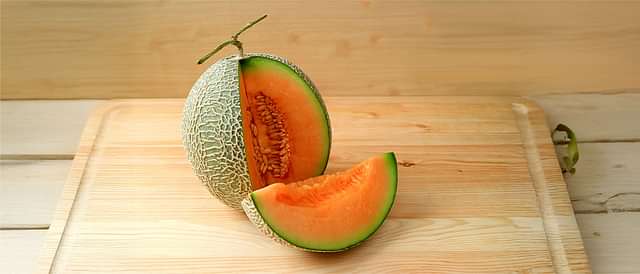
Muskmelon (Cucumis melo), known in India as kharbuja, is a sweet, juicy summer fruit from the gourd family. It is made up of roughly 90 percent water and supplies vitamin C, vitamin A and potassium. In Ayurveda it is regarded as a cooling, hydrating fruit. It is eaten fresh, juiced or added to salads, and is valued mainly for hydration and everyday nourishment during hot weather.
14th Jul 2025
|
13 mins read
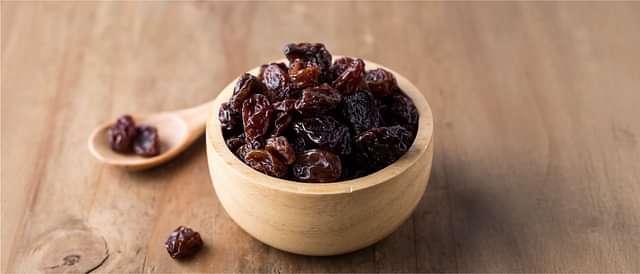
Munakka, or black raisins, is a large dried grape (Vitis vinifera) used in Ayurveda, where it is known as Draksha. It is traditionally taken to support digestion, ease constipation and soothe a dry throat. It is a dried fruit and is roughly two thirds sugar by weight, so it is best eaten in small amounts. Most people eat 5 to 7 pieces a day, often soaked overnight.
5th Jul 2025
|
15 mins read
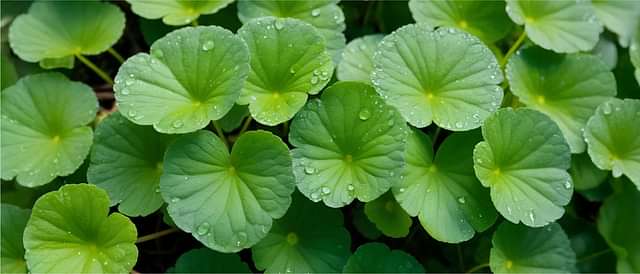
Mandukaparni, also known as Gotu Kola (Centella asiatica), is a herb used in Ayurveda for its traditional role in supporting memory, concentration and mental clarity. It is commonly taken to help ease stress and to support skin healing. Mandukaparni is also traditionally valued as part of general mental and skin wellness practices.
5th Jul 2025
|
13 mins read
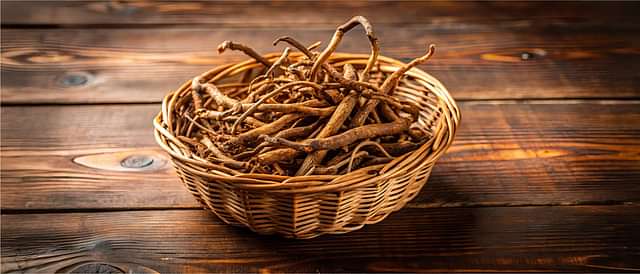
Manjishtha (Rubia cordifolia), also called Indian madder, is a climbing herb whose red root is widely used in Ayurveda. It is traditionally classified as raktaprasadana, an Ayurvedic concept associated with maintaining the normal quality of rakta dhatu. It is taken as a powder, tablet, capsule or decoction, and is also applied to the skin. It should be used with care and under appropriate professional guidance.
5th Jul 2025
|
13 mins read
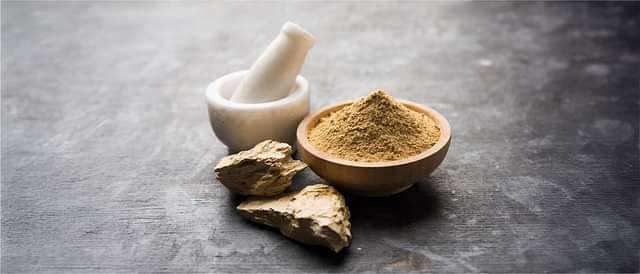
Multani Mitti, also known as Fuller's Earth, is a natural absorbent clay long used in Ayurvedic and traditional South Asian skincare. It is applied externally as a face or hair mask to help absorb excess oil and impurities from oily or acne-prone skin, and to cleanse the scalp of buildup that can contribute to dandruff. It is used for cosmetic, external purposes only and is not intended for internal use.
30th Jun 2025
|
15 mins read
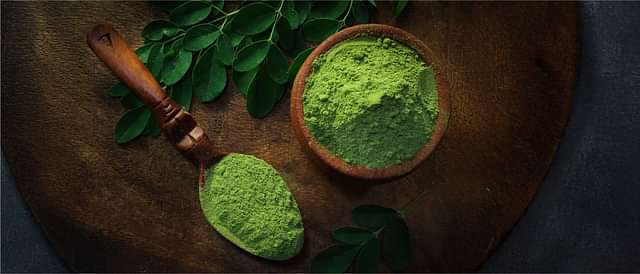
Moringa, the ‘miracle tree’, has been associated with many health values and uses. Moringa contains a yellow crystalline content known as ‘hyperoside,’ which, rich in vitamins, minerals, and antioxidants, has been used in traditional medicines to increase energy, strengthen the immune system, and enhance general well-being. The leaves, seeds, and roots of the plant contain essential nutrients that make Moringa one of the most popular superfoods globally.
24th Jun 2025
|
15 mins read
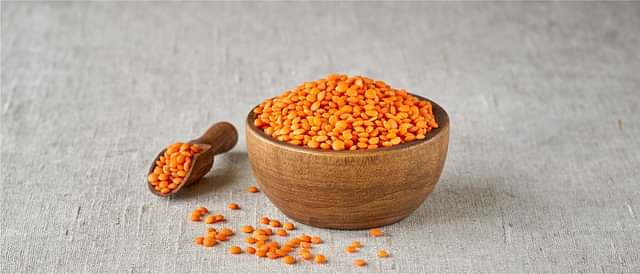
Masoor dal, also known as red lentils, is a widely eaten legume in Indian cooking. It is valued for its nutritional content and in Ayurveda for its protein, fibre and iron content, and is traditionally used to support digestion and general wellness. Masoor dal is eaten as a cooked dal, and its powder is also used topically as a natural skin exfoliant. It is generally well tolerated, though people with legume allergies or kidney disease should take care.
24th Jun 2025
|
12 mins read
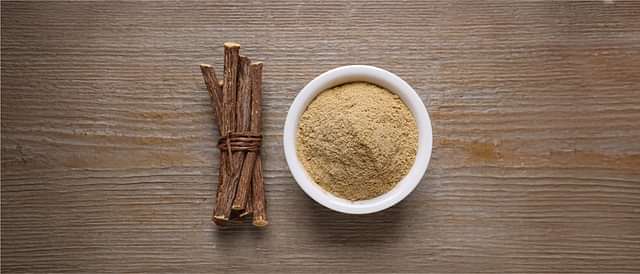
Mulethi (liquorice, Glycyrrhiza glabra), known as Yashtimadhu in Ayurveda, is the sweet root of a plant belonging to the legume family. It has traditionally been used to soothe the throat, support the voice, help relieve hyperacidity and support an even-looking skin tone. It is available as a powder, tea, tablet or syrup. Because it contains glycyrrhizin, which can increase blood pressure and reduce potassium levels when consumed in large amounts or over prolonged periods, it should be used in moderation and is not suitable for everyone.
23rd Jun 2025
|
14 mins read
Latest health articles





Top Health Essentials

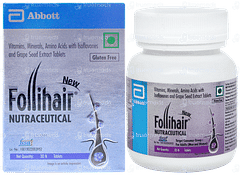
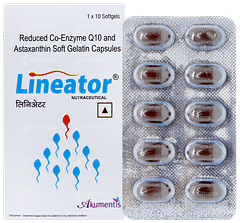
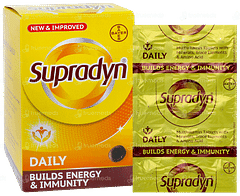
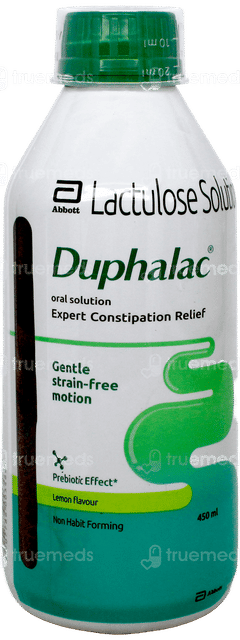

Top-selling ayurvedic products
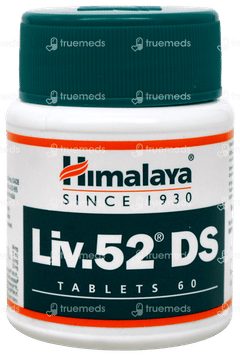
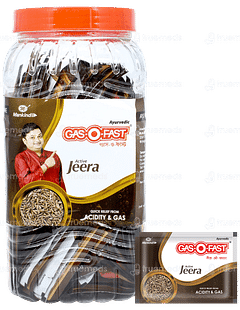
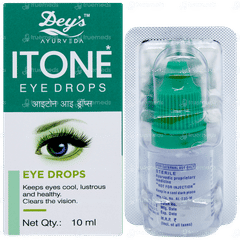
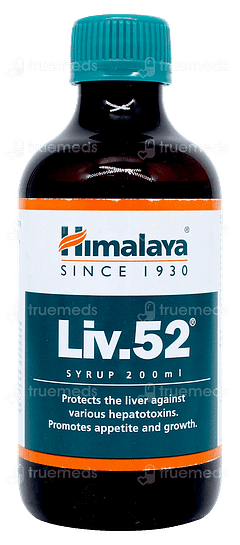












Top-Selling Medicines:
...View more
Top-OTC medicines:
...View more
Top-selling healthcare devices:
...View more
Company
About UsHealth ArticleHealth StoriesHealth LibraryDiseases & Health ConditionsAyurvedaUnderstanding Generic MedicinesAll MedicinesAll BrandsNeed HelpFAQSecuritySavings CalculatorAdvertise with UsSubscribe
Registered Office Address
Grievance Officer
Download Truemeds


Contact Us
Our customer representative team is available 7 days a week from 9 am - 9 pm.
v4.28.14

2026 - Truemeds | All rights reserved. Our content is for informational purposes only. See additional information.

Our Payment Partners




