

- Medicines
- Personal Care
- Skin Cream
- Sunscreen
- Face Wash
- Skin and Body Soap
- Acne Care
- Body Lotions
- Moisturising Lotion
- Moisturising Cream
- Mosquito Repellent
- Moisturising Gel
- Body Wash
- Hair Oils
- Hair Shampoo
- Hair Conditioners
- Hair Supplements
- Hair Colour
- Hair Serum
- Hair Mask
- Hair Solutions
- Baby Diapers and Wipes
- Baby Lotion and Moisturising Cream
- Baby Bath Essentials
- Baby Skin Care
- Baby and Infant Food
- Baby Healthcare
- Women Multivitamins
- Ovulation Test Kit and Women Intimate Care
- Sanitary Pads
- Nutritional Drinks
- Condoms
- Lubricants
- Massage Gels
- Personal Body Massagers
- Men Performance Booster
- Sexual Health Supplements
- Massage Oils
- Ayurveda
- Tooth Paste
- Mouth Ulcer Gel
- Mouthwash
- Toothache and Gum Pain
- Tooth Brush
- Gargle Solution
- Orthopaedic Supports
- Adult Diapers
- Footwear
- Mobility and Support Accessories
- Urinary Support and Care
- Health Conditions
- Bone and Joint Care
- Digestive Care
- Eye Care
- Pain Relief
- Smoking Cessation
- Liver Care
- Stomach Care
- Cold and Cough
- Heart Care
- Kidney Care
- Piles, Fissures & Fistula
- Respiratory Care
- Mental Wellness
- Derma Care
- Pre and Probiotics
- Acidity
- Gas
- Constipation
- Loose Motion/Diarrhoea
- Digestive Fibres
- Digestive Enzymes
- Eye Lubricant Drops
- Lens Solution
- Safety Eye Wear
- Eye Cream
- Eye Vitamins and Supplements
- Eye Drops
- Eye Ointment and Gel
- Nicotine Patch
- Nicotine Gum
- Nicotine Lozenges
- Cough Syrups
- Chest Rubs and Balms
- Nasal Spray
- Lozenges
- Inhalant Capsules
- Cold and Cough Tablets
- Vitamins & Supplements
- Diabetes Care
- Healthcare Devices
- Homeopathic Medicine
- Health Guide
Ayurveda
Everything you need to know about Ayurvedic Ingredients

Common Ayurvedic Ingredients

Browse by categories

Ayurvedic Ingredients: A-Z


Ayurvedic ingredients starting with 'c'
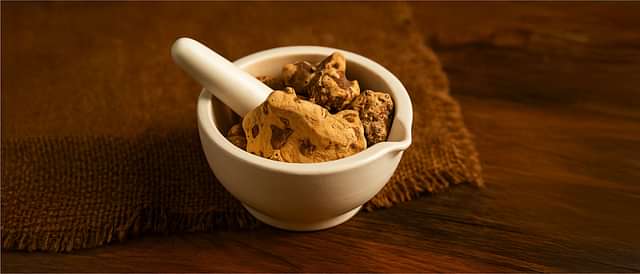
Chopchini, also known as China root (botanical name Smilax china), is a root-derived Ayurvedic herb. It is traditionally used to support joint comfort, skin health and digestion, and is traditionally associated with anti-inflammatory, antioxidant and detoxifying (Ama-clearing) actions. Chopchini is generally taken as a powder or capsule, under the guidance of a qualified Ayurvedic practitioner or doctor.
31st Jul 2025
|
11 mins read
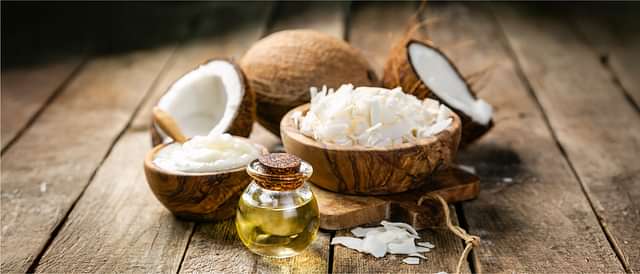
Coconut, scientifically recognised as Cocos nucifera, is one of the world's most beneficial and multifunctional fruits. It originated in tropical areas and is widely used in most homes today. Coconut oil is rich in proteins, vitamins, and minerals, making it an essential part of many traditional diets. That is not all; it is also commonly used in skincare industries, hair industries, and so on. Coconuts have many health benefits since they are rich in essential fatty acids.
31st Jul 2025
|
13 mins read
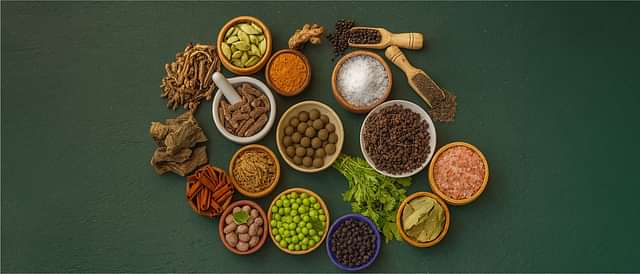
Chandraprabha Vati is a classical Ayurvedic tablet, described in the Sharangadhara Samhita, made from about 37 ingredients. These include herbs such as Triphala and Guggulu; Shilajit; camphor; three types of lavana; and the mineral preparations Loha Bhasma and Swarna Makshika Bhasma. It is traditionally used for Prameha, the Ayurvedic group of urinary and metabolic disorders, and for difficult or painful urination. Classical texts also describe it as a Rasayana, a rejuvenative formulation traditionally used to support strength and vitality.
31st Jul 2025
|
22 mins read
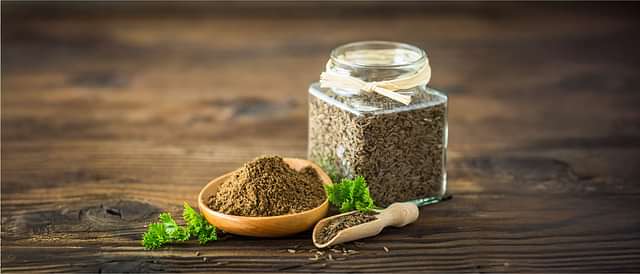
Cumin (jeera) is a popular spice known for its distinctive flavour and numerous health benefits. It has been widely used in traditional medicine and culinary practices worldwide. Cumin seeds, powder, and cumin-infused water have been utilized for centuries for their wide range of medicinal uses. This culinary herb is rich in constituents that aid digestion, reduce inflammation, and promote overall health. The importance of this spice, be it in seed, powder, or cumin water, cannot be ignored in terms of health benefits.
31st Jul 2025
|
12 mins read
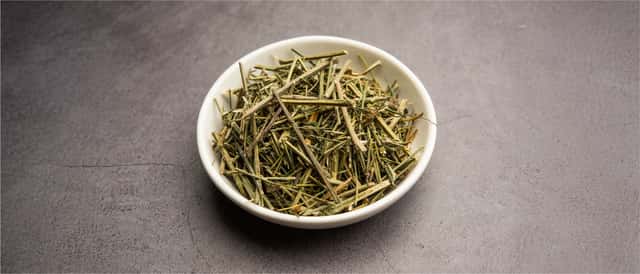
Chirata or Swertia chirata is an alpine plant from the Himalayan region which grows at an altitude of 1200 – 2100 metres. It has been incorporated into many traditional systems of medicine, including Ayurveda and Unani, and it is usually prescribed for many ailments, including liver disorders, malaria, and diabetes. It has a very bitter taste that originates from natural chemicals that benefit human beings. However, the Chirata plant is listed as an endangered species in the wild because of the overwhelming market demand and excessive harvesting. Attempts are being made to protect Chirata plants from extinction, and researchers and farmers are exploring ways to cultivate Chirata plants with the help of the latest plant science technology.
28th Jul 2025
|
13 mins read
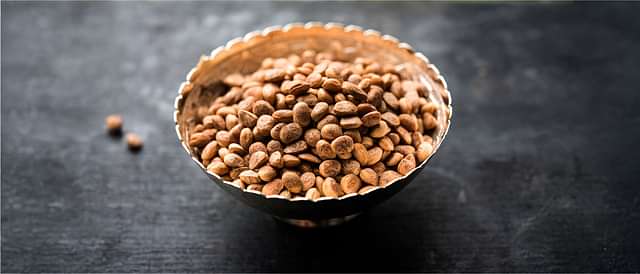
Chironji, also called Priyal, is the small, almond-flavoured seed of the Buchanania lanzan tree, which is native to the central and northern forests of India. In Ayurveda and Indian cooking, its roasted or raw seeds are traditionally used to support digestion, and they are a popular ingredient in sweets such as kheer. The seeds are also ground into a paste for traditional topical skincare use.
28th Jul 2025
|
14 mins read

Cranberries are small, nutrient-dense fruits packed with antioxidants, vitamins, and fibre. Cranberries have many health benefits. They are good for urinary tract health. Cranberry juices and syrup can help prevent infections. They are rich in vitamins C and E. They boost the immune system and support heart health by reducing oxidative stress. Cranberry supplements, like cranberry tablets, support urinary and digestive health. Cranberries are generally considered safe for pregnant women and improve digestion and hydration. Also, cranberry juice benefits males by supporting heart function. This article will explore cranberry benefits, nutritional value, and precautions.
28th Jul 2025
|
11 mins read
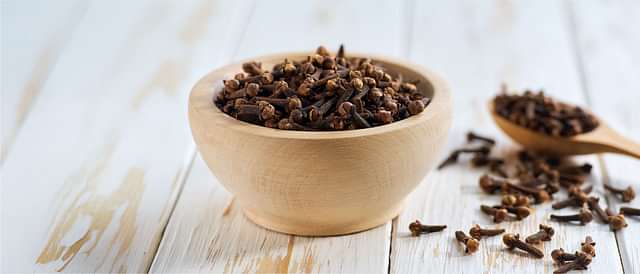
Clove (Laung) is the dried flower bud of Syzygium aromaticum, a spice that has been long used in Ayurveda. It is valued for its warming, aromatic properties and its main active compound, eugenol. Clove is traditionally used to support digestion, help relieve occasional cough and freshen the mouth. It is commonly consumed in small amounts as whole buds, powder, tea or properly diluted oil.
18th Jul 2025
|
12 mins read
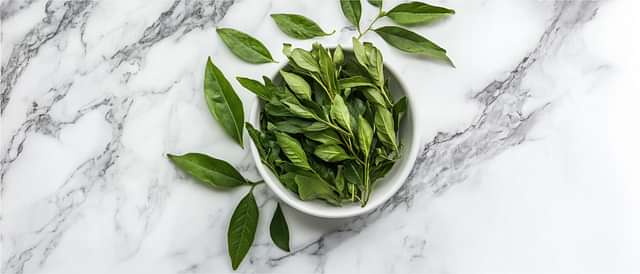
Curry leaves are the aromatic leaves of Murraya koenigii, a small tree of the citrus family, known in Ayurveda as Kaidarya and in Hindi as kadi patta. They are used as a kitchen herb across India and are also a traditional Ayurvedic remedy. In Ayurveda, they are traditionally used mainly to support digestion and appetite, and are also traditionally applied to the hair and scalp.
10th Jul 2025
|
19 mins read
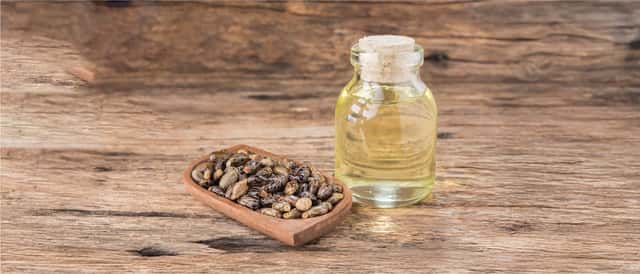
From its diversified health and beauty benefits to a wide range of utilities, castor oil is one of the major candidates for a long medical tradition. “Arandi ka tel” is a multi-use commodity derived from the castor plant Ricinus communis seeds. Castor oil meaning goes beyond just being a versatile oil extracted from castor beans. From hair growth to constipation, this oil proves helpful in all ways. The blog will cover various topics regarding castor oil, such as what castor oil is used for, benefits to health, safety measures, and production methods.
30th Jun 2025
|
12 mins read
Latest health articles





Top Health Essentials







Top-selling ayurvedic products













Top-Selling Medicines:
...View more
Top-OTC medicines:
...View more
Top-selling healthcare devices:
...View more
Company
About UsHealth ArticleHealth StoriesHealth LibraryDiseases & Health ConditionsAyurvedaUnderstanding Generic MedicinesAll MedicinesAll BrandsNeed HelpFAQSecuritySavings CalculatorAdvertise with UsSubscribe
Registered Office Address
Grievance Officer
Download Truemeds


Contact Us
Our customer representative team is available 7 days a week from 9 am - 9 pm.
v4.28.14

2026 - Truemeds | All rights reserved. Our content is for informational purposes only. See additional information.

Our Payment Partners