

- Medicines
- Personal Care
- Skin Cream
- Sunscreen
- Face Wash
- Skin and Body Soap
- Acne Care
- Body Lotions
- Moisturising Lotion
- Moisturising Cream
- Mosquito Repellent
- Moisturising Gel
- Body Wash
- Hair Oils
- Hair Shampoo
- Hair Conditioners
- Hair Supplements
- Hair Colour
- Hair Serum
- Hair Mask
- Hair Solutions
- Baby Diapers and Wipes
- Baby Lotion and Moisturising Cream
- Baby Bath Essentials
- Baby Skin Care
- Baby and Infant Food
- Baby Healthcare
- Women Multivitamins
- Ovulation Test Kit and Women Intimate Care
- Sanitary Pads
- Nutritional Drinks
- Condoms
- Lubricants
- Massage Gels
- Personal Body Massagers
- Men Performance Booster
- Sexual Health Supplements
- Massage Oils
- Ayurveda
- Tooth Paste
- Mouth Ulcer Gel
- Mouthwash
- Toothache and Gum Pain
- Tooth Brush
- Gargle Solution
- Orthopaedic Supports
- Adult Diapers
- Footwear
- Mobility and Support Accessories
- Urinary Support and Care
- Health Conditions
- Bone and Joint Care
- Digestive Care
- Eye Care
- Pain Relief
- Smoking Cessation
- Liver Care
- Stomach Care
- Cold and Cough
- Heart Care
- Kidney Care
- Piles, Fissures & Fistula
- Respiratory Care
- Mental Wellness
- Derma Care
- Pre and Probiotics
- Acidity
- Gas
- Constipation
- Loose Motion/Diarrhoea
- Digestive Fibres
- Digestive Enzymes
- Eye Lubricant Drops
- Lens Solution
- Safety Eye Wear
- Eye Cream
- Eye Vitamins and Supplements
- Eye Drops
- Eye Ointment and Gel
- Nicotine Patch
- Nicotine Gum
- Nicotine Lozenges
- Cough Syrups
- Chest Rubs and Balms
- Nasal Spray
- Lozenges
- Inhalant Capsules
- Cold and Cough Tablets
- Vitamins & Supplements
- Diabetes Care
- Healthcare Devices
- Homeopathic Medicine
- Health Guide
Castor Oil
From its diversified health and beauty benefits to a wide range of utilities, castor oil is one of the major candidates for a long medical tradition. “Arandi ka tel” is a multi-use commodity derived from the castor plant Ricinus communis seeds. Castor oil meaning goes beyond just being a versatile oil extracted from castor beans. From hair growth to constipation, this oil proves helpful in all ways. The blog will cover various topics regarding castor oil, such as what castor oil is used for, benefits to health, safety measures, and production methods.
 50
50Last updated on : 18 Jul, 2025
Read time : 12 mins
What is Castor Oil?
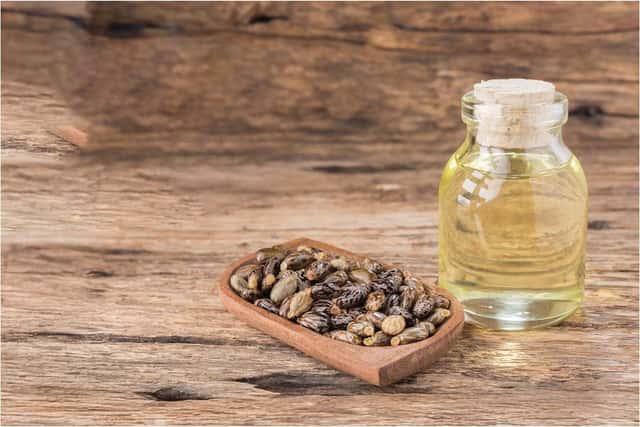
Castor oil is a pale yellow liquid extracted from the seed of the castor oil plant, technically known as Ricinus communis. This oil has been continuously used in pharmaceutical and cosmetic products due to its medicinal value. Its complex constitution- its unusually high ricinoleic acid content- is responsible for its wide range of health uses. The special fatty acid, ricinoleic acid, gives castor oil strong analgesic, antibacterial, and anti-inflammatory effects.
Castor oil is also applied topically to support immunity, hasten wound healing, and relieve mild aches and pains. Its adaptability has reached both conventional and contemporary wellness ideas: When applied topically or consumed in moderation, castor oil is still highly regarded for various therapeutic purposes, demonstrating its tenacity to promote health and well-being.
Quick Facts
| Feature | Details |
| What is Castor Oil? | Castor oil is a vegetable oil extracted from the seeds of the Ricinus communis plant, known for its health and beauty benefits due to its high ricinoleic acid content. |
| Origin | Native to the Mediterranean region, castor oil is now cultivated globally and used in various traditional and modern applications.
|
| Common Use | Castor oil promotes hair growth, moisturizes skin, relieves constipation, and reduces inflammation. |
| Chemical Composition | Rich in ricinoleic acid (about 90%), with minor amounts of linoleic and oleic acids and minimal vitamins and minerals. |
| Health Benefits |
|
| Forms Available |
|
| Precautions | Use with caution. This is mainly for pregnant women, those with allergies, or those on medication. Consult a healthcare provider before use.
|
| Side Effects | Potential side effects include gastrointestinal discomfort, allergic reactions, and skin irritation. Use in moderation and consult a healthcare provider. |
| Interactions | It may affect the absorption of oral medications due to its laxative effect. Consult a healthcare provider before using other drugs. |
| Storage | Store in a cool, dry place away from sunlight. Ensure the container is tightly sealed to maintain freshness and potency. |
Alternative Names of Castor Oil
Castor oil is known by the following alternative names:
- Palma Christi
- Ricinus oil
- Neoloid
- Castor seed oil
Castor oil in Hindi is “Arandi ka tel”. It is commonly used in households.
How is Castor Oil Made?
Cleaning and Drying: The Castor beans are cleaned of all dirt, debris, and impurities. These are then dried to reduce the moisture content; this helps in the good extraction of the oil.
Methods of Extraction
Cold Pressing: It is a method of extraction in which dried beans are mechanically pressed without heat. This retains the oil's natural integrity and positive properties, resulting in an unrefined but high-quality crude.
Solvent Extraction: The method utilises chemical solvents that dissolve oil from the beans. Later, the mixture is heated so the solvents may evaporate, leaving the oil behind. Although much more effective and efficient, this may compromise some natural qualities in the oil and leave certain chemical residues.
Filtration: After extraction, the oil is filtered to remove the solid particles and other impurities or solvents possibly present from using any extraction solvent. In this way, the final product is clean and of good quality.
Refining: The filtered oil is refined to eliminate these residual impurities and other toxic substances, such as ricin, in the raw beans. These processes may involve neutralisation, decolorisation, and deodorisation to come up with a fine-quality and safe oil eventually.
Final Product: The resultant filtered castor oil would be available to the body. It would retain its therapeutic value but contain no toxic elements.
Properties of Castor Oil
Castor oil has a wide composition. Its viscous nature and high concentration of ricinoleic acid make it an excellent emollient and anti-inflammatory agent. Following are some of the critical properties of castor oil:
- Colour: Pale yellow or colourless
- Smell: Slight, often characterised as earthy or woody
- Solubility: Insoluble in water, soluble in alcohol
- Acid Value: Rich in ricinoleic acid, a monounsaturated fatty acid
- Boiling Point: Around 313°C (595°F)
Nutritional Value
Castor oil is packed with beneficial fatty acids but is relatively low in vitamins and minerals. Here is a breakdown of the nutritional composition per 100ml of castor oil:
| Nutrient | Amount per 100ml |
| Calories | 887kcal |
| Total Fat | 99.90g |
| Saturated Fat | 33.96g |
| Monounsaturated Fat | 40.77g |
| Polyunsaturated Fat | 25.57g |
| cholesterol | 0g |
| Sodium | 122.8mg |
Health Benefits of Castor Oil
Castor oil is regarded as valuable due to its immense health benefits, primarily brought about by the ricinoleic acid it contains, making up about 90% of the fatty acid content. Besides, it contains traces of linoleic and oleic acids, hence its wide usage in therapeutic areas. Let's look at various ways this oil confers castor oil benefits:
Hair Growth
There are various castor oil uses for hair. It is significant in number because it is rich in ricinoleic acid, which increases blood flow to the scalp and promotes hair follicles. Castor oil's antifungal and antibacterial properties help manage dandruff and scalp infections, ensuring healthy and shiny hair.
Moisturises Skin
Arandi oil is thick in consistency; hence, it is an excellent moisturizer as it locks moisture by forming a barrier. Castor oil benefits for skin are immense and can be applied to deal with dry skin, eczema, and psoriasis. The fatty acids in this product enhance the hydration and elasticity of the skin to reduce fine lines and wrinkles.
Eases Constipation
Castor oil for constipation is another versatile use. It is a natural laxative that induces contractions of the intestines, stimulating bowel movements. This makes it quite effective in cases of temporary constipation. However, it is better employed in restricted manners due to the risk of complications of dehydration and addiction.
Anti-inflammatory
The ricinoleic acid in the castor oil reduces pain and inflammation and, therefore, is utilised to address diseases of arthritis and muscle spasms. Topical application of heated castor oil packs helps reduce joint pain and tenderness and decreases swelling.
Speeds Wound Healing
Castor oil is also used to manage wounds. It is used to maintain moisture in the wounded area to avoid infection. The antimicrobial properties of castor oil help control bacterial infection and stimulate tissue growth, which promotes faster healing and reduces scarring.
Immune System
Castor oil helps with immune function through lymphatic flow improvement and white blood cell output. When topical application is made, it may help boost detoxification and immune health.
Precautions While Taking Castor Oil
While castor oil is helpful for health, there are also some precautions that one should consider. A few of those are listed below:
- Consult a Doctor: Consume castor oil internally only after consulting a doctor because of its strong effects, especially for pregnant, breastfeeding, or medicated people.
- Moderation is Key: Excessive intake of castor oil can cause diarrhea, dehydration, and abdominal cramps.
- Topical Use: Apply a thin layer of castor oil on the patient's skin and perform a patch test to see if there are allergic reactions.
How to Use Castor Oil
The practical uses of castor oil in common scenarios are suitable for hair, skin, and health. So that you know what castor oil is used for, find more popular ways of using the oil here:
how to apply castor oil to hair:
Here's how to apply castor oil to your hair:
- Mix castor oil with coconut oil. Rub it onto your scalp by gently massaging.
- Apply it 20 to 30 minutes before hair wash or leave it overnight.
- Rinse it using the desired shampoo, leaving you with stronger and healthier hair and reduced dandruff.
Skin moisturising through castor oil:
Castor oil is one of the best treatments for dry or sensitive skin. Here's how you use it:
- Layer with a few thin layers of castor oil to the regions that are supposed to be moisturised, such as the hands, feet, face, etc.; let it seep well in to hold hydration and decrease inflammation.
Castor oil treatment for constipation:
Castor oil can alleviate constipation. The following are the procedures for how to use it:
- Take 1-2 teaspoons of castor oil before you begin your day.
- Drinking castor oil benefits your overall well-being when taken under the recommended dosage.
For wounds and inflammation:
The castor oil promotes the healing of minor small wounds and decreases inflammation. Steps to use:
- Apply a minute drop of castor oil over superficial cuts or abrasions.
- Leave it to do its job in curing this, and it will enhance the healing process.
Recommended Dosage of Castor Oil
The dosages of castor oil vary depending on the aim for which it is prescribed. Oral use, particularly as a laxative:
- Adults: The recommended dose is 15-60ml a day, though each individual has a different range, corresponding to the severity of constipation.
- Children over 12 years: 5-15ml daily.
Castor Oil Applied Topically
When used topically, castor oil is applied in small amounts directly to the skin or hair; there is no prescribed dosage.
Side Effects of Castor Oil
Although non-toxic, castor oil is known to cause side effects in some individuals, including:
- Gastrointestinal Distress: Excess castor oil intake may cause nausea, diarrhoea, and cramping.
- Hypersensitivity: After topical administration, skin irritation or allergic reactions may occur in hypersensitive individuals.
- Electrolyte imbalance: Overuse, in particular, primarily when used as a laxative, especially in excess quantity, may lead to dehydration and electrolyte imbalances.
Interaction of Castor Oil With Other Drugs
- Laxative Effect: Castor oil exhibits a profound laxative effect that may impede the absorption of oral drugs.
- Altered drug absorption may alter drug absorption, particularly in the gastrointestinal area.
- Recommended to consult: One must always consult a healthcare professional before using castor oil in case of prescription or over-the-counter drugs.
- Potential Interactions: Use castor oil cautiously with medications that depend on specific levels of drug absorption because castor oil may interfere with the absorption of such drugs.
Key Takeaways
- Castor oil is a versatile natural extract that is useful in most instances of health benefits.
- It contains the ricinoleic acid that differentiates it.
- The castor oil is also used for hair growth, skin moisturising, and constipation.
- Always use castor oil in moderation and with a doctor's recommendation if there are chronic ailments or the use of medications.
Conclusion
Castor oil offers diverse therapeutic benefits, particularly due to its high ricinoleic acid content. It supports hair growth, hydrates dry skin, eases occasional constipation, and alleviates joint pain when used topically. Its antimicrobial and anti-inflammatory effects assist in wound healing and may enhance immune function. When applied in appropriate quantities, it proves effective in promoting overall well-being. However, oral intake should be limited to specific needs and under professional advice, especially in vulnerable individuals. With mindful application and dosage, castor oil remains a versatile natural remedy for several health concerns across dermatological, gastrointestinal, and musculoskeletal conditions.
FAQs
How is the oil extracted from the castor?
How is ricin-free castor oil made?
Does castor oil darken hair?
Can I leave castor oil overnight?
Is it safe to use castor oil daily?
Can castor oil cause chest pain?
Can we take castor oil for constipation?
How to use castor oil with olive oil?
What is the storage condition of castor oil?
Does castor oil make you lose weight?
Can I take castor oil during pregnancy?
Can I take castor oil with my prescription medication?
Is castor oil useful against haemorrhoids?
Does castor oil offer stomach cleansing?
Does castor oil help in treating gallstones?
Can castor oil ease the symptoms of fibroid?
Can castor oil treat endometriosis?
Can castor oil control acne?
Does castor oil prevent stretch marks?
How can you use castor oil with coconut oil for hair growth?
References
- Patel, V. R., Dumancas, G. G., Kasi Viswanath, L. C., Maples, R., & Subong, B. J. J. (2016). Castor oil: Properties, uses, and optimization of processing parameters in commercial production. Lipid Insights, 9, 1–12. https://doi.org/10.4137/LPI.S40233
- Yeboah, A., Ying, S., Lu, J., Xie, Y., Amoanimaa-Dede, H., Boateng, K. G. A., Chen, M., & Yin, X. (2021). Castor oil (Ricinus communis): a review on the chemical composition and physicochemical properties. Food Science and Technology, 41(suppl 2), 399–413. https://doi.org/10.1590/fst.19620





Explore other categories
Latest health articles





Top Health Essentials

Top-selling ayurvedic products













Disclaimer
Top-Selling Medicines:
...View more
Top-OTC medicines:
...View more
Top-selling healthcare devices:
...View more
Company
About UsHealth ArticleHealth StoriesHealth LibraryDiseases & Health ConditionsAyurvedaUnderstanding Generic MedicinesAll MedicinesAll BrandsNeed HelpFAQSecuritySavings CalculatorAdvertise with UsSubscribe
Registered Office Address
Grievance Officer
Download Truemeds


Contact Us
Our customer representative team is available 7 days a week from 9 am - 9 pm.
v4.28.14

2026 - Truemeds | All rights reserved. Our content is for informational purposes only. See additional information.

Our Payment Partners