

- Medicines
- Personal Care
- Skin Cream
- Sunscreen
- Face Wash
- Skin and Body Soap
- Acne Care
- Body Lotions
- Moisturising Lotion
- Moisturising Cream
- Mosquito Repellent
- Moisturising Gel
- Body Wash
- Hair Oils
- Hair Shampoo
- Hair Conditioners
- Hair Supplements
- Hair Colour
- Hair Serum
- Hair Mask
- Hair Solutions
- Baby Diapers and Wipes
- Baby Lotion and Moisturising Cream
- Baby Bath Essentials
- Baby Skin Care
- Baby and Infant Food
- Baby Healthcare
- Women Multivitamins
- Ovulation Test Kit and Women Intimate Care
- Sanitary Pads
- Nutritional Drinks
- Condoms
- Lubricants
- Massage Gels
- Personal Body Massagers
- Men Performance Booster
- Sexual Health Supplements
- Massage Oils
- Ayurveda
- Tooth Paste
- Mouth Ulcer Gel
- Mouthwash
- Toothache and Gum Pain
- Tooth Brush
- Gargle Solution
- Orthopaedic Supports
- Adult Diapers
- Footwear
- Mobility and Support Accessories
- Urinary Support and Care
- Health Conditions
- Bone and Joint Care
- Digestive Care
- Eye Care
- Pain Relief
- Smoking Cessation
- Liver Care
- Stomach Care
- Cold and Cough
- Heart Care
- Kidney Care
- Piles, Fissures & Fistula
- Respiratory Care
- Mental Wellness
- Derma Care
- Pre and Probiotics
- Acidity
- Gas
- Constipation
- Loose Motion/Diarrhoea
- Digestive Fibres
- Digestive Enzymes
- Eye Lubricant Drops
- Lens Solution
- Safety Eye Wear
- Eye Cream
- Eye Vitamins and Supplements
- Eye Drops
- Eye Ointment and Gel
- Nicotine Patch
- Nicotine Gum
- Nicotine Lozenges
- Cough Syrups
- Chest Rubs and Balms
- Nasal Spray
- Lozenges
- Inhalant Capsules
- Cold and Cough Tablets
- Vitamins & Supplements
- Diabetes Care
- Healthcare Devices
- Homeopathic Medicine
- Health Guide
Chirata
Chirata or Swertia chirata is an alpine plant from the Himalayan region which grows at an altitude of 1200 – 2100 metres. It has been incorporated into many traditional systems of medicine, including Ayurveda and Unani, and it is usually prescribed for many ailments, including liver disorders, malaria, and diabetes. It has a very bitter taste that originates from natural chemicals that benefit human beings. However, the Chirata plant is listed as an endangered species in the wild because of the overwhelming market demand and excessive harvesting. Attempts are being made to protect Chirata plants from extinction, and researchers and farmers are exploring ways to cultivate Chirata plants with the help of the latest plant science technology.
 50
50Last updated on : 04 Aug, 2025
Read time : 13 mins
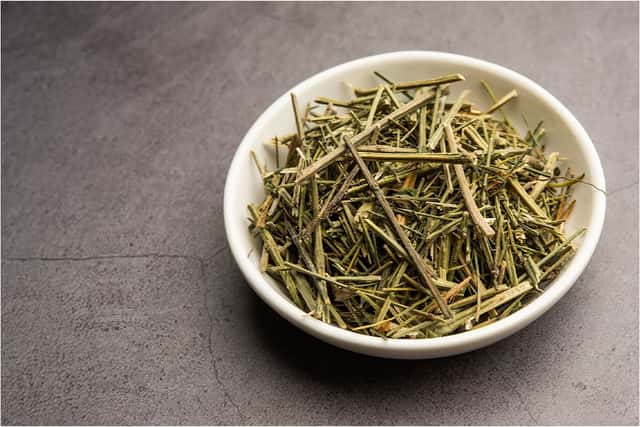
What is Chirata?
Chirata (Swertia chirata), Chiretta or Kairata, is a medicinal plant found in the temperate Himalayas. There are several chirata benefits, and the plant grows well at higher altitudes; it is best in sloppy and damp areas from 1200-2100m and prefers shady areas.
Chirata is bitter due to the bioactive compounds Amarogentin, Swerchirin, and Swertiamarin. These compounds are assumed to affect this herb's health-promoting effects positively. Chirata is one of the active ingredients of many crude drugs and is used in Ayurvedic and Unani treatments.
However, due to the many health benefits associated with Chirata, it is threatened with extinction today because people use it in large proportions, which leads to deforestation to provide shelter and other social amenities such as roads and rail. They have become rare in numbers and need more protection. New methods of propagating this species are being thought out to avoid extinction. Altogether, Chirata is the State’s plant that contributes to the focus on natural resource conservation in herbal medicine.
Source of Chirata
Chirata (Swertia chirata) is an alpine medicinal plant commonly found in sub-temperate regions over the Himalayas from an altitude of 1200 to 2100 metres. Chirata plant grows on the slopes of moist, shady places from Kashmir to Bhutan. More importantly, this is the native environment that helped it grow and develop, as the plant can only grow in these conditions. However, because of the growing market demand and unsustainable harvesting practices, Chirata’s population has dwindled, reducing its chances of survival. This implies that the medicinal value associated with the herb is due to this plant’s ability to grow only in the Himalayan region. Thus, there is a need to protect both the plant and the region.
Quick Facts
| Feature | Details |
| What is Chirata? | Chirata is a herb known for its bitter taste, obtained from the Swertia chirata, commonly found in the Himalayas and other mountainous regions of Asia. It is valued for its medicinal properties. |
| Origin | Native to the Himalayan regions in India, Bhutan, and Nepal. Chirata is cultivated and harvested from these regions for its therapeutic uses |
| Common Use | Used in traditional medicine to treat fever, digestive issues, liver disorders, and skin problems. Also known for its detoxifying and anti-inflammatory properties. |
| Chemical Composition | It contains compounds like chiratin, amarogentin, and other bitter glycosides, contributing to its medicinal effects. |
| Health Benefits | Reduces fever and inflammation, aids digestion, supports liver health, improves skin conditions, and helps detoxify. |
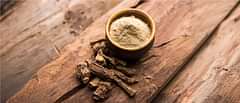
| Forms Available | Powder, capsules, liquid extract, and dried herb |
| Precautions | It should be used under medical supervision, especially in people with diabetes or gastrointestinal disorders. It is not recommended for pregnant or breastfeeding women |
| Side Effects | Possible nausea, diarrhoea, and dizziness. Overuse can lead to a significant drop in blood sugar levels |
| Interactions | It may interact with medications for diabetes or blood pressure. Consult a healthcare provider before combining it with other medicines. |
| Storage | Store in a cool, dry place away from direct sunlight. Keep it in an airtight container to maintain its potency. |
Alternative Names of Chirata
Chirata, a valuable medicinal herb, has many names. They vary by culture. In Sanskrit, they are Anaryatikta, Bhunimba, Chiratitka, and Kairata. In Arabic and Farsi, it is Qasabuzzarirah. In Urdu, it is Chiaravata. In Burmese, it's Sekhagi. In Nepal, it's called Chirrato or Chiraita. These names show Chirata's fame in traditional medicine worldwide.
Nutritional Ingredients of Chirata
Chirata contains several essential chemical compounds, and there are many chirata uses that contribute to its medicinal properties:
- Amarogentin: This is regarded as the most bitter of the compounds in Chirata. It has properties that may help prevent diseases and cure infections.
- Amaroswerin: This compound acts as an anti-ulcer treatment agent and has general beneficial effects on the gut.
- Gentianine: An alkaloid that has anti-inflammatory and pain-relieving effects and may be helpful for various ailments.
- Swerchirin: Popular for being widely used for malaria cure and boosting liver health.
- Swertiamarin: It has anti-inflammatory effects and can help with pain, too.
- Xanthones: These vital ingredients may often play a role in balancing the nervous system and the body.
- Mangiferin: This compound has been described to have potent anti-inflammatory properties and may prevent cancer.
- Lignan: This compound is present in small quantities and is beneficial to the liver, according to research.
- Triterpenoids: These include several compounds that may work to aid in the reduction of inflammation and the management of pain.
- Pentacyclic Triterpenoids: This group comprises compounds believed to lower blood sugar levels.
Health Benefits of Chirata
Below are the pointers highlighting the health benefits of Chirata
Lowers Fever
One of the chirata benefits is that it has been observed to lower fever brought on by the flu and cold effectively. Additionally, it treats convulsions, hysteria, and malaria. Thus, to recover faster the next time you're sick and have a fever, consider consuming some Chirata extract.
Cures Constipation
This herb presents a good cure for constipation. Just have a decoction prepared from the chirata power until the condition improves. People also use the plant as a decoction to get good bowel movement.
Kills Intestinal worms
The herb exhibits anthelmintic properties that kill worms in the intestine.
Used as an Appetiser
Chirata power provides stimulation for the digestive system. It can correct the disruptive factors of nutrition and provide good support for health. It helps stabilize the metabolic system.
Strengthens the Stomach
People with a weak stomach will benefit from using the herb and its extracts. Use an astringent stimulant, especially if you have indigestion. Swertia Chirata treats GI disorders, gas, and bloating by inhibiting the stomach's acid production. It soothes the inflammation of the intestines. You can get relief from nausea and diarrhoea. It strengthens the stomach.
Cures Skin Ailments
The extract of the herb is helpful for the effective treatment of skin ailments. You can treat all kinds of rashes, skin diseases, and skin inflammations with the paste of Swertia chirata. Chirata powder helps heal wounds and ooze cuts in the skin fast. Mix with water and apply to the wound.
Protects the Liver
Hepatoprotective qualities are abundant in chirata. Hepato-relates to liver + protective hence, the phrase "hepatoprotective" is self-explanatory. It promotes liver health and aids in the removal of toxins from the body. Additionally, it encourages the growth of new liver cells.
Anti-Parasitic
One of the chirata uses is that it aids in the body's removal of parasites such as flukes, roundworms, tapeworms, and helminths. It also aids in the healing of symptoms brought on by the body's invasion by parasites. Chirata can cure diarrhoea, liver and lung anemia, and other dreadful side effects.
Skin Treatment
The best buddy for skin is chirata. Their antioxidant quality aids in skin clearing. It is helpful in the treatment of rashes, inflammation, itching, burning sensations, and redness, among other skin disorders. It can also clean seeping on the skin after diluting it with water.
Cures Anemia
This herb can be used to cure anemia. Several health issues that might escalate to the point of being life-threatening can be brought on by anemia. Women frequently suffer from anemia because they lose blood every month. Their body suffers significantly from this, particularly during and after pregnancy.
Assesses Diabetes
Because of this generation's inappropriate lifestyle, erratic eating habits, and elevated stress levels, diabetes is a lifestyle disease that has spread like wildfire. Chirata increases the amount of insulin secreted by pancreatic cells, which lowers blood sugar levels.
Anti-Cancer
Chirata stops the progression of precancerous lesions and controls cancer because it contains potent antioxidants. It works well when liver cancer is present. This is one of the plant's most significant qualities because scientists and physicians have prioritised finding cancer treatments.
Medicinal Uses of Chirata
1. Liver Disorders: Chirata has been used in traditional systems of medicine for curing liver-related diseases. One of the chirata uses is that it also acts as an effective detoxifying agent for the liver and assists in the healthy performance of this organ. This herb is mainly associated with helping treat liver issues and supporting the organ's health.
2. Malaria: Chirata is appreciated for its ability to fight malaria in traditional treatments. The herb also has chemotherapy contents, such as swerchirin, which acts on malaria. This has formed the basis of its traditional preparation from natural products that lower fever and combat the parasites causing the disease.
3. Diabetes Management: Chirata is said to have a role in stabilising blood sugar and, therefore, is useful to diabetic people. One compound within the plant, e.g., swerchirin and pentacyclic triterpenoids, has been determined to possess hypoglycemic activity and is used to regulate blood sugar in the human body.
4. Anti-Inflammatory Properties: Some of the naturally occurring chemicals in the herb include gentian, gentianine, mangiferin, and triterpenoids, which possess anti-inflammatory properties. These compounds can effectively decrease inflammation, bringing about symptoms of inflammation such as swelling and pain. This makes Chirata useful in the treatment of illnesses such as arthritis as well as other inflammatory diseases.
5. Digestive Health: Chirata cures digestive health problems by effectively preventing damage to the stomach lining. Substances like amaroswerin have protective effects on gastrointestinal mucosa and can be used to treat or at least minimize ulcers and other injuries to the stomach lining. The plant is used to cure indigestion, constipation, and loss of appetite.
6. Pain Relief: Swertiamarin and gentianine in Chirata also contain some analgesic effects or pain-killing capacity. These compounds can contribute to the alleviation of pain resulting from different diseases. Thus, they make Chirata a potential cure for headaches, body aches, and other pains.
7. Antimicrobial and Antimalarial: Tests have found that gentianine, one of the significant constituents of Chirata, possesses antimicrobial activity, meaning it can inhibit pathogens. This includes infections with bacteria and parasites such as those resulting from malaria.
8. General Immune Support: Chirata helps strengthen the immune system with its range of bioactive compounds. The herb's antioxidant properties help protect the body from oxidative stress and promote overall health and wellness.
Chirata is a versatile herb with various medicinal uses, from liver health to managing diabetes, reducing inflammation, and supporting digestion. These benefits have made it a valuable part of traditional medicine systems like Ayurveda and Unani. Consult a healthcare provider before using Chirata, especially for specific conditions like diabetes, to avoid interactions or adverse effects.
Precautions While Taking Chirata
Chirata has several health advantages but must be taken to minimise side effects. Remember these crucial precautions:
- Pregnancy and breast-feeding: Currently, there is no information available regarding the side effects of chirata when taken during pregnancy or breastfeeding. It is safest not to use it and steer clear.
- Diabetes: Chirata could also reduce the glucose level in the blood as far as some patients are concerned. Look for the symptoms of low blood sugar (hypoglycemia), exercise caution in watching your blood sugar if you are diabetic, and use chirata as a remedy.
- Intestinal (duodenal) ulcers: Chirata should not be consumed because it can aggravate ulcers in the intestine.
- Surgery: Chirata could reduce blood glucose levels. Chirata theoretically might cause disturbances of glycemic regulation during and post-operatively. Chirata should not be used as a medicine at least two weeks before a scheduled surgery.
How to Use Chirata
Chirata has many uses. They depend on the application method. Common chirata uses:
- Prepare Chirata Powder Tea:
- Take 1–3 grams of Chirata powder.
- Mix it with a cup of hot water.
- Let it steep for 5–10 minutes, then strain and drink.
- Use: Drink this tea daily to boost wellness and aid digestion.
- Make a Chirata Decoction:
- Boil 1–2 grams of Chirata powder, or a small handful of dried Chirata, in 1–2 cups of water for 10–15 minutes.
- Strain the liquid and let it cool slightly before drinking.
- A decoction can help reduce fever, ease malaria, and support the liver. Drink once or twice daily as needed.
- Use Chirata Capsules:
- Follow the dosage instructions on the product label (typically 1–3 capsules per day).
- Take with water or as directed by a healthcare provider.
- Use: Capsules are a convenient way to supplement regularly. They suit those managing blood sugar or seeking wellness.
- Incorporate into a Health Tonic:
- Combine Chirata powder with other herbs like neem or turmeric in warm water.
- Stir well and consume it in the morning on an empty stomach for detoxification and immune support.
- Use: This tonic helps in detoxifying the body and improving digestive health.
Apply Chirata Extract for Skin Health: - Dilute a few drops of Chirata extract with water or a carrier oil, like coconut oil.
- Apply it to the skin to soothe irritations, acne, or other skin issues.
- Chirata reduces skin inflammation and clears the complexion.
- Precautions:
- Always start with a small dose and monitor for any adverse reactions.
- Consult a healthcare provider before incorporating Chirata into your daily routine, especially if you are pregnant or breastfeeding or have chronic health conditions.
Chirata's versatility allows various forms of use. But, it's best to consult a healthcare provider for the most effective use based on individual health needs.
Recommended Dosage of Chirata
The following pointers highlight the recommended dosages of chirata:
General Wellness and Preventive Use:
- Dosage: Take 1–3 grams of Chirata powder daily for wellness. You can mix the powder with warm water to make tea. Or, you can take it in capsule form, depending on your preference.
Therapeutic Use:
- For Digestive Health: Drink a decoction of 1-2 grams of Chirata powder once daily. It can aid digestion and relieve constipation and bloating.
- For fever and malaria: When used for these, Chirata is often depicted with 1-3 grams of powder. Take it twice daily, under medical supervision.
Diabetes Management:
- Dosage: Taking around 1 gram daily is recommended to help manage blood sugar levels. Chirata has hypoglycemic solid effects. It can lower blood sugar too much. So, a healthcare provider should guide its use.
Forms Available:
- Chirata is available as a powder, capsule, and liquid extract. Always follow the product instructions. If unsure, consult a healthcare provider.
Precautions:
- Avoid High Dosages: Doses above 3 grams may cause nausea and dizziness. Pregnant and breastfeeding women and those with diabetes or liver issues should use Chirata only if a doctor advises it.
Key Takeaways
- Chirata is considered a highly prized plant from a pharmacological perspective.
- Trusted in ayurvedic and unani medication systems for treating liver ailment, malaria, and diabetes.
- The plant also contains substances exhibiting extraordinary bitter quality, such as amarogentin, swerchirin and swertiamarin.
- The compounds found in Chirata include amarogentin, gentianin, swerchirin, and mangiferin, among others.
- Several health benefits include liver support, treatment of malaria, diabetes management, decrease in inflammation, and aid in digestion.
- The dosage is typically used as an infusion or tincture; root doses range from 5 to 30 grains with honey.
- Currently, Chirata is rated as an endangered plant due to high demand and over-exploitation.
FAQs
Can we drink chirata water daily?
Is chirata a blood purifier?
Is chirata good for fatty liver?
Is chirata good for constipation?
How to eat chirata?
Is chirata good for diabetes?
How to take chirata powder?
Is chirata good for hair?
Does chirata reduce cholesterol?
References
- Kumar, V., & Van Staden, J. (2015). A Review of Swertia chirayita (Gentianaceae) as a Traditional Medicinal Plant. Frontiers in Pharmacology, 6, 308. https://doi.org/10.3389/fphar.2015.00308
Explore other categories
Latest health articles





Top Health Essentials

Top-selling ayurvedic products












Disclaimer
Top-Selling Medicines:
...View more
Top-OTC medicines:
...View more
Top-selling healthcare devices:
...View more
Company
About UsHealth ArticleHealth StoriesHealth LibraryDiseases & Health ConditionsAyurvedaUnderstanding Generic MedicinesAll MedicinesAll BrandsNeed HelpFAQSecuritySavings CalculatorAdvertise with UsSubscribe
Registered Office Address
Grievance Officer
Download Truemeds


Contact Us
Our customer representative team is available 7 days a week from 9 am - 9 pm.
v4.28.16

2026 - Truemeds | All rights reserved. Our content is for informational purposes only. See additional information.

Our Payment Partners




