

- Medicines
- Personal Care
- Skin Cream
- Sunscreen
- Face Wash
- Skin and Body Soap
- Acne Care
- Body Lotions
- Moisturising Lotion
- Moisturising Cream
- Mosquito Repellent
- Moisturising Gel
- Body Wash
- Hair Oils
- Hair Shampoo
- Hair Conditioners
- Hair Supplements
- Hair Colour
- Hair Serum
- Hair Mask
- Hair Solutions
- Baby Diapers and Wipes
- Baby Lotion and Moisturising Cream
- Baby Bath Essentials
- Baby Skin Care
- Baby and Infant Food
- Baby Healthcare
- Women Multivitamins
- Ovulation Test Kit and Women Intimate Care
- Sanitary Pads
- Nutritional Drinks
- Condoms
- Lubricants
- Massage Gels
- Personal Body Massagers
- Men Performance Booster
- Sexual Health Supplements
- Massage Oils
- Ayurveda
- Tooth Paste
- Mouth Ulcer Gel
- Mouthwash
- Toothache and Gum Pain
- Tooth Brush
- Gargle Solution
- Orthopaedic Supports
- Adult Diapers
- Footwear
- Mobility and Support Accessories
- Urinary Support and Care
- Health Conditions
- Bone and Joint Care
- Digestive Care
- Eye Care
- Pain Relief
- Smoking Cessation
- Liver Care
- Stomach Care
- Cold and Cough
- Heart Care
- Kidney Care
- Piles, Fissures & Fistula
- Respiratory Care
- Mental Wellness
- Derma Care
- Pre and Probiotics
- Acidity
- Gas
- Constipation
- Loose Motion/Diarrhoea
- Digestive Fibres
- Digestive Enzymes
- Eye Lubricant Drops
- Lens Solution
- Safety Eye Wear
- Eye Cream
- Eye Vitamins and Supplements
- Eye Drops
- Eye Ointment and Gel
- Nicotine Patch
- Nicotine Gum
- Nicotine Lozenges
- Cough Syrups
- Chest Rubs and Balms
- Nasal Spray
- Lozenges
- Inhalant Capsules
- Cold and Cough Tablets
- Vitamins & Supplements
- Diabetes Care
- Healthcare Devices
- Homeopathic Medicine
- Health Guide
Bamboo
Bamboo is a versatile plant with applications in traditional medicine, wellness, and various industries. It has been used for thousands of years in Asia and is recognized worldwide for its ecological value. Bamboo murabba is traditionally considered to support growth, while its leaves have been used in herbal remedies. Bamboo is also believed to help support skin health, owing to its role in maintaining skin elasticity and strength due to the presence of certain minerals and essential amino acids. Additionally, bamboo’s anti-inflammatory and antibacterial properties may help manage acne, skin eruptions, and wounds. This article explores bamboo’s uses, potential health effects, and safety considerations.
 50
50Last updated on : 31 Mar, 2026
Read time : 12 mins
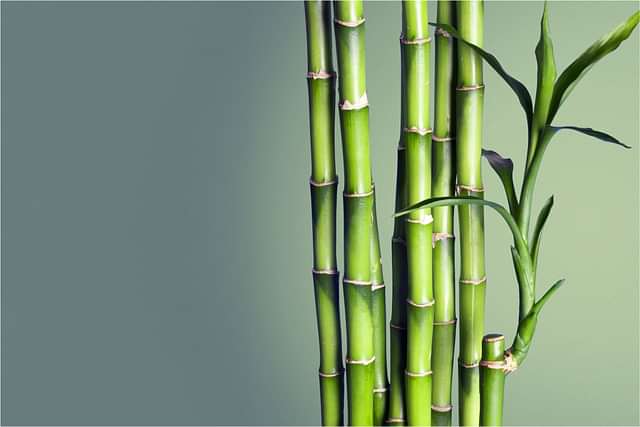
What is Bamboo?
Bamboo is related to the grass family Poaceae, a highly-growing, woody plant native to tropical and subtropical regions. Known to grow some feet in a single day, some bamboo species have grown extremely fast. The plant is an excellent product due to its strength, flexibility, and eco-friendliness, and it is commonly used in construction, textiles, and household goods. Apart from its structural applications, bamboo also has a long history in traditional medicine, whereby it is used extensively to treat various diseases.
Source of Bamboo
Bamboo grows well under a warm, moist climate. Regional distribution includes Southeast Asia, Africa, and South America. Specifically, bamboo is abundant in China, India, Indonesia, and Japan. However, due to its adaptability, bamboo grows in temperate zones, and in this way, it is considered a plant universally cultivable.
Key Facts
| Feature | Details |
| What is Bamboo? | Bamboo is a rapidly growing woody grass. It is used for food, medicine, construction, and other crafts. |
| Origin | It grows natively in the tropical and subtropical areas of Asia, Africa, and the Americas. |
| Common Use | The uses of bamboo include furniture, food like bamboo shoots, building materials, and medicinal products. |
| Chemical Composition | Silica, potassium, calcium, phosphorus, vitamins B6, E, and fibre. |
| Alternative Names | Bans, Bambusa, Bamboo Grass and Giant Grass are used more in traditional ways. |
| Health Benefits | It may support cardiovascular health, enhance digestion, boost immunity, contribute to the strengthening of bones, and help in weight management. |
| Forms Available | Bamboo shoots, bamboo murabba, bamboo leaf tea, powder, extract, supplements. |
| Recommended Dosage | Daily, 1-2 tablespoons of bamboo murabba or 1-2 capsules of bamboo extract. |
| Precautions | Pregnant and breastfeeding women consult a doctor before taking it. Avoid taking it if you are allergic to bamboo. |
| Storage | Store in a cool and dry place. Store fresh bamboo shoots or murabba in the refrigerator after opening. |
Alternative Name of Bamboo
Almost every region has different names for bamboo. Its popular alternative names are mentioned below:
- Bans (Hindi)
- Bambu (Malay/Indonesian)
- Vanshlochan (Sanskrit, in Ayurvedic medicine)
- Mula (Malayalam)
- Vans (Gujarati, Marathi)
- Baansh (Bengali, Assamese, Odia)
These names show how extensively bamboo has been used and how it holds a place in nearly every Asian culture.
Health Benefits of Bamboo
Bamboo is more than a green plant for construction and crafts. This plant stores health benefits, which makes it, on top of the abovementioned characteristics, yet another gold mine in traditional and modern medicine. Ranging from better digestion to being suitable for the cardiovascular system, the nutrient-rich components of bamboo make this plant a vital addition to a balanced life. It is crucial to remember that while bamboo has beneficial properties, it should not replace conventional medical treatment. Consult a healthcare professional before making significant dietary or supplement changes.
Here are some of the most essential potential health benefits that bamboo offers:
1. Rich in Nutrients
Bamboo shoots are a nutrient-dense food, rich in essential vitamins and minerals. They provide dietary fibre, which may support digestion and help maintain regular bowel movements. Bamboo shoots are also low in calories and fat, making them a good choice for a balanced diet. The potassium content may help regulate blood pressure, supporting heart health. Additionally, bamboo shoots contain phosphorus and calcium, which are beneficial for bone health. Vitamins B6 and E may support nerve function and skin health.
2. Cardiovascular Health
One of the potential health benefits of bamboo is that it may support cardiovascular health. Bamboo shoots are rich in dietary fibre, which helps decrease the body's LDL level (the so-called bad cholesterol). Low cholesterol levels are associated with a minimised risk of atherosclerosis, heart attack, and stroke. Bamboo also contains vast portions of potassium, a mineral used to regulate blood pressure, thus supporting healthy heart functioning.
3. Potential for Bone & Connective Tissue Support
It has silica; silica minerals are a structural component that may strengthen bones and other connective tissues. Silica helps aid calcium absorption, supporting bone density retention and may help support bone health. In Ayurveda, Vanshlochan, a natural form of silica, is widely used to support Asthi Dhatu (bone tissue) health. Bamboo products, such as shoots or supplements, are suitable for regular consumption by the elderly and those experiencing age- or disease-related decline in bone strength.
4. May Help Maintain Body Weight
The bamboo shoots are very low in calories and high in fibre content; hence, they suit well in the diet for weight loss and weight management. Its high fibre content increases fullness and reduces the chance of overeating. While some traditional uses suggest it can stimulate metabolism, current evidence primarily focuses on the satiating effects of its fibre to enhance weight loss as part of a calorie-controlled diet.
5. Aids in Digestive Health
The fibre content in bamboo shoots improves digestion by helping regulate normal bowel movements and may alleviate constipation. The role of fibre in gut health may help support digestive comfort and overall gastrointestinal well-being. Additionally, bamboo’s anti-inflammatory effects may support digestion by reducing irritation in the gastrointestinal tract, making it a suitable option for individuals experiencing digestive discomfort.
6. Boosts Immune System
Bamboo leaves and shoots contain antioxidants that eliminate free radicals, damaging cellular activities and weakening one's immune system. The mentioned antioxidants, such as flavonoids, may increase infection resistance, reduce inflammation, and support recovery from chronic diseases. Regular bamboo consumption through teas, extracts, or supplements can contribute to general immunity.
7. Detoxifies Body
Bamboo shoots also have diuretic properties through which the toxins and excess water in the body are expelled. It detoxifies the body while urinating, thus helping improve the functions of the kidneys and liver, keeping the body's internal systems in balance.
8. Anti-Inflammatory Effects
It contains anti-inflammatory compounds that reduce inflammation, thus becoming a probable treatment for arthritis and other inflammatory conditions. When bamboo extracts are applied topically or used as dietary supplements, they may help soothe joint pains and sore muscle suffering. Patients can recover faster from injuries due to the soothing nature of bamboo extracts.
Common Uses of Bamboo
Bamboo is one of the most versatile plants on earth. It is used in a wide variety of applications across different industries:
- Construction: Bamboo is used for building purposes as a scaffolding material, floor decking and wood replacement material since it is not weak.
- Textiles: Bamboo fibres are used in making soft, breathable fabrics
- Culinary: Bamboo shoots are used in diets regarding ingredients in Asian cuisine.
- Medicinal: Parts of the bamboo, especially the leaves, shoots, and extracts, are used in herbal remedies.
- Home Goods: Bamboo products are used in furniture, utensils, and environment-friendly packaging.
Precaution While Taking Bamboo
The bamboo is relatively harmless and healthy, but some precautions remain to be taken while consuming it.
- Pregnancy or lactation: Women in their pregnancy or lactation periods should consult a health care provider before taking any product about bamboo because little work has been done on bamboo's effect on pregnancy and lactation phases.
- Patients with Heart, Kidney, or Liver Diseases: Those suffering from heart, kidney, and liver diseases should be very cautious and consult a doctor before consuming bamboo as a medicine.
- Alcohol: This bamboo extract should not be consumed with alcohol since it may be opposite to health benefits.
- Bamboo Murabba: Though bans murabba benefits are many, it is better to have it on a small scale as some sugar constituents are there.
- Risk of poisoning: Improper preparation of raw shoots can lead to cyanide poisoning.
- Drug interactions: Bamboo supplements or extracts may interact with medications, especially diuretics or blood-pressure-lowering drugs.
- Thyroid disorders: Individuals with thyroid disorders should avoid excessive silica consumption.
How to Use Bamboo
1. As A Healthy Ingredient in Food
The bamboo shoots are a well-established ingredient in most Asian cuisines. It is low in calories and fibre, perfect for health-conscious meals.
Steps to use:
- Peel and boil bamboo shoots. Remove the bitterness.
- Slice or chop them and add them to soups, stir-fries, or salads.
- One can also pickle or ferment for added flavour and nutritional value.
2. As Bamboo Murabba for Height
Bamboo murabba is traditionally consumed as a nutritional supplement, especially during the growing years, but there is no clinical evidence to support its role in increasing height.
Steps to use:
- Use 1–2 teaspoons of bamboo murabba daily. It is best taken in the morning on an empty stomach.
- It can be taken directly or with warm water for easier consumption.
- While it provides certain nutrients that may support overall health, claims related to increasing height or promoting growth in children are not scientifically established.
3. As Detoxifying Drink Bamboo Tea
Bamboo leaves contain antioxidants. Bamboo tea is a refreshing detoxifying drink that increases immunity.
Steps to use:
- Steep 1-2 teaspoons of dried bamboo leaves in hot water for 5-10 minutes.
- Filter and drink the tea warm or iced.
- Bamboo leaves used regularly will reap the rewards, detoxify your body, and aid in living a healthy lifestyle.
4. As a Bamboo Skin Care Treatment
Bamboo extracts are primarily used liberally in skin-care procedures due to their antioxidant and moisturising properties.
Steps to use:
- Dissolve the powder/extract with water or honey, and apply it as a mask to the face.
- Leave on the face for 10-15 minutes before rinsing off
- It leaves your skin moisturised, soothing, glowing, and refreshing.
5. As Bamboo Supplements for Bone Health
Bamboo supplements are mainly in the form of capsules and rich in silica. These are beneficial for maintaining firm bones and connecting tissues.
Steps to use:
- Take 1-2 capsules of bamboo extract or silica supplements with a physician's assistance; after taking this supplement, it is noticed that the skin becomes smoother and stretchier and the joints also healthier.
Key Takeaways
- Bamboo leaves uses have a lot of health benefits, from enabling growth to providing cardiovascular health.
- The plant is used to extract different types of preparation products worldwide. These include culinary, medicinal, and cosmetic products.
- Bamboo is rich in nutrient supplements such as fibre, vitamins, and antioxidants.
- Its murabba is well-liked by people for its support for height growth, especially in children.
- Always consult a healthcare professional before using bamboo, especially if you have pre-existing health conditions.
Conclusion
Bamboo offers multiple health benefits due to its nutrient profile and bioactive compounds. Its fibre-rich shoots aid digestion and weight management, while its high silica content supports bone density and connective tissue strength. Antioxidants present in its leaves and extracts contribute to immune resilience and cellular protection. Bamboo’s potassium levels help regulate blood pressure, promoting cardiovascular health, and its anti-inflammatory agents provide relief from joint discomfort. Moreover, its detoxifying and diuretic properties assist in cleansing the body effectively. When integrated thoughtfully into diet or supplementation, bamboo serves as a potent natural resource for overall health.
FAQs
Can a person eat Bamboo?
Is Bamboo shoot rich in carbohydrates?
What does Bamboo shoot taste like?
What is Bamboo tea good for?
How are Bamboo shoots grown and harvested?
How to store and keep Bamboo shoots?
Does Bamboo help manage diabetes?
What is the taste of Vanshlochan (Bamboo extract)?
What is the role of Bamboo (Vanshlochana) in Ayurvedic medicines?
What is Bamboo murabba?
Do Bamboo shoots increase human height?
References
- Development and Organoleptic Evaluation of Vegan Honey Tender Bamboo Shoots Murabba. (N.d.-as). Amazonaws.com. Retrieved June 10, 2025, from https://sdiopr.s3.ap-south-1.amazonaws.com/2023/May/25-May-23/2023_AFSJ_100144/Ms_AFSJ_100144.pdf
- Nongdam, P., & Tikendra, L. (2014). The nutritional facts of bamboo shoots and their usage as important traditional foods of Northeast India. International Scholarly Research Notices, 2014, 679073. https://doi.org/10.1155/2014/679073
Explore other categories
Related Health Articles
Latest health articles






Top Health Essentials
Top-selling ayurvedic products












Disclaimer
Top-Selling Medicines:
...View more
Top-OTC medicines:
...View more
Top-selling healthcare devices:
...View more
Company
About UsHealth ArticleHealth StoriesHealth LibraryDiseases & Health ConditionsAyurvedaUnderstanding Generic MedicinesAll MedicinesAll BrandsNeed HelpFAQSecuritySavings CalculatorSubscribe
Registered Office Address
Grievance Officer
Download Truemeds


Contact Us
Our customer representative team is available 7 days a week from 9 am - 9 pm.
v4.23.3

2026 - Truemeds | All rights reserved. Our content is for informational purposes only. See additional information.

Our Payment Partners




