

- Medicines
- Personal Care
- Skin Cream
- Sunscreen
- Face Wash
- Skin and Body Soap
- Acne Care
- Body Lotions
- Moisturising Lotion
- Moisturising Cream
- Mosquito Repellent
- Moisturising Gel
- Body Wash
- Hair Oils
- Hair Shampoo
- Hair Conditioners
- Hair Supplements
- Hair Colour
- Hair Serum
- Hair Mask
- Hair Solutions
- Baby Diapers and Wipes
- Baby Lotion and Moisturising Cream
- Baby Bath Essentials
- Baby Skin Care
- Baby and Infant Food
- Baby Healthcare
- Women Multivitamins
- Ovulation Test Kit and Women Intimate Care
- Sanitary Pads
- Nutritional Drinks
- Condoms
- Lubricants
- Massage Gels
- Personal Body Massagers
- Men Performance Booster
- Sexual Health Supplements
- Massage Oils
- Ayurveda
- Tooth Paste
- Mouth Ulcer Gel
- Mouthwash
- Toothache and Gum Pain
- Tooth Brush
- Gargle Solution
- Orthopaedic Supports
- Adult Diapers
- Footwear
- Mobility and Support Accessories
- Urinary Support and Care
- Health Conditions
- Bone and Joint Care
- Digestive Care
- Eye Care
- Pain Relief
- Smoking Cessation
- Liver Care
- Stomach Care
- Cold and Cough
- Heart Care
- Kidney Care
- Piles, Fissures & Fistula
- Respiratory Care
- Mental Wellness
- Derma Care
- Pre and Probiotics
- Acidity
- Gas
- Constipation
- Loose Motion/Diarrhoea
- Digestive Fibres
- Digestive Enzymes
- Eye Lubricant Drops
- Lens Solution
- Safety Eye Wear
- Eye Cream
- Eye Vitamins and Supplements
- Eye Drops
- Eye Ointment and Gel
- Nicotine Patch
- Nicotine Gum
- Nicotine Lozenges
- Cough Syrups
- Chest Rubs and Balms
- Nasal Spray
- Lozenges
- Inhalant Capsules
- Cold and Cough Tablets
- Vitamins & Supplements
- Diabetes Care
- Healthcare Devices
- Homeopathic Medicine
- Health Guide
Gudmar
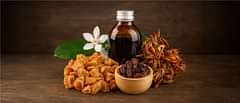
Gudmar (Gymnema sylvestre), also called the “sugar destroyer”, is an Ayurvedic herb traditionally used to support normal blood sugar levels. Its leaves contain gymnemic acids, compounds that can temporarily reduce the sensation of sweetness on the tongue and have been studied for their potential effects on glucose absorption and blood sugar regulation. Gudmar is commonly taken as a powder, tablet or extract alongside diet, exercise and prescribed treatment for diabetes and weight management, not as a replacement for them.
 50
50Last updated on : 25 Aug, 2026
Read time : 12 mins
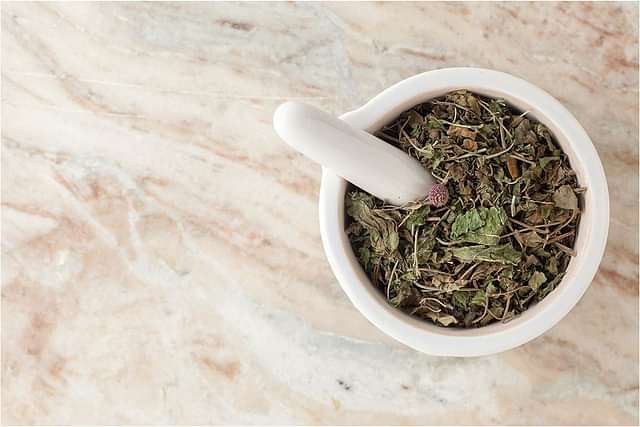
What is Gudmar?
The Hindi name Madhunashini reflects Gudmar’s traditional association with reducing the perception of sweetness: chewing or holding the leaf on the tongue temporarily reduces the perception of sweetness, hence “sugar destroyer”. It is a woody climbing shrub native to the tropical forests of India, growing widely in Karnataka, Maharashtra and Tamil Nadu, and also found in parts of Africa, Sri Lanka and Australia (Pandey & Yadav, 2010). Ayurvedic physicians have traditionally used the leaves for centuries to support healthy blood sugar regulation and digestion.
In classical Ayurvedic texts, Gudmar is classified as bitter and astringent in taste (tikta, kashaya rasa), heating in potency (ushna virya), and pungent in post-digestive effect (katu vipaka). It is traditionally described as pacifying Kapha and Vata dosha and is placed in the Kaphaghna group of the classical Nighantus.
Key Facts
| Feature | Details |
| Botanical name | Gymnema sylvestre
|
| Family | Apocynaceae
|
| Part used | Leaves (occasionally root)
|
| Ayurvedic category | Kaphaghna, Madhunashini group (Bhavaprakasha Nighantu)
|
| Ayurvedic properties | Rasa: Tikta, Kashaya; Virya: Ushna; Vipaka: Katu; Dosha: traditionally considered Kapha-Vata shamaka
|
| Key active compounds | Gymnemic acids, gymnemosides, gurmarin
|
| Traditional uses | Traditionally used to support healthy blood sugar levels, reduce sweetness perception and support digestion
|
| Common forms | Dried leaf, powder, capsule, tablet, liquid extract
|
| General dosage | Powder: 2-4 g/day; capsule or extract doses should be taken only as advised by a qualified practitioner
|
| Best taken | Before meals, with warm water, as advised by a qualified practitioner
|
| Key safety note | May lower blood sugar; use caution with diabetes medicines and consult a doctor or qualified practitioner before combining them
|
Alternative Names of Gudmar
Gudmar is known by different names across Indian languages and in English. The list below sets these out for reference.
- Botanical name: Gymnema sylvestre
- English: Gymnema, Gymnema leaf
- Hindi: Gudmar, Madhunashini
- Tamil: Sirukurinjan
- Telugu: Podapatri
- Kannada: Kadhisoge, Merasingi
- Malayalam: Chakkarakolli
Chemical Constituents of Gudmar
Gudmar leaves contain several groups of naturally occurring compounds that contribute to their phytochemical profile (Tiwari et al., 2014). The main constituents identified in scientific literature include:
- Gymnemic acids: A group of triterpenoid saponins considered among the major bioactive constituents of Gudmar. They have been studied particularly for their effects on taste perception and glucose metabolism (Tiwari et al., 2014).
- Gymnemasaponins: Saponin compounds found in Gudmar that contribute to its overall phytochemical composition and have been investigated for various biological activities (Tiwari et al., 2014).
- Gymnemosides: A group of saponin compounds structurally related to gymnemic acids and identified in Gudmar leaves (Tiwari et al., 2014).
- Gurmarin: A polypeptide that has been studied for its ability to temporarily reduce the perception of sweetness by interacting with sweet taste receptors (Tiwari et al., 2014).
- Flavonoids: Plant polyphenols with antioxidant activity that contribute to the overall chemical profile of Gudmar (Sahu et al., 2013).
- Stigmasterol: A plant sterol found in Gudmar that contributes to its phytochemical composition and has been investigated for various biological activities (Tiwari et al., 2014).
- Beta-amyrin and lupeol: Triterpenoid compounds identified in Gudmar that have been studied for their potential biological activities, although evidence from human studies remains limited (Tiwari et al., 2014).
Medicinal Properties of Gudmar
Gudmar has been studied for several biological and pharmacological activities. Much of the available evidence comes from laboratory and animal studies, while human clinical evidence is more limited. Its reported properties include:
- Hypoglycaemic: May help lower blood glucose levels, with some evidence from studies in humans with type 2 diabetes.
- Antihyperlipidaemic: May help modulate blood lipid levels, although human evidence remains limited.
- Antioxidant: Contains compounds that have demonstrated antioxidant activity in experimental studies.
- Anti-inflammatory: Has shown anti-inflammatory activity, mainly in laboratory and animal studies.
- Digestive stimulant: Traditionally described in Ayurveda as supporting digestion through deepana-pachana activity.
- Antimicrobial: Has demonstrated antimicrobial activity in laboratory studies, but this has not been established as a therapeutic effect in humans.
These properties are attributed mainly to gymnemic acids and related saponins, and are supported by laboratory and animal research, with a limited number of human studies, particularly in type 2 diabetes (Tiwari et al., 2014). Evidence for the anti-inflammatory and antimicrobial actions is largely from laboratory (in-vitro) studies rather than human trials.
Key Health Benefits of Gudmar
The points below describe Gudmar’s traditional uses and findings from early research. They do not represent proven health benefits and should not be considered a substitute for prescribed treatment.
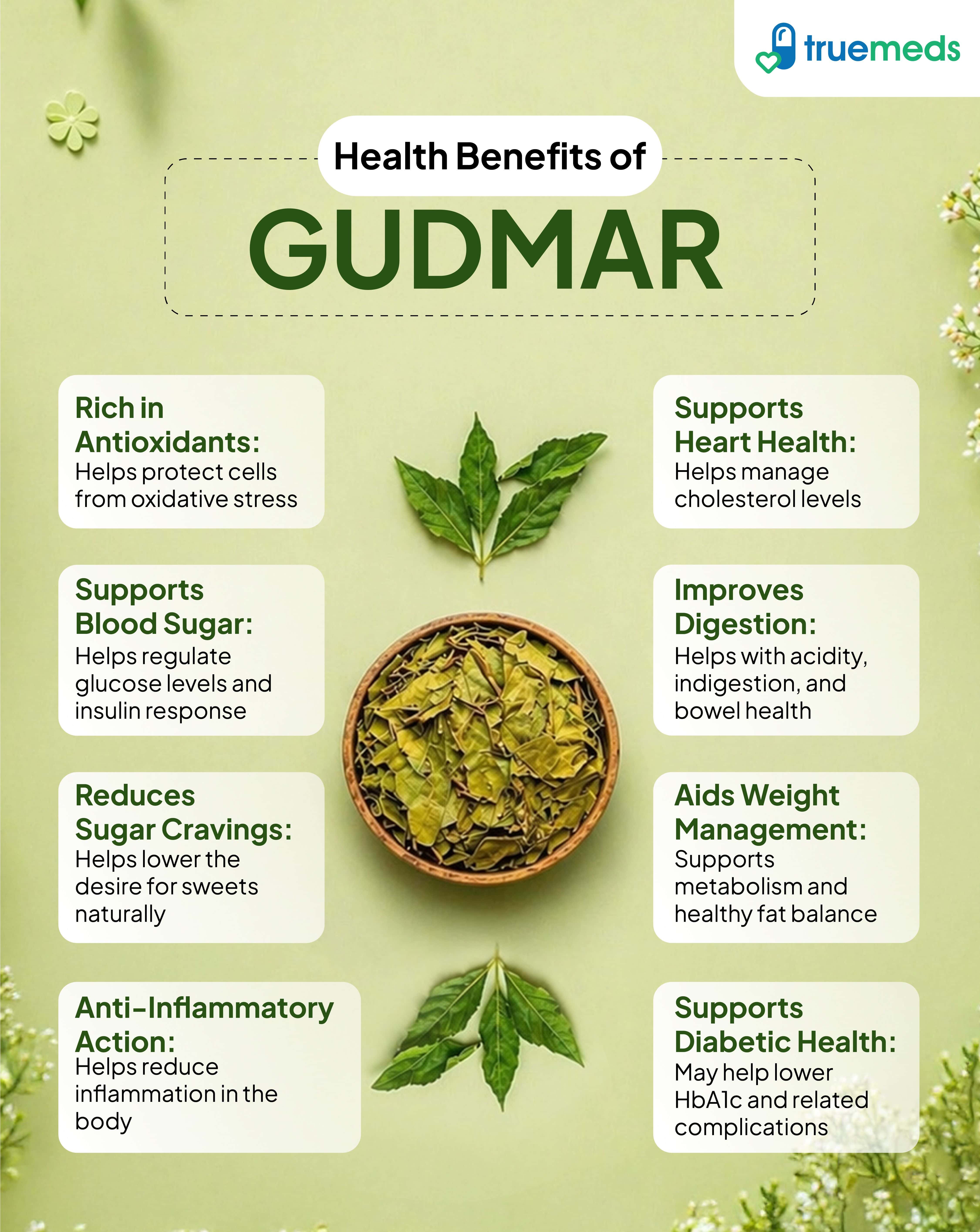
Supporting Healthy Blood Sugar Levels
Gymnemic acids in Gudmar have been studied for their potential effects on glucose absorption and blood sugar regulation. Some human studies in people with type 2 diabetes report improved blood glucose control when Gudmar was used alongside standard treatment, not instead of it. Anyone on diabetes medication should monitor blood sugar closely and consult their doctor before adding Gudmar.
Reducing Sugar Cravings and Supporting Weight Management
Gudmar temporarily dulls the tongue's ability to taste sweetness, which is traditionally believed to reduce the desire for sugary foods (Turner et al., 2020). Some small studies suggest this may support modest weight management when combined with diet and exercise (Nani et al., 2023). It is not established as a stand-alone weight-loss treatment and should not replace medical advice for obesity.
Supporting Healthy Cholesterol Levels
Early research suggests Gudmar may influence blood lipid levels, but evidence in humans is limited (Nani et al., 2023). Gudmar is not a treatment for diagnosed heart disease; anyone with a heart condition should continue prescribed treatment and speak with their doctor before using Gudmar.
Supporting Digestion
In traditional Ayurvedic use, Gudmar is taken to stimulate digestive fire (Agni) and ease occasional indigestion. It is traditionally believed to have a mild effect on regular bowel movement. This is based on traditional use rather than robust clinical trial evidence.
Antioxidant and Anti-Inflammatory Support
Flavonoids, beta-amyrin, and lupeol in Gudmar have shown antioxidant and anti-inflammatory activity in laboratory studies (Tiwari et al., 2014). This research is largely limited to laboratory and animal studies, so it should be considered an area of ongoing research rather than evidence of a proven benefit in humans with inflammatory conditions.
Common Uses of Gudmar
Gudmar is traditionally used in the following situations, alongside, not instead of, any treatment prescribed by a doctor.
As Part of Diabetes Management Support
Traditionally taken alongside prescribed diabetes treatment, under medical supervision, as an adjunct to help support blood sugar management.
For Occasional Sugar Cravings
Traditionally chewed as a leaf or taken as a powder before meals when someone wants support in reducing a strong desire for sweet foods.
As a Digestive Aid
Traditionally used in small doses before meals to support digestion and appetite.
As Part of a Weight Management Routine
Traditionally included in herbal routines aimed at supporting weight management, alongside diet and physical activity, not as a stand-alone solution.
Precautions While Taking Gudmar
A few precautions apply to most people considering Gudmar. These are set out below.
Blood Sugar Monitoring
People taking insulin or other blood sugar-lowering medicines should monitor their blood sugar closely when using Gudmar, as the combination may increase the risk of hypoglycaemia (blood sugar dropping too low).
Medical Consultation
Anyone on medication for diabetes, heart disease, or another chronic condition should consult a doctor before starting Gudmar, as it may affect blood sugar levels and could potentially interact with some medicines.
Pregnancy and Breastfeeding
There is not enough safety evidence to recommend Gudmar during pregnancy or breastfeeding. It should be avoided unless a qualified doctor advises otherwise.
Allergies
People with a known allergy to plants in the Apocynaceae (milkweed) family should use caution, as an allergic reaction is possible.
Children
Safety data in children are limited. Gudmar should not be given to children unless specifically advised by a doctor.
How to Use Gudmar
Gudmar is available in several forms. How it is taken depends on the form and should follow a doctor's or Ayurvedic practitioner's guidance.
Powder
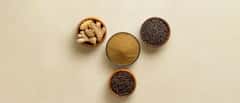
Mixed into warm water, generally before meals, in the amount advised by a practitioner.
Capsules and Tablets
Swallowed whole with water, generally with or after a meal, following the dose printed on the product label or advised by a practitioner.
Liquid Extract
A small number of drops are placed under the tongue or diluted in water, as directed on the product label or by a practitioner.
Herbs Traditionally Used With Gudmar
Gudmar is traditionally combined with other Ayurvedic herbs that share a similar traditional focus on blood sugar and metabolic support. The table below sets out the main ones.
| Herb | Traditional Use Alongside Gudmar |
| Vijaysar (Pterocarpus marsupium) | Vijaysar is traditionally paired with Gudmar to support healthy blood sugar levels; often taken as a decoction alongside Gudmar powder. |
| Karela (Momordica charantia) | Karela is traditionally combined with Gudmar in blood sugar-support blends, with each herb traditionally believed to have different effects on glucose metabolism. |
| Jamun (Syzygium cumini) | Jamun seed is traditionally used with Gudmar to support healthy glucose metabolism and digestion. |
| Methi (Trigonella foenum-graecum) | Fenugreek seed is traditionally added to Gudmar blends for its soluble fibre content, which may help slow carbohydrate absorption. |
Recommended Dosage of Gudmar
Dosage needs vary by age and health status. The ranges below are general guidance only; a doctor or Ayurvedic practitioner should confirm the right dose for each person, particularly for anyone on diabetes medication.
Children
Not recommended for children unless specifically prescribed by a doctor, due to limited safety data.
Teenagers
Not generally recommended without medical supervision; a doctor should be consulted before use.
Adults
Typically 2 to 4 grams of powder daily, in divided doses, or as directed on a specific product label. Practitioners may advise a different amount based on individual health needs.
Elderly
Generally the same range as for adults, but it should be started at the lower end and adjusted under medical guidance, especially if other medicines are being taken.
Side Effects of Gudmar
Most people tolerate Gudmar well at recommended doses. The side effects below may occur, particularly at higher doses or when combined with certain medicines.
Hypoglycaemia (Low Blood Sugar)
Gudmar's blood sugar-lowering effect can add to that of diabetes medication, increasing the risk of hypoglycaemia. Signs include shakiness, sweating and dizziness. Anyone experiencing these symptoms should check their blood sugar, if possible, and seek medical advice if symptoms are severe or do not improve.
Digestive Discomfort
Some people may experience mild nausea, stomach discomfort or loose stools, particularly when starting Gudmar.
Headache and Dizziness
Taking more than the recommended amount may be associated with headache and light-headedness in some users.
Allergic Reactions
Skin rash or itching may occur in some people, particularly those with a known allergy to plants in the Apocynaceae family.
Interaction of Gudmar With Other Drugs
Gudmar may interact with some medicines, particularly those that affect blood sugar. Anyone taking the medicines below should consult a doctor before using Gudmar.
Antidiabetic Medication (Insulin and Oral Drugs)
Combining Gudmar with insulin or oral diabetes medication may lower blood sugar further, raising the risk of hypoglycaemia (Baskaran et al., 1990). Blood sugar should be monitored closely if the two are used together, under medical supervision.
Cholesterol-Lowering Medication
Gudmar may affect blood lipid levels, but a clinically significant interaction with cholesterol-lowering medicines has not been established in humans. If you take these medicines, consult your doctor before using Gudmar regularly.
Weight-Management Medication
Combining Gudmar with prescription weight-loss medication has not been well studied, so a specific interaction cannot be confirmed. Consult your doctor before combining the two.
Storage of Gudmar
Store Gudmar powder, capsules or extract in an airtight container, away from direct sunlight and moisture, in a cool, dry place. Keep it out of reach of children, and check the product label for an expiry or best-before date before use.
Key Takeaways
- Blood sugar support: Gudmar is traditionally used and has been studied to a limited extent for its potential to support healthy blood sugar levels alongside prescribed diabetes treatment, not instead of it.
- Possible side effects: Taken in excess or combined with diabetes medication, Gudmar may increase the risk of hypoglycaemia, digestive discomfort or an allergic reaction in sensitive individuals.
- Medication interactions: Gudmar may interact with blood sugar-lowering medicines, while clinically significant interactions with cholesterol-lowering medicines have not been established in humans; medical advice is recommended before combining them.
- Who should avoid it: Gudmar should generally be avoided during pregnancy and breastfeeding, and in children unless specifically advised by a doctor. People with a known allergy to plants in the Apocynaceae family should also use caution.
FAQs
Does Gudmar help manage diabetes?
Can Gudmar help manage cholesterol?
Can Gudmar be beneficial for weight management?
Does Gudmar help with inflammation?
What are the general benefits of Gudmar powder?
How is Gudmar used for blood sugar support?
How should Gudmar powder be taken?
How is Gudmar prepared from the raw leaf?
References
- Baskaran, K., Kizar Ahamath, B., Radha Shanmugasundaram, K., & Shanmugasundaram, E. R. (1990). Antidiabetic effect of Gymnema sylvestre leaf extract in type 1 diabetic patients. Journal of Ethnopharmacology, 30(3), 295–305. https://doi.org/10.1016/0378-8741(90)90108-6
- Nani, A., Bertuzzi, F., Meneghini, E., Mion, E., & Pintaudi, B. (2023). Combined inositols, α-lactalbumin, Gymnema sylvestre and zinc improve the lipid metabolic profile of patients with type 2 diabetes mellitus: A randomized clinical trial. Journal of Clinical Medicine, 12(24), Article 7650. https://doi.org/10.3390/jcm12247650
- Sahu, A. N., Jha, S., & Dubey, S. D. (n.d.). Gymnema sylvestre (Gurmar): A review. Der Pharmacia Lettre. https://www.scholarsresearchlibrary.com/articles/gymnema-sylvestre-gurmar-a-review.pdf
- Tiwari, P., Mishra, B. N., & Sangwan, N. S. (2014). Phytochemical and pharmacological properties of Gymnema sylvestre: An important medicinal plant. BioMed Research International, 2014, Article 830285. https://doi.org/10.1155/2014/830285
- Turner, S., Diako, C., Kruger, R., Wong, M., Fletcher, A., Ballance, S., & Loveday, S. M. (2020). Consuming Gymnema sylvestre reduces the desire for high-sugar sweet foods. Nutrients, 12(4), Article 1046. https://doi.org/10.3390/nu12041046
- Pandey, A. K., & Yadav, S. (2010). Variation in gymnemic acid content and non-destructive harvesting of Gymnema sylvestre (Gudmar). Journal of Ayurveda and Integrative Medicine, 1(3), 186–190. https://doi.org/10.4103/0974-8490.72330

Explore other categories
Latest health articles




Top Health Essentials


Top-selling ayurvedic products













Disclaimer
Top-Selling Medicines:
...View more
Top-OTC medicines:
...View more
Top-selling healthcare devices:
...View more
Company
About UsHealth ArticleHealth StoriesHealth LibraryDiseases & Health ConditionsAyurvedaUnderstanding Generic MedicinesAll MedicinesAll BrandsNeed HelpFAQSecuritySavings CalculatorAdvertise with UsSubscribe
Registered Office Address
Grievance Officer
Download Truemeds


Contact Us
Our customer representative team is available 7 days a week from 9 am - 9 pm.
v4.28.13

2026 - Truemeds | All rights reserved. Our content is for informational purposes only. See additional information.

Our Payment Partners




