

- Medicines
- Personal Care
- Skin Cream
- Sunscreen
- Face Wash
- Skin and Body Soap
- Acne Care
- Body Lotions
- Moisturising Lotion
- Moisturising Cream
- Mosquito Repellent
- Moisturising Gel
- Body Wash
- Hair Oils
- Hair Shampoo
- Hair Conditioners
- Hair Supplements
- Hair Colour
- Hair Serum
- Hair Mask
- Hair Solutions
- Baby Diapers and Wipes
- Baby Lotion and Moisturising Cream
- Baby Bath Essentials
- Baby Skin Care
- Baby and Infant Food
- Baby Healthcare
- Women Multivitamins
- Ovulation Test Kit and Women Intimate Care
- Sanitary Pads
- Nutritional Drinks
- Condoms
- Lubricants
- Massage Gels
- Personal Body Massagers
- Men Performance Booster
- Sexual Health Supplements
- Massage Oils
- Ayurveda
- Tooth Paste
- Mouth Ulcer Gel
- Mouthwash
- Toothache and Gum Pain
- Tooth Brush
- Gargle Solution
- Orthopaedic Supports
- Adult Diapers
- Footwear
- Mobility and Support Accessories
- Urinary Support and Care
- Health Conditions
- Bone and Joint Care
- Digestive Care
- Eye Care
- Pain Relief
- Smoking Cessation
- Liver Care
- Stomach Care
- Cold and Cough
- Heart Care
- Kidney Care
- Piles, Fissures & Fistula
- Respiratory Care
- Mental Wellness
- Derma Care
- Pre and Probiotics
- Acidity
- Gas
- Constipation
- Loose Motion/Diarrhoea
- Digestive Fibres
- Digestive Enzymes
- Eye Lubricant Drops
- Lens Solution
- Safety Eye Wear
- Eye Cream
- Eye Vitamins and Supplements
- Eye Drops
- Eye Ointment and Gel
- Nicotine Patch
- Nicotine Gum
- Nicotine Lozenges
- Cough Syrups
- Chest Rubs and Balms
- Nasal Spray
- Lozenges
- Inhalant Capsules
- Cold and Cough Tablets
- Vitamins & Supplements
- Diabetes Care
- Healthcare Devices
- Homeopathic Medicine
- Health Guide
Psoriasis
Psoriasis is a chronic autoimmune disease that causes inflammation and scaly patches on the skin. It involves the immune system, genetics, and environmental factors, and can be painful and affect quality of life. There are several types of psoriasis, each with distinct symptoms and characteristics.
 50
50Last updated on : 26 May, 2026
Read time : 12 mins
Overview of Psoriasis
As a chronic skin condition affecting millions worldwide, psoriasis can cause significant physical and emotional distress. Despite its prevalence, psoriasis remains poorly understood, and many people struggle to find effective treatments.
In this article, we will provide an overview of psoriasis, its types and symptoms, and discuss the current understanding of this complex condition.
What is Psoriasis?
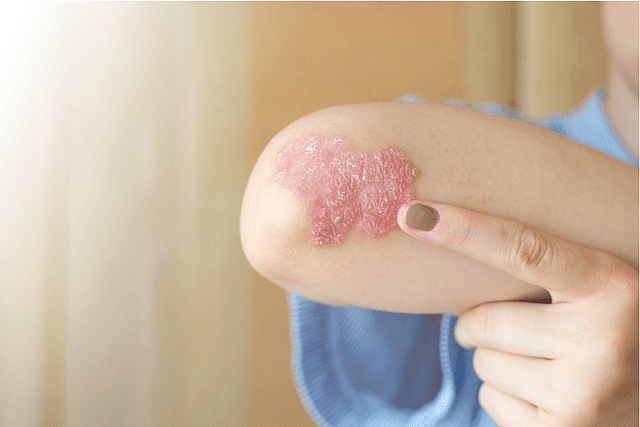
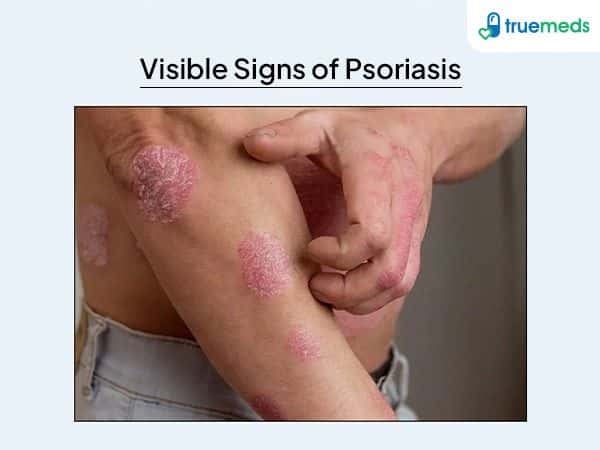
Psoriasis is a skin condition that causes red, itchy, and scaly patches, usually on the knees, elbows, back, and scalp.
It is a long-term condition that has no cure, but symptoms can come and go. It may cause discomfort, affect sleep, and make it hard to focus. Flare-ups can happen due to infections, skin injuries, or certain medications.
While psoriasis cannot be cured, treatments and healthy lifestyle habits can help manage symptoms and improve daily life.
Key Factors about Psoriasis
| Category | Details |
| Also Referred as | Psoriasis vulgaris |
| Commonly Occurs In | Elbows Knees Scalp Lower back Hands Feet Genitals |
| Affected Organ | Skin Joints (in psoriatic arthritis) |
| Type | Plaque psoriasis Guttate psoriasis Inverse psoriasis Pustular psoriasis Erythrodermic psoriasis Psoriatic arthritis |
| Common Signs | Red, itchy, scaly skin patches Thickened, pitted nails Joint pain and swelling |
| Consulting Specialist | Dermatologist Rheumatologist (for psoriatic arthritis) Immunologist |
| Treatement Procedures | Topical treatments (creams, ointments) Phototherapy Systemic therapies (oral or injected medicines) Biologics |
| Managed By | Corticosteroids Topical retinoids (e.g., tazarotene) Calcineurin inhibitors: tacrolimus, pimecrolimus Salicylic acid Light therapy Methotrexate Retinoids Ciclosporin Topical corticosteroids (Triamcinolone) |
| Mimiciking Condition | Eczema Seborrhoeic dermatitis Pityriasis rosea Mycosis fungoides Secondary syphilis |
Types of Psoriasis
Psoriasis presents in various forms, each with unique symptoms and traits: (National Psoriasis Foundation)
1. Plaque psoriasis
The most prevalent type of psoriasis that is characterised by raised, red lesions with silvery-white scales, commonly on the elbows, knees, scalp, and lower back.
2. Guttate psoriasis
Primarily affects children, with small red spots appearing on the torso and limbs, often after an upper respiratory infection.
3. Pustular psoriasis
Marked by skin blisters filled with pus, usually on the palms and soles, potentially triggered by medications, infections, or stress.
4. Inverse psoriasis
Impacts skin folds like the groin and buttocks, worsening with friction and perspiration.
5. Erythrodermic psoriasis
Although rare, this type is severe. It causes widespread body redness and scaling, sometimes due to sunburn or certain drugs.
6. Psoriatic arthritis
Causes joint pain and inflammation, in addition to skin symptoms.
Symptoms of Psoriasis
Some common symptoms of psoriasis include:
- Thick, red skin patches with silvery-white scales that itch or burn
- Commonly appear on elbows, knees, scalp, trunk, palms, and soles of feet
- Dry, cracked skin prone to itching and bleeding
- Thick, ridged, or pitted nails
- Poor sleep quality owing to discomfort
- A rash that looks different for each person, from small flakes like dandruff to large patches covering the body.
- Rash colours may vary, purple with grey scales on brown or Black skin, and pink or red with silver scales on white skin.
- Small, scaly spots, which are more common in children.
- Itching, burning, or soreness in the affected areas.
- Rashes that come and go, flaring up for weeks or months before improving.
The specific symptoms of psoriasis can vary depending on the type:
- Plaque psoriasis causes red, scaly plaques, most frequently on the scalp, knees, lower back, hands, and feet
- Guttate psoriasis appears as small, reddish, white-scaled spots on the chest, abdomen, arms, and thighs, often triggered by strep infections.
- Inverse psoriasis leads to smooth, shiny, red skin in the armpits, groin, genitals, and under the breasts.
- Pustular psoriasis causes pus-filled bumps surrounded by red skin, typically on the hands and feet, but can be generalised.
- Erythrodermic psoriasis is a rare, severe type that causes red, scaly skin over most of the body, along with fever, chills, and dehydration.
What part of the body will psoriasis affect?
- Scalp: red, scaly patches on the scalp
- Elbows: dry, cracked skin on the elbows
- Knees: red, scaly patches on the knees
- Lower back: dry, cracked skin on the lower back
- Hands and feet: red, scaly patches on the hands and feet
- Nails: thickening, pitting, or separation of the nails
- Joints
The location and extent of psoriasis symptoms can vary significantly from person to person. While some individuals may have only a few small patches, others can experience widespread coverage. Working closely with a dermatologist can help determine the most effective psoriasis treatment plan based on the specific areas of the body affected.
Causes of Psoriasis
Some of the common causes for psoriasis: (American Academy of Dermatology Association)
- Psoriasis occurs when the immune system overreacts, causing skin inflammation.
- Typically, the immune system fights off germs like bacteria, but in psoriasis, it mistakenly attacks healthy skin cells.
- This leads to swelling and thick, scaly patches on the skin.
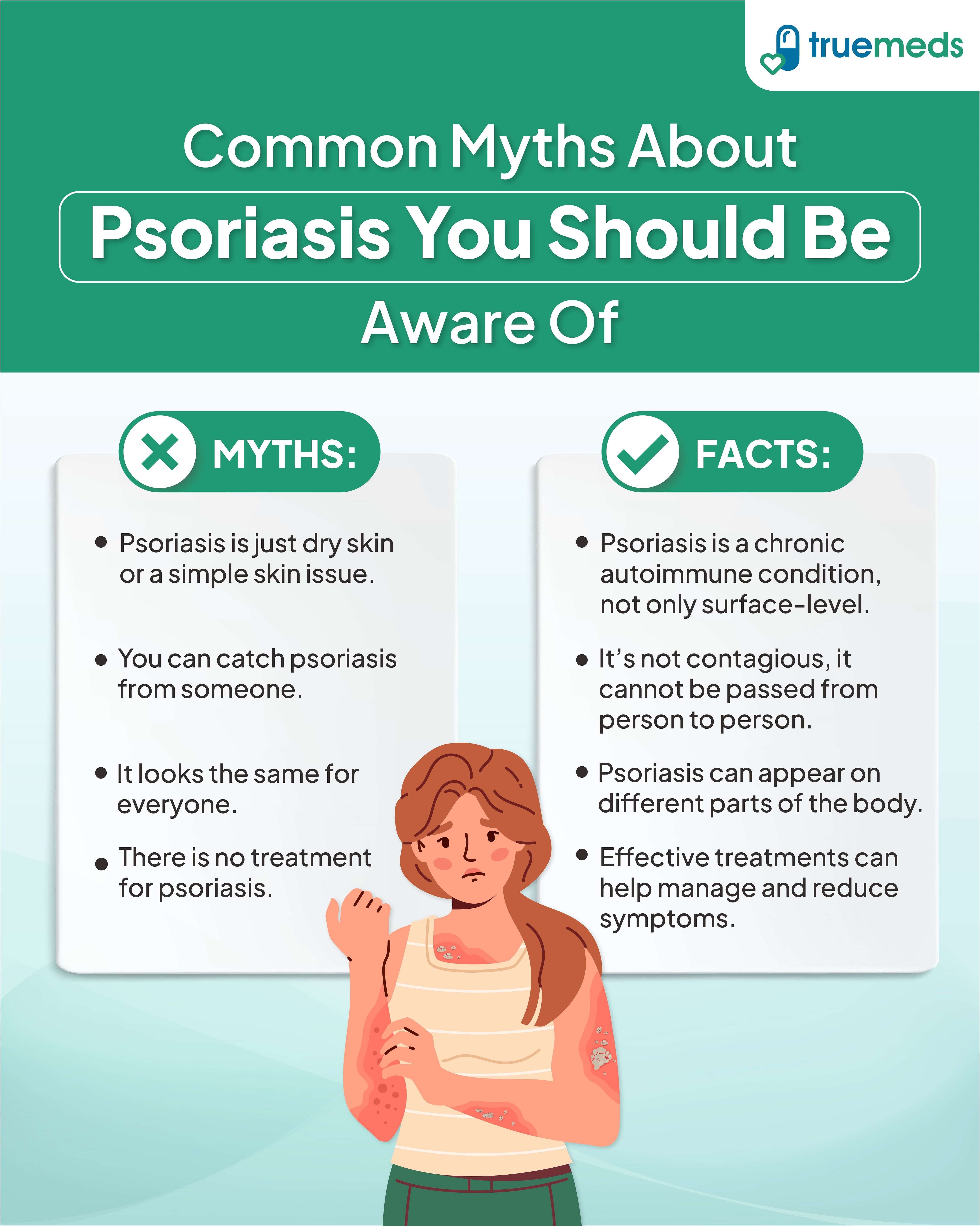
- New skin cells usually take about 28 days to grow, but with psoriasis, they develop in just 3 to 5 days. This causes rapid skin shedding.
- Psoriasis can run in families, meaning parents may pass it down to their children.
Risk Factors of Psoriasis
While the exact cause of psoriasis remains unknown, several risk factors can increase your likelihood of developing this chronic skin condition. Some of the risk factors for developing psoriasis include the following:
1. Family history
Having a parent, sibling, or child with psoriasis increases your risk of developing the condition.
2. Age
Psoriasis can develop at any age, but often first appears between the ages of 15 and 35.
3. Smoking
Cigarette smoking not only increases the risk of developing psoriasis but can also make the condition more severe.
4. Obesity
Being overweight or obese is associated with an increased risk of psoriasis and can make treatment more challenging.
5. Stress
High stress levels can trigger psoriasis flare-ups or worsen existing symptoms.
6. Infections
Certain infections, such as strep throat or skin infections, can trigger psoriasis or exacerbate symptoms.
7. Medications
Some medications, including beta-blockers, lithium, and antimalarial medicines, can trigger or worsen psoriasis in some individuals.
Complications of Psoriasis
Psoriasis, an autoimmune inflammatory disease, can lead to several significant complications beyond its characteristic skin symptoms.
- Psoriatic arthritis is a common complication affecting up to 40% of patients, causing pain, stiffness, and swelling in and around the joints. If left untreated, psoriatic arthritis can lead to permanent joint deformities.
- Patients with psoriasis, especially those with psoriatic arthritis, may experience eye issues such as uveitis, conjunctivitis, and blepharitis, which can lead to vision problems and potentially permanent vision loss if left untreated.
- Scalp psoriasis may cause temporary hair shedding, usually reversible and related to inflammation or scratching, adding to the emotional and psychological impact of the disease.
- Furthermore, psoriasis may be associated with a slightly increased risk of lymphoma, particularly in severe disease or with certain systemic treatments.
Living with psoriasis can also lead to anxiety, depression, and significant psychological distress, affecting social and working life.
Prevention of Psoriasis
While there is no surefire way to prevent psoriasis, adopting certain lifestyle habits and taking proactive measures can help reduce your risk of developing the condition or experiencing frequent flare-ups.
1. Manage stress
Practice stress-reducing techniques like meditation, deep breathing, or engaging in hobbies to help prevent psoriasis flare-ups.
2. Maintain a healthy weight
Adopt a balanced diet and regular exercise routine to maintain a healthy weight, as obesity can worsen psoriasis symptoms.
3. Avoid triggers
Identify and avoid personal triggers, such as specific foods, alcohol, or environmental factors that seem to aggravate your psoriasis.
4. Moisturise regularly
Keep your skin well-hydrated by applying moisturiser frequently, especially after bathing or showering, to help prevent dryness and itching.
5. Protect your skin
Use sunscreen when outdoors and avoid skin injuries, as even minor cuts, scrapes, or sunburns can trigger a psoriasis flare.
6. Quit smoking
If you smoke, quitting can help reduce your risk of developing psoriasis or experiencing more severe symptoms.
7. Follow treatment plans
Adhere to your prescribed treatment regimen, as consistent management can help prevent psoriasis flare-ups and keep symptoms under control.
Diagnosis & Tests of Psoriasis
Here are some common methods used for diagnosing and testing for psoriasis:
1. Physical examination
A dermatologist will closely examine the skin, scalp, and nails for signs of psoriasis, such as red, scaly patches, nail pitting or separation, and joint tenderness or swelling.
2. Medical history
The doctor will ask about your symptoms, recent illnesses, stress levels, family history of psoriasis, and other medical conditions to gain a comprehensive understanding of your health.
3. Skin biopsy
In some cases, a small skin sample may be taken and analysed under a microscope to confirm the psoriasis diagnosis and rule out other skin disorders that may have similar appearances.
4. Blood tests
While no specific blood test can diagnose psoriasis, it may be used to monitor treatment or exclude other conditions.
5. Imaging tests
If you have signs of psoriatic arthritis, your doctor may recommend X-rays, CT scans, ultrasound, or MRI to assess the extent of joint inflammation and damage.
Treatment & Management of Psoriasis
Managing psoriasis requires a multifaceted approach that is tailored to the severity and extent of the condition. Below are the key treatment approaches:
1. Topical Therapy
- Topical treatments are the first-line approach for mild to moderate psoriasis.
- Corticosteroids help reduce inflammation and slow excessive skin cell production.
- Coal Tar is used to ease itching and scaling by reducing excessive skin cell growth.
- Anthralin helps normalise skin cell development and is often used for chronic plaque psoriasis.
- Tazarotene, a topical retinoid, promotes skin cell turnover and reduces inflammation.
- Tacrolimus, a calcineurin inhibitor, is used for sensitive areas, such as the face and groin.
- Salicylic Acid acts as a keratolytic agent, helping to soften and remove skin scales.
2. Systemic Therapy
- In moderate-to-severe cases, oral or injectable systemic medications may be prescribed.
- Methotrexate suppresses the immune system activity to reduce inflammation.
- Cyclosporine is an immunosuppressant that slows overactive immune responses.
- Thioguanine is an alternative immunosuppressive medication that helps in chronic psoriasis cases.
- Hydroxyurea works by slowing skin cell production, offering relief in some instances.
3. Phototherapy
- Controlled exposure to narrowband UVB phototherapy is beneficial for slowing skin cell turnover.
- This therapy is administered in a doctor’s office or through a home phototherapy unit.
4. Newer Treatments
- TYK2 inhibitors, such as Deucravacitinib, have recently been approved for moderate-to-severe plaque psoriasis in adults.
5. Lifestyle Modifications
- Keeping the skin moisturised helps prevent flares.
- Maintaining a healthy weight reduces stress on the immune system.
- Managing stress levels can help prevent worsening psoriasis symptoms.
- Avoiding triggers such as smoking and excessive alcohol consumption is essential for long-term symptom control.
A combination of these therapies is often required for effective psoriasis management. Consulting a healthcare provider ensures the best treatment plan for each individual's needs.
Living with Disease
Managing psoriasis requires a comprehensive approach focusing on lifestyle modifications and regular medical care.
- Maintaining a healthy lifestyle is crucial, including following a balanced diet to reduce the risk of comorbidities such as obesity and metabolic syndrome, avoiding smoking and excessive alcohol consumption, and engaging in regular physical activity to keep joints mobile and reduce the risk of cardiovascular disease.
- Regular medical check-ups with your dermatologist and other doctors are essential for monitoring the disease and managing complications early.
- It is important to follow the prescribed psoriasis treatment plan diligently to control psoriasis symptoms and prevent long-term damage.
- Considering counselling or support groups can help address the psychological impacts of living with psoriasis.
When to See a Doctor?
- It is crucial to seek medical attention if you experience any new or worsening psoriasis symptoms.
- If you have psoriasis and start experiencing joint pain or stiffness, consult your doctor to rule out psoriatic arthritis.
- Sudden onset or worsening of skin symptoms, such as the appearance of new plaques or the spreading of existing ones, should be reported to your dermatologist.
- If your current psoriasis therapy is not effectively controlling your symptoms, or if you experience side effects from your medications, discuss alternative treatment options with your doctor.
- Seek immediate medical attention if you develop severe skin infections, as psoriasis can increase the risk of skin infections.
- Lastly, if you notice any changes in your vision or experience eye discomfort, consult an ophthalmologist promptly to prevent potential vision loss.
Key Takeaways
- Psoriasis is a chronic immune-mediated inflammatory disease that primarily affects the skin but can also lead to various complications, including psoriatic arthritis, eye problems, and an increased risk of other diseases.
- The exact reason for psoriasis is not known, but it is believed to involve a combination of genetic and environmental factors that trigger an overactive immune response.
- Common signs of psoriasis include red, scaly patches on the skin, itching, burning, and, in some cases, joint pain or stiffness.
- While there is no cure for psoriasis, various treatment options are available to manage symptoms and prevent complications, including topical medications, phototherapy, and systemic therapies.
- Living with psoriasis requires a comprehensive approach that includes maintaining a healthy lifestyle, regular medical check-ups, and addressing the psychological impacts of the disease.
FAQs
What is the primary reason behind the development of psoriasis?
Is there a way to completely cure psoriasis?
Is psoriasis caused by a fungal infection?
What are the most common triggers for psoriasis flare-ups?
Can psoriasis be considered a serious health condition?
Is psoriasis contagious through physical contact?
Is hair loss a potential consequence of psoriasis?
References
- Armstrong, A. W., Siegel, M. P., Bagel, J., Boh, E. E., Buell, M., Cooper, K. D., Callis Duffin, K., Eichenfield, L. F., Garg, A., Gelfand, J. M., Gottlieb, A. B., Green, L., Koo, J., Korman, N. J., Krueger, G. G., Lebwohl, M., Leonardi, C. L., Mandelin, A. M., Menter, A., ... Van Voorhees, A. S. (2017). From the Medical Board of the National Psoriasis Foundation: Treatment targets for plaque psoriasis. Journal of the American Academy of Dermatology, 76(2), 290-298. https://doi.org/10.1016/j.jaad.2016.10.017
- Psoriasis clinical guideline. (n.d.). https://www.aad.org/member/clinical-quality/guidelines/psoriasis
- Griffiths, C., Armstrong, A. W., Gudjonsson, J. E., & Barker, J. (2021). Psoriasis. Lancet (London, England), 397(10281), 1301-1315. https://doi.org/10.1016/S0140-6736(20)32549-6
- National Institute of Arthritis and Musculoskeletal and Skin Diseases. (2020). Psoriasis. https://www.niams.nih.gov/health-topics/psoriasis
- Types of psoriasis. (n.d.). https://www.psoriasis.org/locations-and-types/
- Psoriasis: causes. (n.d.). https://www.aad.org/public/diseases/psoriasis/what/causes
Check Related Salts
Latest health articles

Top Health Essentials














Disclaimer
Top-Selling Medicines:
...View more
Top-OTC medicines:
...View more
Company
About UsHealth ArticleHealth StoriesHealth LibraryDiseases & Health ConditionsAyurvedaUnderstanding Generic MedicinesAll MedicinesAll BrandsNeed HelpFAQSecuritySavings CalculatorAdvertise with UsSubscribe
Registered Office Address
Grievance Officer
Download Truemeds


Contact Us
Our customer representative team is available 7 days a week from 9 am - 9 pm.
v4.28.20

2026 - Truemeds | All rights reserved. Our content is for informational purposes only. See additional information.

Our Payment Partners