

- Medicines
- Personal Care
- Skin Cream
- Sunscreen
- Face Wash
- Skin and Body Soap
- Acne Care
- Body Lotions
- Moisturising Lotion
- Moisturising Cream
- Mosquito Repellent
- Moisturising Gel
- Body Wash
- Hair Oils
- Hair Shampoo
- Hair Conditioners
- Hair Supplements
- Hair Colour
- Hair Serum
- Hair Mask
- Hair Solutions
- Baby Diapers and Wipes
- Baby Lotion and Moisturising Cream
- Baby Bath Essentials
- Baby Skin Care
- Baby and Infant Food
- Baby Healthcare
- Women Multivitamins
- Ovulation Test Kit and Women Intimate Care
- Sanitary Pads
- Nutritional Drinks
- Condoms
- Lubricants
- Massage Gels
- Personal Body Massagers
- Men Performance Booster
- Sexual Health Supplements
- Massage Oils
- Ayurveda
- Tooth Paste
- Mouth Ulcer Gel
- Mouthwash
- Toothache and Gum Pain
- Tooth Brush
- Gargle Solution
- Orthopaedic Supports
- Adult Diapers
- Footwear
- Mobility and Support Accessories
- Urinary Support and Care
- Health Conditions
- Bone and Joint Care
- Digestive Care
- Eye Care
- Pain Relief
- Smoking Cessation
- Liver Care
- Stomach Care
- Cold and Cough
- Heart Care
- Kidney Care
- Piles, Fissures & Fistula
- Respiratory Care
- Mental Wellness
- Derma Care
- Pre and Probiotics
- Acidity
- Gas
- Constipation
- Loose Motion/Diarrhoea
- Digestive Fibres
- Digestive Enzymes
- Eye Lubricant Drops
- Lens Solution
- Safety Eye Wear
- Eye Cream
- Eye Vitamins and Supplements
- Eye Drops
- Eye Ointment and Gel
- Nicotine Patch
- Nicotine Gum
- Nicotine Lozenges
- Cough Syrups
- Chest Rubs and Balms
- Nasal Spray
- Lozenges
- Inhalant Capsules
- Cold and Cough Tablets
- Vitamins & Supplements
- Diabetes Care
- Healthcare Devices
- Homeopathic Medicine
- Health Guide
Sinusitis
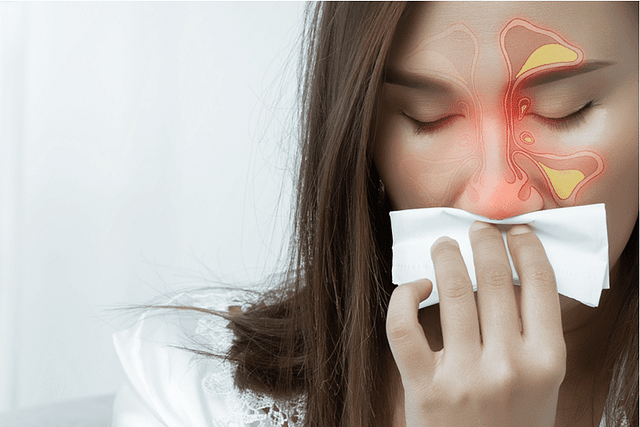
Sinusitis, or sinus infection, is a common condition characterised by inflammation of the sinuses. It can be caused by viruses, bacteria, fungi, or allergies, leading to symptoms such as facial pain, nasal congestion, and headaches. Sinusitis is classified into various types based on its duration and cause.
 50
50Last updated on : 08 May, 2026
Read time : 13 mins
Overview of Disease
Sinusitis, a prevalent health condition affecting millions globally, is also known as a sinus infection and can significantly impact an individual's quality of life. Understanding the causes, symptoms, and types of sinusitis is crucial for providing appropriate management. Here, we will explore the details of sinusitis, its various types, and essential information to help readers better comprehend this condition.
What is Sinusitis (Sinus Infection)?
Sinusitis, or sinus infection, is a condition characterised by the inflammation or swelling of the tissue lining the sinuses, which are air-filled cavities located in the face. The primary function of the sinuses is to produce mucus that drains into the nose, helping to keep it clean and free from bacteria, allergens, and other germs.
However, when the sinuses become blocked and filled with fluid, it creates an environment conducive to the growth of germs, leading to an infection. Sinusitis can be triggered by various factors, including viruses, bacteria, fungi, and allergies. Recognising the signs and understanding the underlying causes of sinusitis are essential for seeking appropriate medical attention and managing the condition effectively.a
Key Factors about Sinusitis
| Category | Details |
| Also Referred to as |
|
| Commonly Occurs In |
|
| Affected Organ |
|
| Type |
|
| Common Signs |
|
| Consulting Specialist |
|
| Treatment Procedures |
|
| Managed By |
|
| Mimiciking Condition |
|
Types of Sinusitis
Sinusitis can be classified into several distinct types based on its duration and underlying cause of the condition. These types include (MedlinePlus, 2024):
- Acute sinusitis: This type of sinusitis lasts up to 4 weeks and is typically caused by a viral infection, such as the common cold.
- Subacute sinusitis: Lasting between 4 and 12 weeks, subacute sinusitis often results from a bacterial infection or allergies.
- Chronic sinusitis: When sinusitis persists for more than 12 weeks, it is classified as chronic. This type can be caused by repeated or poorly treated acute infections, allergies, or anatomical abnormalities.
- Recurrent acute sinusitis: Defined as multiple episodes (usually ≥4 per year), with complete resolution between episodes.
Symptoms of Sinusitis
Sinusitis occurs when the sinuses become inflamed and swollen. This leads to various uncomfortable symptoms that can affect daily life. Common symptoms of sinusitis include:
- Thick, discoloured mucus from the nose or postnasal drip
- Blocked or stuffy nose (congestion), making it difficult to breathe through the nose
- Pain, tenderness, and swelling around the eyes, cheeks, nose, or forehead that worsen when bending over
- Reduced sense of smell and taste
Other symptoms may include ear pressure, headache, toothache, cough, sore throat, bad breath, and tiredness. The duration and severity of these symptoms can help categorise sinusitis into acute or chronic.
Causes of Sinusitis
Sinus infections are caused by inflammation or infection of the sinuses due to various factors. The primary causes include CDC (2024):
- Viral infections: Most commonly, the common cold virus.
- Bacterial infections: Can develop from blocked sinuses or secondary to a viral infection.
- Fungal infections: Less common but can occur, especially in individuals with weakened immune systems.
In addition to these primary causes, several other factors can contribute to the development of sinusitis:
- Allergies: Can cause the nasal and sinus passages to swell, leading to sinusitis.
- Nasal polyps: Growths in the sinuses that can block mucus drainage.
- Deviated nasal septum: Can obstruct sinus openings and lead to infection.
- Other medical conditions: Such as cystic fibrosis or HIV/AIDS, can predispose individuals to sinus infections.
Risk Factors
Several factors can increase the likelihood of developing sinusitis, a common sinus infection that causes inflammation of the sinus tissues.
1. Anatomical factors
- Nasal polyps or other anatomical defects that obstruct the sinuses
2. Infections
- Viral infections, such as the common cold or flu, are the most common cause of acute sinusitis
- Bacterial infections, which can follow viral infections or occur independently
- Fungal infections, more common in people with weakened immune systems
3. Allergies
- Allergic rhinitis (hay fever) can cause inflammation and blockage of the sinuses
- Exposure to allergens such as dust, pollen, or pet dander can trigger sinusitis symptoms
4. Environmental factors
- Air pollution and smoke exposure
- Changes in air pressure, such as during air travel or scuba diving
5. Medical conditions
- Asthma, which can cause inflammation in the airways and increase the risk of sinusitis
- Cystic fibrosis, a genetic disorder that affects mucus production and clearance
- Immune system disorders, such as HIV/AIDS or immunosuppressive medications
6. Lifestyle factors
- Smoking or exposure to secondhand smoke
- Frequent use of nasal decongestant sprays, which can cause rebound congestion (rhinitis medicamentosa)
Complications
While sinusitis is usually manageable, it can lead to complications if left untreated or if the infection spreads beyond the sinuses.
1. Chronic sinusitis
- Acute sinusitis that persists for more than 12 weeks or recurs frequently may be classified as chronic sinusitis
- Chronic sinusitis can cause persistent symptoms and may require long-term treatment
2. Orbital complications
- Infection can spread to the eye socket (orbit), causing:
- Periorbital cellulitis (infection of the eyelid and skin around the eye)
- Orbital cellulitis (infection of the fat and muscle tissue around the eye)
- Abscess formation
- These complications can lead to vision problems, including vision loss, if not treated promptly
3. Intracranial complications
- In rare cases, sinusitis can spread to the brain or the membranes surrounding it (meninges), causing:
- Meningitis (inflammation of the meninges)
- Brain abscess
- Epidural or subdural empyema (collection of pus between the skull and the brain)
- These complications are serious and require urgent medical attention
4. Bone infection
- Osteomyelitis, an infection of the bones surrounding the sinuses, can occur in severe cases of sinusitis
5. Mucocele formation
- A mucocele is a cyst-like collection of mucus that can form in the sinuses due to blockage
- Mucoceles can cause bone erosion and lead to complications if left untreated
Prevention of Sinusitis
Preventing sinusitis involves a combination of lifestyle changes, avoiding irritants, and maintaining good hygiene. Here are some key strategies:
1. Maintain good hygiene
- Frequently wash your hands, especially during cold and flu season, to prevent the spread of infections.
2. Keep your sinuses moist
- Use a humidifier to keep the air moist, and clean it regularly to avoid mould and mildew.
- Drink several glasses of water a day to keep mucus thin and loose.
- Use saline nasal sprays to keep your nasal passages moist.
3. Manage Allergies and Avoid Irritants
- Manage allergies effectively and avoid triggers such as dust, pollen, and pollution.
- Avoid smoking and secondhand smoke, as well as other irritants like chemical fumes and smoke.
4. Practice healthy habits
- Eat a balanced diet rich in fruits and vegetables to keep your immune system strong.
- Exercise regularly and get plenty of sleep to maintain overall health.
- Reduce stress levels, as stress can weaken your immune system.
5. Avoid infections
- Get an annual flu shot to prevent influenza, which can lead to sinusitis.
- Avoid close contact with people who have colds or other upper respiratory infections.
6. Other preventive measures
- Irrigate your sinuses regularly with a saline sinus wash to clear out mucus and debris.
- Routine use of probiotics is not specifically recommended for sinusitis prevention but may be considered in general gut health after antibiotic use
Diagnosis & Tests
Diagnosing sinusitis involves evaluating symptoms and performing physical examinations, sometimes in combination with imaging tests. The diagnostic process typically includes:
- Physical examination: A doctor will examine the nose, throat, and ears for signs of inflammation, swelling, or mucus buildup. They may also check for tenderness in the face and forehead.
- Nasal endoscopy: A thin, flexible tube with a light and camera (endoscope) may be inserted into the nose to visually examine the sinuses and detect any abnormalities.
- Imaging tests: In some cases, imaging tests such as CT scans or MRIs may be ordered to provide detailed images of the sinuses and identify any structural issues or complications.
- Allergy tests: If allergies are suspected to be a contributing factor, allergy tests may be performed to identify specific allergens.
- Mucus culture: Not routinely required but may be used in severe, recurrent, or treatment-resistant cases to identify the causative organism.
Treatment & Management
Sinusitis can be managed and treated through a combination of self-care, over-the-counter medications, and, in some cases, prescription medications:
1. Prescription Medications
In cases where over-the-counter treatments are insufficient, prescription medications may be required. Antihistamines like Chlorpheniramine may be helpful when allergies contribute to nasal congestion. If a bacterial infection is suspected, antibiotics such as Amoxicillin, with or without Clavulanate, are often the first-line treatment.
The typical course for adults lasts 5–7 days, while children may require 10–14 days. For patients allergic to penicillin or those who do not respond to initial treatment, alternative antibiotics are available to ensure effective bacterial eradication.
2. Over-the-Counter Medications
Over-the-counter medications play a crucial role in managing sinusitis symptoms, providing relief from congestion, pain, and inflammation.
- Saline nasal sprays help rinse and clear nasal passages, reducing irritation and mucus buildup.
- Intranasal corticosteroids such as Fluticasone and Budesonide effectively reduce swelling in the nasal passages, preventing further obstruction.
- Decongestants such as Xylometazoline or oxymetazoline provide temporary relief.
- Additionally, pain relievers such as Acetaminophen and Ibuprofen help manage facial pain and headaches.
Decongestants should be used only for short durations (≤3–5 days) to avoid rebound congestion.
3. Immunotherapy
For individuals whose sinusitis is triggered or worsened by allergies, immunotherapy can be an effective long-term solution. Allergy shots help desensitise the immune system to specific allergens, reducing inflammation and preventing recurrent sinus infections. This treatment involves receiving gradually increasing doses of the allergen over time, allowing the immune system to develop a tolerance.
Immunotherapy is particularly beneficial for patients with chronic allergic sinusitis who do not find relief through conventional medications. Addressing the root cause of allergic reactions helps minimise nasal inflammation and enhances overall respiratory health.
4. Self-Care and Home Remedies
- Rest helps the body fight the infection and speed recovery
- Drinking plenty of fluids to keep the sinuses moist
- Using a warm compress on the nose and forehead to lessen pressure
- Breathing in steam from a bowl of hot water or a hot shower to ease pain and help mucus drain
- Nasal lavage using a neti pot or a specially designed squeeze bottle to clear the sinuses
Living with Disease
Living with sinusitis can be challenging, but effective management strategies can significantly improve quality of life. Here are some tips for maintaining a healthy lifestyle and ensuring regular medical check-ups post-diagnosis.
1. Maintain nasal hygiene
- Regular nasal irrigation using saline solutions can help clear mucus and allergens from the nasal passages. This can be done with a neti pot or saline sprays, which are widely available. Aim to perform this daily, particularly during allergy seasons or when symptoms flare.
2. Stay hydrated
- Drinking plenty of fluids is crucial. Hydration helps thin mucus, making it easier to drain and reducing pressure in the sinuses. Warm beverages, such as herbal teas, can also provide soothing relief.
3. Manage allergens
- Identify and minimise exposure to allergens that may trigger sinusitis symptoms. This includes keeping your living space clean, using air purifiers, and avoiding smoking or secondhand smoke. Regularly changing your home's air filters can also help reduce irritants.
4. Utilise humidity
- Using a humidifier in your home can keep nasal passages moist, especially in dry climates or during winter when heating systems are in use.
5. Regular medical check-ups
- Schedule regular appointments with your doctor to monitor your condition. Discuss any persistent symptoms or changes in your health to ensure appropriate treatment adjustments.
When to See a Doctor?
While many cases of sinusitis can be managed at home, certain symptoms require prompt medical attention. Consult your doctor if you experience:
- Severe pain or swelling in your face or forehead
- A persistent fever above 101°F (38.3°C)
- Symptoms that last more than 10 days without improvement or keep returning
- Thick nasal discharge that is yellow, green, or blood-tinged
- Difficulty breathing or shortness of breath
- Changes in vision or severe headaches
- Neck stiffness or confusion
- Worsening symptoms despite home treatment
Key Takeaways
- Sinusitis is a common condition characterised by inflammation of the sinuses, leading to symptoms such as nasal congestion, facial pain, and mucus discharge.
- Risk factors for sinusitis include allergies, viral infections, structural abnormalities in the nose, and a weakened immune system.
- Sinusitis can be acute (lasting up to 4 weeks) or chronic (persisting for over 12 weeks).
- Preventing sinusitis involves maintaining good hygiene, keeping sinuses moist, managing allergies, practising healthy habits, and avoiding infections.
- Living with sinusitis requires a combination of medical treatments, lifestyle adjustments, self-care practices, and sometimes alternative therapies.
- Seek medical attention if you experience severe symptoms, persistent fever, prolonged or recurrent sinusitis, or worsening symptoms despite home treatment.
- By understanding the causes, symptoms, and management strategies for sinusitis, you can take steps to prevent the condition and minimise its impact on your quality of life.
FAQs
What is the primary reason for developing sinusitis?
What are three common sinusitis symptoms?
What are the treatment options for sinusitis?
Is it possible to completely cure sinusitis?
How can I unblock my sinuses?
What is the typical duration of a sinus infection?
Which medicines are most effective for treating sinus problems?
References
- Battisti, A. S., Modi, P., & Pangia, J. (2023). Sinusitis. StatPearls. https://www.ncbi.nlm.nih.gov/books/NBK470383/
- Centers for Disease Control and Prevention. (2024). Sinus infection (sinusitis). https://www.cdc.gov/sinus-infection/about/index.html
- MedlinePlus. (2024). Sinusitis. https://medlineplus.gov/ency/article/000647.htm
Check Related Salts
Browse Other Conditions
Latest health articles

Top Health Essentials












Disclaimer
Top-Selling Medicines:
...View more
Top-OTC medicines:
...View more
Company
About UsHealth ArticleHealth StoriesHealth LibraryDiseases & Health ConditionsAyurvedaUnderstanding Generic MedicinesAll MedicinesAll BrandsNeed HelpFAQSecuritySavings CalculatorAdvertise with UsSubscribe
Registered Office Address
Grievance Officer
Download Truemeds


Contact Us
Our customer representative team is available 7 days a week from 9 am - 9 pm.
v4.28.16

2026 - Truemeds | All rights reserved. Our content is for informational purposes only. See additional information.

Our Payment Partners




