

- Medicines
- Personal Care
- Skin Cream
- Sunscreen
- Face Wash
- Skin and Body Soap
- Acne Care
- Body Lotions
- Moisturising Lotion
- Moisturising Cream
- Mosquito Repellent
- Moisturising Gel
- Body Wash
- Hair Oils
- Hair Shampoo
- Hair Conditioners
- Hair Supplements
- Hair Colour
- Hair Serum
- Hair Mask
- Hair Solutions
- Baby Diapers and Wipes
- Baby Lotion and Moisturising Cream
- Baby Bath Essentials
- Baby Skin Care
- Baby and Infant Food
- Baby Healthcare
- Women Multivitamins
- Ovulation Test Kit and Women Intimate Care
- Sanitary Pads
- Nutritional Drinks
- Condoms
- Lubricants
- Massage Gels
- Personal Body Massagers
- Men Performance Booster
- Sexual Health Supplements
- Massage Oils
- Ayurveda
- Tooth Paste
- Mouth Ulcer Gel
- Mouthwash
- Toothache and Gum Pain
- Tooth Brush
- Gargle Solution
- Orthopaedic Supports
- Adult Diapers
- Footwear
- Mobility and Support Accessories
- Urinary Support and Care
- Health Conditions
- Bone and Joint Care
- Digestive Care
- Eye Care
- Pain Relief
- Smoking Cessation
- Liver Care
- Stomach Care
- Cold and Cough
- Heart Care
- Kidney Care
- Piles, Fissures & Fistula
- Respiratory Care
- Mental Wellness
- Derma Care
- Pre and Probiotics
- Acidity
- Gas
- Constipation
- Loose Motion/Diarrhoea
- Digestive Fibres
- Digestive Enzymes
- Eye Lubricant Drops
- Lens Solution
- Safety Eye Wear
- Eye Cream
- Eye Vitamins and Supplements
- Eye Drops
- Eye Ointment and Gel
- Nicotine Patch
- Nicotine Gum
- Nicotine Lozenges
- Cough Syrups
- Chest Rubs and Balms
- Nasal Spray
- Lozenges
- Inhalant Capsules
- Cold and Cough Tablets
- Vitamins & Supplements
- Diabetes Care
- Healthcare Devices
- Homeopathic Medicine
- Health Guide
Gokshura
Gokshura (Tribulus terrestris) is a well-known Ayurvedic herb, traditionally valued for its rejuvenating and stamina-supporting properties. Its name comes from the Sanskrit "Go" (cow) and a word for hoof, referring to the fruit's resemblance to a cow's hoof. In Ayurveda, Gokshura is traditionally used to support urinary comfort, reproductive wellness and general vitality, and is recognised for its traditional diuretic action.
 50
50Last updated on : 15 Sep, 2026
Read time : 11 mins
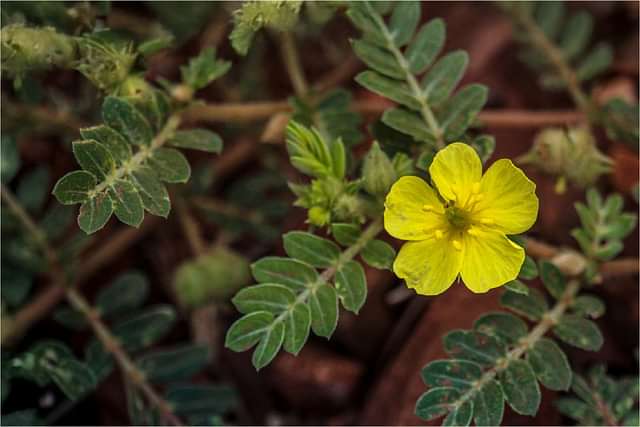
What is Gokshura?
Gokshura (Tribulus terrestris) is a small herb that grows naturally in tropical and temperate regions around the world. In Ayurveda, it has been used for centuries to support urinary health, kidney function, and overall well-being. It is valued for its natural diuretic (helps increase urine output), anti-inflammatory, and adaptogenic (helps the body cope with stress) properties.
Gokshura is traditionally considered a general tonic that supports the urinary and reproductive systems, aids energy regulation, and helps reduce inflammation.
Key Facts
| Feature | Details |
| Botanical name | Tribulus terrestris |
| Family | Zygophyllaceae
|
| Part used | Dried fruit |
| Key active compounds | Saponins, flavonoids, alkaloids, diosgenin and related sapogenins |
| Traditional uses | Urinary comfort, reproductive wellness, physical stamina, general vitality |
| Common forms | Powder (churna), capsules, extracts, tea
|
| General dosage | 1 to 3 grams of powder daily, or 250 to 500 mg capsules once or twice daily |
| Best taken | With water or food, as directed |
| Key safety note | Avoid oral use during pregnancy and breastfeeding unless advised by a healthcare professional; consult a healthcare professional before use if taking diuretics, hormone therapy, blood pressure medicines or anticoagulants. |
Alternative Names of Gokshura
Due to its many uses and importance, Gokshura can also be referred to by different names depending on the region and traditional and modern medical systems used worldwide. The following names commonly refer to it:
- Tribulus terrestris (scientific name)
- Puncture Vine (common English alias)
- Gokhru (Hindi)
- Caltrop (English)
- Gokshura (Sanskrit)
- Bhakhra (Punjabi)
- Nerinji Mull (Tamil)
- Njerinjil (Malayalam)
Medicinal Properties of Gokshura
Gokshura's traditional actions in the body are understood in Ayurveda, and have also been investigated in preliminary research, to include:
- Diuretic: traditionally supports healthy urine output
- Anti-inflammatory and antioxidant: associated with anti-inflammatory and antioxidant activity in preliminary research
- Adaptogenic: traditionally supports the body's response to stress
- Vrishya (traditionally used to support reproductive vitality)
- Balya (strengthening): traditionally supports stamina and physical performance
These properties are drawn from traditional Ayurvedic understanding of Gokshura, supported in part by preliminary research such as Chhatre et al. (2014), rather than being confirmed clinical effects in humans.
Key Health Benefits of Gokshura
Gokshura is traditionally used to support urinary function, reproductive health and physical stamina. It is also associated with traditional anti-inflammatory, skin, cardiovascular and stress-related uses, but clinical evidence for these broader benefits remains limited. It should not replace prescribed treatment for conditions such as kidney stones, urinary infections or arthritis.

1. Diuretic Properties
As an Ayurvedic herb, Gokshura is traditionally valued for its diuretic action, which may support urinary function. It is traditionally used for urinary discomfort and conditions such as nephrolithiasis (kidney stones), but there is insufficient human clinical evidence to confirm that it prevents or treats urinary infections or kidney stones. It should not be used as a substitute for medical treatment of urinary infections or kidney stones.
2. Reproductive Health Benefits
Gokshura is traditionally regarded as an aphrodisiac and tonic for reproductive health.
- Male Health: It is traditionally used to support sexual and reproductive vitality, libido and sperm health. Evidence regarding its effects on testosterone levels, sperm count and sperm quality is mixed and remains limited in humans.
- Female Health: It is traditionally used to support menstrual and reproductive health, although evidence for its effectiveness in managing menstrual irregularities is limited.
3. Physical Performance Enhancement
Gokshura is sometimes used by athletes and bodybuilders to support physical performance, muscle strength and stamina. However, evidence that it improves muscle mass, strength or exercise performance is limited. Its potential effects on post-exercise inflammation and muscle soreness also require further human research.
4. Arthritis and Inflammation Management
Gokshura has been studied for potential anti-inflammatory, analgesic and antioxidant effects, but evidence for its use in managing joint pain, stiffness or arthritis is limited. It should not replace appropriate medical assessment or treatment for arthritis or persistent joint symptoms.
5. Additional Benefits
- Heart Health: Gokshura has traditionally been used for its diuretic action, but there is insufficient human clinical evidence to establish that it lowers blood pressure or prevents heart disease. People with high blood pressure or heart conditions should not use it as a substitute for prescribed treatment.
- Improves Skin Health: Gokshura is traditionally used in some preparations for skin concerns such as eczema, rashes, itching and irritation. Its traditional Ropana (healing) property is associated with supporting skin recovery, but clinical evidence for these uses is limited.
- Stress and Anxiety: Gokshura is traditionally associated with supporting general wellbeing and resilience to stress, but there is insufficient human clinical evidence to confirm that it treats stress or anxiety.
Gokshura's traditional diuretic action is believed to support healthy urine flow and general urinary comfort. It is not a treatment for kidney stones or urinary tract infections, which need proper medical diagnosis and treatment.
Common Uses of Gokshura
Gokshura is commonly used in Ayurveda to support urinary comfort, reproductive wellbeing and general physical stamina. It may also be included in traditional joint-care formulations, although evidence for sports performance and other broader benefits remains limited.
1. As a Urinary Comfort Tonic
Gokshura powder or capsules are traditionally taken to support general urinary comfort (Al-Ali et al., 2003), often alongside other Ayurvedic herbs for urinary and digestive health.
2. As a Reproductive Health Supplement
Gokshura is a common ingredient in Ayurvedic formulations aimed at supporting libido, stamina and general reproductive wellness in both men and women.
3. As a Sports and Fitness Supplement
Gokshura is sometimes used by athletes and bodybuilders as a traditional supplement for physical stamina and performance, although evidence supporting these effects is limited.
4. As Part of a Joint-Care Routine
Gokshura is sometimes included in traditional joint-care formulations alongside other herbs traditionally used for inflammation (Park et al., 2017), as part of a broader, practitioner-guided approach.
Precautions While Taking Gokshura
1. Existing Medical Conditions
Consult a doctor before taking Gokshura if you are pregnant or breastfeeding, or if you have a heart condition, diabetes or kidney problems.
2. Dosage
Taking too much may cause adverse effects such as stomach discomfort or dehydration. Do not increase your dose on your own without medical advice.
3. Allergic Reactions
Allergic reactions such as skin rash, itching or swelling may occur. Stop use and consult a doctor if these occur.
How to Use Gokshura?
Gokshura benefits can be used in several ways. Below are three common ways to use it:
Gokshura Powder
Gokshura powder is the most effective for everyday use. It is perfect for Ayurvedic preparation and can be taken during urinary tract infections to support energy and libido.
Steps to use:
- Gokshura powder is effortless to consume; prepare one teaspoon with warm water.
- Take it once or twice daily, preferably with food.
Gokshura Capsules
Gokshura tablets are perfect for people who want a tea bag-sized portion of the herb in a capsule for urinary health and stamina.
Steps to use:
- Swallow one Gokshura capsule with a glass of water.
- Take this food supplement once a day or according to the dosage recommended by a physician.
Gokshura Tea
Gokshura churna can also be used in tea, which helps support the kidney and purifies the system. Preparing it is easy and can be taken daily.
Steps to use:
- In a cup of water, steep 1 teaspoon of Gokshura powder or crushed Gokshura seeds for about 5-7 minutes.
- Take the tea once in the morning, and after straining the tea, drink it immediately.
Herbs Traditionally Used With Gokshura
Gokshura is traditionally combined with other Ayurvedic herbs for urinary and reproductive health:
| Herb | Traditional Pairing |
| Punarnava (Boerhavia diffusa) | Punarnava is traditionally combined with Gokshura in urinary-support formulations for its complementary traditional diuretic action. |
| Varuna (Crataeva nurvala) | Varuna is traditionally paired with Gokshura in classical formulations aimed at supporting urinary tract comfort. |
| Ashwagandha (Withania somnifera) | Ashwagandha is traditionally used alongside Gokshura in vitality-focused formulations to support stamina and resilience to stress. |
Recommended Dosage of Gokshura
Dosage varies by form and should be confirmed with a doctor or Ayurvedic practitioner. General guidance by age group:
1. Children
Gokshura is not generally recommended for children without medical guidance. Use should only be under the direction of a paediatrician or qualified practitioner.
2. Teenagers
If advised by a healthcare provider, the dose should be determined based on age, health needs and the specific product rather than using a standard adult dose.
3. Adults
- Powder: 1 to 3 grams daily, split into two doses, with water or food.
- Capsules: 250 to 500 mg, once or twice daily with water.
- Tea: one cup daily, made from 1 teaspoon of powder.
Follow the product-specific dosage or the dose recommended by a qualified practitioner.
4. Elderly
Elderly users should generally start at the lower end of the adult amount and consult a doctor before regular use, particularly if taking other medication.
Side Effects of Gokshura
Although Gokshura is safer for most people when taken in moderation, it may cause some side effects. Common Gokshura side effects include: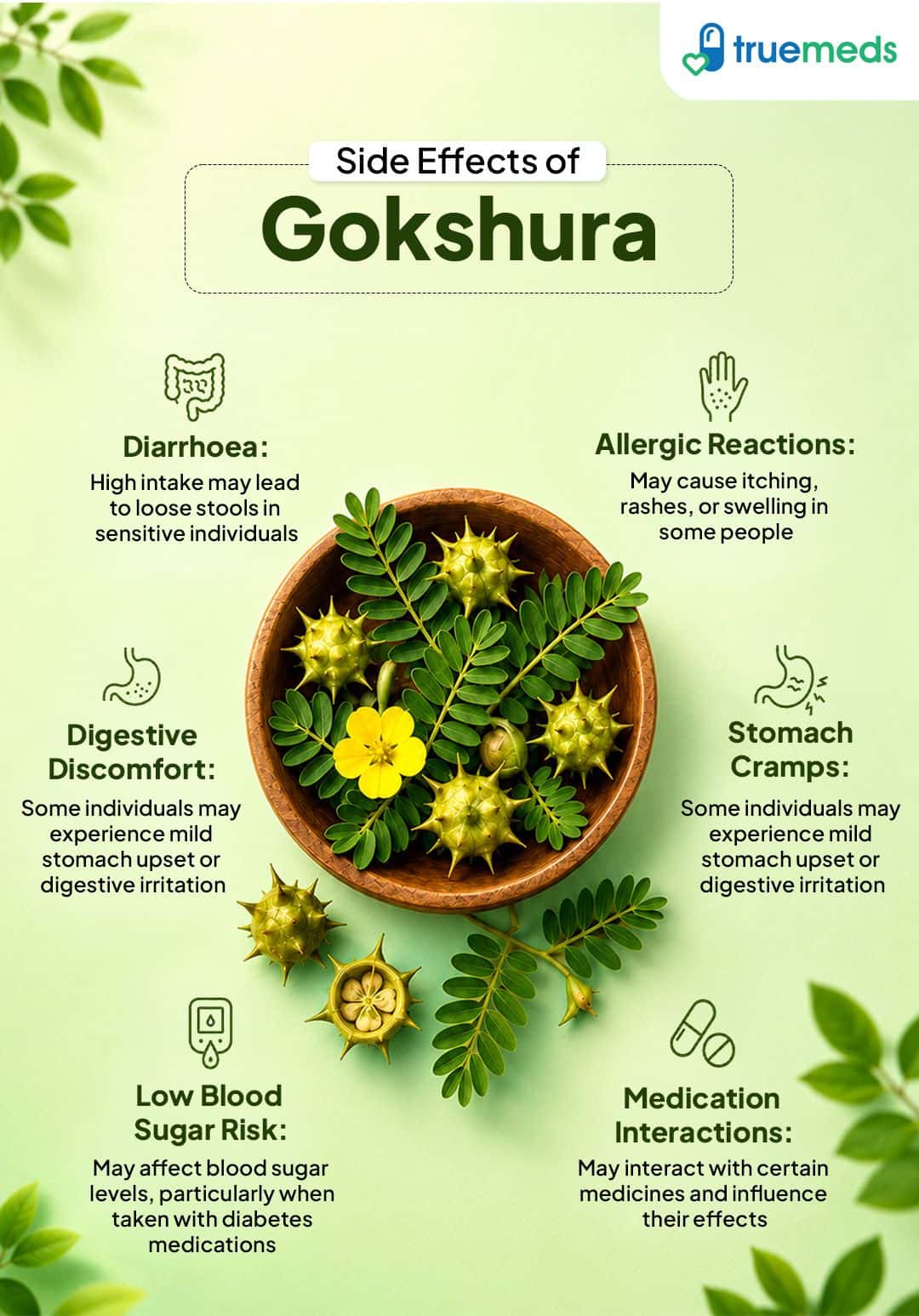
1. Digestive Issues
Stomach upset, nausea or diarrhoea may occur, particularly with higher doses.
2. Hormonal Changes
Gokshura may affect hormone levels, although evidence for clinically significant hormonal effects in humans is limited.
3. Allergic Reactions
Skin rash, itching or swelling may occur in people with a sensitivity. Severe reactions require urgent medical attention.
4. Dehydration
Because of its potential diuretic effect, Gokshura may cause dehydration or electrolyte imbalance if taken in large amounts.
Interaction of Gokshura With Other Drugs
1. Diuretics
Gokshura has a potential diuretic effect and may add to the effect of prescribed diuretics, increasing the risk of low blood pressure or electrolyte imbalance.
2. Hormone-Related Medication
Gokshura may have hormonal effects, but clinically relevant interactions with hormone therapies or contraceptives have not been well established. Consult a doctor before combining them.
3. Blood Pressure Medication
Gokshura may lower blood pressure, so combining it with antihypertensive medication could potentially increase the risk of blood pressure becoming too low.
4. Anticoagulants and Antiplatelet Medication
Gokshura may affect blood clotting based on preliminary evidence, so anyone taking anticoagulant or antiplatelet medication should consult a doctor before use.
Storage of Gokshura
Store Gokshura powder, capsules or extract in a cool, dark, dry place, tightly sealed and away from direct sunlight and moisture, and out of reach of children. Check the expiry date before use.
Key Takeaways
- Gokshura (Tribulus terrestris) is a widely used Ayurvedic herb, traditionally valued for supporting urinary comfort, reproductive wellness and general stamina.
- It is traditionally used to support urinary comfort, stamina and reproductive wellness, though robust human clinical evidence for many of these uses is limited.
- It is not a treatment for heart disease, high blood pressure, diabetes or PCOS, and these conditions need proper diagnosis and management by a doctor.
- It may cause digestive upset, allergic reactions or dehydration, and can interact with diuretics, hormone therapy, blood pressure medication and blood thinners. Evidence for clinically significant hormonal effects is limited.
- It is generally not recommended during pregnancy or breastfeeding, and people with heart, kidney or diabetes-related conditions should use it only under medical supervision.
- Always consult a qualified healthcare professional before using Gokshura regularly, particularly if you have a chronic condition or take other medicines.
FAQs
Is Gokshura good for diabetes?
Does Gokshura affect blood pressure?
Can Gokshura support weight management?
Is Gokshura useful for PCOS?
Can Gokshura help with pain or burning during urination?
Does Gokshura help prevent vaginal discharge?
Can Gokshura cause dehydration?
How long can Gokshura be taken safely?
References
- Chhatre, S., Nesari, T., Kanchan, D., Somani, G., & Sathaye, S. (2014). Phytopharmacological overview of Tribulus terrestris. Pharmacognosy Reviews, 8(15), 45–51.https://doi.org/10.4103/0973-7847.125530
- Al-Ali, M., Wahbi, S., Twaij, H., & Al-Badr, A. (2003). Tribulus terrestris: Preliminary study of its diuretic and contractile effects and comparison with Zea mays. Journal of Ethnopharmacology, 85(2–3), 257–260.https://doi.org/10.1016/S0378-8741(03)00014-X
- Park, Y. J., Cho, Y.-R., Oh, J. S., & Ahn, E.-K. (2017). Effects of Tribulus terrestris on monosodium iodoacetate-induced osteoarthritis pain in rats. Molecular Medicine Reports, 16(4), 5303–5311.https://doi.org/10.3892/mmr.2017.7296


Explore other categories
Latest health articles





Top Health Essentials








Top-selling ayurvedic products













Disclaimer
Top-Selling Medicines:
...View more
Top-OTC medicines:
...View more
Top-selling healthcare devices:
...View more
Company
About UsHealth ArticleHealth StoriesHealth LibraryDiseases & Health ConditionsAyurvedaUnderstanding Generic MedicinesAll MedicinesAll BrandsNeed HelpFAQSecuritySavings CalculatorAdvertise with UsSubscribe
Registered Office Address
Grievance Officer
Download Truemeds


Contact Us
Our customer representative team is available 7 days a week from 9 am - 9 pm.
v4.28.18

2026 - Truemeds | All rights reserved. Our content is for informational purposes only. See additional information.

Our Payment Partners




