

- Medicines
- Personal Care
- Skin Cream
- Sunscreen
- Face Wash
- Skin and Body Soap
- Acne Care
- Body Lotions
- Moisturising Lotion
- Moisturising Cream
- Mosquito Repellent
- Moisturising Gel
- Body Wash
- Hair Oils
- Hair Shampoo
- Hair Conditioners
- Hair Supplements
- Hair Colour
- Hair Serum
- Hair Mask
- Hair Solutions
- Baby Diapers and Wipes
- Baby Lotion and Moisturising Cream
- Baby Bath Essentials
- Baby Skin Care
- Baby and Infant Food
- Baby Healthcare
- Women Multivitamins
- Ovulation Test Kit and Women Intimate Care
- Sanitary Pads
- Nutritional Drinks
- Condoms
- Lubricants
- Massage Gels
- Personal Body Massagers
- Men Performance Booster
- Sexual Health Supplements
- Massage Oils
- Ayurveda
- Tooth Paste
- Mouth Ulcer Gel
- Mouthwash
- Toothache and Gum Pain
- Tooth Brush
- Gargle Solution
- Orthopaedic Supports
- Adult Diapers
- Footwear
- Mobility and Support Accessories
- Urinary Support and Care
- Health Conditions
- Bone and Joint Care
- Digestive Care
- Eye Care
- Pain Relief
- Smoking Cessation
- Liver Care
- Stomach Care
- Cold and Cough
- Heart Care
- Kidney Care
- Piles, Fissures & Fistula
- Respiratory Care
- Mental Wellness
- Derma Care
- Pre and Probiotics
- Acidity
- Gas
- Constipation
- Loose Motion/Diarrhoea
- Digestive Fibres
- Digestive Enzymes
- Eye Lubricant Drops
- Lens Solution
- Safety Eye Wear
- Eye Cream
- Eye Vitamins and Supplements
- Eye Drops
- Eye Ointment and Gel
- Nicotine Patch
- Nicotine Gum
- Nicotine Lozenges
- Cough Syrups
- Chest Rubs and Balms
- Nasal Spray
- Lozenges
- Inhalant Capsules
- Cold and Cough Tablets
- Vitamins & Supplements
- Diabetes Care
- Healthcare Devices
- Homeopathic Medicine
- Health Guide
Shankh Bhasma
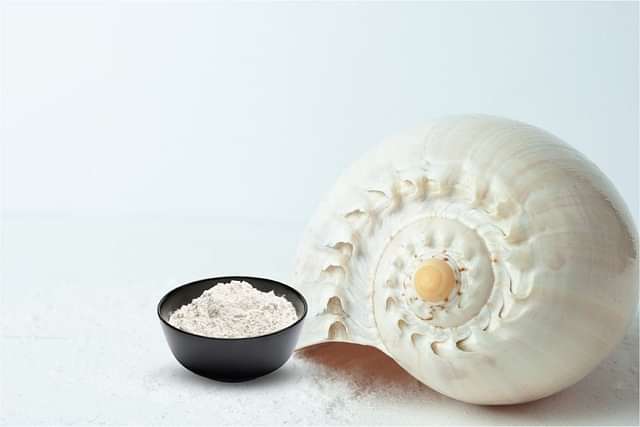
Shankh Bhasma is a classical Ayurvedic mineral formulation made by purifying and incinerating conch shell (Shankha). It is traditionally used to support digestion and relieve symptoms of hyperacidity and heartburn, and is generally taken as a powder or tablet under the guidance of a doctor or Ayurvedic practitioner.
 50
50Last updated on : 24 Sep, 2026
Read time : 12 mins
What is Shankh Bhasma?
The name Shankh Bhasma reflects what it is made from and how it is made: Shankha is the Sanskrit word for conch shell, and Bhasma refers to the fine calcined preparation produced by purification and repeated incineration. In Rasashastra, the branch of Ayurveda dealing with minerals and metals, Shankha is classified under Sudha Varga, the calcium-rich group of substances, alongside materials such as pearl oyster shell and coral (Chavan et al., 2018). Ayurvedic references including Rasa Tarangini and Rasa Ratna Samuccaya describe its purification with sour media such as lemon juice, followed by repeated incineration, to convert the raw shell into a fine, calcined preparation (Chavan et al., 2018).
Shankh Bhasma is traditionally described as having a Sheeta (cooling) Virya (potency), with Kshariya (alkaline) and Grahi (absorbent) properties. In Ayurvedic practice, it is traditionally used to pacify Pitta and is also associated with balancing Vata. However, Rasa (taste) and Vipaka (post-digestive effect) are not consistently defined for mineral Bhasmas in the sources available for this audit.
Key Facts
| Feature | Details |
| Formulation name | Shankh Bhasma (also written Shankha Bhasma) |
| Formulation type | Rasashastra mineral preparation (Bhasma), Sudha Varga (calcium group) |
| Classical reference | Rasa Tarangini and Rasa Ratna Samuccaya, as cited in (Chavan et al. 2018) |
| Composition | Purified conch shell (Shankha), processed with lemon juice (Nimbu Swarasa) and aloe vera juice |
| Also known as | Shankh Bhasm, Shankha Bhasma, conch shell ash, incinerated conch |
| Key active compounds | Predominantly calcium carbonate in calcite form, with trace magnesium (Chavan et al., 2018) |
| Dosha action | Traditionally used to pacify Pitta; also traditionally associated with balancing Vata |
| Traditional uses | Hyperacidity, indigestion, abdominal discomfort, and as a calcium-containing preparation |
| Common forms | Powder, tablet |
| General dosage | Do not exceed the amount advised by a doctor or Ayurvedic practitioner |
| Best taken | Traditionally taken with honey or ghee, as advised by a practitioner, generally after meals |
| Key safety note | Use only under medical supervision if you have kidney stone disease, high blood calcium, pregnancy, or a heart condition, or if you have a known shellfish or mollusc allergy
|
Alternative Names of Shankh Bhasma
Shankh Bhasma is known by a small number of spelling variants and descriptive names, as set out below.
- Hindi: Shankh Bhasma
- English: Conch Shell Ash, Conch Shell Calx, Conch Ash, or Chank Ash
- Sanskrit: Shankha Bhasma
- Tamil: Sangu Bhasmam / Chanku Bhasmam
- Telugu: Shankha Bhasmam / Senkham Bhasmam
- Malayalam: Shankha Bhasmam / Sankhabhasmam
- Kannada: Shankha Bhasma
- Marathi, Gujarati & Punjabi: Shankh Bhasma
- Bengali: Shankho Bhasma
- Oriya/Odia: Sankha Bhasma
Composition of Shankh Bhasma
Shankh Bhasma has a single main ingredient, prepared through a traditional multi-step process.
- Purified conch shell (Shankha) - the sole starting material
- Lemon juice (Nimbu Swarasa) - used to purify the shell before incineration
- Aloe vera juice - traditionally used during the repeated incineration steps
The raw conch shell is wrapped in cloth and simmered in diluted lemon juice for several hours, then rinsed and dried. The purified shell is incinerated in a furnace, mixed with aloe vera juice, shaped into discs, dried and incinerated again, with this cycle repeated several times, converting the shell to a fine calcium carbonate preparation (Chavan et al., 2018).
Chemical Constituents of Shankh Bhasma
Pharmaceutical analysis of finished Shankh Bhasma has identified the following:
- Calcium carbonate in calcite form, with elemental calcium accounting for roughly 39 to 41% w/w of the finished bhasma
- Trace magnesium, generally around 0.03 to 0.04% w/w
- Heavy metals (mercury, arsenic, cadmium, lead) within permissible pharmacopoeial limits in the batches tested
These findings come from a pharmaceutical standardisation study of incinerated conch shell (Chavan et al., 2018), which analysed the finished product using X-ray diffraction and related laboratory methods; it is a quality-control and characterisation study, not a clinical trial.
Medicinal Properties of Shankh Bhasma
Shankh Bhasma is traditionally credited with the following properties:
- Antacid: may help neutralise stomach acid due to its calcium carbonate content
- Alkalising (Kshariya): traditionally used to help correct excess acidity in the stomach
- Cooling (Sheeta Virya): traditionally believed to pacify Pitta, which Ayurveda links to heat and acid-related symptoms
- Absorbent (Grahi): traditionally used to help firm loose stools
- Calcium supplementing: provides calcium as part of the preparation
These traditional properties, and the associated classical indications for hyperacidity, poor appetite and abdominal discomfort, are summarised from classical Ayurvedic literature in Chavan et al. (2018). Laboratory and animal studies on Shankh Bhasma report antacid and gastric-protective activity; clinical trial evidence in humans is limited.
Key Health Benefits of Shankh Bhasma
Shankh Bhasma is traditionally used to support digestive comfort, particularly for occasional acidity, heartburn, gas and bloating. As a calcium-containing preparation, it may also contribute to dietary calcium intake and support bone health. These benefits are mainly based on its composition and traditional Ayurvedic use, and it is not a treatment for diagnosed digestive or bone conditions.
1. Easing Excess Stomach Acid
Shankh Bhasma's calcium carbonate content may help neutralise excess stomach acid, which may help with the discomfort of heartburn and hyperacidity. It provides symptomatic relief only and does not treat an underlying condition such as GERD; persistent or worsening symptoms need medical assessment.
2. Supporting Digestion
In Ayurveda, Shankh Bhasma is traditionally used to support Agni, the digestive fire, which is associated with more comfortable digestion and may help reduce gas and bloating. This is a traditional use rather than a proven clinical effect.
3. Easing Abdominal Discomfort
By traditionally helping to balance Vata and Pitta, Shankh Bhasma is associated with easing mild abdominal discomfort linked to gas or indigestion. It does not treat the underlying cause of ongoing or severe abdominal pain, which needs medical assessment.
4. Supporting Bone Health
Shankh Bhasma is a source of calcium and may contribute to calcium intake, and is traditionally used alongside dietary measures to support bone health. It is not a treatment for osteoporosis or other bone conditions, which need medical diagnosis and management.
5. Balancing Pitta
Shankh Bhasma's cooling quality is traditionally used to help pacify aggravated Pitta, which Ayurveda associates with excess heat, acidity and irritation in the digestive tract.
6. Balancing Vata
Shankh Bhasma is traditionally used to support digestion and help reduce gas-related discomfort, which is traditionally associated with less bloating and trapped wind when Vata is out of balance.
Common Uses of Shankh Bhasma
Beyond its core health benefits, Shankh Bhasma is traditionally used by Ayurvedic practitioners in the following situations.
1. Short-Term Use During an Acid Flare-Up
Shankh Bhasma is traditionally taken during episodes of heartburn or acid reflux, often brought on by spicy food, stress or skipped meals, rather than as a continuous daily preparation.
2. Alongside Management of Mild Diarrhoea
Shankh Bhasma is traditionally used as part of Ayurvedic management of mild, short-term diarrhoea associated with digestive upset. It is not a substitute for oral rehydration solutions or medical care in severe or persistent diarrhoea, which can cause dehydration.
3. Settling Nausea Linked to Excess Acid
When nausea is linked to excess stomach acid, Shankh Bhasma is traditionally used to help settle the stomach, generally alongside dietary changes such as smaller, lighter meals.
4. As a Dietary Calcium Source
Some Ayurvedic practitioners use Shankh Bhasma as a calcium-containing preparation for people whose diet is low in calcium, generally as a longer-term addition under supervision rather than for acute digestive symptoms.
Precautions While Taking Shankh Bhasma
The following precautions should be read before starting Shankh Bhasma in any form.
- Avoid it if you have a history of kidney stones or high blood calcium levels, since Shankh Bhasma is rich in calcium.
- Speak to your doctor before use if you are pregnant or breastfeeding.
- People with heart conditions should speak to their doctor before use, since abnormal calcium levels may affect heart rhythm in some circumstances.
- Shankh Bhasma is made from conch shell, a marine mollusc. Anyone with a known mollusc or shellfish allergy should avoid it and speak to a doctor first.
- Do not use Shankh Bhasma to self-treat ongoing or severe digestive symptoms; see your doctor if symptoms persist, worsen, or are accompanied by weight loss, vomiting blood, or black stools.
Note: This information is general and does not replace advice from your registered medical practitioner.
How to Use Shankh Bhasma
Shankh Bhasma can be taken in the following ways, depending on the form used.
Using Shankh Bhasma Powder
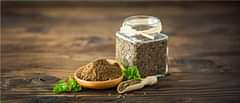
Take the powder as advised by your doctor or Ayurvedic practitioner. It is traditionally mixed with honey or ghee to make it easier to take, generally after meals.
Taking Shankh Bhasma Tablets
Swallow the tablet with water, generally after meals, at the dose and frequency recommended by your doctor or Ayurvedic practitioner.
Herbs Traditionally Used With Shankh Bhasma
Shankh Bhasma is traditionally combined with other ingredients in several Ayurvedic formulations, shown below.
Formulation | Traditional Use With Shankh Bhasma |
Sutashekhar Rasa | A classical formulation that includes Shankh Bhasma alongside other mineral ingredients, traditionally used for hyperacidity and related digestive complaints, always under practitioner guidance. |
Shankha Vati | A classical tablet formulation containing Shankh Bhasma, traditionally used in Ayurvedic management of digestive complaints. |
Kaphaketu Rasa | A classical formulation containing Shankh Bhasma among other ingredients, traditionally used within broader Ayurvedic digestive care. |
Recommended Dosage of Shankh Bhasma
Dosage should always be confirmed with a doctor or Ayurvedic practitioner, since it can vary with age, health status and the reason for use. General guidance is given below.
Adults
Typically 250 mg, taken as advised by a doctor or Ayurvedic practitioner.
Elderly Adults
Older adults are generally advised to use Shankh Bhasma only under medical supervision, since age-related changes in kidney function can affect how the body handles extra calcium.
Teenagers
There is limited published information on Shankh Bhasma dosing in teenagers. Use only under the direct guidance of a doctor or Ayurvedic practitioner.
Children
Shankh Bhasma is not recommended for children unless specifically advised and supervised by a doctor or Ayurvedic paediatric specialist.
Note: The dosage given here is for general information only. Always consult your doctor before adding Shankh Bhasma to your routine, particularly if you have kidney stones, high blood calcium, or a heart condition.
Side Effects of Shankh Bhasma
Shankh Bhasma may cause side effects, particularly when used in excessive amounts or without appropriate supervision. The following side effects may occur.
1. Nausea and Vomiting
Taking more than the advised amount can cause nausea or vomiting. Stop use and seek medical advice if this happens.
2. Stomach Pain
Some people may experience stomach pain with excess use. Stop use and speak to a doctor if symptoms occur or persist.
3. Raised Blood Calcium
Because Shankh Bhasma is high in calcium, prolonged or excessive use may raise blood calcium levels, which can affect the kidneys and heart. This risk may be higher in people who already have kidney stones or high blood calcium.
Interaction of Shankh Bhasma With Other Drugs
Shankh Bhasma's calcium content means it may interact with certain medicines (Chavan et al., 2018). Always tell your doctor about any herbal or Ayurvedic products you are taking, including Shankh Bhasma.
Thyroid medicine
Calcium can reduce the absorption of thyroid medicines such as levothyroxine. Leave a gap of at least four hours between taking Shankh Bhasma and levothyroxine.
Certain antibiotics
Calcium can bind to some antibiotics, including tetracyclines and certain quinolones, and reduce their absorption. These medicines should be taken at a different time from Shankh Bhasma; ask your doctor or pharmacist about the appropriate interval.
Iron supplements
Taking calcium at the same time as iron supplements may reduce iron absorption. Space these apart during the day where possible.
Storage of Shankh Bhasma
Store Shankh Bhasma powder or tablets in a cool, dry place, in a tightly sealed container, away from direct sunlight and moisture. Keep it out of reach of children. Check the pack for an expiry date and do not use the product after this date.
Key Takeaways
- Shankh Bhasma is a classical Ayurvedic mineral formulation made from purified, incinerated conch shell, traditionally used to support digestion and for hyperacidity.
- It is traditionally associated with cooling, alkalising and absorbent properties that are linked to easing symptoms such as acid reflux, indigestion and mild abdominal discomfort.
- It is a source of calcium and is sometimes used as a calcium-containing preparation, generally under practitioner guidance.
- Overuse can raise blood calcium and cause nausea, vomiting or stomach pain, and it should be used with caution in kidney stone disease, high blood calcium, heart conditions, pregnancy and in people with a shellfish or mollusc allergy.
- Always confirm the dose and suitability with a doctor or Ayurvedic practitioner before starting.
FAQs
Can Shankh Bhasma help with skin conditions such as acne?
Can Shankh Bhasma help with stomach ulcers?
Can a person with diabetes take Shankh Bhasma?
Can Shankh Bhasma be used as a calcium supplement?
Can Shankh Bhasma be taken for a long period?
Is there a diet to follow while taking Shankh Bhasma?
References
- Chavan, S., Tayade, S., Gupta, V., Deshmukh, V., & Sardeshmukh, S. (2018). Pharmaceutical standardization and physicochemical characterization of traditional Ayurvedic marine drug: Incinerated conch Shell (Shankha Bhasma). Marine Drugs, 16(11), 450. https://doi.org/10.3390/md16110450

Explore other categories
Latest health articles





Top Health Essentials



Top-selling ayurvedic products












Disclaimer
Top-Selling Medicines:
...View more
Top-OTC medicines:
...View more
Top-selling healthcare devices:
...View more
Company
About UsHealth ArticleHealth StoriesHealth LibraryDiseases & Health ConditionsAyurvedaUnderstanding Generic MedicinesAll MedicinesAll BrandsNeed HelpFAQSecuritySavings CalculatorAdvertise with UsSubscribe
Registered Office Address
Grievance Officer
Download Truemeds


Contact Us
Our customer representative team is available 7 days a week from 9 am - 9 pm.
v4.28.14

2026 - Truemeds | All rights reserved. Our content is for informational purposes only. See additional information.

Our Payment Partners