

- Medicines
- Personal Care
- Skin Cream
- Sunscreen
- Face Wash
- Skin and Body Soap
- Acne Care
- Body Lotions
- Moisturising Lotion
- Moisturising Cream
- Mosquito Repellent
- Moisturising Gel
- Body Wash
- Hair Oils
- Hair Shampoo
- Hair Conditioners
- Hair Supplements
- Hair Colour
- Hair Serum
- Hair Mask
- Hair Solutions
- Baby Diapers and Wipes
- Baby Lotion and Moisturising Cream
- Baby Bath Essentials
- Baby Skin Care
- Baby and Infant Food
- Baby Healthcare
- Women Multivitamins
- Ovulation Test Kit and Women Intimate Care
- Sanitary Pads
- Nutritional Drinks
- Condoms
- Lubricants
- Massage Gels
- Personal Body Massagers
- Men Performance Booster
- Sexual Health Supplements
- Massage Oils
- Ayurveda
- Tooth Paste
- Mouth Ulcer Gel
- Mouthwash
- Toothache and Gum Pain
- Tooth Brush
- Gargle Solution
- Orthopaedic Supports
- Adult Diapers
- Footwear
- Mobility and Support Accessories
- Urinary Support and Care
- Health Conditions
- Bone and Joint Care
- Digestive Care
- Eye Care
- Pain Relief
- Smoking Cessation
- Liver Care
- Stomach Care
- Cold and Cough
- Heart Care
- Kidney Care
- Piles, Fissures & Fistula
- Respiratory Care
- Mental Wellness
- Derma Care
- Pre and Probiotics
- Acidity
- Gas
- Constipation
- Loose Motion/Diarrhoea
- Digestive Fibres
- Digestive Enzymes
- Eye Lubricant Drops
- Lens Solution
- Safety Eye Wear
- Eye Cream
- Eye Vitamins and Supplements
- Eye Drops
- Eye Ointment and Gel
- Nicotine Patch
- Nicotine Gum
- Nicotine Lozenges
- Cough Syrups
- Chest Rubs and Balms
- Nasal Spray
- Lozenges
- Inhalant Capsules
- Cold and Cough Tablets
- Vitamins & Supplements
- Diabetes Care
- Healthcare Devices
- Homeopathic Medicine
- Health Guide
Ayurveda
Everything you need to know about Ayurvedic Ingredients
Common Ayurvedic Ingredients

Browse by categories

Ayurvedic Ingredients: A-Z


Ayurvedic ingredients starting with 's'
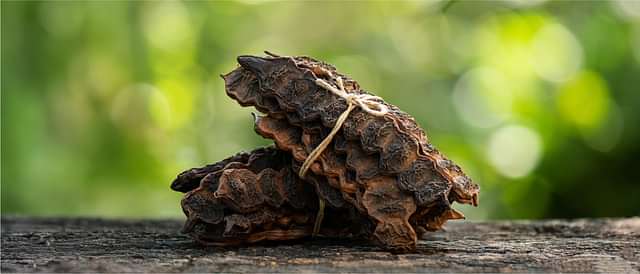
Shikakai (Acacia concinna) is a traditional herbal remedy used in Indian wellness practices for both external and internal support. It is primarily valued for hair and scalp care due to its natural saponins, which gently cleanse the scalp while maintaining its natural pH and preserving essential oils, leaving hair clean, soft, and nourished. Shikakai is traditionally used to help reduce dandruff and hair fall and support healthy hair growth, making it a natural alternative to chemical shampoos. In traditional use, a Shikakai infusion is also consumed for digestive support, where its mild laxative and astringent properties are used to help manage constipation and bleeding piles.
31st Jul 2025
|
13 mins read
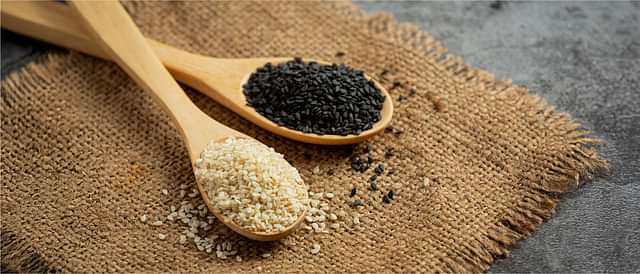
Sesame seeds are small, oil-rich seeds from the Sesamum indicum plant, native to Africa and India. They are a good source of calcium, magnesium and iron, and are traditionally used in cooking and Ayurveda to support digestion and general wellness. Sesame seeds are eaten whole, ground into paste as tahini, or pressed into oil, and are also used topically in massage and skincare.
29th Jul 2025
|
13 mins read
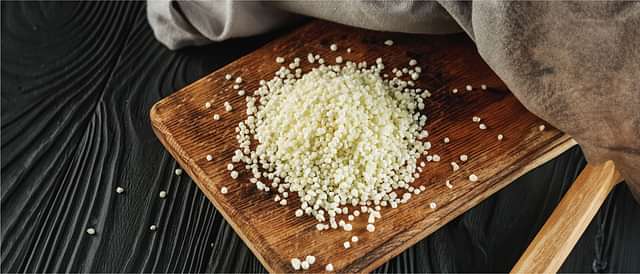
Sabudana generally refers to cassava-based tapioca pearls in India. It is sometimes called sago, although true sago is made from starch obtained from the sago palm. The dry white pearls are soaked and cooked until soft and translucent. In India, sabudana is commonly eaten during fasting and included in soft or light meals during illness or recovery because it is bland, soft when cooked and rich in carbohydrate. It provides energy but contains very little protein, fat, fibre, vitamins or minerals.
29th Jul 2025
|
20 mins read
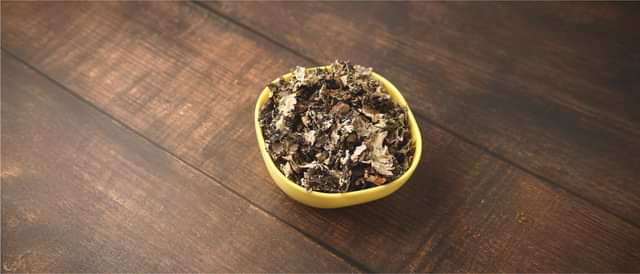
The Stone Flower, or Parmotrema Perlatum, is a special lichen widely used in Ayurveda and other cuisines. It is normally found growing on rocks and tree trunks in humid environments, making this grey-green herb prized for its earthy flavour and health benefits. The Stone Flower is also high in antioxidants and has antimicrobial properties; therefore, it is an ingredient for herbal remedies in Ayurvedic medicine. In culinary applications, it adds a unique woody flavour to meals — most prevalent in Indian cuisine, where they are commonly used in spice mixes such as Goda Masala, which elevates the taste of curries and stews.
28th Jul 2025
|
15 mins read
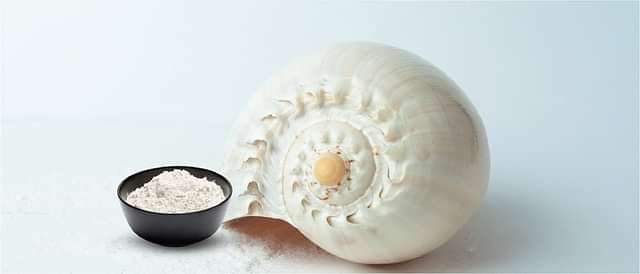
Shankh Bhasma is a classical Ayurvedic mineral formulation made by purifying and incinerating conch shell (Shankha). It is traditionally used to support digestion and relieve symptoms of hyperacidity and heartburn, and is generally taken as a powder or tablet under the guidance of a doctor or Ayurvedic practitioner.
18th Jul 2025
|
12 mins read
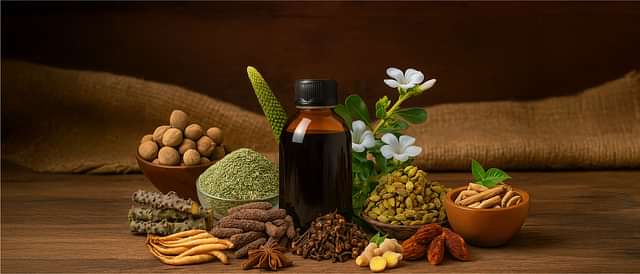
Saraswatarishta is a classical Ayurvedic Arishta (fermented herbal tonic) formulated with Brahmi, Ashwagandha, Shatavari and other rejuvenating herbs. It is traditionally used to support memory, concentration and mental clarity, and to help the body cope with everyday stress and occasional sleeplessness. It is also traditionally associated with supporting speech and general vitality during recovery from fatigue. Saraswatarishta is generally taken as a liquid tonic, diluted with water, after meals.
15th Jul 2025
|
13 mins read
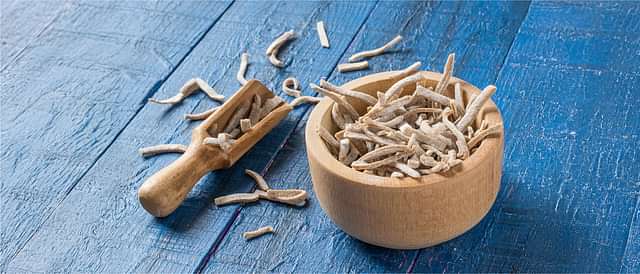
Safed Musli (Chlorophytum borivilianum) is a highly valued perennial herb from India, noted for its fleshy tuberous roots which contain bioactive saponins. It thrives in tropical and subtropical climates, particularly in the forests of Madhya Pradesh, Maharashtra, Gujarat, and Rajasthan. In the classical texts of Ayurveda, it is classified under the 'Bhavaprakasha Nighantu' as a potent 'Vajikarana' (aphrodisiac) and 'Rasayana' (rejuvenative) herb. Clinically, it is recognized for its spermatogenic, anti-stress, and antioxidant properties.
6th Jul 2025
|
11 mins read
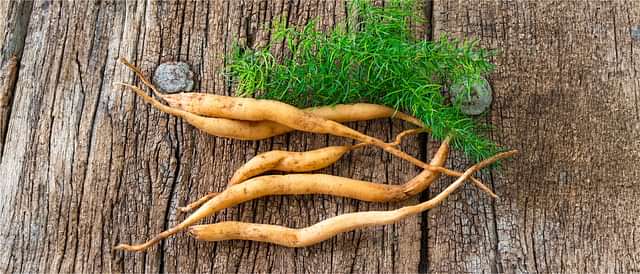
Shatavari (Asparagus racemosus) is a traditional Ayurvedic root herb, botanically identified as Asparagus racemosus. In Ayurveda, it is classified as a Rasayana (rejuvenative) and is traditionally used to support women’s reproductive health, including lactation and hormonal health. It is also traditionally valued as a general vitality tonic and is associated with antioxidant and adaptogenic properties. Shatavari is commonly taken as a powder, capsule, tablet or syrup.
5th Jul 2025
|
12 mins read
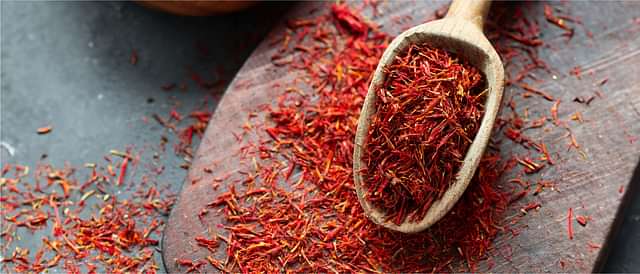
Saffron, often called "red gold," is one of the most celebrated spicy additions for its powerful reddish colour, unique taste, and health benefits. Saffron is obtained from the flowers of Crocus sativus. For centuries, it has been used in many cultures as a spice for culinary purposes and medicinal benefits. As such, it ranks among the costliest and most labour-consuming spices to produce, adding to its value consideration. In this article, we shall discover the saffron benefits, its traditional and modern uses, and how this wonderful spice has been helping human health.
1st Jul 2025
|
14 mins read
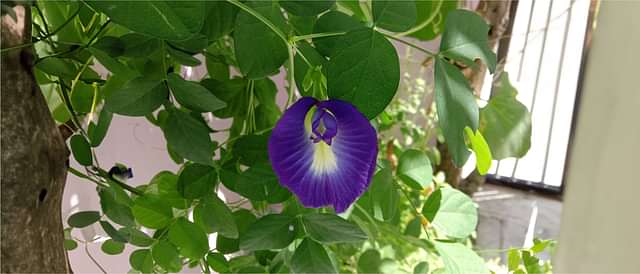
Shankhpushpi, also known as Shyamaktanta, is a perennial herb widely used in Ayurveda for its traditional medicinal benefits. It is valued for supporting cognitive function, mental clarity, and overall well-being, and is often used to help the body cope with stress and promote relaxation. Shankhpushpi may also support digestive health and help maintain regular bowel movements due to its mild laxative properties. Owing to its traditional use in promoting emotional balance and nervous system health, it continues to be a popular herb in Ayurvedic practice.
28th Jun 2025
|
11 mins read
Latest health articles





Top Health Essentials






Top-selling ayurvedic products














Top-Selling Medicines:
...View more
Top-OTC medicines:
...View more
Top-selling healthcare devices:
...View more
Company
About UsHealth ArticleHealth StoriesHealth LibraryDiseases & Health ConditionsAyurvedaUnderstanding Generic MedicinesAll MedicinesAll BrandsNeed HelpFAQSecuritySavings CalculatorAdvertise with UsSubscribe
Registered Office Address
Grievance Officer
Download Truemeds


Contact Us
Our customer representative team is available 7 days a week from 9 am - 9 pm.
v4.28.14

2026 - Truemeds | All rights reserved. Our content is for informational purposes only. See additional information.

Our Payment Partners




