

- Medicines
- Personal Care
- Skin Cream
- Sunscreen
- Face Wash
- Skin and Body Soap
- Acne Care
- Body Lotions
- Moisturising Lotion
- Moisturising Cream
- Mosquito Repellent
- Moisturising Gel
- Body Wash
- Hair Oils
- Hair Shampoo
- Hair Conditioners
- Hair Supplements
- Hair Colour
- Hair Serum
- Hair Mask
- Hair Solutions
- Baby Diapers and Wipes
- Baby Lotion and Moisturising Cream
- Baby Bath Essentials
- Baby Skin Care
- Baby and Infant Food
- Baby Healthcare
- Women Multivitamins
- Ovulation Test Kit and Women Intimate Care
- Sanitary Pads
- Nutritional Drinks
- Condoms
- Lubricants
- Massage Gels
- Personal Body Massagers
- Men Performance Booster
- Sexual Health Supplements
- Massage Oils
- Ayurveda
- Tooth Paste
- Mouth Ulcer Gel
- Mouthwash
- Toothache and Gum Pain
- Tooth Brush
- Gargle Solution
- Orthopaedic Supports
- Adult Diapers
- Footwear
- Mobility and Support Accessories
- Urinary Support and Care
- Health Conditions
- Bone and Joint Care
- Digestive Care
- Eye Care
- Pain Relief
- Smoking Cessation
- Liver Care
- Stomach Care
- Cold and Cough
- Heart Care
- Kidney Care
- Piles, Fissures & Fistula
- Respiratory Care
- Mental Wellness
- Derma Care
- Pre and Probiotics
- Acidity
- Gas
- Constipation
- Loose Motion/Diarrhoea
- Digestive Fibres
- Digestive Enzymes
- Eye Lubricant Drops
- Lens Solution
- Safety Eye Wear
- Eye Cream
- Eye Vitamins and Supplements
- Eye Drops
- Eye Ointment and Gel
- Nicotine Patch
- Nicotine Gum
- Nicotine Lozenges
- Cough Syrups
- Chest Rubs and Balms
- Nasal Spray
- Lozenges
- Inhalant Capsules
- Cold and Cough Tablets
- Vitamins & Supplements
- Diabetes Care
- Healthcare Devices
- Homeopathic Medicine
- Health Guide
Ayurveda
Everything you need to know about Ayurvedic Ingredients

Common Ayurvedic Ingredients

Browse by categories
Ayurvedic Ingredients: A-Z


Ayurvedic ingredients starting with 'p'
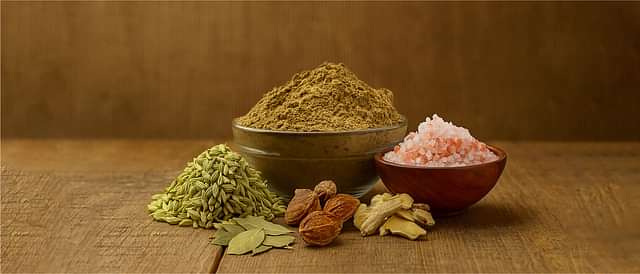
Panchsakar Churna is a classical Ayurvedic powder made from five ingredients, traditionally used to relieve constipation and support digestion. It works as a laxative, so it is generally taken in the short term and at the dose advised by a doctor or Ayurvedic practitioner, rather than used as a daily habit.
31st Jul 2025
|
11 mins read
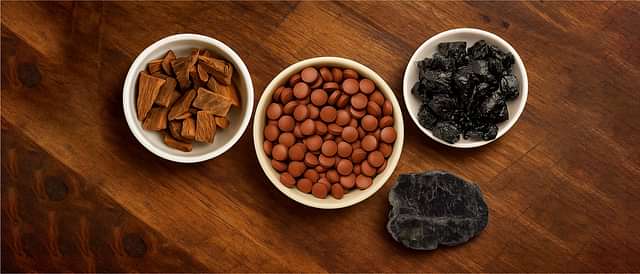
Prabhakar Vati is a classical Ayurvedic herbo-mineral tablet. It contains processed mineral and metal preparations (bhasmas), including iron, alongside herbs such as Arjuna and Shilajit. It is described in the classical texts and is used in traditional Ayurvedic practice. Because it contains processed metals, it must only be taken under the supervision of a qualified Ayurvedic doctor. It is not a treatment for heart disease.
31st Jul 2025
|
15 mins read
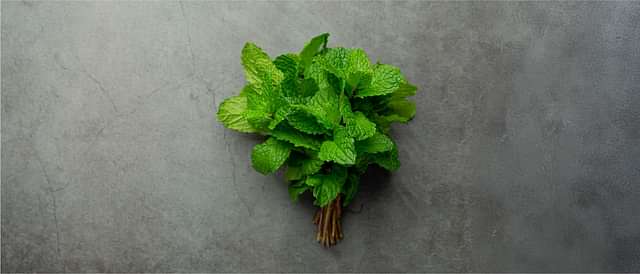
Pudina, commonly known as mint, is an aromatic Ayurvedic herb from the Mentha genus, most often Mentha arvensis or Mentha piperita. It is traditionally used to support healthy digestion and to ease indigestion, bloating and trapped gas after meals. In Ayurvedic practice, pudina is valued mainly for its Deepana, or appetite-stimulating, and Pachana, or digestion-supporting, actions. It is commonly available as fresh or dried leaves, powder, tablets, capsules, oil, tea and kwath.
31st Jul 2025
|
13 mins read
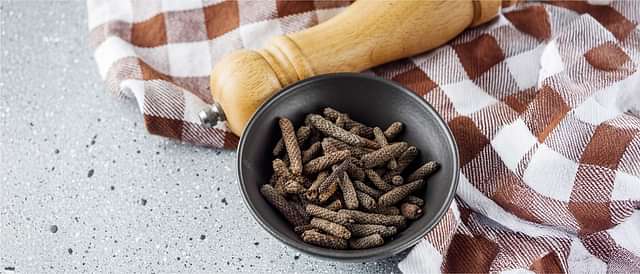
Pippali (Piper longum), also called long pepper, is a pungent spice and Ayurvedic herb from the Piperaceae family. In traditional Ayurvedic practice, it is used to support digestion and respiratory comfort, and is valued as a rasayana (rejuvenative) herb. It is commonly taken as a powder with honey or warm water and is also used as a culinary spice in Indian cooking.
29th Jul 2025
|
16 mins read
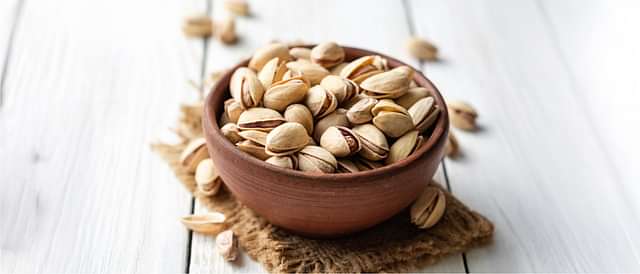
Pistachio, a popular dry fruit, is loved for its crunchy texture, unique taste, and rich nutrient content. It is often regarded as a powerhouse of vitamins, minerals, protein, fibre, and antioxidants. The benefits of eating pistachios include improved heart health, better digestion, and support for weight management due to their high fibre and antioxidant content. At the same time, it is important to be aware of the possible side effects of overconsumption, such as digestive discomfort, weight gain, excessive sodium intake if salted, or allergic reactions in sensitive individuals. In this article, the reader will learn what pistachio nuts are, other names used, the medicinal benefits, nutrition content, side effects and pista seed benefits.
28th Jul 2025
|
15 mins read
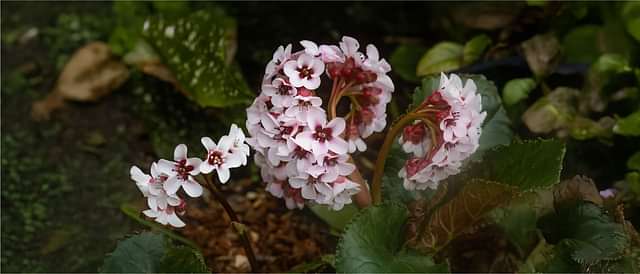
Pashanbhed is a well-known diuretic and lithotropic plant utilised in the Ayurvedic treatment of renal affection, which particularly stresses the pathological states of the kidneys, including renal stones. This compound is named “Pashanbhed”, which is derived from “Pashana”, meaning stone, and “Bhed”, meaning breaker. It is used for dissolving kidney stones and relieving aches associated with them.
16th Jul 2025
|
9 mins read
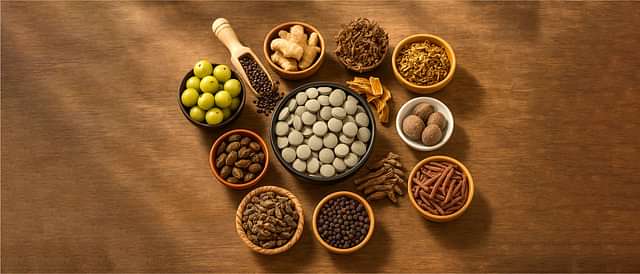
Punarnavadi Mandoor is a classical Ayurvedic herbo-mineral formulation containing Punarnava (Boerhavia diffusa) and purified iron (Mandura). It is traditionally used to support the management of iron-deficiency anaemia, healthy digestion, and liver and urinary function. As an iron-based medicine, it should be used only after appropriate diagnosis and under professional guidance.
16th Jul 2025
|
15 mins read
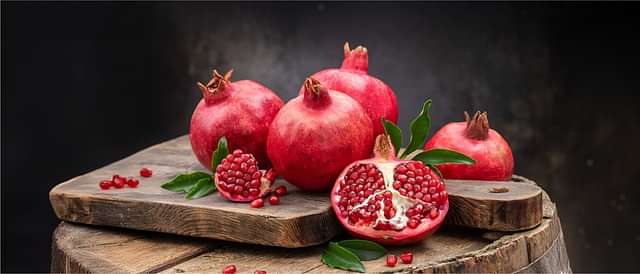
Pomegranates, scientifically known as Punica granatum, have been treasured for ages due to their medicinal, culinary, and cosmetic benefits. Although delicious, this fruit with ruby-red arils is a powerhouse of nutritional value. In Ayurveda, pomegranate is regarded for its tridosha balancing properties, especially Pitta dosha. Its advantages range from health benefits that promote good heart health to anti-inflammatory properties. In this article, we will take you through various pomegranate benefits, their nutrition values, how to use them, and much more.
15th Jul 2025
|
15 mins read
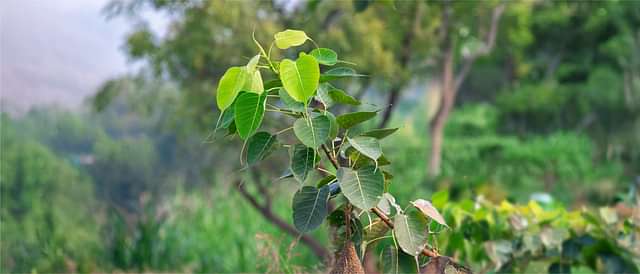
Peepal (Ficus religiosa), also known as the sacred fig, is a large tree whose bark, leaves and fruit are widely used in Ayurveda. It is traditionally considered to help balance Kapha and Pitta doshas and is traditionally used to support respiratory comfort, digestive health and skin wellbeing. Different parts of the tree are traditionally prepared as decoctions, powders and pastes for these uses.
14th Jul 2025
|
14 mins read
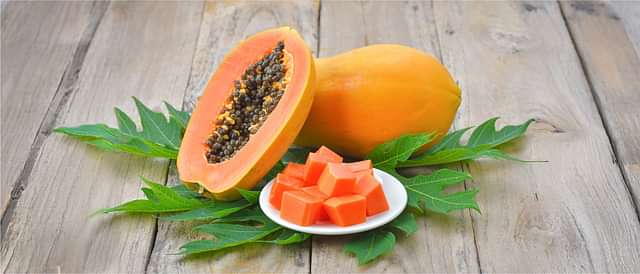
Papaya (Carica papaya) is a soft, orange-fleshed tropical fruit rich in vitamin C, vitamin A, fibre and the enzyme papain. It is eaten ripe as fresh fruit, consumed as juice, or added to salads. The unripe fruit, seeds and leaves are used in traditional practice. Papaya is valued mainly for supporting digestion, normal immune function and healthy skin when eaten in moderation as part of a balanced diet.
30th Jun 2025
|
14 mins read
Latest health articles





Top Health Essentials
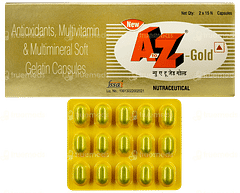
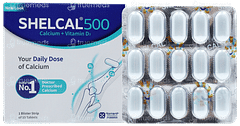


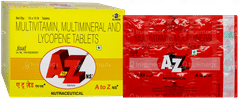
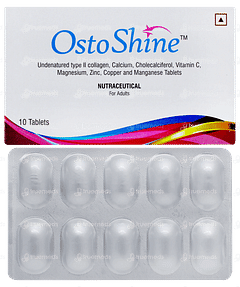





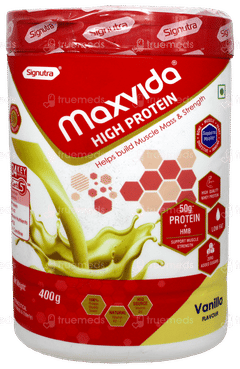
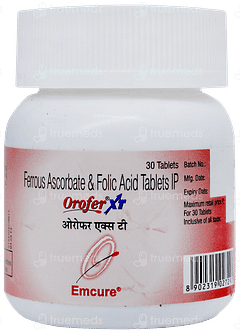
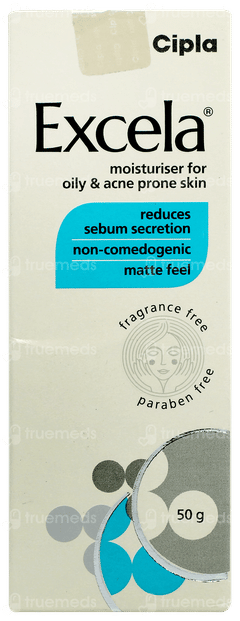
Top-selling ayurvedic products
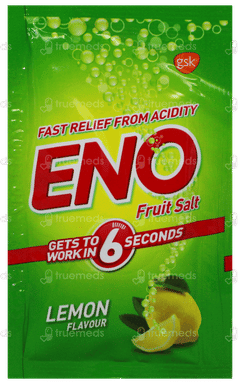















Top-Selling Medicines:
...View more
Top-OTC medicines:
...View more
Top-selling healthcare devices:
...View more
Company
About UsHealth ArticleHealth StoriesHealth LibraryDiseases & Health ConditionsAyurvedaUnderstanding Generic MedicinesAll MedicinesAll BrandsNeed HelpFAQSecuritySavings CalculatorAdvertise with UsSubscribe
Registered Office Address
Grievance Officer
Download Truemeds


Contact Us
Our customer representative team is available 7 days a week from 9 am - 9 pm.
v4.28.14

2026 - Truemeds | All rights reserved. Our content is for informational purposes only. See additional information.

Our Payment Partners




