

- Medicines
- Personal Care
- Skin Cream
- Sunscreen
- Face Wash
- Skin and Body Soap
- Acne Care
- Body Lotions
- Moisturising Lotion
- Moisturising Cream
- Mosquito Repellent
- Moisturising Gel
- Body Wash
- Hair Oils
- Hair Shampoo
- Hair Conditioners
- Hair Supplements
- Hair Colour
- Hair Serum
- Hair Mask
- Hair Solutions
- Baby Diapers and Wipes
- Baby Lotion and Moisturising Cream
- Baby Bath Essentials
- Baby Skin Care
- Baby and Infant Food
- Baby Healthcare
- Women Multivitamins
- Ovulation Test Kit and Women Intimate Care
- Sanitary Pads
- Nutritional Drinks
- Condoms
- Lubricants
- Massage Gels
- Personal Body Massagers
- Men Performance Booster
- Sexual Health Supplements
- Massage Oils
- Ayurveda
- Tooth Paste
- Mouth Ulcer Gel
- Mouthwash
- Toothache and Gum Pain
- Tooth Brush
- Gargle Solution
- Orthopaedic Supports
- Adult Diapers
- Footwear
- Mobility and Support Accessories
- Urinary Support and Care
- Health Conditions
- Bone and Joint Care
- Digestive Care
- Eye Care
- Pain Relief
- Smoking Cessation
- Liver Care
- Stomach Care
- Cold and Cough
- Heart Care
- Kidney Care
- Piles, Fissures & Fistula
- Respiratory Care
- Mental Wellness
- Derma Care
- Pre and Probiotics
- Acidity
- Gas
- Constipation
- Loose Motion/Diarrhoea
- Digestive Fibres
- Digestive Enzymes
- Eye Lubricant Drops
- Lens Solution
- Safety Eye Wear
- Eye Cream
- Eye Vitamins and Supplements
- Eye Drops
- Eye Ointment and Gel
- Nicotine Patch
- Nicotine Gum
- Nicotine Lozenges
- Cough Syrups
- Chest Rubs and Balms
- Nasal Spray
- Lozenges
- Inhalant Capsules
- Cold and Cough Tablets
- Vitamins & Supplements
- Diabetes Care
- Healthcare Devices
- Homeopathic Medicine
- Health Guide
Muscle, Bone and Joint Health
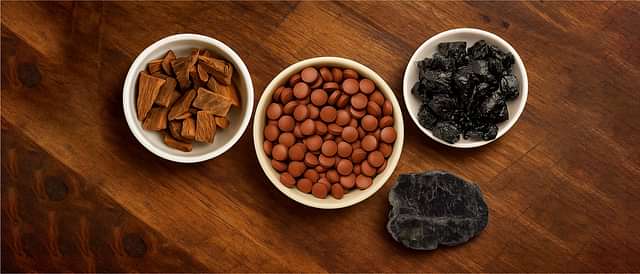
Prabhakar Vati is a classical Ayurvedic herbo-mineral tablet. It contains processed mineral and metal preparations (bhasmas), including iron, alongside herbs such as Arjuna and Shilajit. It is described in the classical texts and is used in traditional Ayurvedic practice. Because it contains processed metals, it must only be taken under the supervision of a qualified Ayurvedic doctor. It is not a treatment for heart disease.
31st Jul 2025
|
15 mins read
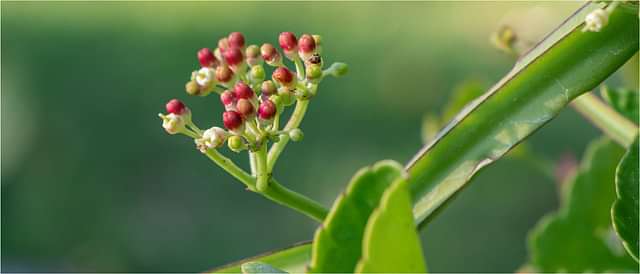
Hadjod, botanically known as Cissus quadrangularis, is a succulent climbing herb belonging to the grape family, with its four-angled stem being the part primarily used in Ayurveda. Its Sanskrit name, Asthisamharaka, means "bone-joiner". It is traditionally used to support the healing of broken bones, promote bone and joint health, and help relieve joint pain and swelling. Common forms include churna, tablets, capsules, juice and an external paste, which should be used as supportive care and not as a replacement for appropriate medical treatment of fractures.
29th Jul 2025
|
23 mins read
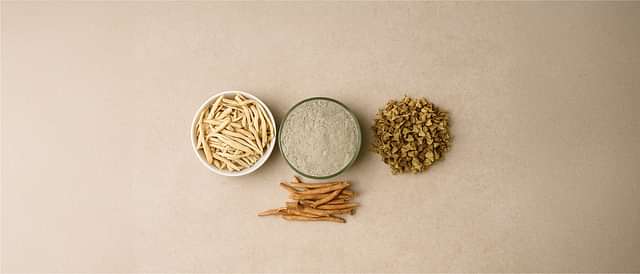
Dhatupaushtik Churna is a traditional Ayurvedic herbal powder known for its ability to nourish and strengthen body tissues. It is commonly used to improve stamina, vitality, and reproductive health. Made from a blend of powerful herbs, this churna supports physical and mental well-being and aids recovery from illness.
18th Jul 2025
|
12 mins read
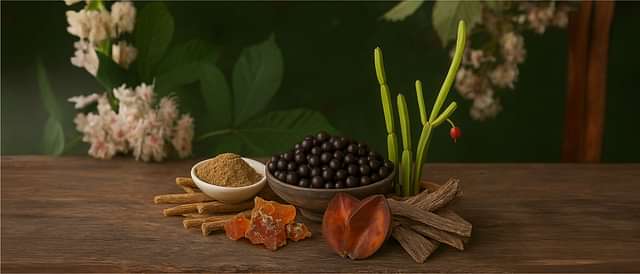
Lakshadi Guggul is a classical Ayurvedic formulation made from Laksha, Asthishrinkhala, Arjuna, Ashwagandha, Nagabala and Guggulu, rolled into tablets. It is traditionally used to support bone strength, relieve joint discomfort and aid recovery after fractures, alongside standard medical care for bone and joint conditions such as osteoporosis and arthritis.
18th Jul 2025
|
12 mins read
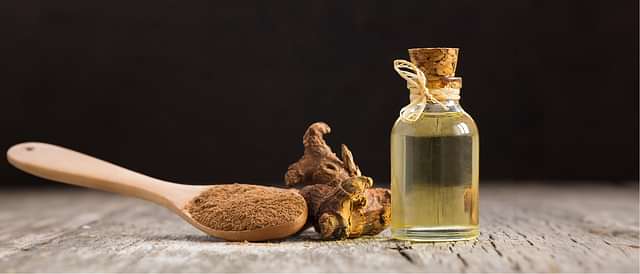
Rasna (Pluchea lanceolata), a perennial herb native to India, is widely recognized in classical Ayurvedic texts as the premier herb for Vata-related disorders (Vatashamana). Known for its potent anti-inflammatory and analgesic properties, it is primarily used to manage joint pain, arthritis, and musculoskeletal inflammation. Typically found in sandy and saline soils across Punjab, Rajasthan, and Uttar Pradesh, this shrub grows to a height of 30-100 cm. In Ayurvedic pharmacology, it is classified as a 'Shothahara' (anti-inflammatory) herb that balances Vata and Kapha doshas.
17th Jul 2025
|
9 mins read
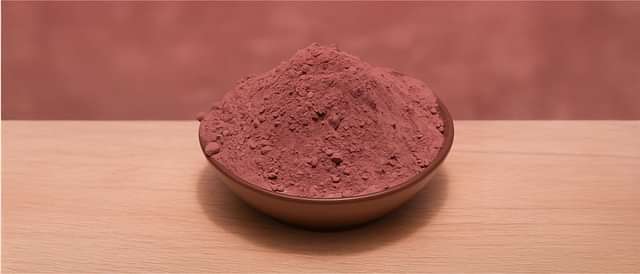
Loha Bhasma, also known as Lauha Bhasma, is a classical Ayurvedic preparation made from purified, calcined iron. It is traditionally used to support the management of iron-deficiency anaemia and associated weakness and fatigue. It should be taken only under the guidance of a qualified Ayurvedic practitioner, with the underlying cause of anaemia assessed and confirmed by a doctor first.Loha Bhasma (also known as Lauha Bhasma) is a classical Ayurvedic preparation made from purified and calcined iron, traditionally used to manage iron deficiency–related anemia, reduce weakness, and enhance vitality. Described in ancient Ayurvedic texts, it is valued for its bioavailable form of iron and its ability to balance Pitta, supporting healthy blood formation and energy levels. In addition to aiding digestion and skin health, Loha Bhasma is associated with Balya (strength-promoting) and Vrishya (vitality-supporting) properties that may help improve stamina and male reproductive health. This formulation reflects Ayurveda’s holistic approach to strengthening the body and promoting overall well-being, while requiring mindful use due to its potency.
23rd Jun 2025
|
12 mins read
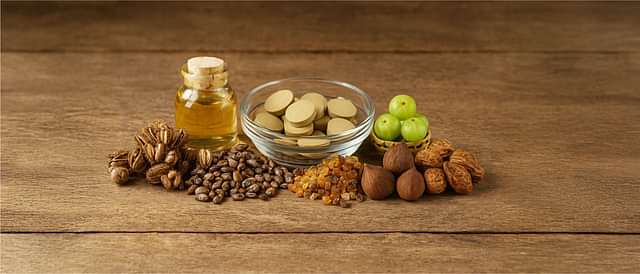
Singhnad Guggul, also known as Simhanada Guggulu, is a classical Ayurvedic herbo-mineral formulation prepared with guggul resin, Triphala, castor oil and purified sulphur. In Ayurveda, it is traditionally used to support joint comfort and mobility and aid digestion. It should be used under the guidance of a qualified Ayurvedic practitioner and is not a substitute for prescribed medical treatment.
23rd Jun 2025
|
11 mins read
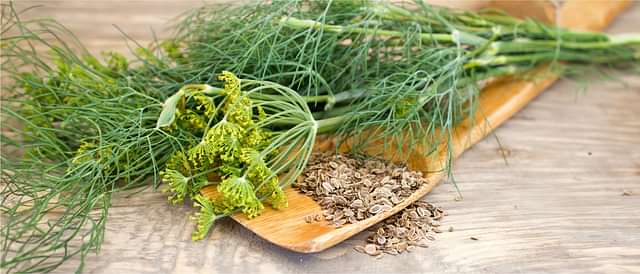
Dill (Anethum graveolens) is recognized in both culinary and therapeutic circles for its strong, aromatic flavor and its profile of bioactive compounds. This plant stands out with feathery green leaves and oval seeds. It is a beloved ingredient in dishes worldwide, especially those from the Mediterranean and Eastern Europe. In addition to being used in food, dill has been utilized for centuries in traditional systems of medicine, including Ayurveda (where it is known as Shatapushpa), for its carminative and digestive properties. This article will examine the nutritional profile of dill, its potential health benefits, side effects, and essential safety precautions.
16th Jun 2025
|
12 mins read
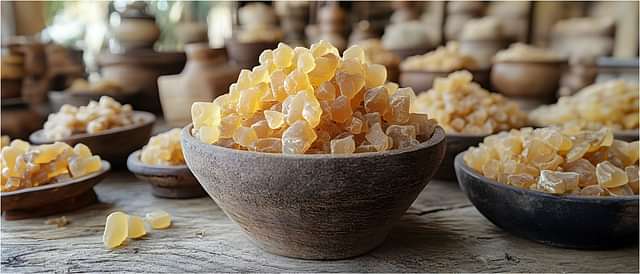
Shallaki is the oleo-gum-resin obtained from the Boswellia serrata tree, and is also called Indian frankincense or salai guggul. It is traditionally selected where Ayurvedic assessment identifies heat and swelling in the affected tissues. Standardised extracts of the resin, rich in boswellic acids, are taken as capsules or tablets, and the resin is also used in creams applied to painful joints.
13th Jun 2025
|
18 mins read
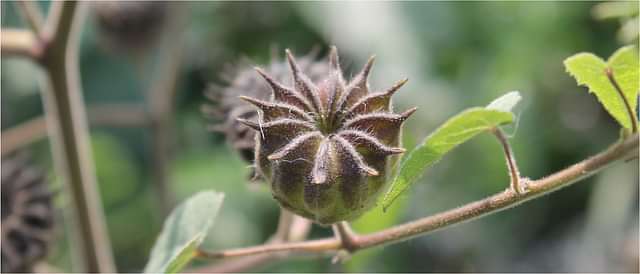
Atibala (Abutilon indicum) is an Ayurvedic herb whose dried root is used in medicine. Traditionally, the root powder is taken to support physical strength and stamina, support normal urinary function and help relieve dryness in the body. The leaves and seeds are applied externally, and the root is an ingredient in several classical medicated oils used for muscle and joint discomfort.
11th Jun 2025
|
18 mins read
Explore other categories
Latest health articles




Top Health Essentials
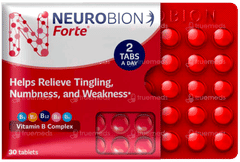
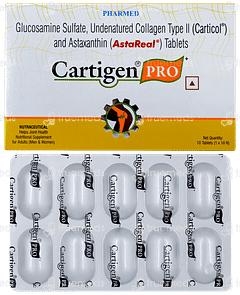
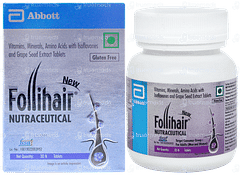
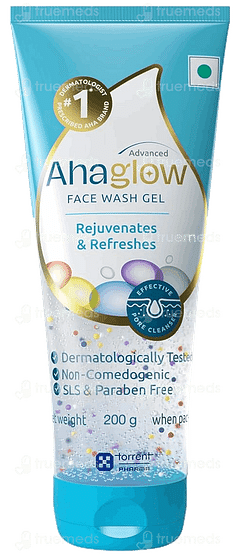
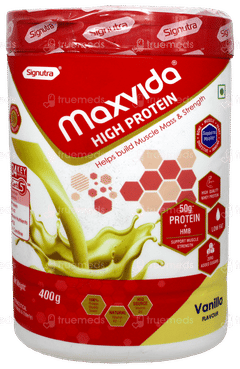
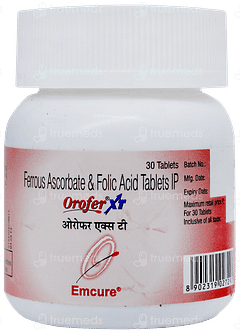
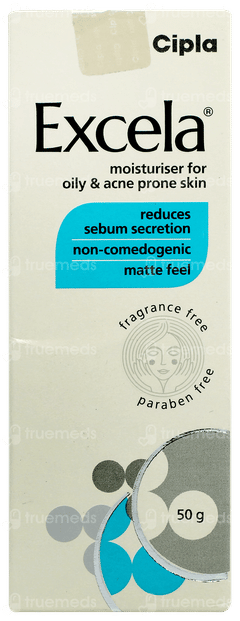
Top-selling ayurvedic products












Top-Selling Medicines:
...View more
Top-OTC medicines:
...View more
Top-selling healthcare devices:
...View more
Company
About UsHealth ArticleHealth StoriesHealth LibraryDiseases & Health ConditionsAyurvedaUnderstanding Generic MedicinesAll MedicinesAll BrandsNeed HelpFAQSecuritySavings CalculatorAdvertise with UsSubscribe
Registered Office Address
Grievance Officer
Download Truemeds


Contact Us
Our customer representative team is available 7 days a week from 9 am - 9 pm.
v4.28.13

2026 - Truemeds | All rights reserved. Our content is for informational purposes only. See additional information.

Our Payment Partners