

- Medicines
- Personal Care
- Skin Cream
- Sunscreen
- Face Wash
- Skin and Body Soap
- Acne Care
- Body Lotions
- Moisturising Lotion
- Moisturising Cream
- Mosquito Repellent
- Moisturising Gel
- Body Wash
- Hair Oils
- Hair Shampoo
- Hair Conditioners
- Hair Supplements
- Hair Colour
- Hair Serum
- Hair Mask
- Hair Solutions
- Baby Diapers and Wipes
- Baby Lotion and Moisturising Cream
- Baby Bath Essentials
- Baby Skin Care
- Baby and Infant Food
- Baby Healthcare
- Women Multivitamins
- Ovulation Test Kit and Women Intimate Care
- Sanitary Pads
- Nutritional Drinks
- Condoms
- Lubricants
- Massage Gels
- Personal Body Massagers
- Men Performance Booster
- Sexual Health Supplements
- Massage Oils
- Ayurveda
- Tooth Paste
- Mouth Ulcer Gel
- Mouthwash
- Toothache and Gum Pain
- Tooth Brush
- Gargle Solution
- Orthopaedic Supports
- Adult Diapers
- Footwear
- Mobility and Support Accessories
- Urinary Support and Care
- Health Conditions
- Bone and Joint Care
- Digestive Care
- Eye Care
- Pain Relief
- Smoking Cessation
- Liver Care
- Stomach Care
- Cold and Cough
- Heart Care
- Kidney Care
- Piles, Fissures & Fistula
- Respiratory Care
- Mental Wellness
- Derma Care
- Pre and Probiotics
- Acidity
- Gas
- Constipation
- Loose Motion/Diarrhoea
- Digestive Fibres
- Digestive Enzymes
- Eye Lubricant Drops
- Lens Solution
- Safety Eye Wear
- Eye Cream
- Eye Vitamins and Supplements
- Eye Drops
- Eye Ointment and Gel
- Nicotine Patch
- Nicotine Gum
- Nicotine Lozenges
- Cough Syrups
- Chest Rubs and Balms
- Nasal Spray
- Lozenges
- Inhalant Capsules
- Cold and Cough Tablets
- Vitamins & Supplements
- Diabetes Care
- Healthcare Devices
- Homeopathic Medicine
- Health Guide
Alsi
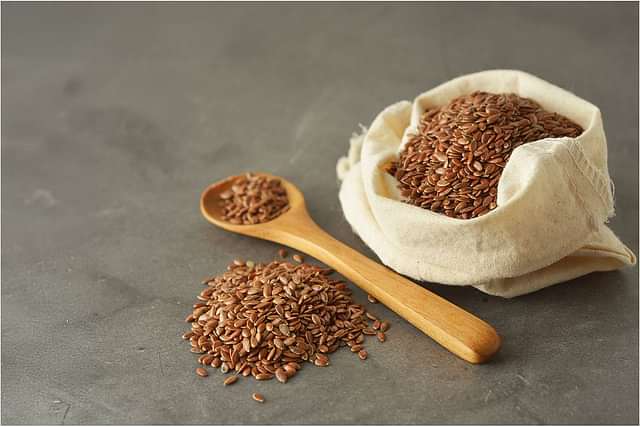
Alsi (Linum usitatissimum), commonly known as flaxseed, is a tiny seed rich in omega-3 fatty acids, dietary fibre and lignans. Traditionally valued in Ayurvedic and nutritional practices, Alsi is commonly eaten whole, ground or pressed into oil. Its nutrient and fibre content makes it a useful food for supporting digestive health and overall nutrition.
 50
50Last updated on : 08 Sep, 2026
Read time : 17 mins
What is Alsi?
Alsi (Linum usitatissimum), known in English as flaxseed or linseed, is the tiny seed of a flowering plant in the Linaceae family. The seeds are brown or golden in colour and have been used in food and traditional medicine for millennia across cultures. In Ayurvedic practice, Alsi is valued for its warming properties and nutrient density.
In Ayurveda, Alsi (flaxseed) is traditionally described as having a Madhura (sweet) and Tikta (bitter) Rasa, with Ushna (heating) Virya and Madhura Vipaka. It is considered Guru (heavy) and Snigdha (unctuous) in nature and is traditionally associated with balancing Vata, while its heavy and oily qualities may aggravate Kapha when consumed in excess. These classifications are based on traditional Ayurvedic principles and should not be interpreted as established clinical effects.
Key Facts
| Feature | Details |
| Botanical Name | Linum usitatissimum L. |
| Plant Family | Linaceae
|
| Also Known As | Flaxseed, linseed, jawas (Hindi), avise (Telugu), aali vithai (Tamil) |
| Origin | Native to the Mediterranean region; widely cultivated in temperate zones globally. India: grown in Madhya Pradesh, Rajasthan, Uttar Pradesh
|
| Part Eaten/Used | Seeds (whole, ground, or pressed into oil) |
| Ayurvedic Classification | Warm potency (Ushna Virya); traditionally used for Vata balance. Guna (qualities): heavy (Guru), unctuous (Snigdha) |
| Common Forms | Whole seeds, ground powder (flour), cold-pressed oil, roasted seeds |
| Typical Serving | 1-2 tablespoons (10-20 grams) of whole or ground seeds daily; 1-2 teaspoons (5-10 ml) of oil daily
|
| Best Eaten | Morning or evening with adequate water. Ground seeds may be easier to digest than whole seeds. Preferably with warm milk or water to aid digestion
|
| Key Safety Note | May cause initial gastrointestinal effects (bloating, gas) if introduced suddenly; increase water intake. Avoid excessive consumption. People taking anticoagulant medicines should consult a healthcare professional before regular use.
|
Alternative Name of Alsi
Alsi, better known as Flaxseed, has different names depending on the region and culture.
- In Hindi, this is called "Alsi" or "Jawas."
- In Marathi, this spice is called "Javas";
- In Gujarati, it is called "Alshi."
- In Tamil, the name for the flaxseeds is "Aali Vithai,"
- And in Telugu, it is called "Avise Ginjalu."
Therefore, Alsi, in Ayurveda and other traditional medicine, is also referred to as "Tisi" or "Atasi," representing its wide recognition from several traditions.
Nutritional Value (Per 100g)
The following table provides the nutritional composition of Alsi seeds per 100 grams of whole seeds (USDA FoodData Central, 2019).
| Nutrient | Amount |
| Calories | 534 kcal |
| Total Fat | 42.16 g |
| Omega-3 Fatty Acids (ALA) | 22.8 g |
| Protein | 18.3 g |
| Carbohydrates | 28.88 g |
| Dietary Fibre | 27.3 g |
| Magnesium | 392 mg |
| Phosphorus | 642 mg |
| Zinc | 6.7 mg |
| Manganese | 2.5 mg |
| Copper | 1.2 mg |
| Lignans (Polyphenols) | 0.3 g |
Medicinal Properties of Alsi seeds
Alsi seeds possess the following pharmacological and nutritional properties that have been studied in nutritional and scientific research.
- High in soluble fibre: Fibre absorbs water and forms a gel-like substance in the digestive tract.
- Rich in omega-3 fatty acids: Alpha-linolenic acid (ALA) contributes to normal cardiovascular function and may influence inflammatory processes.
- Antioxidant: Lignans and polyphenols have antioxidant activity and may help protect cells from oxidative stress (Kajla et al., 2015).
- Mild laxative: The fibre content can help support bowel regularity.
- Anti-inflammatory: Omega-3s and polyphenols may influence inflammatory pathways, although evidence of clinical benefits in humans is limited (Kajla et al., 2015).
- Emollient: Alsi oil can help moisturise and soften the skin when applied topically.
Key Health Benefits of Alsi
Alsi is a nutrient-rich seed that provides fibre, plant-based omega-3 fatty acids, protein, minerals and antioxidant compounds. It may support digestive regularity, cardiovascular wellness and overall nutritional health, while evidence for specific skin and hair benefits remains limited.

Cardiovascular Wellness
Alsi contains alpha-linolenic acid (ALA), a plant-based omega-3 fatty acid that has been studied for its potential role in supporting cardiovascular health. Regular consumption as part of a balanced diet may contribute to overall cardiovascular wellness.
Digestive Support and Regularity
Alsi is rich in dietary fibre (27.3 g per 100 g), which can help support normal bowel function and regularity when consumed with adequate fluids. Ground Alsi may be more easily digested than whole seeds. Fibre also supports a healthy gut microbiome (Brahe et al., 2015).
General Nutritional Support
Alsi is nutrient-dense, providing plant-based protein (18.3 g per 100 g), minerals (magnesium, phosphorus and zinc), and polyphenols. It can be included as part of a balanced and varied diet.
Antioxidant Protection
Lignans and polyphenols in Alsi have antioxidant activity and may help protect cells from oxidative stress (Kajla et al., 2015). The clinical significance of these effects requires further research.
Skin and Hair Wellness
Omega-3 fatty acids and natural oils in Alsi are traditionally used to support skin hydration and hair health. However, evidence for these benefits from dietary Alsi intake is limited. External topical use of Alsi oil or paste is traditional for supporting skin health, although it should not be used as a treatment for skin conditions without medical advice.
Common Uses of Alsi seeds
Alsi seeds are commonly used as a dietary ingredient for digestive support and nutritional enrichment (National Center for Complementary and Integrative Health, n.d.). They can be added to everyday foods, smoothies and beverages, while Alsi oil or seed paste is also traditionally used for general skin care.
Digestive Wellness Routines
Whole or ground Alsi is commonly added to daily diets to support regular bowel function and digestive health (National Center for Complementary and Integrative Health, n.d.). It is often taken with adequate water and may be consumed with warm milk or water.
Nutritional Supplementation in Cooking
Ground Alsi (Alsi ka atta) is mixed into paratha dough, dals, vegetable curries and breads to increase their nutritional value. This preparation method is common across Indian households.
Smoothies and Beverages
Ground Alsi is blended into yoghurt, buttermilk (chaach) or smoothies for convenient consumption. It is often combined with fruits or honey.
Topical Skin Care
Alsi oil or a paste made from ground seeds mixed with water or milk is traditionally applied to support dry skin and general skin care. Evidence for its use in skin conditions is limited, and persistent or serious skin problems should be assessed by a healthcare professional.
Precautions While Using Alsi
Though Alsi benefits health, its safety, and proper consumption must be considered to avoid its probable side effects. A few precautions are mentioned herein.
- Introduce Gradually: Begin with small amounts and increase gradually to help reduce the risk of bloating, gas or other digestive discomfort as your fibre intake increases.
- Adequate Water Intake: Alsi's fibre absorbs water, so adequate fluid intake is important. Drink fluids according to your individual needs, especially when increasing your fibre intake. Insufficient fluid intake may contribute to digestive discomfort or constipation.
- Existing Digestive Conditions: If you have inflammatory bowel disease (IBD), irritable bowel syndrome (IBS), difficulty swallowing or a bowel narrowing or obstruction, consult a healthcare provider before use. The high fibre content may worsen symptoms in some people.
- Medication Interactions: Alsi may affect the absorption of some medicines, and its potential interactions with anticoagulant and diabetes medicines should be considered. Inform your doctor or pharmacist before regular use if you take these or other prescription medicines.
- Pregnancy and Breastfeeding: Food amounts of Alsi can generally be included as part of a balanced diet. However, consult a healthcare professional before using large amounts or Alsi supplements during pregnancy or breastfeeding.
- Allergic Reactions: Rarely, allergic reactions to Alsi may occur, including itching, swelling or difficulty breathing. Discontinue use and seek urgent medical care if you develop difficulty breathing or swelling of the face, lips or throat.
- Thyroid Conditions: Evidence that Alsi affects thyroid function in humans is limited. If you have thyroid disease, consult your healthcare provider before using large amounts or supplements regularly.
How to Use Alsi
Whole Seeds
Whole Alsi seeds can be soaked in water before eating or lightly dry-roasted for flavour. Consume a moderate amount as part of a balanced diet with adequate fluids. Whole seeds may pass through the digestive system without being fully broken down, so ground seeds can provide better access to some nutrients.
Ground Seeds (Powder)
Grind fresh Alsi seeds in a spice grinder or blender to a fine powder and store any unused powder in an airtight container in the refrigerator. Mix ground Alsi powder into water, milk, yoghurt or smoothies. Drink adequate water when increasing your fibre intake to help reduce digestive discomfort.
Alsi Oil
Cold-pressed Alsi oil is sensitive to heat. Use it mainly in cold preparations, such as salad dressings, or add it to foods after cooking. Follow the serving size on the product label. Avoid using Alsi oil for high-temperature cooking, as heat can reduce the stability of its omega-3 fatty acids.
Mixed into Foods
Mix ground Alsi into paratha or roti dough, or add it to dals, curries and vegetable dishes. It can also be sprinkled over salads, rice or porridge, or blended into smoothies with fruit and yoghurt.
Recommended Dosage of Alsi
The following dosage guidance is based on traditional Ayurvedic use and nutritional research. Individual needs vary; personalise with a healthcare provider or nutritionist.
| Age Group | Ground Seeds/Powder | Whole Seeds | Oil |
| Children (under 12 years) | Use only in food amounts appropriate for the child's age. Consult a healthcare professional before using Alsi as a supplement. | Use age-appropriate food portions and ensure the child can chew safely. | Follow the product label and seek professional advice before regular use. |
| Teenagers (12-18 years) | Can be included in the diet in moderate food amounts, with adequate fluids. | Can be included in meals, provided the seeds are chewed well. | Follow the serving size on the product label. |
| Adults (18-65 years) | 1-2 tablespoons (approximately 10-20 g) daily can generally be included as part of a balanced diet. | 1-2 tablespoons may be included in the diet, although ground seeds may provide better access to some nutrients. | Follow the serving size on the product label. |
| Elderly (over 65 years) | Start with a smaller amount and increase gradually if tolerated. Ensure adequate fluid intake. | Use with adequate fluids and consider ground seeds if chewing is difficult. | Follow the serving size on the product label and consider potential interactions with medicines. |
| Pregnancy & Breastfeeding | Food amounts are generally considered part of a normal diet, but consult a healthcare professional before using large amounts or supplements. | Food amounts may be included as part of a balanced diet. | Consult a healthcare professional before using flaxseed oil supplements. |
Introduction Guide: Begin with a small amount, such as 1 teaspoon of ground Alsi daily, and increase gradually if tolerated. This may help reduce bloating or other digestive discomfort. Maintain adequate fluid intake when increasing fibre intake.
Duration: Alsi can be consumed regularly as part of a balanced diet. There is no need to use it for a fixed period to assess “wellness benefits”. The amount and duration of use should depend on your overall diet, health needs and tolerance.
Side Effects of Alsi
Alsi is generally well tolerated when consumed as part of a balanced diet, but some individuals may experience mild adverse effects, particularly when it is first introduced or consumed in large amounts.
Bloating and Gas
A sudden increase in fibre intake may cause bloating or gas. This may improve as the digestive system adapts. Introduce Alsi gradually and drink adequate fluids to help reduce digestive discomfort.
Loose Stools or Diarrhoea
Large amounts or a rapid increase in intake may cause loose stools or diarrhoea in some people. Reduce the amount or stop using Alsi if symptoms occur and consult a healthcare professional if diarrhoea is severe or persistent.
Constipation (Paradoxical)
If fibre intake is increased without adequate fluids, constipation may occur. Drink adequate fluids when consuming Alsi and increase fibre intake gradually.
Nausea or Mild Stomach Upset
Some people may experience nausea or mild stomach discomfort. Taking Alsi with food may help reduce these symptoms. If nausea persists, discontinue use and consult a healthcare professional.
Allergic Reactions (Rare)
Rarely, allergic reactions, such as itching, rash, swelling of the face or lips, or difficulty breathing, may occur. If symptoms appear, discontinue use and seek urgent medical care if you develop difficulty breathing or swelling of the face, lips or throat.
Interaction With Other Drugs
Alsi may affect the absorption or effects of some medications. If you are taking any of the following, consult your healthcare provider or pharmacist before using Alsi regularly or in concentrated forms.
Anticoagulant and Antiplatelet Medications (Blood Thinners)
Evidence of a clinically significant interaction between Alsi and blood-thinning medicines is limited. However, Alsi may affect blood clotting, so caution is appropriate with medicines such as warfarin, aspirin, clopidogrel or similar drugs. Consult your healthcare provider before regular use.
Diabetes Medications
Alsi's soluble fibre may slow glucose absorption and may affect blood glucose levels. When consumed with diabetes medicines such as metformin, insulin or sulphonylureas, monitor blood glucose as advised by your healthcare provider.
Thyroid Medications
Alsi's fibre may reduce or delay the absorption of oral medicines when taken at the same time. If taking thyroid medication such as levothyroxine, ask your healthcare provider or pharmacist about the appropriate time gap rather than routinely assuming a four-hour interval.
Medications Requiring Hydration Caution
Alsi's high fibre content can affect bowel movements and fluid requirements. If taking medications for conditions where fluid or electrolyte balance needs to be carefully managed, discuss Alsi use with your doctor.
Note: Always inform your doctor or pharmacist of all supplements, herbal products and medications you use. Alsi is a food, but large or concentrated amounts may have effects that are relevant to some medicines.
Storage of Alsi seeds
- Store whole Alsi seeds in an airtight container in a cool, dry place away from direct sunlight. Room temperature storage is acceptable; refrigeration may help maintain freshness for longer. Follow the product's storage instructions and expiry date.
- Ground Alsi powder is more susceptible to oxidation and may lose quality over time, particularly when exposed to heat, light and air. If pre-ground, store in an airtight container in the refrigerator and use it within the period recommended on the product packaging.
- Optimal practice: Grind Alsi seeds in small batches as needed to help maintain freshness and nutritional quality.
- Alsi oil should be stored according to the manufacturer's instructions, preferably in a cool, dark place. Refrigeration may help slow oxidation after opening. Keep it away from light and heat, and observe the product's recommended use-after-opening period.
- Do not store Alsi near strong-smelling foods or spices, as seeds and oil can absorb odours. Keep away from moisture to help prevent spoilage and mould growth.
- Keep all Alsi products out of reach of children and pets.
Key Takeaways
- Alsi (Linum usitatissimum) is a nutrient-dense seed rich in omega-3 fatty acids, dietary fibre and lignans. It has been used in Ayurvedic and nutritional traditions for centuries.
- Traditional use and emerging research suggest Alsi may support digestive wellness, cardiovascular health, antioxidant activity and general nutritional intake when consumed as part of a balanced diet.
- Alsi is generally well tolerated, but it is best introduced gradually, with adequate fluid intake, to reduce the risk of gastrointestinal effects such as bloating or loose stools.
- A common dietary serving is around 1–2 tablespoons of ground seeds daily. For Alsi oil, follow the serving size on the product label. Individual needs may vary, and excessive intake can increase the risk of digestive discomfort.
- Alsi may affect the absorption or effects of some medicines. Consult your healthcare provider or pharmacist before regular use if you take prescription medicines, particularly anticoagulants, diabetes medicines or thyroid medicines.
- Alsi can generally be included in the diet in normal food amounts during pregnancy and breastfeeding, but consult a healthcare professional before using large amounts or concentrated Alsi supplements. Children should receive age-appropriate dietary amounts, with professional advice before supplemental use.
- Alsi is a nutritious food, not a medical treatment. It does not replace medical diagnosis, treatment or recommended lifestyle changes. Anyone with serious health conditions should consult a healthcare provider.
- Store whole seeds in a cool, dry place. Ground seeds should be stored in an airtight container and used according to the product's storage instructions. Alsi oil should be stored according to the manufacturer's instructions and protected from light and heat.
FAQs
What is the difference between whole and ground Alsi?
How much water should I drink while taking Alsi?
Can I take Alsi if I am on blood thinners?
Is Alsi safe during pregnancy?
How long does it take to see benefits from Alsi?
Can I give Alsi to my child?
What does Alsi taste like, and how can I make it more palatable?
Is cold-pressed Alsi oil better than capsules?
References
- USDA FoodData Central. (n.d.). Seeds, flaxseed (FDC ID: 169414). U.S. Department of Agriculture, Agricultural Research Service. https://fdc.nal.usda.gov/food-details/169414/nutrients
- Kajla, P., Sharma, A., & Sidhu, D. S. (2015). Flaxseed—a potential functional food source. Journal of Food Science and Technology, 52(4), 1857–1871. https://pmc.ncbi.nlm.nih.gov/articles/PMC4375225/
- Brahe, L. K., Le Chatelier, E., Prifti, E., Pons, N., Kennedy, S., Blædel, T., Håkansson, J., Dalsgaard, T. K., Hansen, T., Pedersen, O., Astrup, A., Ehrlich, S. D., & Larsen, L. H. (2015). Dietary modulation of the gut microbiota: A randomised controlled trial in obese postmenopausal women. British Journal of Nutrition, 114(3), 406–417. https://doi.org/10.1017/S0007114515001786
- National Center for Complementary and Integrative Health. (n.d.). Flaxseed and flaxseed oil: Usefulness and safety. U.S. Department of Health and Human Services, National Institutes of Health. https://www.nccih.nih.gov/health/flaxseed-and-flaxseed-oil




Explore other categories
Latest health articles




Top Health Essentials

Top-selling ayurvedic products












Disclaimer
Top-Selling Medicines:
...View more
Top-OTC medicines:
...View more
Top-selling healthcare devices:
...View more
Company
About UsHealth ArticleHealth StoriesHealth LibraryDiseases & Health ConditionsAyurvedaUnderstanding Generic MedicinesAll MedicinesAll BrandsNeed HelpFAQSecuritySavings CalculatorAdvertise with UsSubscribe
Registered Office Address
Grievance Officer
Download Truemeds


Contact Us
Our customer representative team is available 7 days a week from 9 am - 9 pm.
v4.28.13

2026 - Truemeds | All rights reserved. Our content is for informational purposes only. See additional information.
Our Payment Partners