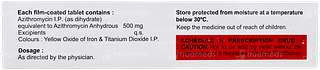

 Composition
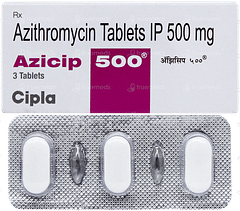
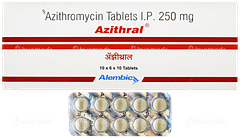
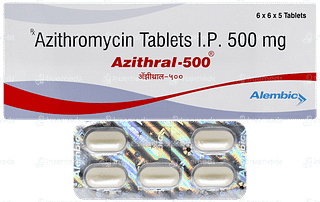
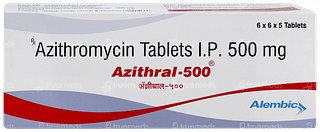
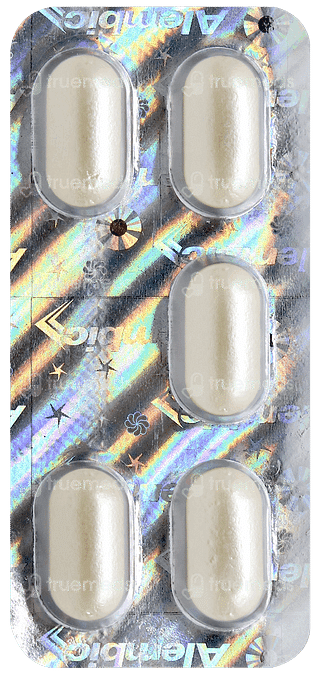
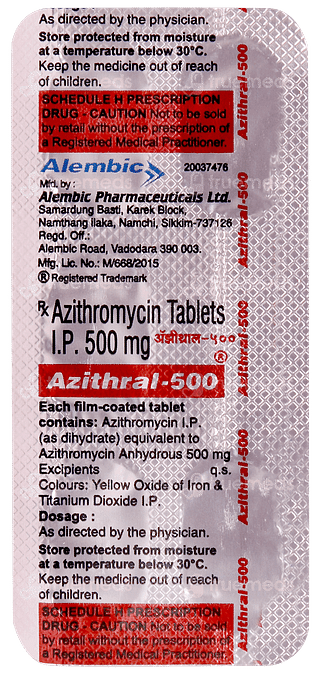
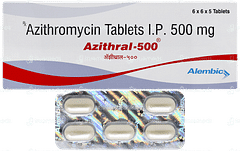
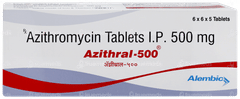
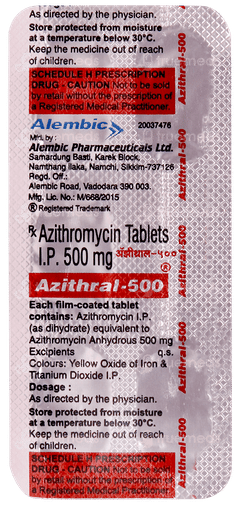
Azithral-500 Tablet contains azithromycin 500 mg (a macrolide antibiotic). It is used to treat selected bacterial infections affecting the respiratory tract, skin and other susceptible sites. Azithromycin inhibits bacterial protein synthesis, preventing susceptible bacteria from multiplying. Take the tablet with or without food, following your doctor's prescription. Common side effects include nausea, diarrhoea, abdominal pain and vomiting. Tell your doctor about liver disease, heart rhythm disorders or previous reactions to macrolide antibiotics. Certain medicines can increase the risk of abnormal heart rhythms. Complete the prescribed treatment course even if symptoms improve. This antibiotic does not treat viral infections such as influenza or the common cold.
Azithral-500 Tablet is a prescription antibiotic used to treat infections caused by susceptible bacteria. These include certain respiratory tract infections, bacterial skin infections and selected sexually transmitted infections. It may also be prescribed for particular ear infections or other infections when clinically appropriate. Treatment selection depends on the infection and local antibiotic resistance. Azithromycin does not relieve symptoms caused solely by viruses. Unnecessary antibiotic use can contribute to bacterial resistance.
Take Azithral-500 Tablet exactly as prescribed by your doctor. Swallow the tablet whole with water, with or without food. Taking it with food may reduce stomach discomfort. Follow the prescribed treatment duration without changing the dose yourself. Separate aluminium-containing or magnesium-containing antacids from azithromycin according to medical advice. If you miss a dose, take it when remembered unless the next dose is nearly due. Never double doses.
Common side effects of Azithral-500 Tablet include nausea, vomiting, diarrhoea, abdominal pain, headache, dizziness and loss of appetite. Mild digestive symptoms may improve during treatment. Inform your doctor if symptoms persist or worsen. Seek urgent medical attention for severe or bloody diarrhoea, fainting or an irregular heartbeat. Yellowing skin, dark urine or severe abdominal pain may indicate liver injury. Serious allergic reactions also require emergency treatment.
Before using Azithral-500 Tablet, tell your doctor about liver disease, kidney disease, heart failure or abnormal heart rhythms. Mention previous jaundice associated with azithromycin. Report medicines that prolong the QT interval, including certain antiarrhythmics and antipsychotics. Low potassium or magnesium levels may increase cardiac risks. Discuss pregnancy and breastfeeding with your doctor before treatment. Avoid driving if dizzy. Seek medical advice if your infection worsens despite treatment.