

- Medicines
- Personal Care
- Skin Cream
- Sunscreen
- Face Wash
- Skin and Body Soap
- Acne Care
- Body Lotions
- Moisturising Lotion
- Moisturising Cream
- Mosquito Repellent
- Moisturising Gel
- Body Wash
- Hair Oils
- Hair Shampoo
- Hair Conditioners
- Hair Supplements
- Hair Colour
- Hair Serum
- Hair Mask
- Hair Solutions
- Baby Diapers and Wipes
- Baby Lotion and Moisturising Cream
- Baby Bath Essentials
- Baby Skin Care
- Baby and Infant Food
- Baby Healthcare
- Women Multivitamins
- Ovulation Test Kit and Women Intimate Care
- Sanitary Pads
- Nutritional Drinks
- Condoms
- Lubricants
- Massage Gels
- Personal Body Massagers
- Men Performance Booster
- Sexual Health Supplements
- Massage Oils
- Ayurveda
- Tooth Paste
- Mouth Ulcer Gel
- Mouthwash
- Toothache and Gum Pain
- Tooth Brush
- Gargle Solution
- Orthopaedic Supports
- Adult Diapers
- Footwear
- Mobility and Support Accessories
- Urinary Support and Care
- Health Conditions
- Bone and Joint Care
- Digestive Care
- Eye Care
- Pain Relief
- Smoking Cessation
- Liver Care
- Stomach Care
- Cold and Cough
- Heart Care
- Kidney Care
- Piles, Fissures & Fistula
- Respiratory Care
- Mental Wellness
- Derma Care
- Pre and Probiotics
- Acidity
- Gas
- Constipation
- Loose Motion/Diarrhoea
- Digestive Fibres
- Digestive Enzymes
- Eye Lubricant Drops
- Lens Solution
- Safety Eye Wear
- Eye Cream
- Eye Vitamins and Supplements
- Eye Drops
- Eye Ointment and Gel
- Nicotine Patch
- Nicotine Gum
- Nicotine Lozenges
- Cough Syrups
- Chest Rubs and Balms
- Nasal Spray
- Lozenges
- Inhalant Capsules
- Cold and Cough Tablets
- Vitamins & Supplements
- Diabetes Care
- Healthcare Devices
- Homeopathic Medicine
- Health Guide
Hypercalcemia
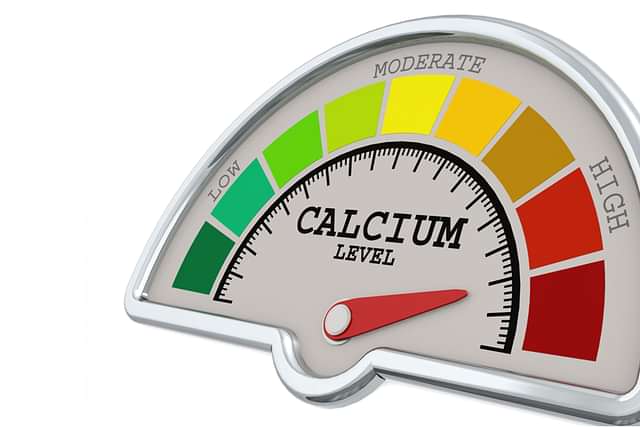
Hypercalcemia is a medical condition characterised by elevated levels of calcium in the blood. It can be caused by various factors, including overactive parathyroid glands, certain cancers and vitamin D toxicity. Symptoms of hypercalcemia range from mild to severe and may include abdominal pain, bone pain, confusion, fatigue, and excessive thirst and urination.
 50
50Last updated on : 10 Apr, 2026
Read time : 10 mins
Overview of Disease
Hypercalcemia is a medical condition that has garnered significant attention from both healthcare professionals and the general public.
It is essential to learn more about this condition to make informed treatment decisions. In the following sections, we will explore these aspects in greater detail, shedding light on this important health topic.
What is Hypercalcemia?
Hypercalcemia refers to a condition in which the concentration of calcium in the blood exceeds normal levels. It affects approximately 1% to 2% of the general population (Sadiq et al., 2024).
Calcium, a vital mineral in the body, is meticulously regulated by the parathyroid glands, kidneys, and bones. When the delicate balance is disrupted, particularly when the parathyroid glands secrete excessive amounts of parathyroid hormone (PTH), it can trigger an increased release of calcium into the bloodstream, resulting in hypercalcemia.
However, elevated calcium levels can also stem from other factors, such as certain types of cancer, vitamin D toxicity, and various medical conditions. Understanding the underlying causes of hypercalcemia is crucial for accurate diagnosis and effective treatment.
Key Factors about Hypercalcemia
| Category | Details |
| Also Referred as | Hypercalcemia, elevated serum calcium levels |
| Commonly Occurs In | Women over age 50 (after menopause), but can occur in individuals of all ages |
| Affected Organ | Bones, kidneys, brain, heart, gastrointestinal system |
| Type | Primary hyperparathyroidism, hypercalcemia of malignancy, and other secondary causes |
| Common Signs | Constipation, nausea, vomiting, abdominal pain, increased thirst, frequent urination, muscle weakness, and confusion |
| Consulting Specialist | Endocrinologist, nephrologist, oncologist (depending on the cause) |
| Treatment Procedures | Intravenous fluids, calcitonin, loop diuretics (after hydration), bisphosphonates, glucocorticoids, and surgery for primary hyperparathyroidism |
| Managed By |
|
Symptoms of Hypercalcemia
The manifestation of hypercalcemia symptoms can vary significantly depending on the severity and duration of the condition. In mild cases, individuals may not experience any noticeable symptoms. However, as the condition progresses, a range of signs and symptoms may emerge.
Common symptoms include: (MedlinePlus Medical Encyclopedia)
- Abdominal pain: Individuals with hypercalcemia may experience stomach discomfort, nausea, and vomiting.
- Bone pain: Elevated calcium levels can lead to aching bones, weakness, and muscle fatigue.
- Confusion and cognitive impairment: Severe cases of hypercalcemia can cause mental confusion, disorientation, and even coma.
- Constipation: Hypercalcemia can slow down bowel movements, resulting in constipation.
- Depression and anxiety: Some individuals may experience mood changes, including depression and anxiety.
- Fatigue and weakness: Hypercalcemia can cause overall muscle weakness, fatigue, and a general feeling of being unwell.
- Polyuria and polydipsia: Elevated calcium levels can lead to increased urine production and excessive thirst.
In more severe cases of hypercalcemia, patients may face serious complications such as kidney stones, abnormal heart rhythms, and even cardiac arrest. It is crucial to seek prompt medical attention if symptoms persist or worsen over time, as early intervention can prevent further complications and improve overall health outcomes.
Causes of Hypercalcemia
There are various causes of hypercalcemia. Some of the common ones include:
- Primary hyperparathyroidism: Overactivity of one or more parathyroid glands leading to excessive parathyroid hormone (PTH) production.
- Cancer: Certain types of cancer, such as lung, breast, kidney, and multiple myeloma, can cause hypercalcemia by secreting proteins that mimic PTH or by metastasising to bone and releasing calcium.
- Vitamin D intoxication: High doses of vitamin D can increase calcium absorption from the gut.
- Dietary excess: Consuming excessive amounts of calcium, especially in high doses of vitamin D, can lead to hypercalcemia (milk-alkali syndrome).
- Medications: Certain medications, such as thiazide diuretics, lithium, and excessive use of calcium and vitamin D supplements, may increase calcium levels.
- Bone disorders: Conditions like Paget's disease, especially with dehydration or prolonged immobilisation.
- Endocrine disorders: Hyperthyroidism can cause increased bone resorption, leading to hypercalcemia.
- Granulomatous diseases: Sarcoidosis, tuberculosis, and leprosy can cause hypercalcemia.
Recognising the underlying cause is crucial for effectively managing hypercalcemia symptoms and preventing complications.
Risk Factors
Who does Hypercalcemia affect?
- Postmenopausal women: They are more susceptible to primary hyperparathyroidism.
- Cancer patients: Especially those with lung, breast, kidney, and blood cancers.
- People with vitamin D disorders: Excessive vitamin D intake or impaired metabolism.
- Individuals with certain genetic disorders: Familial hypocalciuric hypercalcemia and multiple endocrine neoplasia type 1.
- Patients taking specific medications: Thiazide diuretics, lithium, and excessive calcium and vitamin D supplements.
- People with chronic kidney disease: Impaired calcium excretion and vitamin D metabolism.
- Individuals with granulomatous diseases: Sarcoidosis, tuberculosis, and leprosy.
Those with prolonged immobilisation: Increased bone resorption due to inactivity.
Complications of Hypercalcemia
If hypercalcemia is not adequately treated, it can lead to a range of serious complications:
- Kidney stones and Kidney Failure: Elevated calcium levels can promote the formation of kidney stones and potentially lead to renal failure.
- Bone disease: Hypercalcemia may cause weakening of the bones, osteoporosis, and an increased risk of fractures.
- Neurological symptoms: Severe cases of hypercalcemia can result in confusion, depression, and even coma.
- Cardiovascular issues: High calcium levels can contribute to hypertension and heart problems.
- Gastrointestinal symptoms: Hypercalcemia may cause nausea, vomiting, constipation, and pancreatitis.
Promptly addressing hypercalcemia and its underlying causes is essential to prevent these potentially life-threatening complications and ensure optimal patient outcomes.
Prevention of Hypercalcemia
Preventing hypercalcemia involves a combination of lifestyle adjustments, careful management of medications and supplements, and regular medical check-ups.
1. Lifestyle adjustments
- Stay hydrated: Drinking plenty of water can help reduce the risk of elevated calcium levels and kidney stone formation.
- Avoid excessive intake of calcium and vitamin D: Be cautious with calcium supplements and vitamin D, as high doses can lead to hypercalcemia. Milk-alkali syndrome, for instance, can occur when large amounts of calcium carbonate supplements are taken along with high doses of vitamin D.
- Maintain physical activity: Regular exercise, especially strength training, can promote bone health and reduce the risk of hypercalcemia associated with immobilisation.
2. Medication and supplement management
- Follow medical advice: Always consult your healthcare provider before taking any dietary supplements, vitamins, or minerals to avoid excessive intake of calcium or vitamin D.
- Monitor medications: Be aware of drugs that can induce hypercalcemia, such as lithium, thiazide diuretics, and high doses of vitamin A and D.
3. Regular check-ups
- Family history: If you have a family history of hypercalcemia, hyperparathyroidism, or kidney stones, discuss your risk with your healthcare provider.
- Routine blood tests: Hypercalcemia is often detected through routine blood tests. Regular health check-ups can help identify hypercalcemia early and guide appropriate treatment.
Diagnosis & Tests
Hypercalcemia is typically diagnosed through a combination of clinical evaluation and laboratory testing.
- Routine blood tests: Hypercalcemia is often detected during routine blood tests, such as a comprehensive metabolic panel (CMP) or basic metabolic panel.
- Symptom evaluation: Healthcare providers look for symptoms of hypercalcemia, such as fatigue, muscle weakness, recurrent kidney stones (nephrolithiasis), bone pain, constipation, and changes in mental status.
- Laboratory testing:
- Initial testing includes measuring serum calcium levels and albumin to calculate corrected calcium levels.
- Additional tests may include parathyroid hormone (PTH) testing, urine calcium analysis, and a 24-hour urine collection.
- Ionised calcium testing may be performed if albumin levels are low or to confirm abnormal values.
- Imaging tests: If primary hyperparathyroidism is suspected, imaging tests such as ultrasound, parathyroid sestamibi scan, four-dimensional CT scan, and PET choline scan may be ordered to locate any growths or enlargement of the parathyroid glands.
Once diagnosed, appropriate treatment for hypercalcemia can be initiated based on the underlying cause and the severity of the condition.
Treatment & Management
Hypercalcemia treatment depends on its severity and underlying cause. The aim is to lower calcium levels, prevent complications, and effectively manage the root cause.
1. Medications for Hypercalcemia
- Bisphosphonates: Pamidronate, etidronate, and alendronate help inhibit bone resorption, reducing calcium release into the bloodstream. These are commonly used in the treatment of hypercalcemia due to malignancy.
- Monoclonal Antibody Therapy: Denosumab is effective in cases where bisphosphonates are not well tolerated. It prevents excessive bone breakdown and calcium release.
- Antidote for Rapid Calcium Reduction: Calcitonin lowers blood calcium levels quickly by inhibiting bone resorption and increasing calcium excretion.
- Glucocorticoids: Prednisone is used when hypercalcemia is caused by certain cancers, inflammatory conditions, or vitamin D toxicity, helping reduce calcium absorption from the gut.
- Calcimimetic Agents: Cinacalcet is used to control overactive parathyroid glands, particularly in conditions like primary and secondary hyperparathyroidism.
- Phosphate therapy: Potassium phosphate may be used in selected cases under medical supervision to lower calcium levels.
2. Additional Treatment Approaches
- Hydration and Diuretics: Increasing fluid intake and using loop diuretics (e.g., furosemide) may be used after adequate hydration to enhance calcium excretion through urine.
- Dialysis: In severe cases, dialysis may be necessary to lower dangerously high calcium levels rapidly.
- Parathyroidectomy: For primary hyperparathyroidism caused by a benign tumour, surgical removal of the affected parathyroid gland is usually curative.
When to See a Doctor?
It is crucial to seek medical attention if you experience any hypercalcemia symptoms or have risk factors associated with elevated calcium levels.
- Symptoms: If you notice signs of hypercalcemia, such as excessive thirst, frequent urination, digestive problems, confusion, or muscle weakness, contact your healthcare provider. Prompt evaluation and management are important.
- Family history: If you have a family history of hypercalcemia or related conditions, consult your healthcare provider to discuss your risk. They can advise on preventive measures and screening.
- Medication concerns: If you are taking medications or supplements that could potentially cause hypercalcemia, such as lithium or high doses of vitamin D, monitor your condition closely and consult your healthcare provider. Dose adjustments or alternative treatments may be necessary.
Key Takeaways
- Common causes: Hypercalcemia is most commonly caused by primary hyperparathyroidism, certain cancers, excessive vitamin D intake, and immobilisation. Understanding the underlying hypercalcemia causes is key to prevention and treatment.
- Symptoms to watch for: Elevated blood calcium symptoms include excessive thirst, frequent urination, fatigue, bone pain, digestive issues, confusion, and muscle weakness. Recognising these signs can lead to timely diagnosis.
- Prevention strategies: Preventing hypercalcemia involves staying hydrated, avoiding excessive calcium and vitamin D intake, maintaining physical activity, following medical advice on supplements and medications, and having regular check-ups.
- Seeking medical attention: Consult a doctor if you experience hypercalcemia symptoms, have a family history of related conditions, or have concerns about medications that may affect calcium levels. Prompt treatment can prevent complications.
FAQs
What are some common signs of elevated calcium levels?
Four common hypercalcemia symptoms include digestive issues like nausea and constipation, increased thirst and urination, bone pain and muscle weakness, and neurological symptoms like confusion and fatigue.
How can hypercalcemia be most effectively treated?
The most appropriate management of hypercalcemia depends on the underlying cause and may include intravenous fluids, medications, or surgery for hyperparathyroidism, along with addressing contributing factors.
Can high blood calcium be a severe health concern?
Yes, hypercalcemia can be serious if untreated, potentially leading to complications such as kidney stones, kidney failure, osteoporosis, abnormal heart rhythms, and neurological dysfunction.
What are the initial steps in managing elevated calcium?
First-line treatment for hypercalcemia typically involves rehydration with intravenous fluids to correct dehydration and dilute blood calcium levels. Diuretics may be used in selected cases after adequate hydration.
What measures can help decrease calcium levels?
To reduce calcium, it's important to treat the underlying cause of hypercalcemia. Depending on the specific situation, this may involve surgery, medication changes, or managing related diseases.
Are there foods that can help eliminate excess calcium?
There are no specific foods proven to eliminate excess calcium. Dietary modification alone is usually not sufficient, and management should focus on the underlying cause.
What dietary changes are recommended for high calcium?
When calcium is high, it's best to avoid foods with significant calcium content, such as dairy products, certain leafy greens, fortified foods, and calcium supplements.
References
- Merck Sharp & Dohme Corp. (2025). Hypercalcemia (high level of calcium in the blood). Merck Manual Consumer Version. https://www.merckmanuals.com/home/hormonal-and-metabolic-disorders/electrolyte-balance/hypercalcemia-high-level-of-calcium-in-the-blood
- National Institute of Diabetes and Digestive and Kidney Diseases. (2019). Primary hyperparathyroidism. https://www.niddk.nih.gov/health-information/endocrine-diseases/primary-hyperparathyroidism
- Penn Medicine. (2024). Hypercalcemia. https://www.pennmedicine.org/conditions/hypercalcemia
- U.S. National Library of Medicine. (2021). Hypercalcemia. MedlinePlus. https://medlineplus.gov/ency/article/000365.htm
- Sadiq, N. M., Anastasopoulou, C., Patel, G., & Badireddy, M. (2024). Hypercalcemia. StatPearls - NCBI Bookshelf. https://www.ncbi.nlm.nih.gov/books/NBK430714/
Check Related Salts
Browse Other Conditions
Latest health articles

Top Health Essentials
















Disclaimer
Top-Selling Medicines:
...View more
Top-OTC medicines:
...View more
Company
About UsHealth ArticleHealth StoriesHealth LibraryDiseases & Health ConditionsAyurvedaUnderstanding Generic MedicinesAll MedicinesAll BrandsNeed HelpFAQSecuritySavings CalculatorAdvertise with UsSubscribe
Registered Office Address
Grievance Officer
Download Truemeds


Contact Us
Our customer representative team is available 7 days a week from 9 am - 9 pm.
v4.28.13

2026 - Truemeds | All rights reserved. Our content is for informational purposes only. See additional information.

Our Payment Partners